Pointed Heels Vs Block Heels: Which One Hurts Less?
Pointed heels promise elegance, block heels promise stability. But when hours stretch on, which truly hurts less? This guide breaks down comfort, posture and practicality to help you choose wisely.
Pointed Heels Vs Block Heels: Which Is More Comfortable For All-Day Wear?
Heels hold a special place in every footwear wardrobe. They add height, confidence, and that subtle click-clack soundtrack that turns an ordinary walk into a power move. Yet, behind the glamour hides a familiar truth. After a few hours, toes begin to protest, arches feel strained, and that confident stride turns cautious.
Two popular contenders dominate the heel world: pointed heels and block heels. Both look stunning. Both promise elegance. But comfort tells a different story. While one may sharpen posture and elongate the silhouette, the other often offers stability and balance. The question lingers at the back of every shopper's mind, especially when staring at a ₹3,500 price tag in a boutique window: which one hurts less?
The answer does not sit in a simple yes or no. It lies in design, body mechanics, lifestyle, and how long those heels stay on. Let's unpack the differences and discover which pair truly deserves a place in your shoe rack.
Pointed Heels Or Block Heels: Which Hurts Less And Why?; Photo Credit: Pexels
Breaking Down Comfort, Style And Support
Understanding The Structure Of Pointed Heels
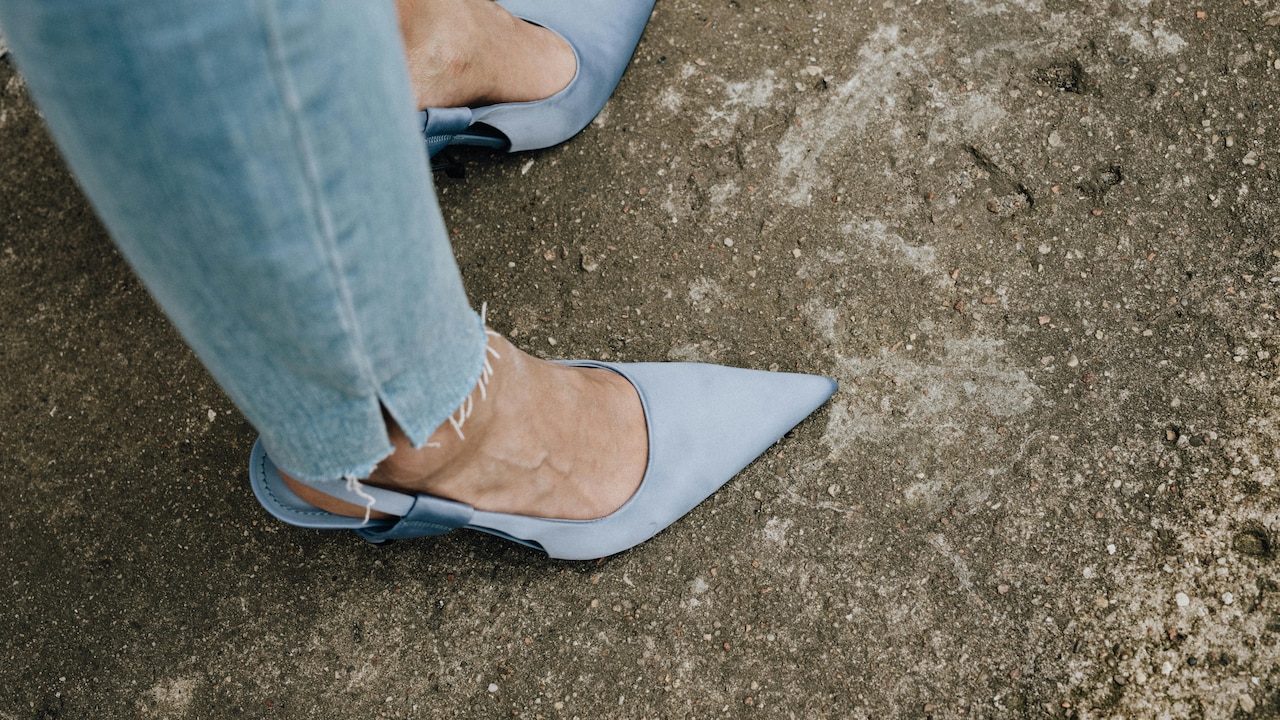
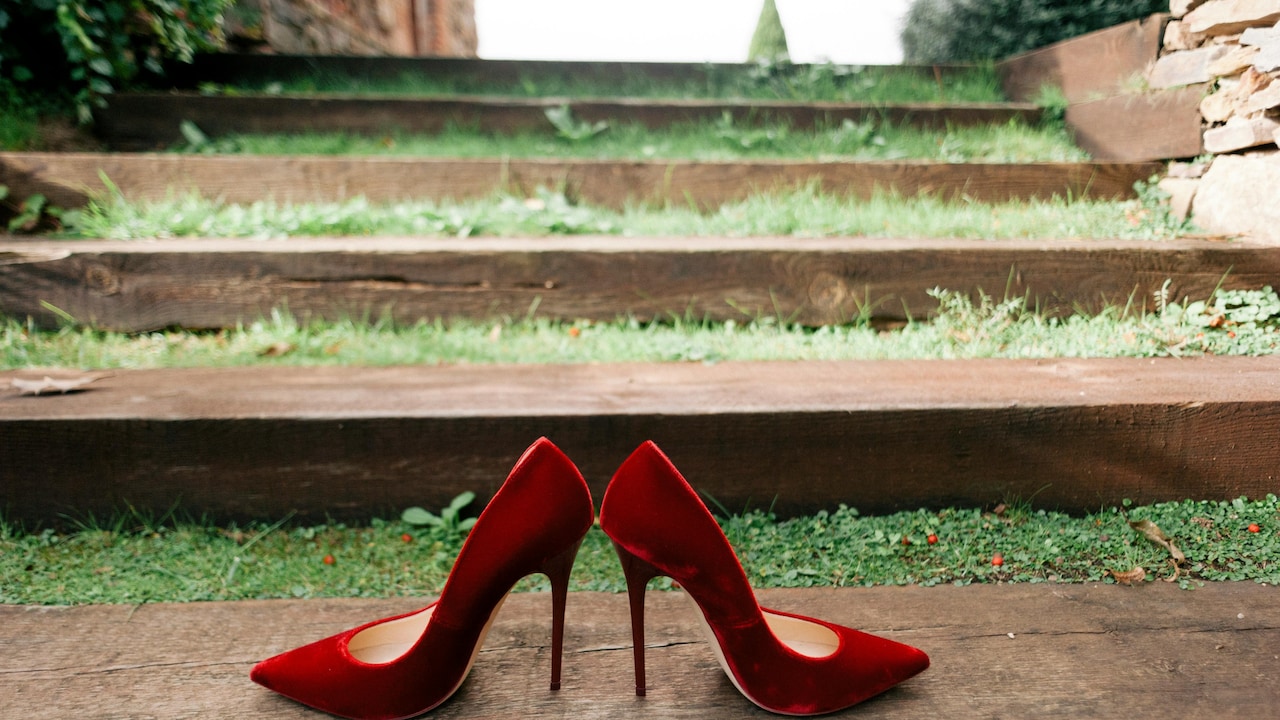
Pointed heels focus on shape. The narrow toe box pushes the toes together, creating that sleek, elongated look. Fashion lovers adore this design because it makes legs appear longer and outfits sharper. Whether paired with a saree or tailored trousers, pointed heels deliver instant polish.
However, the narrow front often compresses the toes. This pressure builds gradually. At first, everything feels fine. After an hour at a wedding reception, discomfort creeps in. Toes rub against each other. The smallest toe often suffers the most. If the heel height exceeds three inches, body weight shifts forward. That shift increases strain on the ball of the foot.
Despite the discomfort, many still choose pointed heels for formal occasions. They complement structured outfits beautifully. Yet comfort depends heavily on fit. A slightly tight pair can feel unbearable. A perfectly fitted one may feel manageable for short durations. Structure plays a decisive role in determining pain levels.
Exploring The Design Of Block Heels
Block heels prioritise stability. The wider heel base distributes body weight more evenly. This balance reduces wobbling and gives the wearer better control on uneven pavements or crowded function halls.
Unlike pointed stilettos, block heels often feature a broader toe box. This extra space allows toes to spread naturally. Less squeezing means fewer blisters and reduced pressure points. For long workdays or festive shopping sprees, this difference matters.
The thicker heel also absorbs impact better. When walking across tiled floors or outdoor venues, block heels feel sturdier. There is less fear of sinking into grass or slipping on polished marble. This sense of security often translates into comfort.
Block heels may not always look as sharp or dramatic as pointed ones, but they blend style with practicality. Many modern designs manage to look elegant without sacrificing comfort. For daily wear, block heels often emerge as the kinder choice for the feet.
Also Read: Top 8 Comfortable Heels For Women That You Can Wear For 5+ Hours Without Pain
Impact On Posture And Balance
Posture changes the moment heels come on. Pointed heels with thin bases demand careful balance. The body engages core muscles to stay upright. While this engagement can improve posture temporarily, it also creates tension in the lower back and calves.
The narrow heel base increases instability. Even confident walkers may wobble slightly on uneven roads. This constant adjustment tires the legs faster. After several hours, the back may ache from the effort of staying balanced.
Block heels provide a wider support system. The foot rests on a more stable foundation. This reduces the need for constant muscle correction. As a result, the body feels less fatigued.
Better balance usually means less strain. The knees align more naturally, and the lower back experiences less stress. For those who commute, attend long events, or stand for extended periods, posture plays a huge role in comfort. In this category, block heels tend to cause less overall pain.
Pressure On The Toes And Forefoot
Toe pressure often determines whether a shoe feels bearable or unbearable. Pointed heels concentrate pressure on the front of the foot. The tapered design pushes toes inward. Over time, this compression can lead to soreness, redness, and even numbness.
When heel height increases, body weight shifts forward. The ball of the foot absorbs most of that weight. Combined with a narrow toe box, this pressure intensifies discomfort.
Block heels usually offer a rounder or squarer toe shape. This design spreads toes more naturally. The forefoot bears weight more evenly. Although high block heels still shift weight forward, the wider front reduces squeezing.
For people with wider feet, pointed heels often feel restrictive. Block heels accommodate foot shape better. Less compression means fewer blisters and reduced swelling during long hours of wear. When focusing purely on toe comfort, block heels usually hurt less.
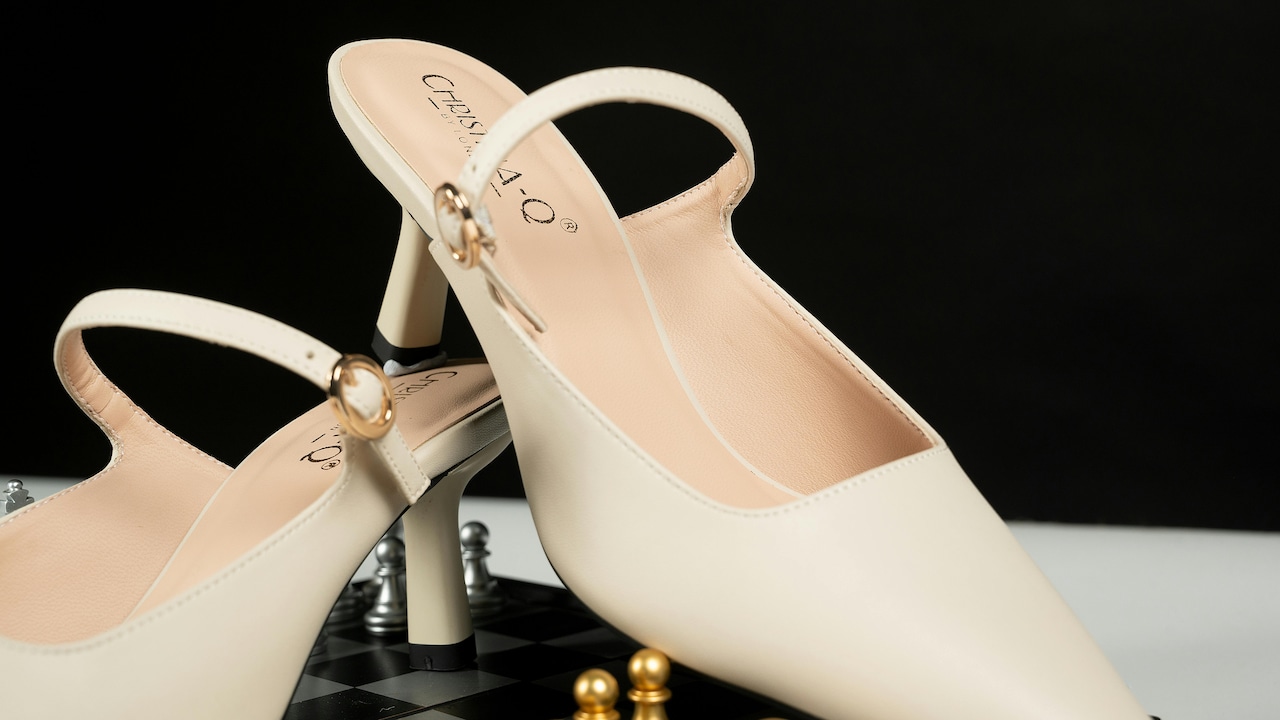
Pointed Heels Or Block Heels: Which Hurts Less And Why?; Photo Credit: Pexels
Suitability For Long Events And Celebrations
Wedding seasons, festive gatherings, and long office conferences test footwear like nothing else. Standing for hours while greeting guests demands serious stamina.
Pointed heels often look stunning with traditional outfits. They enhance posture in photographs and complement embroidered ensembles beautifully. However, after three or four hours, discomfort often overshadows style. Many quietly slip them off under the table.
Block heels shine in long-duration settings. Their stability allows easier movement across banquet halls and lawns. Dancing feels safer. Walking up and down stairs feels less risky.
Comfort becomes especially important during multi-day celebrations. When events stretch from morning rituals to late-night receptions, feet need support. While pointed heels may win in elegance, block heels usually win in endurance. For occasions that last beyond a couple of hours, comfort often outweighs dramatic appeal.
Everyday Wear And Office Comfort
Daily wear requires reliability. Office settings involve commuting, walking between meetings, and sometimes standing during presentations. In such environments, practicality matters more than glamour.
Pointed heels can certainly elevate formal office attire. They pair well with pencil skirts and structured suits. However, daily use may cause cumulative strain. The constant forward pressure can leave feet tired by mid-afternoon.
Block heels often provide a better everyday solution. Their sturdy base reduces foot fatigue. Many professionals choose mid-height block heels for a balance between elegance and comfort.
The difference becomes clear by evening. With pointed heels, the urge to switch into flats appears quickly. With block heels, feet often feel less strained. For regular office wear, block heels typically cause less pain over time.
Style Versus Sensibility
Fashion sometimes demands sacrifice. Pointed heels deliver sharp sophistication. They make ankles look slimmer, and outfits look more refined. For formal dinners or high-profile events, they often feel like the right choice.
Block heels, however, reflect sensibility. They suit contemporary trends that favour comfort without compromising style. Designers now create block heels in sleek silhouettes that rival pointed designs.
The real debate centres on priorities. If style tops the list and the event lasts briefly, pointed heels can work beautifully. If comfort shares equal importance, block heels offer a wiser option.
Modern fashion encourages personal comfort alongside aesthetics. Choosing footwear no longer means enduring unnecessary pain. Sensible style now carries its own charm, and block heels represent that shift perfectly.
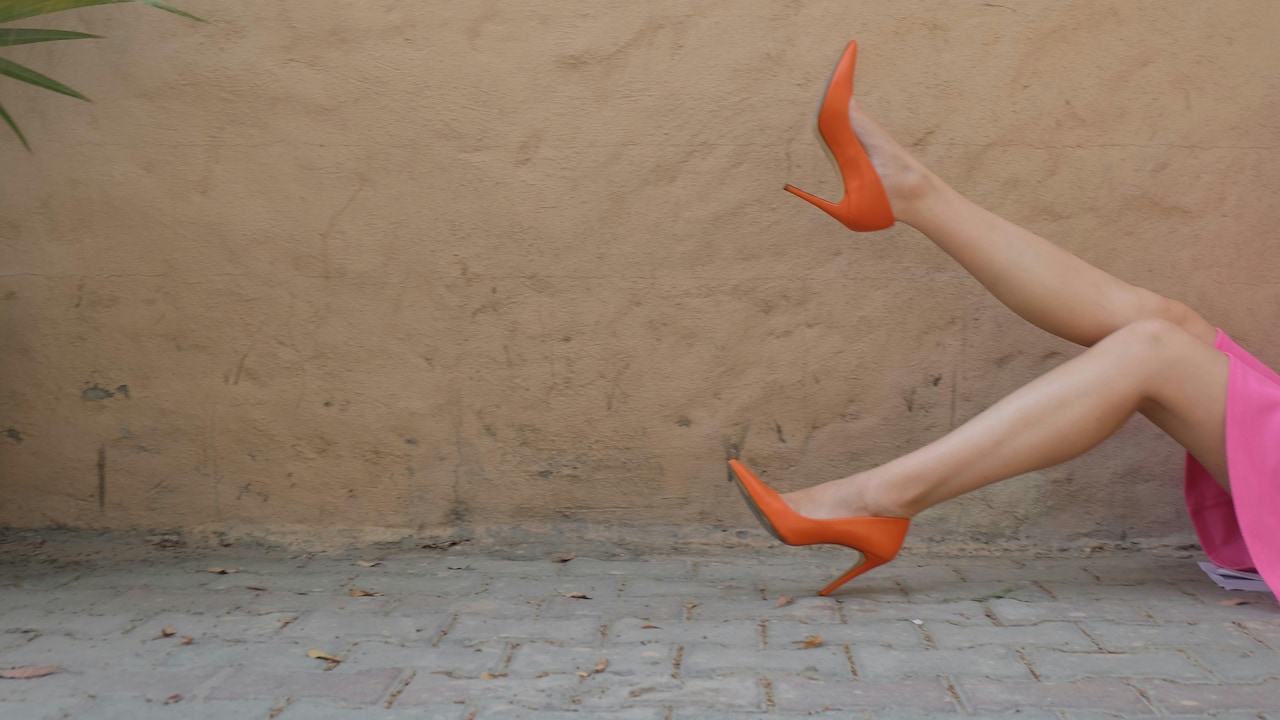
Pointed Heels Or Block Heels: Which Hurts Less And Why?; Photo Credit: Pexels
Health Implications Over Time
Long-term use of high, narrow heels can impact foot health. Regular pressure on the forefoot may contribute to bunions or chronic discomfort. Calf muscles may tighten due to prolonged elevation.
Pointed heels, especially high stilettos, increase these risks when worn frequently. The narrow toe box and thin heel amplify strain on joints and tendons.
Block heels distribute weight more evenly. Although they still elevate the heel, the broader base reduces extreme pressure points. This design lowers the risk of ankle twists and excessive forefoot stress.
Foot health often goes unnoticed until pain becomes persistent. Choosing shoes that support natural alignment can prevent future problems. For those who wear heels regularly, block heels usually offer a safer long-term option.
Weather And Surface Considerations
City roads, monsoon puddles, and uneven pavements demand practical footwear choices. Thin pointed heels struggle on cracked pavements and grassy lawns. They may sink into soft ground or slip on wet tiles.
Block heels handle such surfaces better. Their wider base offers better grip and balance. Walking across cobbled streets or outdoor venues feels less risky.
During rainy months, stability becomes even more important. A sudden slip can ruin more than just an outfit. Block heels provide more confidence on unpredictable surfaces.
For daily errands or outdoor functions, practical considerations often outweigh aesthetic ones. While pointed heels look elegant indoors, block heels adapt better to varied environments. In terms of terrain adaptability, block heels generally hurt less and perform better.
Personal Comfort And Foot Type
Every foot differs. Some have high arches. Others have wider forefeet. Comfort depends on individual structure as much as shoe design.
Those with narrow feet may tolerate pointed heels better. A well-fitted pair may feel surprisingly comfortable for short periods. However, wider feet often struggle in narrow toe boxes.
Block heels cater to a broader range of foot shapes. Their design allows more flexibility and space. Cushioning also varies by brand and material.
Trying shoes in the evening, when feet swell slightly, often gives a realistic sense of comfort. Walking around the shop for a few minutes reveals pressure points quickly.
Ultimately, personal comfort decides the winner. Yet for most people, block heels tend to cause less discomfort across different foot types. They provide a forgiving structure that adapts better to natural movement.
Products Related To This Article
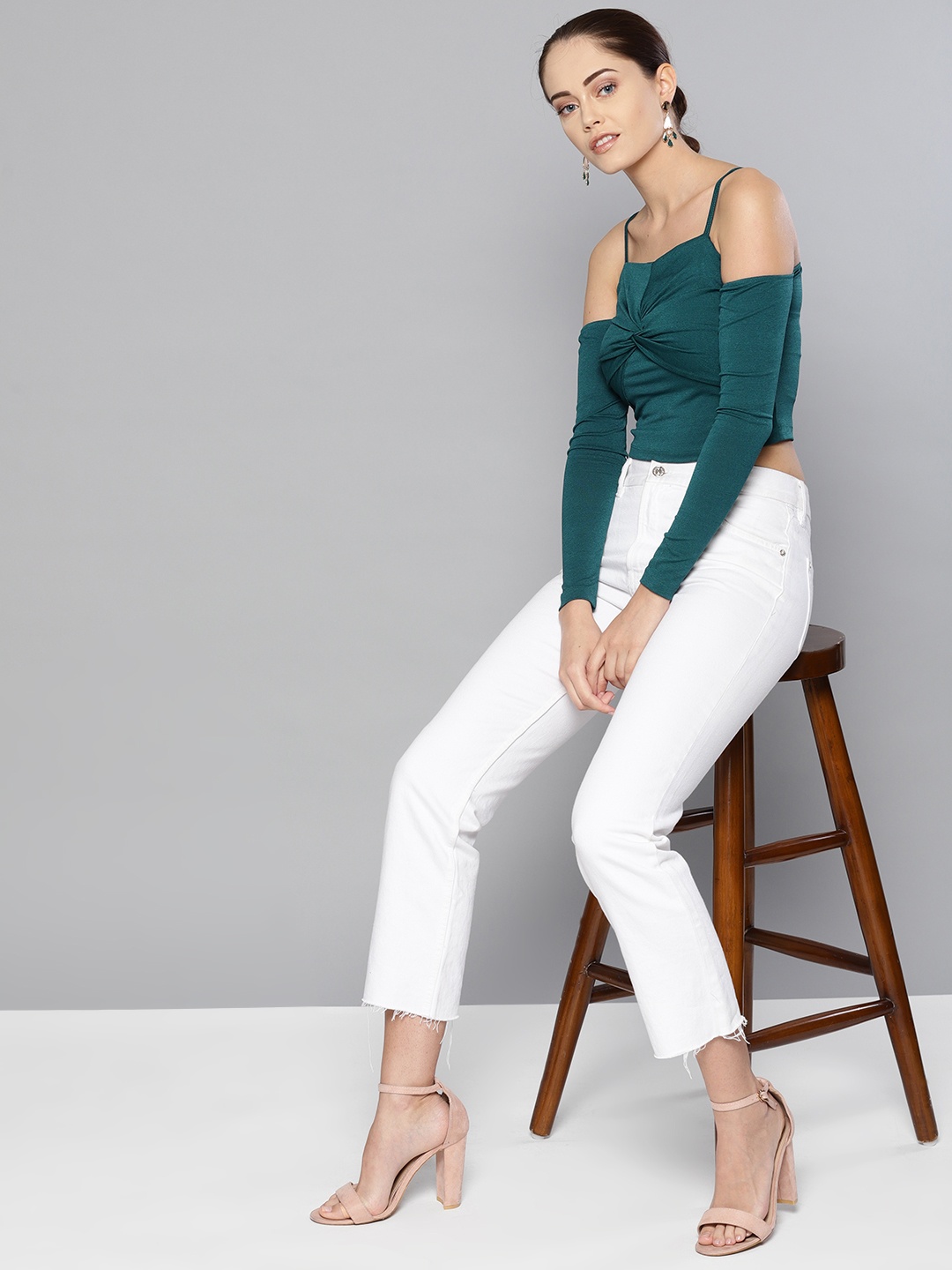
1. Dely Bely Women Heels
2. Mast Harbour Women Heels
3. Selfiee Women Heels
4. Rimboil Fashion Women Heels
5. Dressberry Women Heels
The debate between pointed heels and block heels continues because both offer undeniable charm. Pointed heels deliver elegance, sharpness, and a classic silhouette that elevates any outfit. They suit short events, formal gatherings, and moments when style takes centre stage.
Block heels, on the other hand, combine grace with practicality. They distribute weight more evenly, support balance, and reduce pressure on the toes. For long hours, busy schedules, and unpredictable surfaces, they usually cause less pain.
Comfort should never feel like a luxury. Spending ₹4,000 on a pair of heels should bring confidence, not regret halfway through the evening. Choosing wisely means considering posture, event duration, and personal foot structure.
So, which one hurts less? In most everyday scenarios, block heels claim the crown. Yet the perfect answer lies in thoughtful selection and honest listening to one's own feet. Style feels best when it walks hand in hand with comfort.
(Disclaimer: This article may include references to or features of products and services made available through affiliate marketing campaigns. NDTV Convergence Limited (“NDTV”) strives to maintain editorial independence while participating in such campaigns. NDTV does not assume responsibility for the performance or claims of any featured products or services.)