Polarised Sunglasses vs Non-Polarised: Which Ones Work Best To Protect Your Eyes?
Choosing between polarised and non-polarised sunglasses can be tough. There are plenty of options, but only one suits daily life. Let us break down everything from glare to comfort, style and value for money. Here's how you can choose between polarised sunglasses vs non-polarised.

Polarised vs Non-Polarised Sunglasses: What's Better for Eye Protection?
Polarised Sunglasses vs Non-Polarised: Sunglasses do more than add style to a summer outfit or help hide sleepy eyes during a Monday morning commute. They act as shields for the eyes, protecting them from harsh sunlight, dust, and the all-too-familiar traffic glare that hits every time a rickshaw driver decides to speed past. In a country where sunshine is generous most of the year, choosing the right eyewear is not just a fashion decision; it's a long-term investment in eye health.
Yet, the sunglasses rack can be confusing. On one side, there are sleek polarised glasses promising “glare protection,” and on the other, the regular non-polarised pairs often available at a tempting bargain. The question is simple: which of the two actually works better? The answer depends on where they'll be used, how long they'll last, and how comfortable they feel outdoors.
To make things easier, when it comes to polarised sunglasses vs non-polarised, here's a crisp, friendly, and practical comparison to help find the perfect pair.
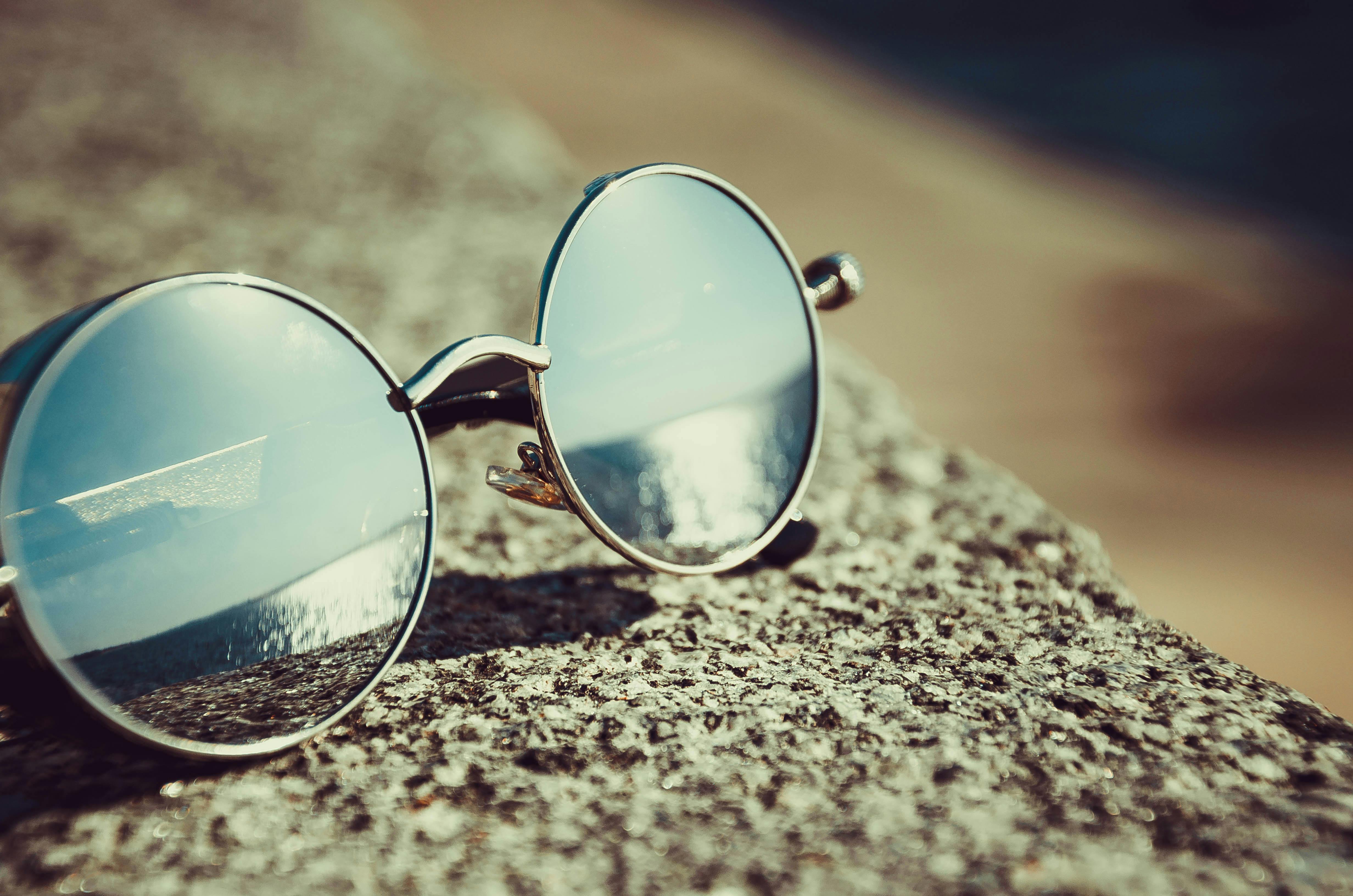
10 important things to know about polarised sunglasses vs non-polarised; Photo Credit: Pexels
Also Read: Sun Out, Shades On: Stylish Sunglasses For Every Look
How To Pick Between Polarised Sunglasses Vs Non-Polarised
1. What Really Makes Polarised Sunglasses Special?
Polarised sunglasses reduce glare by using a special filter that blocks intense reflected light from surfaces such as roads, water, cars, or even polished marble floors. Glare is not just annoying; it strains the eyes and makes it harder to see clearly. Polarised lenses solve that problem by allowing only useful light to pass through, creating a calm visual experience even on bright days.
Imagine travelling on a scooter under the afternoon sun. The road is shining like it just had an oil bath. Polarised lenses cut through that sharp reflection, letting the eyes relax. Everything looks sharper, colours appear more natural, and squinting becomes a thing of the past. For everyday outdoor use, especially during travel, polarised glasses can feel like switching from standard definition to high-definition vision.
The standout feature is clarity. Even though both types protect from UV rays, polarised sunglasses add comfort by reducing eye strain. This makes them ideal for long drives, beach visits, or daily commutes where the sun loves playing tricks with reflections.
2. How Do Non-Polarised Sunglasses Hold Up?
Non-polarised sunglasses block harmful UV rays, reduce brightness, and protect the eyes, but they do not eliminate glare from reflective surfaces. They create a dimming effect, which still helps on sunny days and provides decent eye protection at a lower price. They're great for everyday use where glare is not a constant problem.
Think of a casual evening stroll on Marine Drive or a late lunch under a shaded outdoor café. Non-polarised lenses handle the sunlight perfectly well. They reduce brightness enough to make the view comfortable, while keeping colours relatively normal. They're also available in more styles and price ranges, making them a popular option among youngsters and fashion lovers.
The only downside shows up during activities involving reflective surfaces, like driving at noon or sitting by a swimming pool. The glare may still irritate the eyes, even if the sunlight itself feels softer. For style, value, and basic protection, non-polarised sunglasses still deliver more than expected.
3. Eye Comfort: Which One Wins?
Continuous exposure to bright light can make the eyes tire faster. This is where polarised sunglasses shine. They help the eyes stay relaxed because they reduce both brightness and glare. Long road trips become easier, and tired eyes at sunset become far less common. This leads to better vision, fewer headaches, and a more soothing outdoor experience.
Non-polarised lenses still offer comfort, especially when they include UV protection. For short visits outdoors or activities not involving reflective light, the eyes stay stress-free. Many people use them comfortably to walk, shop, or enjoy a casual outing. However, in places with strong reflections, roads, beaches, building glass, lakes, they don't offer the same level of relief.
So, when glare is frequent, polarised lenses clearly win. They're the more relaxing option, acting like mini cushions for the eyes. But when style, budget, and simple sun protection are the priority, non-polarised sunglasses still offer good comfort without stretching the wallet.
4. Visibility and Colour Perception
Polarised lenses bring colours to life. Greens look greener, blues appear deeper, and everything feels crisp. This is because they filter out extra reflections, allowing only direct, meaningful light. Landscapes, sunsets, and even the everyday street view feel more pleasant. It's the kind of clarity that adds flavour to ordinary scenes.
Non-polarised sunglasses, on the other hand, reduce brightness without altering how colours appear. They don't make colours richer, but they don't distort them either. This makes them suitable for reading outside, using phones under the sun, or doing activities where true colour visibility matters.
However, polarised sunglasses can sometimes affect visibility through displays like digital screens, ATM machines, or some car dashboards. A slight rainbow-like pattern can appear, making screens harder to read. Non-polarised lenses don't have this issue, and they work smoothly in situations requiring frequent screen usage outdoors.
So, polarised lenses are great for scenic clarity, while non-polarised lenses offer practical colour neutrality.
5. Driving Experience: The Real Decider
Driving under harsh sunlight is a universal challenge, whether passing through dusty highways or crawling through bumper-to-bumper city traffic. Glare bouncing off the road or the bonnet of the car can make eyes squint and reduce reaction time, which affects safety.
Polarised sunglasses reduce this glare dramatically. Drivers can see the road more clearly, identify obstacles faster, and remain alert without constant eye strain. For anyone who spends long hours driving, cab drivers, delivery riders, or frequent travellers, polarised sunglasses feel like an essential tool, not just an accessory.
Non-polarised sunglasses still provide UV protection and reduce brightness, but they cannot block reflective glare. In peak sunlight, the vision may still feel washed out. For short drives or late-evening rides, they work fine. But for mid-day road conditions, the eyes benefit more from polarised lenses.
So if travel and driving are part of the daily grind, a polarised pair is worth the upgrade.

Drivig under sunligh is one of the biggest deciding factors; Photo Credit: Pexels
6. Fashion and Style: Does Function Affect Looks?
There's no denying it, style matters as much as protection. Sunglasses complete outfits, spark personality, and even help escape awkward eye contact at times. Both polarised and non-polarised options come in trendy shapes like aviators, clubmasters, cat-eye, rimless, and sporty models. The difference isn't in the style, it's in the availability across price ranges.
Non-polarised sunglasses are more common across street markets, malls, and online platforms. They cater to every budget, from ₹200 street finds to luxury brands worth ₹20,000. This makes them the go-to choice for fashion lovers who like experimenting with multiple pairs.
Polarised sunglasses are comparatively pricier, so most quality designs come from mid-range and premium collections. This doesn't mean they look less stylish, it only means choosing them requires a little more investment. For anyone who prefers one reliable, versatile, and premium-feeling pair, polarised eyewear offers both elegance and durability.
7. Durability and Longevity
Sunglasses last longer when made with strong frames and high-quality lenses. Polarised lenses typically use advanced coating layers, which often come in durable, scratch-resistant builds. This means they withstand daily wear better, especially for people always on the move or those who wear one pair every day.
Non-polarised sunglasses vary widely in quality. A pair bought from a street vendor for ₹150 may not survive the monsoon season or a fall from a motorbike seat. But branded non-polarised options can be just as durable as polarised ones. The difference lies in where they are purchased and how they are built, not whether they are polarised.
Investing ₹2,000–₹3,000 in a reliable branded non-polarised pair can offer impressive longevity. Meanwhile, a mid-range polarised pair brings both durability and comfort, making it a long-term investment rather than a recurring purchase.
8. Price and Value for Money
For many shoppers, price influences the final choice more than features. Non-polarised sunglasses often start from street-side prices under ₹200, and even branded options can begin under ₹1,000. This makes them appealing for those who like variety, different pairs for travel, office, and casual weekends.
Polarised sunglasses usually start around ₹1,200–₹1,500 for reliable brands and can go much higher with premium lenses and designer frames. While they may cost more upfront, they offer better comfort and clear vision, reducing eye strain in the long run.
Value for money depends on how the sunglasses are used. If outdoor activities, driving, or daily sunlight exposure are common, spending ₹1,500–₹3,000 on polarised glasses makes more sense. If sunglasses are worn occasionally or mainly as a fashion accessory, non-polarised ones offer excellent value without stretching the budget.
9. Safety for Eyes: UV Protection Matters Most
Regardless of style or price, sunglasses must protect from UV rays. UV-A and UV-B rays can quietly damage vision over the years, leading to eye diseases and discomfort. Both polarised and non-polarised sunglasses can provide UV protection, only when they are made with proper standards.
Cheap, tinted lenses without UV protection may reduce brightness but allow harmful rays in. This causes the pupils to dilate, letting more UV light enter the eye, which is worse than wearing no sunglasses at all. So, UV protection should always be checked before making a purchase, even if the price seems tempting.
The safest pair is one that includes certified UV protection, whether polarised or not. Comfort and clarity are secondary benefits. Eye health comes first.
10. Which One Should You Choose?
The final choice depends on lifestyle, usage, and budget. Polarised sunglasses offer unmatched comfort where glare is a constant companion, driving, beach vacations, highway trips, and everyday outdoor routines. They reduce strain, improve clarity, and create a soothing visual experience worth the extra money.
Non-polarised sunglasses shine for casual fashion, short outdoor use, or when budget is a priority. They provide UV protection and basic eye comfort without needing a substantial investment.
For many people, a single good polarised pair feels like a smart daily choice, while a stylish non-polarised pair works as a backup or occasional accessory. Balance style with protection, and the right sunglasses will feel less like an accessory and more like a trusted companion.
Products Related To This Article
1. Peter Jones Eyewear Unisex Oversized Sunglasses with Polarised Lens
2. MANGO Women Oversized Sunglasses
3. Vincent Chase by Lenskart Unisex Grey Lens & Gold-Toned Round Sunglasses with Polarised Lens
4. HRX by Hrithik Roshan Unisex Rectangle Sunglasses
5. HAUTE SAUCE Women Mirrored Lens Oversized Sunglasses with Polarised Lens
6. Carlton London Women Oversized Sunglasses
7. SPADEACES Unisex Rectangle Sunglasses Orange Black BL
Sunglasses do more than frame the face; they protect a vital sense that shapes every moment. Whether battling midday glare while riding through busy streets or relaxing under warm sunshine, comfort and safety should come first. Polarised sunglasses bring clarity and ease, especially for outdoor-heavy lifestyles. Non-polarised ones offer variety, affordability, and style flexibility.
In the end, the best sunglasses are not the most expensive or the trendiest; they are the ones that keep the eyes safe, comfortable, and ready to take on the bright world outside.
(Disclaimer: This article may include references to or features of products and services made available through affiliate marketing campaigns. NDTV Convergence Limited (“NDTV”) strives to maintain editorial independence while participating in such campaigns. NDTV does not assume responsibility for the performance or claims of any featured products or services.)