10 Fit Problems That Make Trainers Feel Fine In The Morning But Too Tight Later
Trainers that fit perfectly at breakfast can feel painfully snug by evening. From foot swelling and narrow toe boxes to tight lacing and the wrong socks, these 10 fit problems explain why comfort can disappear as the day goes on.
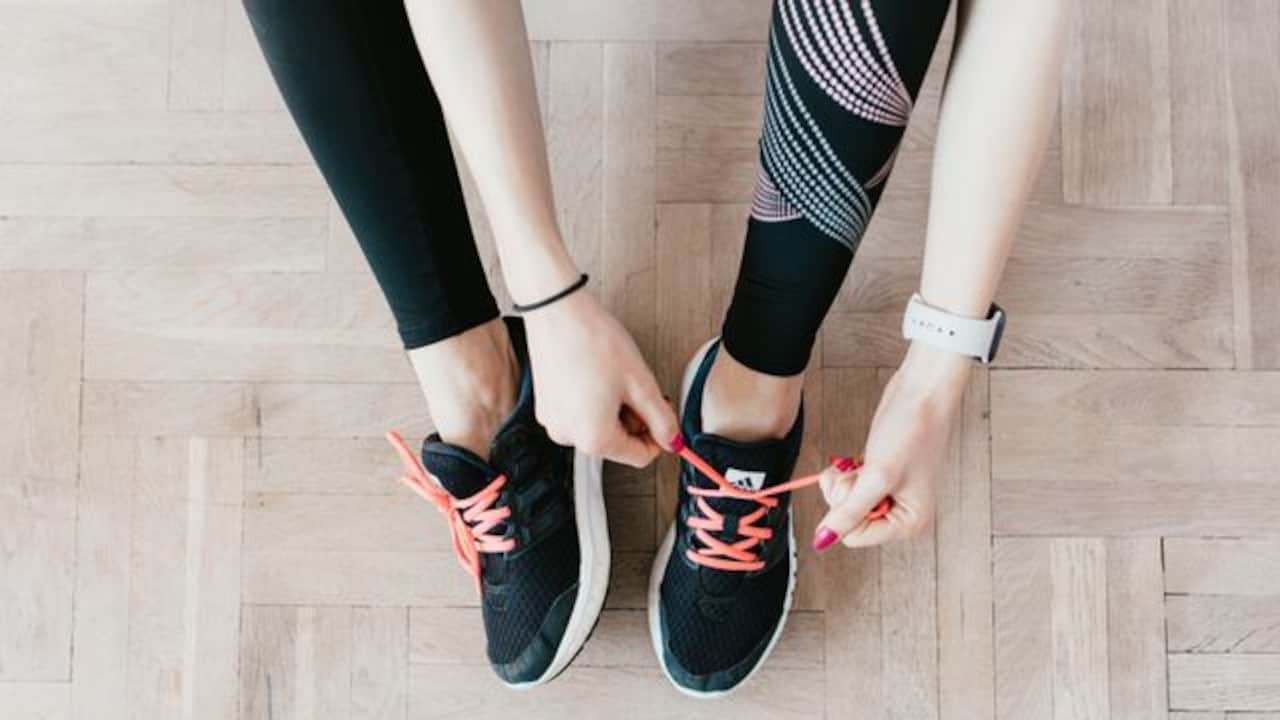
Common reasons for trainers that feel uncomfortable by evening
A pair of trainers can seem absolutely perfect at 8 am. There's room around the toes, the heel sits comfortably and nothing feels remotely troublesome. Fast-forward to an evening commute, a supermarket run or a long day spent moving between meetings, and the same shoes may suddenly feel half a size too small. Toes start pressing against the front. The sides feel restrictive. Even loosening the laces might offer only temporary relief.
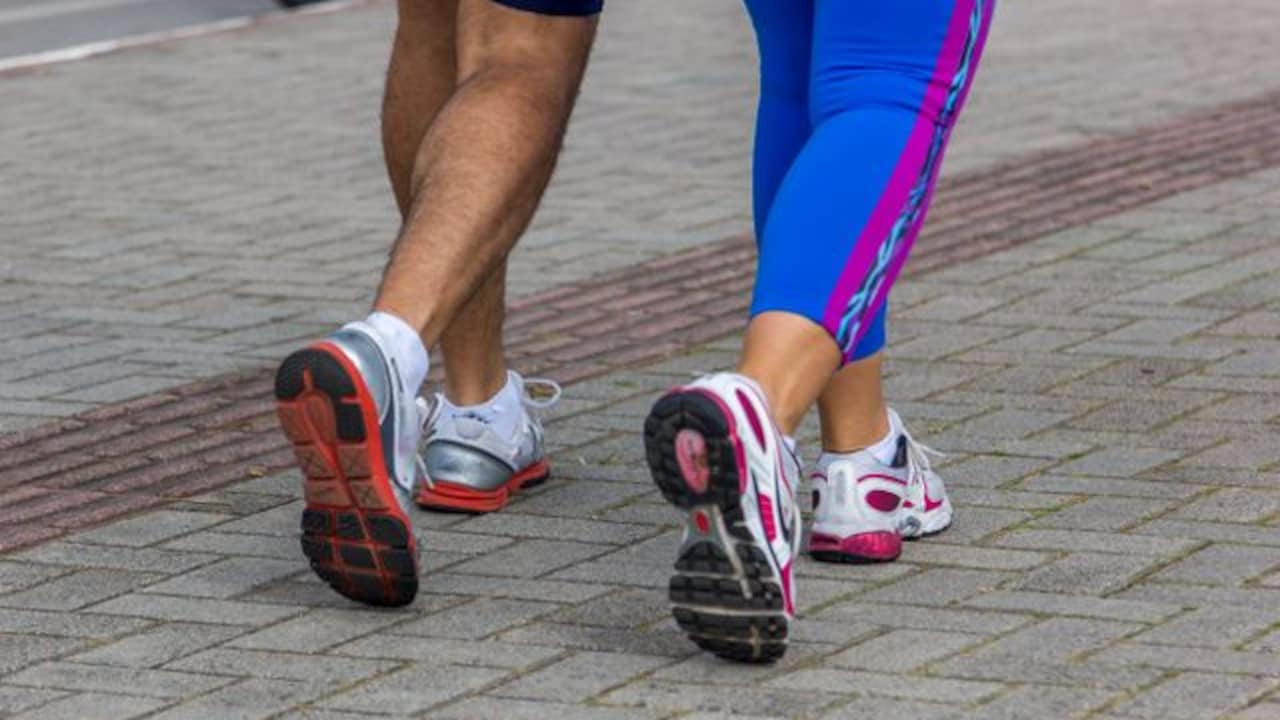
Why do some trainers feel tight after a few hours
Photo Credit: Pexels
That change isn't necessarily imagination, and it doesn't always mean the trainers are badly made. Feet aren't fixed-size objects. Their volume can change through the day as we stand, walk, sit, exercise and deal with heat. Add a shoe that's slightly too narrow, poorly shaped or aggressively laced, and a minor morning fit issue can become painfully obvious several hours later.
Also Read: Types Of Footwear For Indian Outfits In Summer
So, when trainers repeatedly go from comfortable to cramped before the day ends, it's worth looking beyond the number printed on the size label. These 10 common fit problems may explain what's really happening.
Why Trainers Get Tighter As The Day Goes On
1. The Shoes Leave No Room For Normal Foot Swelling
One of the easiest mistakes is judging trainer fit only by how snug the shoes feel first thing in the morning. Feet can become slightly fuller as the day progresses, particularly after prolonged standing or walking. Warm weather can make that change even more noticeable.
A trainer that already fits closely at breakfast therefore has little spare capacity when the foot expands later. What initially feels like a reassuring, secure fit can turn into pressure across the forefoot, toes and upper.
The problem often appears in pairs that were bought with virtually no wiggle room. The toes may technically fit without touching the front, yet there's little allowance for movement or changing foot volume.
A better fit shouldn't require the foot to remain exactly the same size all day. Trainers need enough space to accommodate natural changes without becoming sloppy.
This is also why trying shoes later in the day can reveal problems that an early-morning fitting misses. A little breathing room isn't wasted space. It's what allows the shoe to remain comfortable after several hours on your feet.
2. The Toe Box Is Too Narrow For The Shape Of Your Foot
Shoe size tells only part of the story. Two trainers marked with the same size can feel completely different because their toe boxes have different widths and shapes.
Some designs taper sharply towards the front. They may look sleek, but they can push the toes closer together. In the morning, that pressure may barely register. Once the foot becomes warmer and slightly fuller, however, the little toe can start rubbing against the side while the big toe feels squeezed inward.
People with broader forefeet often experience this even when the shoe length seems correct. Going up a full size sometimes creates another problem: extra space at the heel without solving the shape mismatch properly.
Instead, look at the outline of the trainer. A foot that naturally spreads across the forefoot usually needs a shoe with a correspondingly generous front section.
Your toes shouldn't have to negotiate for space by lunchtime. They should be able to sit naturally, with enough room to move without constantly hitting the upper or pressing into neighbouring toes.
3. The Trainers Are The Right Length But The Wrong Width
There's a familiar shoe-shopping ritual: place the foot inside, check whether the toes hit the front and declare victory if they don't. Unfortunately, length alone can't confirm a good fit.
A trainer may have perfectly adequate length while still being too narrow through the midfoot or forefoot. The pressure may initially seem manageable because soft tissues compress slightly inside the shoe. Several hours later, that tolerance disappears.
Watch for pressure along both sides of the foot rather than only around the toes. If the upper visibly bulges outward, the foot spills over the edge of the sole or the laces need to remain unusually loose, width could be the real culprit.
This matters because repeatedly sizing up for extra width isn't always an ideal solution. A longer shoe may allow the heel to slide while leaving the actual width problem largely unresolved.
Where available, trying a wider fitting can make a dramatic difference. A shoe should follow the general shape of the foot instead of asking the foot to reshape itself every time the laces are tied.
4. The Laces Are Tightening The Shoe Across The Wrong Area
Sometimes the trainer itself fits reasonably well, but the lacing turns it into a pressure chamber.
Pulling every section of the laces equally tight can compress the top of the foot, particularly once foot volume increases later in the day. The discomfort may appear as pressure, tingling or an irresistible urge to loosen the shoes under the desk.
The instinct is often to tighten trainers firmly in the morning so the heel doesn't move. Unfortunately, that can place unnecessary pressure across the midfoot. The shoe feels secure initially but becomes far less forgiving after hours of wear.
Try adjusting tension by area instead. The lower sections near the toes don't always need to be pulled tight. Keeping them slightly more relaxed can create useful expansion space while still allowing a secure fit closer to the ankle.
Different lacing patterns can also help accommodate high insteps or sensitive pressure points.
Think of laces as a fitting tool rather than simply a method of keeping shoes on. Small adjustments can change how pressure gets distributed across the entire foot.
5. Your Socks Are Taking Up More Space Than Expected
Socks seem too thin to influence shoe fit much, but inside an already snug trainer, a few millimetres can matter surprisingly quickly.
A shoe tried on with lightweight ankle socks may feel completely different when worn with cushioned sports socks. Thicker fabric takes up internal space around the heel, sides and forefoot, leaving less room for the foot as it expands during the day.
Moisture adds another complication. After hours of walking or during hot weather, socks can retain sweat and feel heavier or more restrictive. Combined with a close-fitting trainer, that can make the shoe feel progressively tighter.
This doesn't mean everyone needs ultra-thin socks. Cushioning can improve comfort, particularly for longer walks or exercise. The important point is consistency.
Try trainers with the type of socks you'll actually wear most often. If the shoes are intended for gym sessions, test them with your usual training socks rather than whatever happens to be on your feet in the shop.
The perfect trainer-and-sock combination should work together. Neither should steal all the available breathing room from the other.
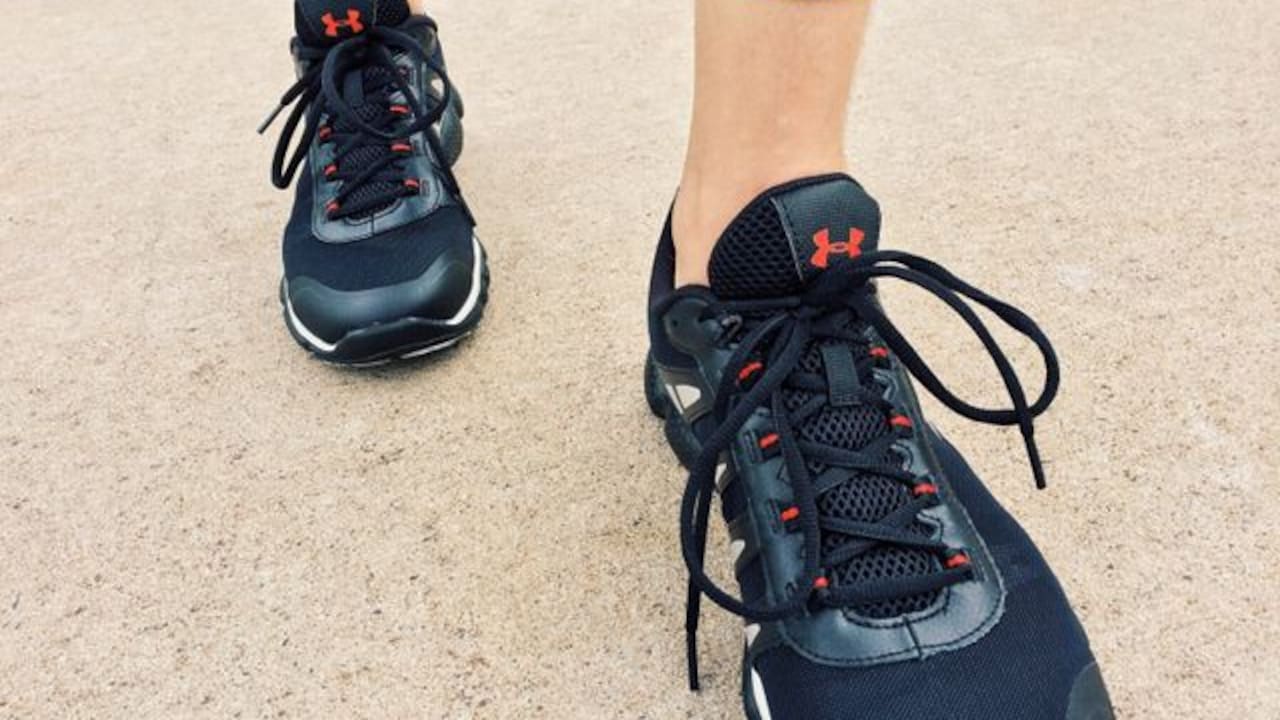
The type of shoes you wear inside shoes can also affect the overall comfort level
Photo Credit: Pexels
6. The Upper Material Does Not Give Enough
Not every trainer upper responds to the foot in the same way. Some knitted and mesh constructions offer noticeable flexibility, while firmer synthetic panels can hold their shape much more rigidly.
That difference becomes important when feet expand.
A stiff upper may feel pleasantly supportive during the first hour. Later, the same structure can press against the sides or top of the foot because it has very little capacity to accommodate additional volume.
The common assumption that trainers will simply “stretch out” can also lead to uncomfortable purchases. Some materials soften slightly with wear, but that doesn't mean a noticeably narrow shoe will magically become wide enough. Reinforced overlays, protective panels and structured synthetic sections may change very little.
Pay attention to where the pressure occurs. If one firm panel repeatedly pushes against the same part of the foot, breaking the shoes in may not solve the underlying shape problem.
Breaking in should mean the trainer gradually feels more familiar, not surviving several weeks of sore feet while waiting for an unlikely transformation.
7. The Insole Is Making The Interior Shallower
Replacing a trainer's standard insole can improve cushioning or support, but thicker insoles also reduce the amount of usable space inside the shoe.
That can create a strange situation. The trainer fits well when first purchased, yet suddenly feels much tighter after adding a cushioned, gel or supportive insert.
The extra thickness raises the foot higher within the upper. As a result, pressure can increase across the toes, instep and sides. Once the foot swells later in the day, the limited vertical space becomes even more obvious.
The same issue can occur with the manufacturer's original insole if it has unusually thick cushioning.
Check whether your toes feel compressed from above rather than simply squeezed from the sides. Also notice whether the heel sits higher than expected or starts rubbing around the collar after an insole change.
More cushioning doesn't automatically mean more comfort. The insole and shoe need enough internal volume to work together. Otherwise, that luxurious extra padding can quietly become the reason your trainers feel several sizes smaller by evening.
8. Your Feet Slide Forward As The Day Goes On
Not every cramped-toe problem comes from a shoe that's too short. Sometimes the foot is gradually moving forwards inside it.
This often happens when the heel isn't secure enough or the shoe has excess internal length. Walking creates repeated forward movement, eventually pushing the toes towards the front of the trainer. A downhill walk can make the effect especially noticeable.
By evening, the toes may feel crushed despite having plenty of space when the shoes were first put on.
The solution isn't necessarily a bigger trainer. In fact, adding more length could make the sliding worse. Check whether the heel lifts excessively while walking and whether the foot feels properly anchored around the rear and midfoot.
Adjusting the lacing near the ankle can sometimes improve heel security without overtightening the forefoot.
A well-fitted shoe should allow a little functional space ahead of the toes while keeping the foot from repeatedly travelling into it. Otherwise, that lovely bit of morning toe room slowly disappears with every step.
9. Heat Is Making An Already Close Fit Feel Worse
A shoe that behaves perfectly in cool conditions may become considerably less comfortable during a hot afternoon.
Heat can make feet feel fuller, warmer and more sensitive to pressure. Add several hours inside an enclosed trainer and suddenly every snug section becomes much harder to ignore.
Breathability matters here. A heavily padded or poorly ventilated trainer can trap heat around the foot, especially during long commutes, outdoor errands or exercise. Even if the shoe technically fits, the warm, enclosed environment can make close contact feel restrictive.
This is one reason a pair bought during cooler weather may seem surprisingly tight once temperatures rise.
Look for breathable materials if trainers will be worn for long periods in warm conditions. Sock choice matters too, as does giving feet occasional breaks when practical.
Most importantly, don't dismiss seasonal tightness as something that simply has to be tolerated. If a shoe only feels comfortable when the foot stays cool and completely unswollen, the original fit may already be too close for all-day wear.
10. Both Feet Aren't Exactly The Same Size
Here's the slightly inconvenient truth shoe boxes rarely mention: your two feet may not be identical.
Small differences in length, width or overall volume are extremely common. One trainer may therefore remain comfortable all day while the other gradually begins pinching.
The difference can be subtle enough to escape notice during a quick morning fitting. After hours of standing and walking, however, the slightly larger foot may press noticeably against the upper or toe box.
Pay attention when discomfort consistently occurs on the same side. That pattern can reveal more than simply thinking, “These shoes run small.”
When choosing trainers, fit the larger foot rather than forcing it into the size preferred by the smaller one. The slightly smaller foot can often be accommodated through sensible lacing or minor adjustments more easily than a cramped larger foot can.
Also, try both shoes properly before deciding. Walking around in one display shoe for 30 seconds tells only half the story. Feet may be a pair, but they don't always follow identical measurements.
Products Related To This Article
1. STYTCHIC Men Colourblocked Sneakers
2. HRX by Hrithik Roshan Unisex Solid Sneakers
3. INVERSION Men Sneakers
4. HRX by Hrithik Roshan Unisex Colourblocked Synthetic Sneakers
5. Mast & Harbour Men Sneakers
6. Sparx Women SPARX Sneakers
7. ASIAN Men Colourblocked Sneakers
Trainers that become tight by evening aren't necessarily shrinking while you wear them. More often, natural changes in foot volume expose a fit problem that was already sitting quietly in the background.
Width, toe-box shape, lacing, socks, insoles and even the upper material can all turn a comfortable morning fit into an uncomfortable afternoon one. The goal isn't simply finding trainers that feel good for five minutes in front of a mirror. It's finding a pair with enough room and the right shape to stay comfortable after the day has properly begun.
(Disclaimer: This article may include references to or features of products and services made available through affiliate marketing campaigns. NDTV Convergence Limited (“NDTV”) strives to maintain editorial independence while participating in such campaigns. NDTV does not assume responsibility for the performance or claims of any featured products or services.)