How To Stop A Satin Saree From Sliding At The Waist And Pleats: 10 Draping Fixes That Help
A slippery satin saree can loosen at the waist and leave pleats out of place. These 10 simple draping fixes help secure the tuck, control the pleats and keep the saree neat and comfortable for hours.
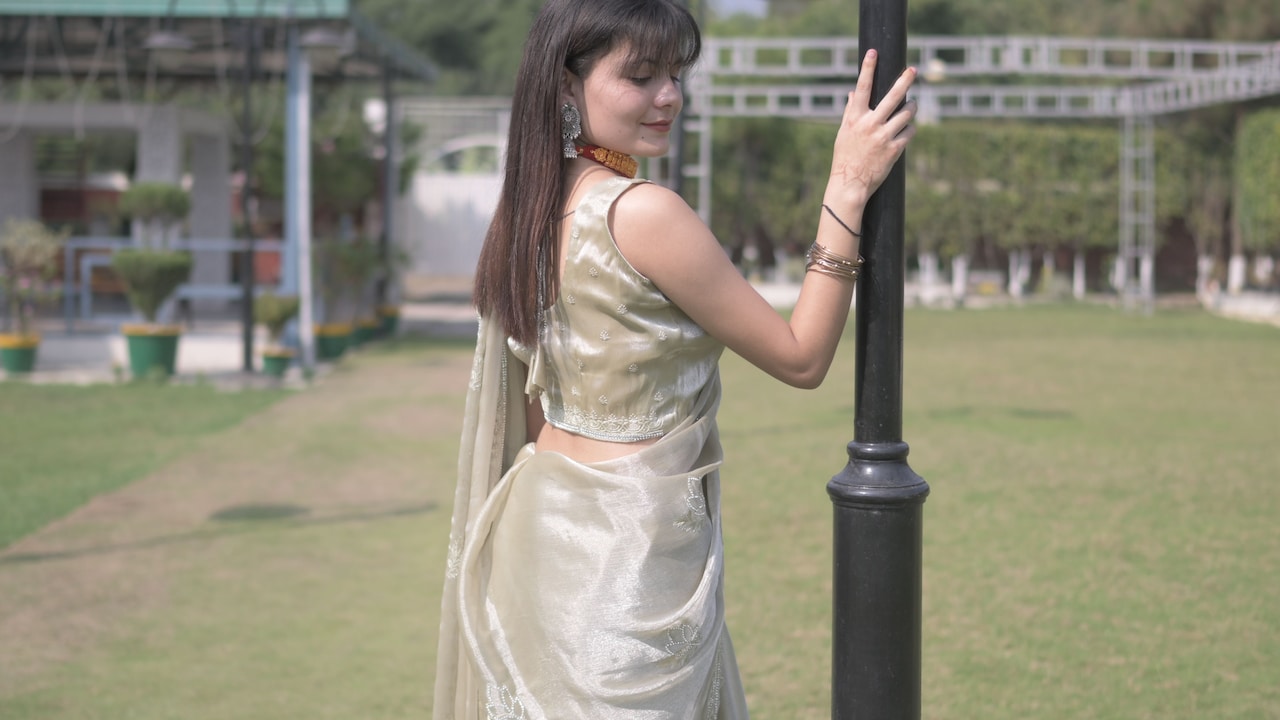
Satin Saree Slipping At The Waist? Try These 10 Draping Tips
Satin has a certain main-character energy. It catches the light beautifully, moves with every step, and makes even a simple saree look ready for a wedding reception, festive dinner, or glamorous evening celebration. Then comes the less photogenic part. One minute the pleats sit crisp and elegant. Half an hour later, they have started spreading near the ankles. The waist tuck feels suspiciously loose, and every trip to the dance floor comes with a silent prayer that the saree stays exactly where it belongs. The trouble lies in satin's surface. Unlike cotton or linen, which naturally grip against a petticoat, satin slides easily over smooth fabrics. A loose underskirt, shallow tuck, or bulky set of pleats can make the problem worse. The good news is that satin does not need to become a wardrobe risk. Small changes made before and during draping can create far more stability. The aim is not to pin every centimetre into submission. It is to build support at the right places while allowing the fabric to retain its soft, fluid look. Here are ten fixes worth trying before the next satin-saree outing.

Satin Saree Slipping At The Waist? Try These 10 Draping Tips; Photo Credit: Pexels
10 Simple Draping Fixes To Keep A Satin Saree Secure
1. Choose A Petticoat That Creates Some Grip
The petticoat does more work than most people give it credit for. With satin, its fabric can decide whether the saree remains secure or slowly slips throughout the evening.
Avoid an underskirt made from shiny satin, silk-like polyester or any similarly slick material. Two slippery surfaces rubbing against each other offer very little resistance. The saree may begin shifting at the waist even when the initial tuck feels firm.
A cotton or cotton-blend petticoat usually works better because its slightly textured surface gives the saree something to hold onto. A well-fitted shapewear-style saree underskirt can also work, provided its outer surface is not excessively smooth.
Fit matters just as much as fabric. The waistband should feel snug without digging into the skin. If the petticoat rotates when you walk, the saree will happily rotate along with it.
Think of the petticoat as the foundation of the drape. Nobody notices it once the saree is on, yet a shaky foundation can turn an elegant evening into two hours of discreetly checking the waist in every available mirror.
Also Read: Daily Drape Delights: Top 5 Premium-Look Sarees Under ₹1500 Perfect for Everyday Chic
2. Tie The Petticoat Firmly At The Natural Waist
A slippery saree often gets blamed when the real culprit sits underneath it: a loosely tied petticoat.
Before draping, secure the petticoat around the natural waist rather than letting it sit too low on the hips. Satin carries a little weight, especially when the saree has embroidery, sequins or a heavy border. That weight can gradually pull a loosely secured underskirt downwards.
If the petticoat uses a drawstring, tie a firm double knot. It should stay in place when you bend, sit or walk, but it should never feel painfully tight. Comfort still matters. Nobody wants to spend a four-hour function wondering whether breathing normally counts as a luxury.
After tying it, move around for a minute. Sit down, stand up and twist gently from side to side. If the waistband shifts during this test, tighten or reposition it before starting the saree drape.
This tiny preparation saves plenty of adjustment later. Once five or six satin pleats, a pallu and a decorative border are hanging from the waistband, fixing a loose petticoat becomes considerably more complicated.
3. Start With A Deeper First Tuck
The first tuck sets the tone for the entire drape. With satin, a shallow tuck often looks perfectly acceptable at first, but repeated walking can gradually work the fabric loose.
Instead of pushing only an inch or two of fabric into the waistband, create a slightly deeper tuck around the starting section. The exact depth depends on the wearer's height and the saree, but enough fabric should sit inside the waistband to resist gentle pulling.
Do not stuff excessive material into one spot. That creates an uncomfortable lump and can make the waistline look uneven. The goal is secure contact, not bulk.
As you make the first round around the body, maintain consistent tension. Satin should sit close to the waist, but pulling it too tightly can distort the fall and make sitting uncomfortable. Too loose, and the whole drape gains unnecessary movement.
A useful test is simple: once the first round is tucked, gently tug the saree down near the hip. If the tucked edge immediately begins emerging, it needs more depth or a firmer waistband before the pleats are formed.

Satin Saree Slipping At The Waist? Try These 10 Draping Tips; Photo Credit: Pexels
4. Add One Hidden Safety Pin At The Waist
Safety pins sometimes get treated like an admission of draping defeat. In reality, one thoughtfully placed pin can do more than six randomly added ones.
After completing the first waist round, use a small safety pin to secure the tucked satin to the petticoat near one side of the waist. Place it where the pleats or pallu will later conceal it.
The pin should catch enough fabric to create support without pulling the saree into a visible bunch. Make sure the sharp point remains fully enclosed, especially if the saree fabric is delicate. Thin satin can snag when handled roughly.
This hidden anchor works particularly well during long functions where there will be plenty of walking, sitting and possibly enthusiastic dancing once the DJ finally plays the song everyone has been requesting.
Avoid fixing the pin directly through an embroidered motif, sequin cluster or decorative threadwork. Choose a plain section whenever possible.
One reliable waist pin creates a fixed point around which the rest of the drape can settle naturally. It offers security without turning the waistband into something resembling a stationery drawer.
5. Make Narrower, More Even Pleats
Wide pleats may seem quicker to arrange, but satin often behaves better when the pleats are narrower and more consistent.
Because the fabric is smooth, thick pleat bundles tend to fan out. The top may look neat while the lower sections gradually separate, especially during walking. Narrower pleats create less bulk at the waist and usually fall in a cleaner vertical line.
Take a little extra time while folding them. Match each pleat to roughly the same width and smooth the satin between the fingers before adding the next fold. Uneven layers create uneven weight, which encourages the pleat stack to twist.
Once the pleats are formed, hold them together and check the bottom edge. They should fall relatively evenly rather than forming a staircase near the feet.
Do not chase mathematical perfection. Saree draping is not an engineering exam. The aim is simply to create enough uniformity for the fabric to behave predictably.
When satin pleats sit evenly, they also photograph better. Instead of forming a bulky mound at the waist, they create the long, uninterrupted lines that make satin look especially graceful.
6. Pin The Pleats Before Tucking Them In
Trying to tuck loose satin pleats one by one can feel like negotiating with ten extremely slippery ribbons.
A much easier method is to form the full pleat stack first and pin the layers together near the top. This keeps each fold aligned while the bundle is being tucked into the waistband.
Use a small or medium safety pin and place it horizontally through the upper section of the pleats. Keep the pin slightly below the final waistline so it remains hidden once the bundle is tucked in.
Some wearers also add a second temporary pin lower down while arranging the saree. This can stop the pleats from opening before the drape is complete. The lower pin should be removed before leaving home unless its position remains invisible and comfortable.
Once pinned, straighten the pleats, check their length and then tuck the entire bundle securely into the petticoat.
This method reduces fiddling enormously. More importantly, it prevents one runaway pleat from escaping while the others stay neatly in place. Satin may still be slippery, but at least all the pleats are now slipping together nowhere.
7. Secure The Pleat Bundle To The Petticoat
Pinning the pleats to each other is useful. Pinning the finished bundle to the petticoat adds another level of security.
Once the pleats sit at the centre or slightly off-centre, depending on the chosen drape, insert them firmly into the waistband. Then use a concealed safety pin to connect the top of the pleat bundle directly to the petticoat.
The pin should sit horizontally rather than vertically. This spreads the pull across a wider section and can reduce strain on one tiny point of the satin.
Do not place the pin too close to the saree's edge. A heavy satin saree can tug at that spot throughout the day, particularly when walking upstairs or getting in and out of a car.
After securing the bundle, gently fan the pleats below the waist and straighten each fold. The lower half should move freely even though the upper section stays anchored.
This hidden pin is especially useful for receptions, festive parties, and long ceremonies where constant readjustment is simply not practical. Once secured correctly, the pleats can survive everything from buffet queues to group photographs involving eighteen relatives and three conflicting directions.

Satin Saree Slipping At The Waist? Try These 10 Draping Tips; Photo Credit: Pexels
8. Use Fashion Tape For Extra Waist Security
Fashion tape can become a remarkably useful ally when satin refuses to cooperate.
Double-sided clothing tape works best for small areas where extra grip is needed, particularly near the waist or blouse line. A short strip between the petticoat and saree can help stop the fabric from shifting without adding another visible safety pin.
Apply the tape only to clean, dry fabric. Oils, moisturiser or perspiration can weaken the adhesive. It is also sensible to test the tape on a hidden section first, especially with expensive or delicate satin. Certain adhesives may leave marks or react differently depending on the fabric finish.
Fashion tape works as reinforcement rather than the main support system. The petticoat, tucks and pins should still carry most of the saree's weight.
Avoid using long strips around the entire waist. That can make the drape feel stiff and unnatural. A few small, strategic pieces usually work better.
It is the sort of quiet styling trick nobody notices, which is exactly the point. The saree appears beautifully effortless while a tiny strip of tape is doing surprisingly serious work behind the scenes.
9. Control The Pallu Weight
Sometimes the pleats are perfectly secure, yet the saree still seems to pull backwards or sideways. The pallu may be responsible.
A heavily embellished pallu creates considerable weight over one shoulder. If it hangs too long or remains completely unsecured, that weight can tug at the waist tuck and gradually disturb the front pleats.
Adjust the pallu length before finalising the drape. It should fall elegantly without creating unnecessary drag. If the border contains heavy embroidery, pin the pallu securely to the blouse at the shoulder.
For extra stability, catch only a few inner layers with the shoulder pin rather than crushing the entire pallu into a thick bundle. This keeps the front looking soft while transferring some weight to the blouse instead of the waist.
Another useful trick is to check the saree after pinning the pallu. If the front pleats suddenly rise or twist, the shoulder section is pulling too tightly. Release a little fabric and try again.
The ideal drape distributes weight rather than concentrating it in one place. Satin looks most effortless when no single section is fighting to carry the rest.
10. Do A Movement Test Before Leaving Home
A saree can look flawless while standing still in front of a mirror and reveal every weakness the moment real life begins.
Before stepping out, spend a few minutes moving naturally. Walk across the room, sit on a chair, climb a few stairs if available, bend slightly and raise both arms. These movements quickly expose loose tucks, twisting pleats and an over-tight pallu.
Pay particular attention to the waist after sitting down. Satin can slide upwards or loosen when the body bends, especially if the pleat bundle is bulky. If anything shifts significantly during this short test, fix it while safety pins, mirrors and patience are still within reach.
Check the saree length as well. Pleats that brush the floor may get stepped on, and one accidental foot on a satin hem can pull hard against the waistband.
A movement test may feel unnecessary when everyone else is already calling from downstairs. Still, two extra minutes at home can prevent twenty bathroom-mirror adjustments later.
The best drape is not merely one that looks beautiful while posing. It should survive conversations, dinner, dancing and the inevitable rush towards the dessert counter.
Products Related To This Article
1. All About You Embroidered Satin Saree
2. RACHNA Striped Satin Saree
3. Mitera Beige & Black Abstract Printed Satin Saree
4. Cloth Collective Embroidered Satin Mysore Silk Saree
5. DHANLAXMI SAREES Ethnic Motifs Zari Satin Patola Saree
6. Anouk Embellished Embroidered Satin Heavy Work Saree
7. Akshmi Creation Embroidered Satin Saree
A satin saree does not need to spend the evening plotting an escape from the waist. Its slippery texture simply requires a little more structure than fabrics with natural grip.
Start with a snug, textured petticoat and a deeper first tuck. Keep the pleats narrow, even, and properly anchored. Use a small number of well-placed safety pins instead of pinning every fold in sight. Fashion tape can offer discreet extra support, while careful pallu placement prevents unnecessary pulling from the shoulder.
Most importantly, test the drape while moving before leaving home. A saree that survives sitting, walking, and a few hurried steps indoors has a far better chance of staying elegant through a long celebration.
Satin will always have a little drama. That is part of its charm. With the right draping tricks, however, the drama can stay in the shimmer and photographs rather than at the waistband.
(Disclaimer: This article may include references to or features of products and services made available through affiliate marketing campaigns. NDTV Convergence Limited (“NDTV”) strives to maintain editorial independence while participating in such campaigns. NDTV does not assume responsibility for the performance or claims of any featured products or services.)