10 Reasons Kolhapuri Chappals Turn Dark Or Stiff After Getting Wet And How To Restore Them
Wet Kolhapuri chappals can turn dark, stiff or misshapen as leather absorbs moisture and loses natural oils. Here are 10 common causes and practical ways to restore their softness, colour and shape.
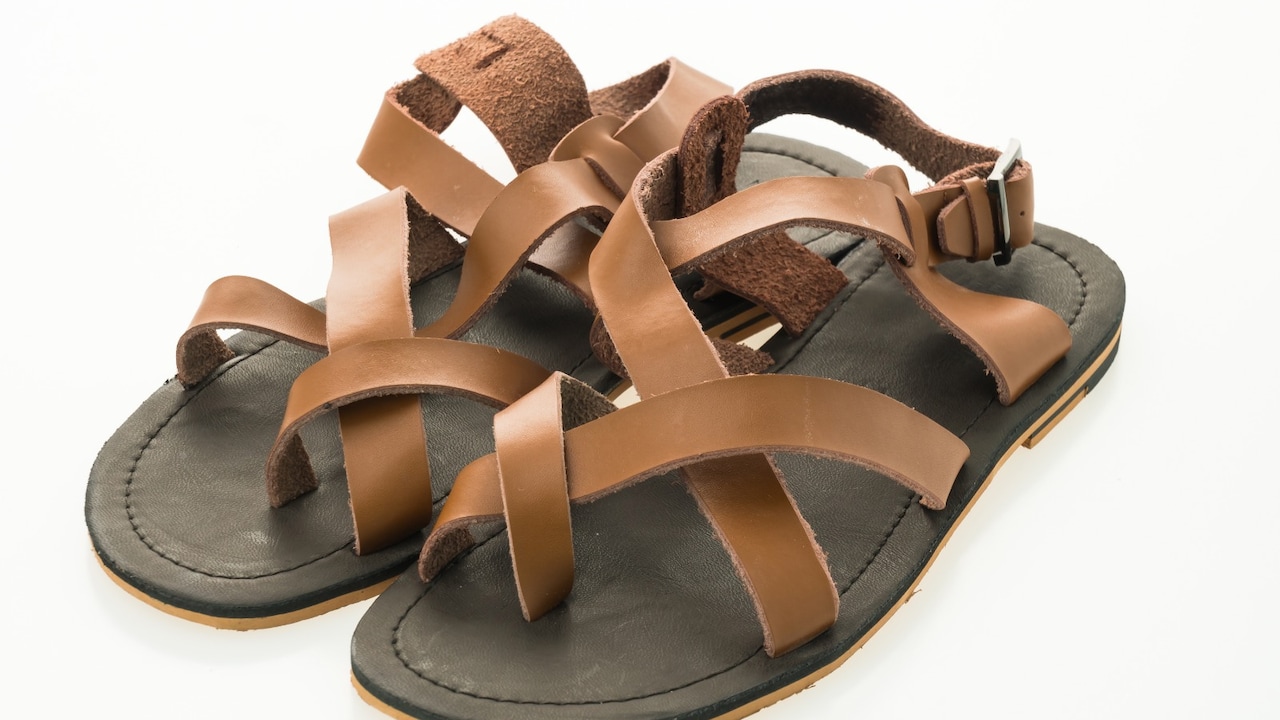
Why Kolhapuri Chappals Turn Dark Or Stiff After Getting Wet: 10 Reasons And Fixes
Kolhapuri chappals have a personality of their own. A well-worn pair slowly moulds to the feet, develops a rich patina and somehow manages to look equally at home with a kurta, cotton sari, jeans or festive wear. That comfort, however, comes with one small catch: traditional leather does not particularly enjoy an unexpected meeting with rainwater. One quick dash across a wet street can change the appearance of the footwear. The leather may become noticeably darker. Straps that once felt supple can turn stiff overnight. The sole might curl slightly, while certain areas may develop water marks or rough patches. That does not automatically mean the chappals are ruined. Leather is a natural material. It absorbs moisture, loses oils, and changes shape depending on how it dries. The way the footwear is handled in the first few hours after getting wet often makes a bigger difference than the rain itself. A little patience and sensible care can rescue many pairs that initially look beyond saving. Here are the ten most common reasons Kolhapuri chappals turn dark or stiff after getting wet, and what can be done about each one.
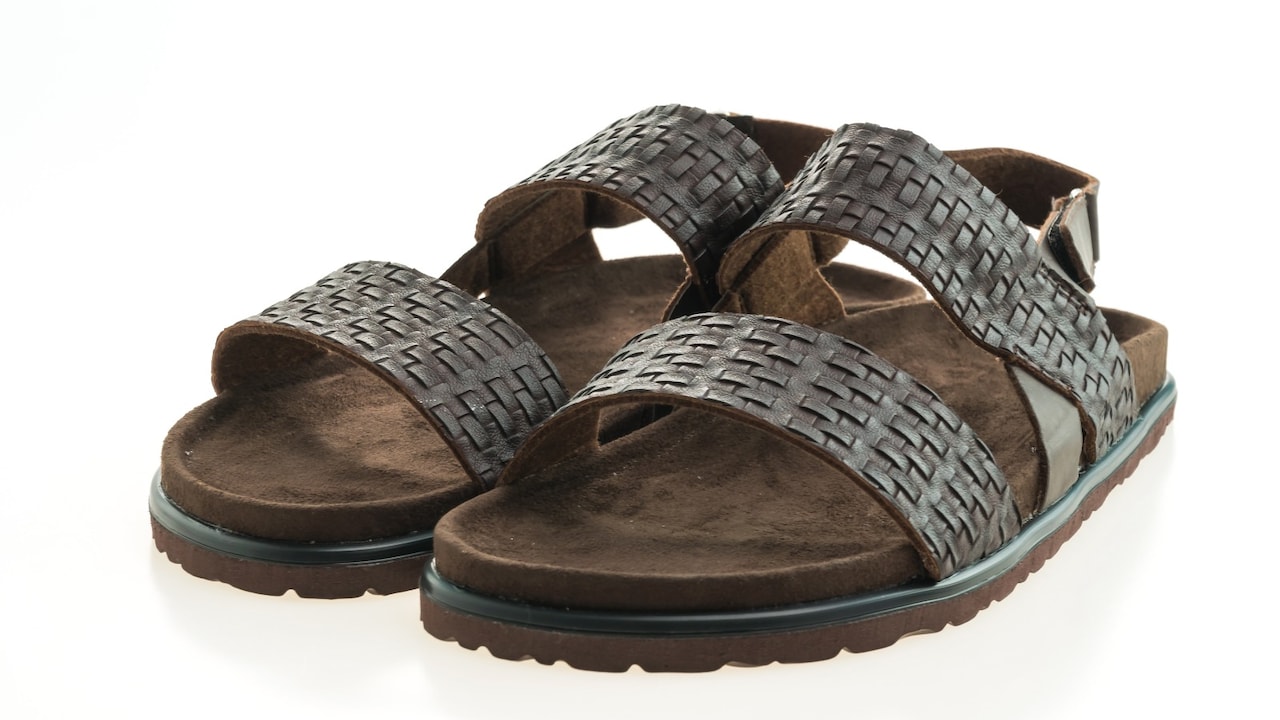
Why Kolhapuri Chappals Turn Dark Or Stiff After Getting Wet: 10 Reasons And Fixes; Photo Credit: Pexels
Why Kolhapuri Chappals Change After Getting Wet And How To Fix Them
1. Natural Leather Absorbs Water Quickly
Kolhapuri chappals traditionally rely heavily on natural leather, and leather behaves a little like skin. It contains tiny pores and fibres that take in moisture when exposed to water. Once those fibres become soaked, the colour often appears several shades deeper than usual.
That sudden darkness can look alarming, especially on tan or light-brown chappals. A pair worn to a family function on Saturday might look almost chocolate brown after getting caught in Sunday's monsoon shower. In many cases, though, the change is temporary.
The best response is simple: remove excess moisture with a clean, dry cotton cloth and allow the footwear to dry naturally in an airy spot. Avoid rubbing hard, as wet leather becomes more vulnerable to scratches.
Once the chappals dry completely, inspect the colour before attempting any treatment. Much of the darkness may disappear on its own. If the leather still looks dull afterwards, a suitable leather conditioner can help restore some richness without making the surface greasy.
Also Read: Celebrate Raksha Bandhan In Designer Outfits: Top 5 Ethnic Wear Picks On Myntra
2. Water Pushes Natural Oils Out Of The Leather
Good leather contains natural oils that keep the fibres flexible. Water disturbs that balance. When soaked chappals begin drying, some of those oils move away from the surface or disappear with the moisture.
The result often becomes obvious the next morning. The footwear may look dry, feel rough and make the straps less forgiving around the toes. That familiar soft bend can suddenly feel more like cardboard.
Restoration should begin only after the chappals are fully dry. Applying conditioner while they are still damp can trap moisture inside the leather.
Use a small amount of neutral leather conditioner or a product specifically meant for natural leather. Massage it gently into an inconspicuous section first. If the colour remains acceptable, apply a thin layer across the rest of the chappal.
More product does not mean better results. Flooding leather with oil can darken it permanently. A light application, followed by several hours of rest, usually works better than turning the pair into something resembling an oily paratha.
3. Drying Them In Direct Sunlight Makes The Leather Stiff
Wet chappals often create understandable panic. The sun looks like the fastest solution, particularly during a rare bright afternoon between two rainy days. Unfortunately, strong sunlight can make the problem worse.
Direct heat pulls moisture from leather too quickly. As water evaporates, the fibres can shrink and tighten. The result is footwear that feels stiff, brittle or slightly smaller than before.
Instead, place wet Kolhapuris in a shaded, well-ventilated area. Keep them away from balconies receiving harsh afternoon sun. Natural air circulation may take longer, but it allows moisture to leave gradually.
If the chappals have already become stiff after sun drying, gently flex the straps and sole with your hands once the leather is completely dry. Do not bend them aggressively. Follow with a small amount of leather conditioner and leave them overnight.
The process may need repeating once or twice. Leather often responds better to gradual recovery than dramatic rescue attempts. Patience here can save a pair from developing cracks later.
Why Kolhapuri Chappals Turn Dark Or Stiff After Getting Wet:10 Reasons And Fixes; Photo Credit: Pexels
4. Hairdryers And Heaters Cause Rapid Fibre Shrinkage
When an important outing is only a few hours away, a hairdryer can seem like a clever shortcut. Hot air, however, can be surprisingly harsh on handmade leather footwear.
High temperatures cause leather fibres to contract rapidly. The straps may stiffen, decorative sections can warp, and the sole may lose some flexibility. Prolonged heat can even create small surface cracks that become more visible with wear.
A heater, room blower or hot iron kept nearby can create similar damage.
For safer drying, stuff the chappals lightly with plain, unprinted absorbent paper where needed to help maintain their shape. Replace the paper if it becomes soaked. Keep the footwear in a room with good airflow and let time do the work.
If heat has already hardened the leather, restoration depends on the extent of the damage. Mild stiffness may improve with conditioning and gentle flexing. Deep cracks are harder to reverse and may need attention from a skilled cobbler, particularly if the straps carry body weight.
5. Mud And Dirty Rainwater Leave Dark Patches
Rainwater on the road is rarely just water. It often carries dust, mud, grime and residue from pavements. When that mixture enters porous leather, it can create patches that remain darker even after the chappals dry.
The temptation is to scrub the stains immediately. That usually spreads the dirt and can roughen the surface.
Start by letting thick mud dry partially, then brush away loose particles gently with a soft cloth or soft-bristled brush. For remaining dirt, use a slightly damp cloth rather than soaking the leather again. Work across the whole affected area instead of attacking one tiny patch repeatedly.
Allow the pair to dry naturally once more.
Persistent stains may need a leather-safe cleaner, but always test it underneath a strap first. Traditional dyes can react differently from modern factory finishes.
A slightly uneven patina is not always a flaw either. Many Kolhapuris become more attractive with age. The aim should be cleanliness and healthy leather, not forcing a handmade pair to look unnaturally brand-new.
6. Traditional Dyes Can Deepen Or Shift After Moisture Exposure
Part of the charm of Kolhapuri chappals comes from their earthy shades. Browns, tans, deep maroons and reddish tones often complement the texture of natural leather beautifully. Yet these colours may react to moisture.
Water can temporarily intensify dye, making the chappals appear darker. In some cases, moisture moves colour unevenly through the leather, leaving one section deeper than another.
Do not immediately apply polish to correct the shade. Wet or recently dried leather may absorb colour differently, which could create an even larger mismatch.
Give the chappals enough time to dry completely, ideally for a full day or longer depending on how soaked they became. Once dry, wipe them gently and reassess the colour in natural light.
If the shade still looks patchy, a neutral conditioner may help blend the appearance slightly. Severe discolouration is better handled by an experienced leather repair professional. Trying to match traditional dye at home can become an accidental arts-and-crafts project, and favourite footwear is a poor canvas for experiments.
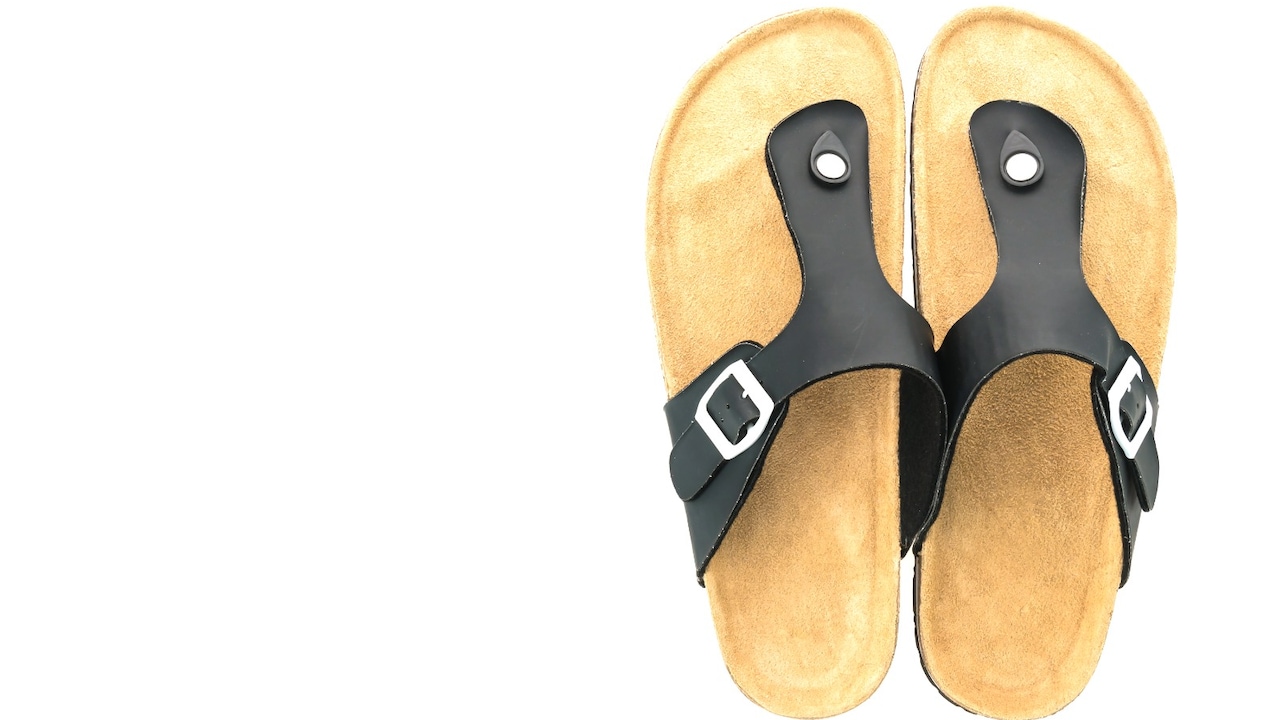
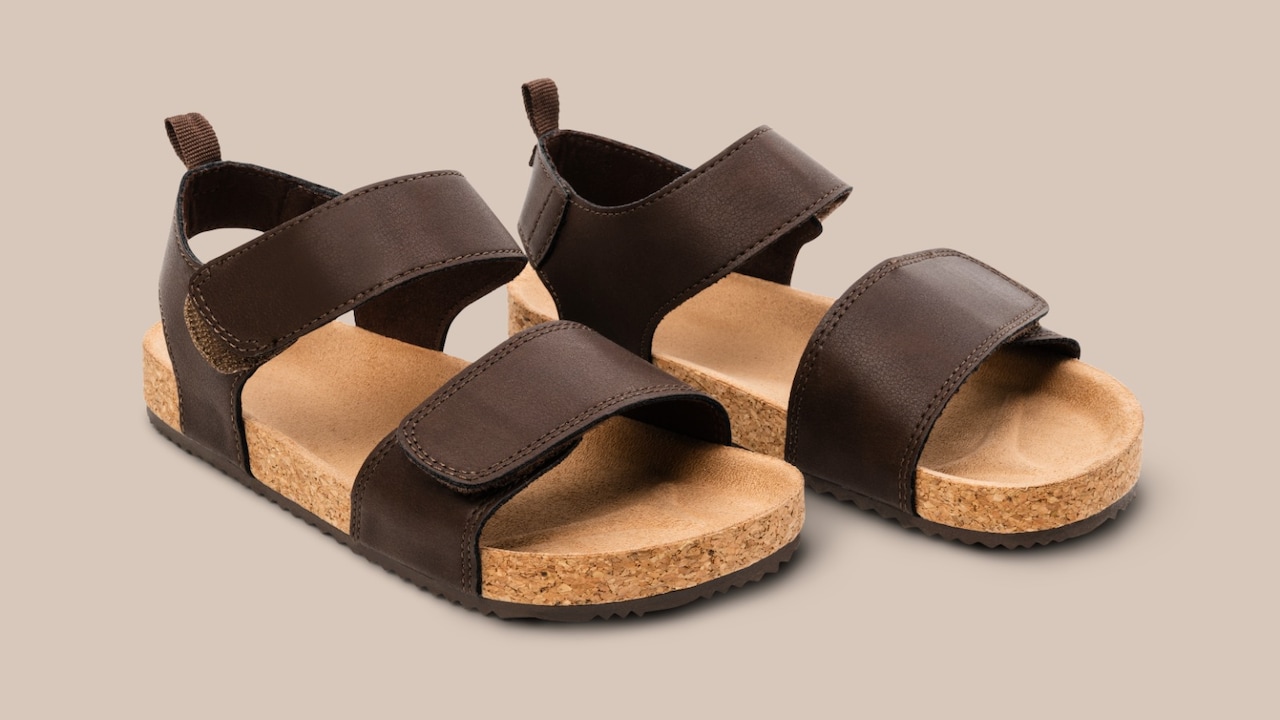
Why Kolhapuri Chappals Turn Dark Or Stiff After Getting Wet:10 Reasons And Fixes; Photo Credit: Pexels
7. Wet Leather Loses Its Original Shape While Drying
A soaked chappal becomes softer before it becomes stiff. During that vulnerable stage, straps and soles can stretch, flatten or bend into awkward positions.
Leaving wet footwear crumpled under other shoes is a common culprit. So is drying one chappal on its side while the other lies flat. By the time both are dry, the pair may look as though they have had very different weekends.
Shape matters for comfort. A twisted strap can rub against the toes, while a curled sole may alter the way the foot lands.
As soon as excess water has been removed, place the chappals on a flat surface. Arrange the straps in their natural position. Use lightly crumpled plain paper to support sections that tend to collapse, but avoid overstuffing.
If the chappals have already dried out of shape, slightly conditioning the leather can make it easier to manipulate gently. Wear them indoors for short periods afterwards. Body warmth can sometimes help the footwear settle back around the feet naturally.
8. Repeated Wetting And Drying Weakens Leather Fibres
One rainy incident is usually manageable. Repeated soaking is another matter.
Leather expands when it absorbs water and contracts as it dries. If this cycle happens again and again, the fibres gradually lose flexibility. Over time, straps may harden, edges may roughen and the sole can develop cracks.
This often happens during the monsoon when the same pair becomes everyday footwear. A short walk to the market, another splash while getting out of an auto, then a wet evening commute can keep the leather in an almost permanent cycle of dampness and drying.
Rotation helps. If one pair gets soaked, allow it to dry completely before wearing it again. Use another pair the next day rather than forcing damp Kolhapuris back into service.
Regular light conditioning also helps maintain flexibility, particularly during rainy months. Think of it as routine maintenance rather than emergency repair.
Once leather starts cracking deeply, home restoration has limits. Early care is far cheaper and easier than replacing straps or repairing a weakened sole later.
9. Excess Soap Or Detergent Strips The Leather Surface
A dirty pair of chappals can trigger the familiar urge to reach for detergent. After all, detergent works on clothes, kitchen cloths and half the household. Leather, sadly, refuses to cooperate with that logic.
Strong soaps and detergents remove oils from the surface. They may also interfere with dyes and leave the leather looking pale, stiff or patchy after drying. Washing powder is especially unsuitable because residue can settle into textured sections and stitching.
Avoid immersing Kolhapuri chappals in soapy water.
For everyday dirt, a soft dry cloth often does enough. For more stubborn grime, use a barely damp cloth and work gently. If a cleaning product becomes necessary, choose one designed for leather and test a tiny hidden area first.
If detergent has already been used, wipe away any remaining residue with a clean, slightly damp cloth. Let the footwear dry naturally, then condition it lightly.
The goal is to return lost suppleness without oversaturating the surface. One careful treatment often works better than a kitchen shelf full of cleaning experiments.
10. Improper Storage Traps Moisture And Encourages Damage
Sometimes the rain is not the biggest problem. What happens afterwards causes more trouble.
Putting damp Kolhapuri chappals straight into a shoe cabinet traps moisture around the leather. Poor ventilation slows drying and can lead to musty smells, spotting or even fungal growth. The leather may also stiffen unevenly as different sections dry at different speeds.
After getting wet, keep the chappals in an open, shaded area with good airflow. Do not place them inside plastic bags. Plastic traps humidity and creates exactly the environment damp leather does not need.
Once completely dry, store the pair in a breathable cloth bag or a clean shoe box with enough ventilation. Keep heavy footwear away from the straps so they do not become flattened.
If a musty smell develops, air the chappals thoroughly before using any product. Visible mould requires more careful cleaning and may justify professional treatment.
Good storage sounds unexciting, but it quietly adds years to leather footwear. Sometimes the most effective care routine is simply giving the chappals enough room to breathe.
Products Related To This Article
1. Anouk Men Ethnic Mojaris Flats
2. House of Pataudi Men Leather Kolhapuri Sandals
3. House of Pataudi Men Leather Kolhapuri Comfort Sandals
4. House of Pataudi Men Leather Kolhapuri Chappal
5. CHAAL CHALAN Women Embellished Ethnic One Toe Flats with Tassels
6. House of Pataudi Women Leather One Toe Kolhapuri Flats
7. ERIDANI Women Ethnic One Toe Flats
Kolhapuri chappals can survive an unexpected spell of rain far better than their dramatic post-monsoon appearance suggests. Darkening, stiffness and slight changes in shape often happen because leather absorbs water, loses oils or dries too quickly.
The safest recovery method remains refreshingly uncomplicated. Remove excess moisture, avoid direct heat, reshape the footwear gently, let it dry in the shade and condition the leather only after it has dried properly.
Most importantly, resist the urge to fix everything in ten minutes. Hairdryers, harsh detergents and generous splashes of oil may promise speed but often create bigger problems.
A good pair of Kolhapuris gets better with time. The small creases, deeper tones and softened contours tell the story of countless walks, weddings, market trips and festive evenings. A little rain need not end that story. With sensible care, those chappals can dry out, soften up and return to duty with plenty of character still left in them.
(Disclaimer: This article may include references to or features of products and services made available through affiliate marketing campaigns. NDTV Convergence Limited (“NDTV”) strives to maintain editorial independence while participating in such campaigns. NDTV does not assume responsibility for the performance or claims of any featured products or services.)