Should You Buy A Smartwatch Now Or Wait For The Festive Sales
Confused about whether you should buy a smartwatch now or wait until there’s a sale? Here's how festive sale pricing actually works and what you should do.
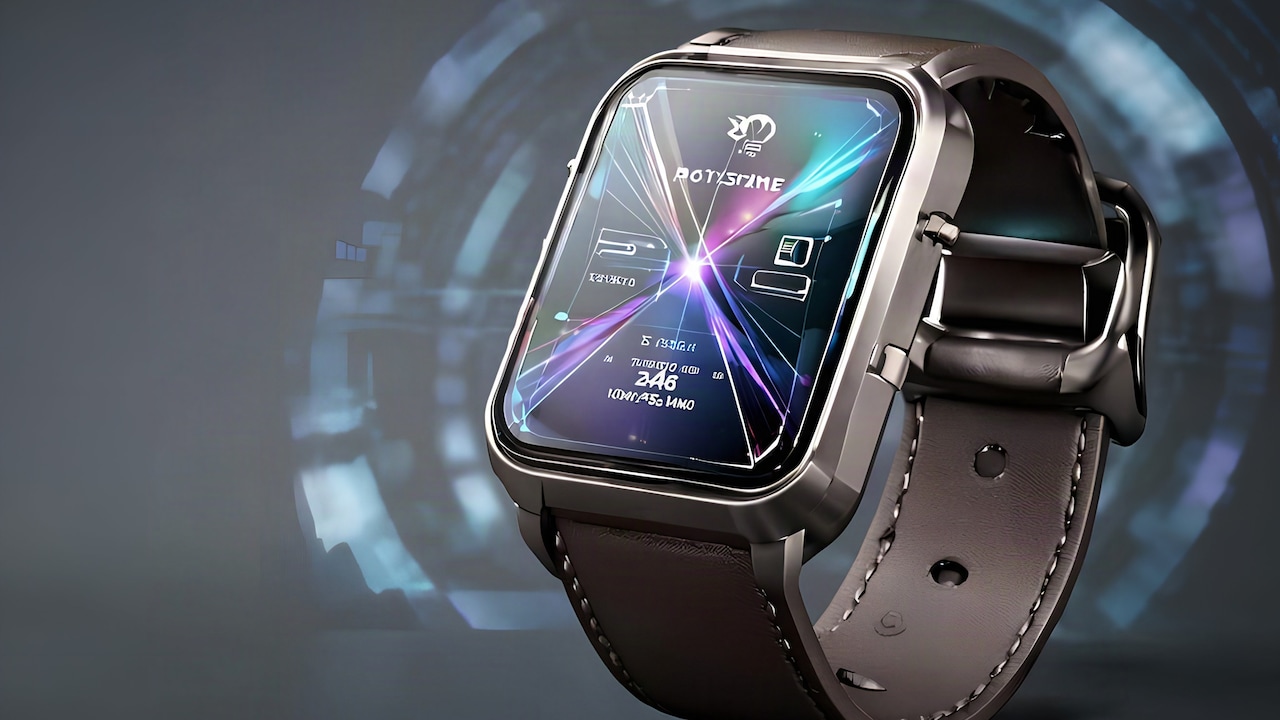
Should You Buy A Smartwatch Now Or Wait For The Festive Sales
Every year around September, the same question pops up in a dozen WhatsApp groups. Someone's smartwatch strap has finally given up, or the battery barely lasts a day now, and they ask if it's smarter to buy right away or hold on until the Big Billion Days and Great Indian Festival sales roll in. It's not a silly question either. Shoppers have genuinely trained themselves to wait, and brands know it. But here's the thing nobody tells you upfront. Not every "sale price" is actually a good deal, and not every wait genuinely saves money. Sometimes the watch you want is already at its lowest price today, quietly, without any banner shouting about it. So, in this guide, we'll simplify everything to help you make an informed decision.
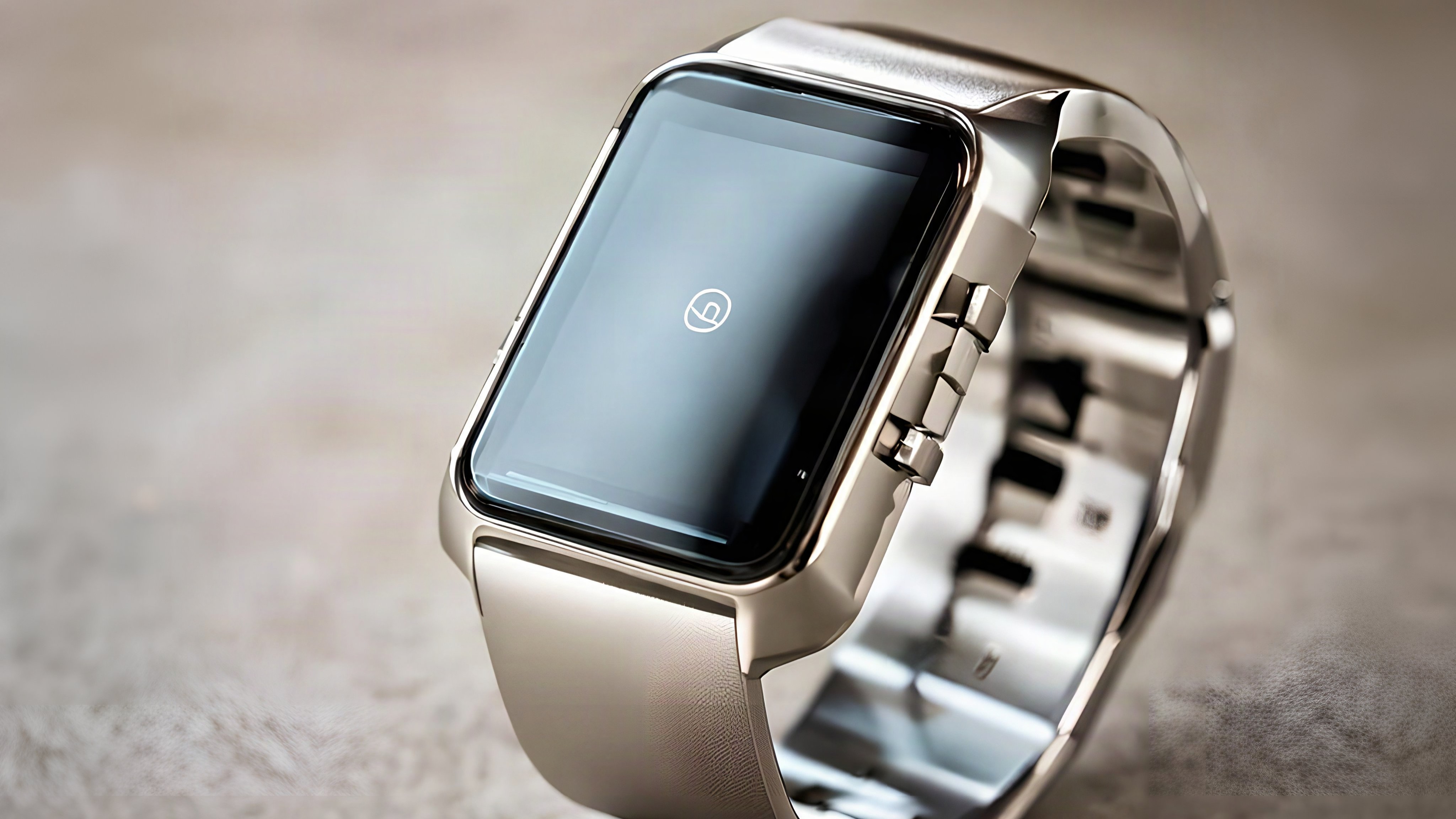
What Actually Changes During Festive Sales; Photo Credit: iStock
What Actually Changes During Festive Sales
People assume festive sales mean everything gets cheaper. That's only half true. Retailers and brands plan these months, and the pricing dance is more calculated than it looks.
1. The Discount Pattern Brands Follow
Most smartwatch brands, especially the popular ones like Noise, boAt and Fire-Boltt, quietly raise the listed MRP a few weeks before the sale event begins. Then, during the sale, they "slash" the price back down, sometimes to a number that's barely different from what it was two months earlier. It looks dramatic on the page. In reality, the actual rupee saving is often modest, somewhere between 10 and 20 per cent on already affordable watches.
2. Why MRPs Look Inflated Right Before The Sale
This isn't illegal or even unusual; it's just how retail pricing psychology works everywhere. A watch priced at ₹4,999 might suddenly show an MRP of ₹6,999 a week before Diwali sales begin, so the "50% off" tag feels bigger than it actually is. Knowing this helps you look past the percentage and focus on the real number you'll pay.
Also Read: Top 10 Smartwatches In India For Health Tracking In 2026
Do You Need It Now, or Can It Wait?
Price aside, timing your purchase also depends on your situation, and this part gets ignored a lot.
1. Signs You Should Buy Immediately
If your current watch has stopped charging properly, or you're travelling soon and need step tracking or SpO2 monitoring for a trek, waiting three or four weeks just to save a few hundred rupees doesn't really make sense. A watch you actually use daily is worth more than a discount you might not even benefit fully from.
2. Signs Waiting Actually Makes Sense
If your current watch still works fine and you're upgrading purely out of want rather than need, then yes, the festive season is worth the patience. The mid-range and premium segments genuinely see their steepest price cuts here, not the budget segment.
How Smartwatch Prices Move Before, During, and After Diwali
Tracking these trends over a few festive cycles shows a fairly predictable rhythm, and it's useful to know before you rush to add something to your cart.
1. The Weeks Leading Up To The Sale
Prices often creep up slightly, or brands launch a "new" variant with a marginally higher price just before the sale, so the old model can be discounted "harder" without actually cutting profit much.
2. Sale Week Itself
The sale week is when the loudest deals show up, but also when the stock of the genuinely good watches runs out fastest. Popular colours and the most reviewed models tend to go out of stock within the first two or three days.
3. Post-Sale Dip That Nobody Talks About
Interestingly, a second and quieter price drop often happens two to three weeks after the main festive sale ends, when brands are trying to clear remaining festive stock before the next quarter's models arrive. Patient buyers who track prices sometimes get an even better deal here than during the actual sale.
Budget vs Premium: Does The Wait Matter Differently
Not every price bracket behaves the same way, and the outcome changes what you should actually do.
1. Budget Watches Under Rs 5000
Watches from Noise, boAt, Fire-Boltt and Fastrack in this range rarely see huge additional cuts during the festive season because they're already priced aggressively all year round. If you need one now, buying today usually isn't a bad decision at all.
2. Mid-Range and Premium Watches
Brands like Amazfit, Samsung and the higher-end Xiaomi lineup tend to hold festive pricing back specifically for this window. If you've had your eye on something in the ₹8,000 to ₹20,000 range, the festive season is genuinely the better window to wait for.
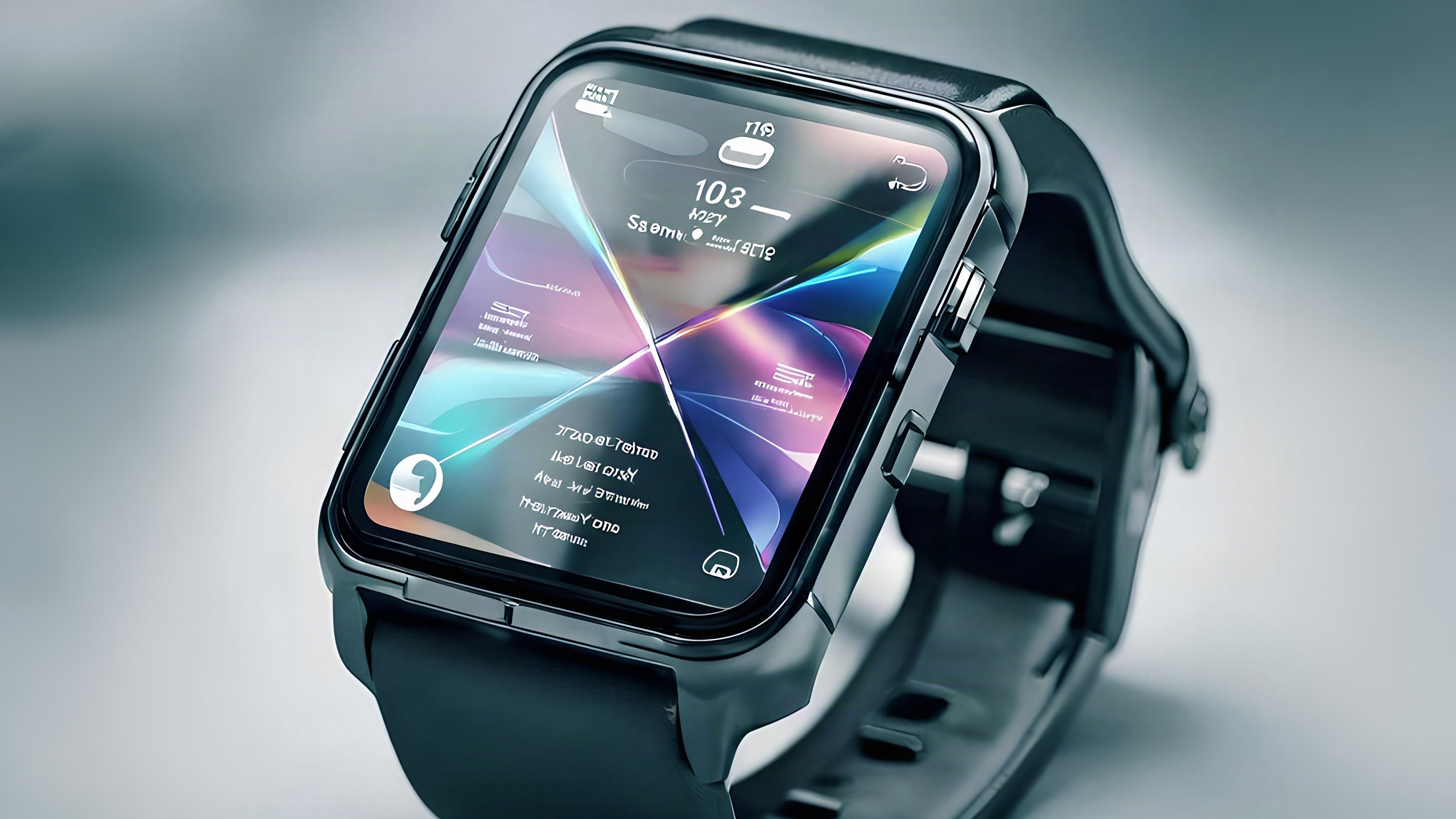
Signs You Should Buy Immediately; Photo Credit: iStock
Some Smartwatch Options You May Like
1. Redmi Watch 5 Lite Smart Watch
2. Noise Pro 6 Smart Watch
3. boAt Wave Call 2 Plus Smart Watch
4. Fire-Boltt Ninja Call Pro Max Smart Watch
5. Fastrack Limitless Glide X Smart Watch
6. Amazfit Pop 3S Smart Watch
7. GOBOULT Saber Smart Watch
8. Huawei Watch GT 5
Choosing the right smartwatch depends on personal needs. Some may prefer advanced health insights, while others may want simple step tracking. The key is to pick a device that fits daily life and helps build better habits over time. So why wait? Shop now on Amazon.
Frequently Asked Questions (FAQs)
1. Do smartwatch prices always drop during festive sales?
Not always by a giant margin. Budget models have little discounts because they have been available at low prices even on normal days. Mid-range and high-end models will have higher discounts.
2. Is it better to buy right before Diwali sales or wait until the actual sale days?
In most cases, no. Prices will likely increase slightly before the offer period starts to attract customers.
3. Can I get a better deal after the festive sale ends?
Yes. There is usually a period when prices reduce a bit after the Diwali sale period. Brands want to clear the remaining stock at reduced prices.
4. Which smartwatch brands offer the biggest festive discounts?
Amazfit, Samsung, and expensive models of Xiaomi are usually the top smartwatches with heavy discounts. Noise and boAt smartwatches retain their prices even during festive periods.
5. Should I wait for a sale if my current smartwatch has already stopped working?
No. It is more important to have a reliable smartwatch on hand, especially if you need your device to track your health and receive notifications.
(Disclaimer: This article may include references to or features of products and services made available through affiliate marketing campaigns. NDTV Convergence Limited (“NDTV”) strives to maintain editorial independence while participating in such campaigns. NDTV does not assume responsibility for the performance or claims of any featured products or services.)