Should You Buy A Structured Bag Or A Soft Slouchy One For Daily Use
Structured bag or soft slouchy tote? The right answer depends on your day, not just your taste. Here is how to decide which actually works for daily use.
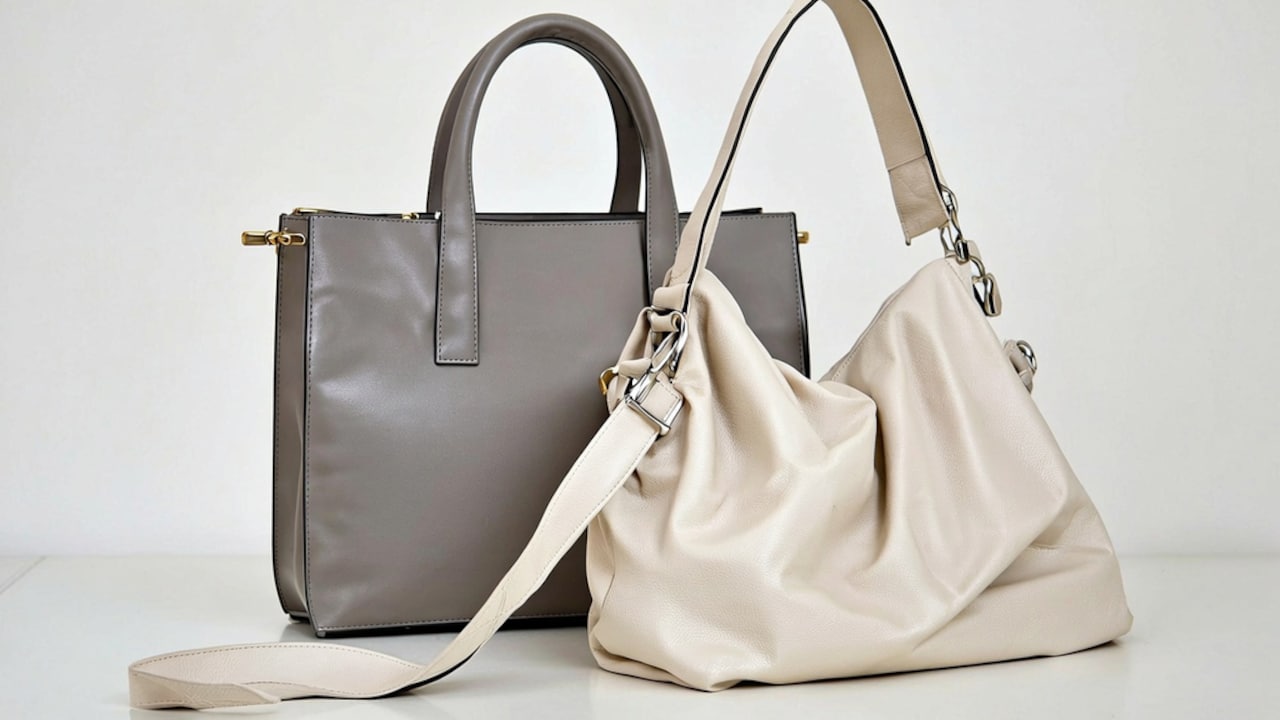
How to choose between slouchy vs structured bag for daily use
Bag shopping ends in the same place for most people. Find one you like, and wonder immediately if it's the right shape for real life. A structured bag looks composed and intentional. A soft, slouchy one feels easier and carries more. Most people end up with the wrong one because nobody explained the difference in practical terms.
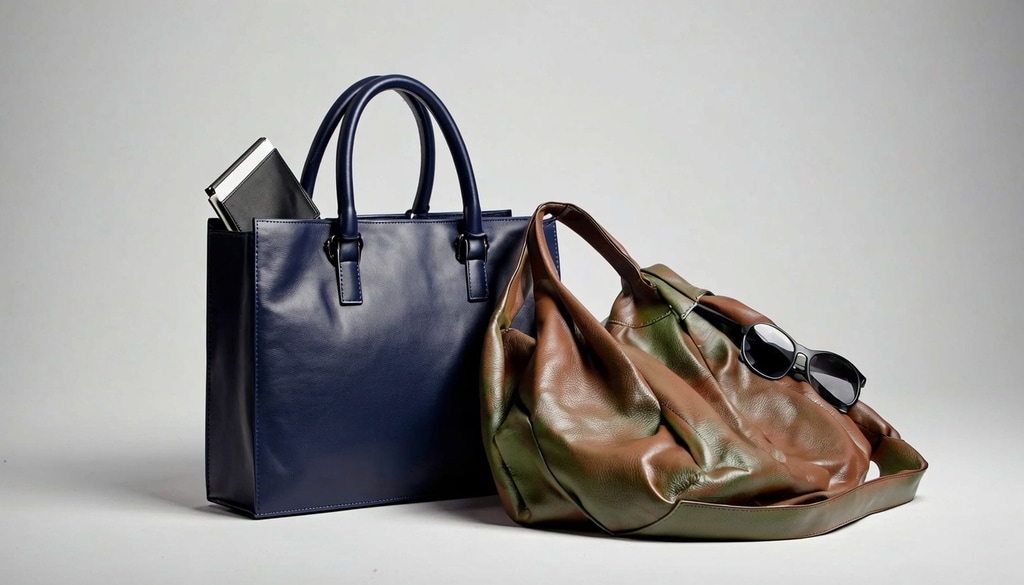
Discover whether a structured or soft tote bag works best for your busy daily schedule.
Photo Credit: iStock
The shape of a bag is not purely aesthetic. It affects daily organisation, how the bag moves on your shoulder, how much it holds, and how long it lasts. Here is how to choose the right bag based on your actual usage.
Also Read: Best Satchel Bags With Top Handle And Detachable Strap
What A Structured Bag Does Well
A structured bag holds its shape regardless of what you put inside it. The rigid or semi-rigid panels maintain the silhouette from the time you pick it up in the morning to the time you set it down at night. Items inside don't migrate to the corners or fall flat against each other.
A structured bag sits upright when set down, which makes it easy to access. It keeps sunglasses and electronics from being crushed by other contents. The bag's defined silhouette makes an outfit look more intentional, even if the rest of the look is casual.
What A Soft Slouchy Bag Does Well
A soft bag expands to fit what you actually carry rather than limiting you to a fixed internal volume. On a day when you're carrying lunch, a book, a change of clothes, and a laptop charger, a slouchy bag absorbs all of it. The same bag on a light day hangs soft and minimal against your side.
A soft bag moulds to the body on the shoulder, spreading weight more evenly than a structured bag that sits at a fixed angle. For heavy daily loads over long distances, the difference in weight distribution is not a minor detail.
The Practical Differences That Actually Matter
Four things determine which type works better for daily use:
1. Organisation Inside The Bag
Structured bags almost always have more defined internal organisation: fixed pockets, card slots, and phone sleeves. Slouchy bags tend to have one large open interior, which means finding anything requires reaching in.
2. How The Bag Behaves When Set Down
Set a structured bag on a desk and it stands upright and stays accessible. Set a soft bag down and it collapses flat. This distinction runs through every meeting, every commute, and every meal.
3. Durability Over Time
Structured bags with firm panels maintain their appearance longer. Soft bags develop crease marks, stretched handles, and deformed shapes over time, especially when consistently overfilled.
4. Weight Carried On The Shoulder
A structured bag adds its own weight to your carry before you put anything inside it. Rigid panels, metal frames, and quality hardware accumulate. A soft bag in canvas or lightweight leather starts near zero and only gets heavy when you fill it. For anyone with shoulder or back issues, starting weight matters.
How To Decide Based On How You Actually Use A Bag
Step 1: Count What You Carry On A Typical Day
Phone, wallet, keys, charger, earbuds, notebook, water bottle: either type works. Add a laptop, lunch, and gym clothes and a slouchy bag wins.
Step 2: Think About Where You Set The Bag Down Most
Office desks and meeting rooms suit a structured bag that stands on its own. A bag that collapses and spills open every time you reach into it loses ground fast.
Step 3: Consider Whether Your Outfit Does The Work Or The Bag Does
If your outfits are casual and you want the bag to read as intentional, a structured one provides that contrast. If your outfits already convey formality, then a soft bag can be appropriate.
Step 4: Check The Internal Pockets Before You Buy
Structure doesn't help if the interior isn't designed for your carry. Always check pockets before buying.
Step 5: Think About Travel And Commute Distance
Short distance, light load: structured bags are fine. Long commute, multiple stops, and standing on public transport: a soft bag that moulds to the body and spreads the weight is measurably more comfortable.
Step 6: Decide If You Want The Bag To Anchor The Outfit Or Follow It
A structured bag in a neutral colour anchors any outfit. A soft, slouchy bag follows the outfit's mood and relaxes alongside casual dressing.
Step 7: Think About What Happens When The Bag Is Empty
An empty structured bag still looks like a bag. An empty soft bag folds flat. For travel packing, soft wins. For looking good on a shelf, structured wins.
Step 8: Factor In How Often You Switch Bags
If you switch daily depending on your outfit, a structured bag in a clean neutral is easier to style across multiple looks. If you use one bag for weeks at a time, a soft bag that adapts to different loads and looks is the most practical choice.
The Honest Answer for Selecting the Right Bag
For one daily bag, the structured option wins on organisation, consistency, and durability. It uses its space better, holds its shape all day, and photographs well with most outfits.
For a bag that has to hold a lot and forgive a heavy carry, the soft slouchy option wins. It grows with the load, sits better against the body, and requires less maintenance. The right choice matches how your day runs, not how the bag looks at checkout.
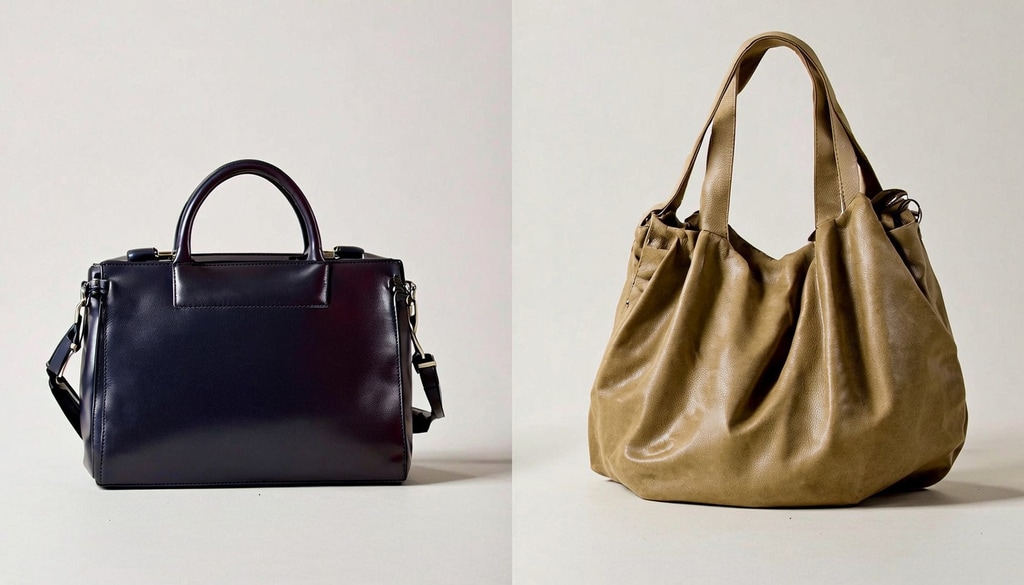
Find the perfect everyday bag by balancing your personal style with actual real world utility.
Photo Credit: iStock
Some Bags Worth Considering
1. Lify Women's Shoulder Crossbody Handbag
2. Elegantt Monochrome Structured Shoulder Handbag
3. AKSUTI Stylish Shoulder College Handbag
4. Street27 Canvas Corduroy Tote Bag
5. PALAY Handbag With Detachable Shoulder Strap
6. AIESY Handmade Lightweight Shoulder Bag
7. Purple Tree Handcrafted Oversized Shoulder Bag
8. YOYOWING Ladies Leather Shoulder Bag
Frequently Asked Questions (FAQs)
1. Which type of bag is better for an office setting?
Structured, without question. It sits on its own on a desk, looks organised, and signals intentional dressing. A collapsed soft bag on a meeting room table makes a different impression.
2. Can a soft bag look professional?
Yes, if it is a quality leather or waxed canvas and carries a considered shape rather than a random slump. A soft leather tote in a neutral colour with good hardware reads professional. A polyester slouch with visible wear does not.
3. Which type holds more?
Soft bags almost always hold more because the sides give. A structured bag has a fixed volume determined by the shell. When you overpack a structured bag the zip strains and the shape distorts; a soft bag simply stretches.
4. Which is better for travel?
For day trips and light travel, structured bags keep things organised and look good in photos. For actual packing or long travel days, a soft bag that compresses, adapts, and moulds to the overhead bin or your shoulder is more practical.
5. Does bag shape affect outfit styling?
More than most people account for. A structured bag contracts the visual weight of a relaxed outfit and adds polish. A soft bag alongside an already structured outfit creates a more balanced, relaxed result. They're not interchangeable style tools.
(Disclaimer: This article may include references to or features of products and services made available through affiliate marketing campaigns. NDTV Convergence Limited (“NDTV”) strives to maintain editorial independence while participating in such campaigns. NDTV does not assume responsibility for the performance or claims of any featured products or services.)