How To Choose Comfort Footwear Without Relying On Marketing Labels
Comfort footwear is not defined by labels such as “orthopaedic” or “cloud-soft”. Learn how to judge fit, support, cushioning, grip and construction before choosing a pair that stays comfortable all day.
How To Choose Comfortable Footwear Without Trusting Marketing Claims
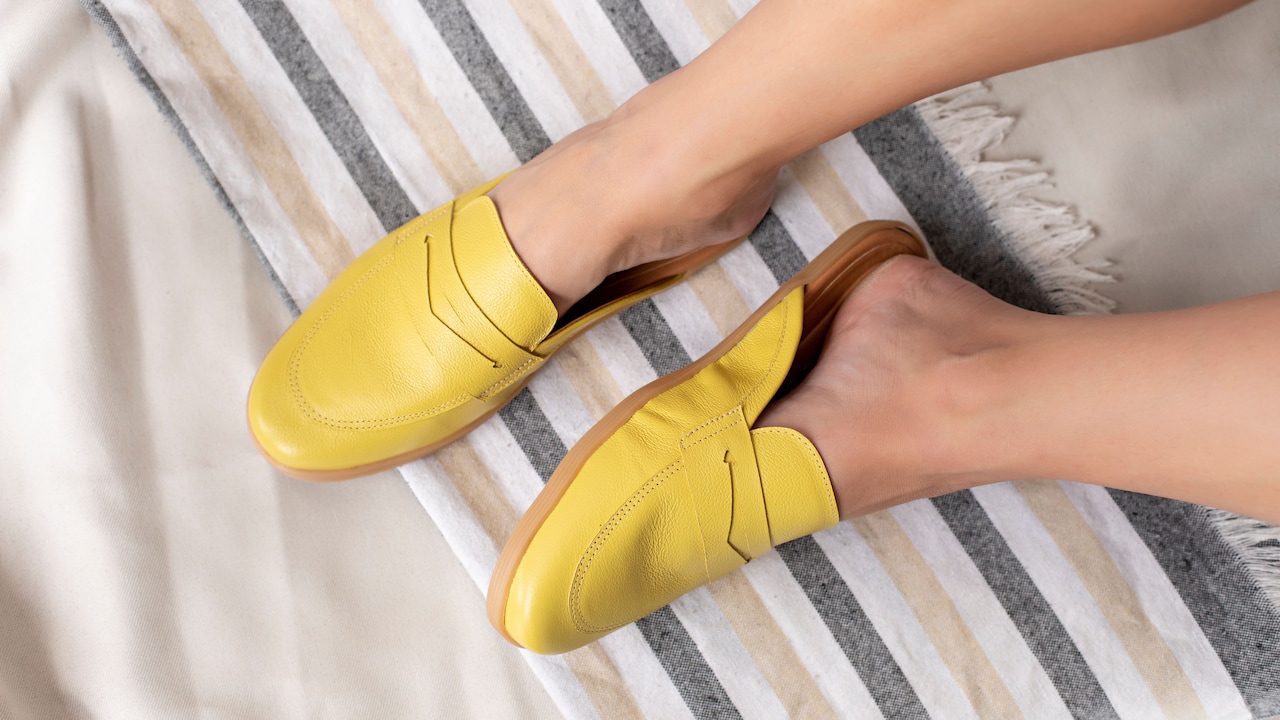
Buying comfortable footwear should feel simple. Walk into a shop, find a pair marked “comfort”, try the right size of sneakers and head home. Yet anyone who has limped through a family function in supposedly cushioned sandals knows that the process rarely works that neatly. Marketing labels can sound almost medicinal. Memory foam promises pillow-like steps. Arch support hints at perfect posture. Orthopaedic styling suggests that a shoe has received approval from a room full of serious specialists. In reality, these terms often lack a clear, universal standard. A soft insole may flatten within weeks. A dramatic arch may press into the wrong part of the foot. A wide-looking shoe may still squeeze the toes.
How To Choose Comfortable Footwear Without Trusting Marketing Claims; Photo Credit: Pexels
Comfort also differs from person to person. The pair that carries one commuter happily across metro platforms may cause another person's heel to ache before lunch. Foot shape, walking style, daily routine and even the time of day can change how footwear feels. The answer lies in becoming a careful observer. Ignore the grand promises for a moment. Bend the sole. Check the toe space. Notice where the shoe grips, flexes and rubs. A little practical attention in the shop can prevent months of blisters, regret and suspiciously expensive footwear gathering dust under the bed.
What Really Makes Footwear Comfortable?
Start With The Shape Of Your Feet
Shoe size tells only part of the story. Two people may both wear a size eight, yet one may have broad toes, a narrow heel or a high instep. The other may have long, slim feet with almost no arch. Expecting the same shoe to suit both makes little sense.
Look at the natural outline of your foot before shopping. Does the forefoot spread widely? Does the little toe often rub against shoes? Do straps leave marks across the top? These clues matter more than a label claiming “universal comfort”.
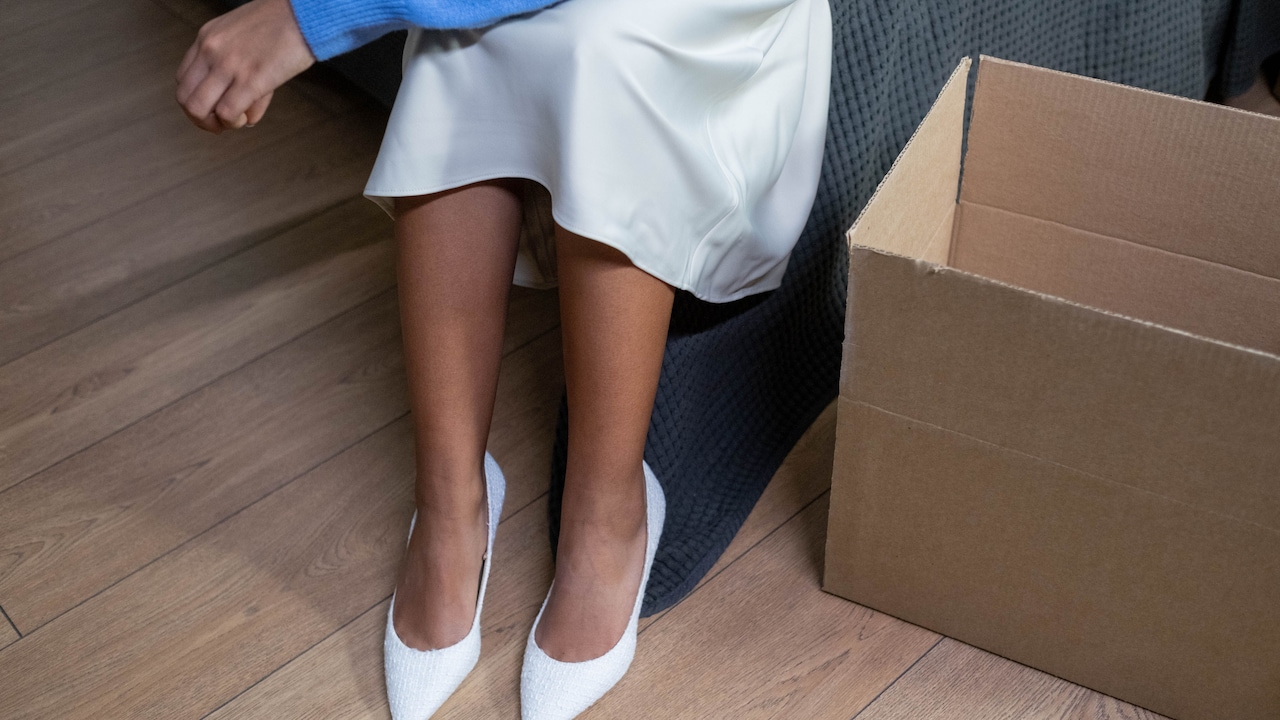
The front of the shoe should resemble the front of your foot. A pointed toe box may look elegant, but it forces the toes into a shape they do not naturally hold. For everyday wear, choose enough room for the toes to lie flat and move slightly. They should not overlap, curl or press against the upper.
Also check the heel. A shoe that fits the toes but slips badly at the back will create friction. Comfort begins when the footwear follows the foot's shape rather than demanding that the foot adapt to fashion.
Also Read: Top 5 Flats Under ₹1,200 That Are Actually Comfortable For Long Days
Shop Later In The Day
Feet rarely remain the same size from breakfast to bedtime. Heat, long periods of standing and daily movement can cause them to swell. A pair that feels perfect at 10 a.m. may feel like a tight fit by 6 p.m.
Try footwear during the afternoon or evening, especially when buying shoes for work, travel or long celebrations. This gives a more realistic picture of how the pair will fit when your feet reach their fuller size.
Wear the type of socks you plan to use with the shoes. Thin office socks, thick sports socks and bare feet all change the fit. Trying trainers with delicate trial socks and later wearing them with cushioned ankle socks can turn a good purchase into a cramped one.
Both feet also deserve attention. Many people have one foot slightly larger than the other. Fit the shoe to the larger foot rather than hoping the smaller shoe will stretch. A removable insole, heel grip or minor adjustment can help the smaller foot. Crushed toes offer fewer solutions and much more drama.
Give Your Toes Proper Space
Toe room does not mean buying a shoe so large that it behaves like a loose slipper. The goal involves space in the right places.
Stand upright while checking the length. There should usually be a small gap between the longest toe and the front of the shoe. Remember that the second toe may extend further than the big toe. A quick glance can miss this detail, so feel the front carefully while keeping your weight on both feet.
Width matters just as much. The sides should not squeeze the joints near the base of the toes. If the upper bulges sharply or the sole feels narrower than the foot, the shoe will probably cause pressure during longer walks.
Do not rely on the familiar promise that a tight pair will “open up”. Soft leather may loosen slightly, but synthetic materials often change very little. Even leather cannot create extra sole width. A shoe that feels painfully snug in the shop will not develop a generous personality at home. Comfort footwear should feel secure from the beginning, without pinching, crushing or bargaining.
How To Choose Comfortable Footwear Without Trusting Marketing Claims; Photo Credit: Pexels
Check Where The Sole Bends
A flexible shoe may sound comfortable, but too much flexibility can leave the foot working harder. A completely stiff shoe can feel equally awkward. The key lies in where the sole bends.
Hold the footwear at both ends and press gently. It should flex near the ball of the foot, where the toes naturally bend during walking. If the sole folds through the middle like a soft roti, it may not provide enough structure for long hours on your feet.
Now twist the shoe lightly. Some movement feels normal, but excessive twisting can signal poor stability. This matters for people who walk on uneven roads, climb stairs frequently or spend the day moving between desks, shops and public transport.
The heel section should feel reasonably firm. A stable base helps guide the foot as it lands. However, firmness should not feel like a wooden plank.
Walk several steps and notice whether the shoe moves with you. The sole should support the stride without controlling it too aggressively. Good footwear feels like a capable companion: present, dependable and not constantly demanding attention.
Judge Cushioning By Feel, Not Thickness
Thick cushioning creates an immediate “wow” moment in the shop. The foot sinks into softness, the salesperson smiles, and the word “premium” suddenly appears in the conversation. Yet softness alone does not guarantee lasting comfort.
Press the insole with your thumb. If it collapses instantly and returns slowly, it may flatten quickly with regular use. Dense cushioning often feels less dramatic at first but holds its shape better over time.
Walk on a hard surface rather than only on carpet. Carpet can make almost any shoe feel luxurious. Tiles or a firm shop floor reveal how the sole handles impact.
Pay attention to stability. Deep, marshmallow-like foam may allow the foot to wobble, particularly around the heel. This can become tiring during long walks. Some people enjoy soft cushioning, while others need a firmer platform.
The best option should soften impact without making the foot feel unstable. Think of a supportive mattress rather than a beanbag. Comfort should continue after the first delighted step, not disappear before the return window closes.
Look For A Secure Heel
Heel slippage causes more than mild irritation. Repeated rubbing can lead to blisters, damaged skin and the strange walking style people adopt while trying to keep loose shoes attached.
Check whether the heel sits comfortably against the back without lifting excessively. A tiny amount of movement may occur in some designs, but the foot should not slide up and down with every step.
The heel counter, which forms the back structure of the shoe, should feel firm enough to hold its shape. Press it gently. If it collapses without resistance, it may offer little stability. If it feels extremely rigid and digs into the ankle, it may create pressure.
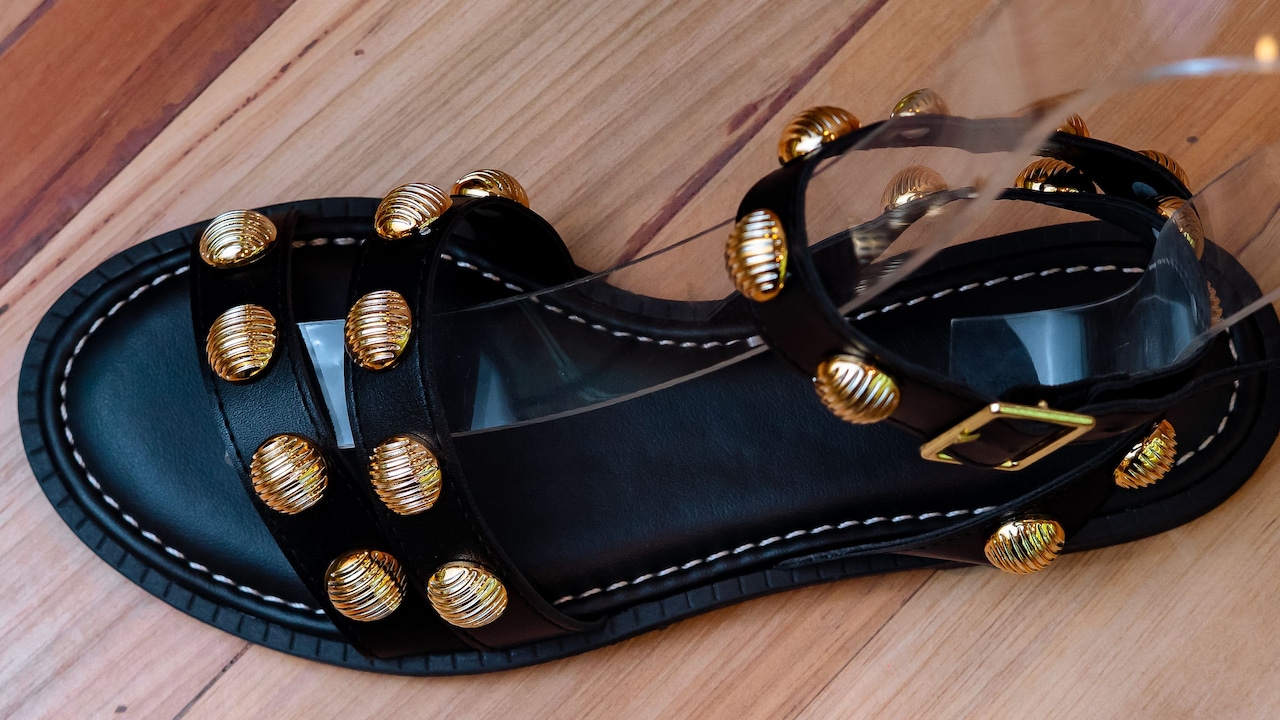
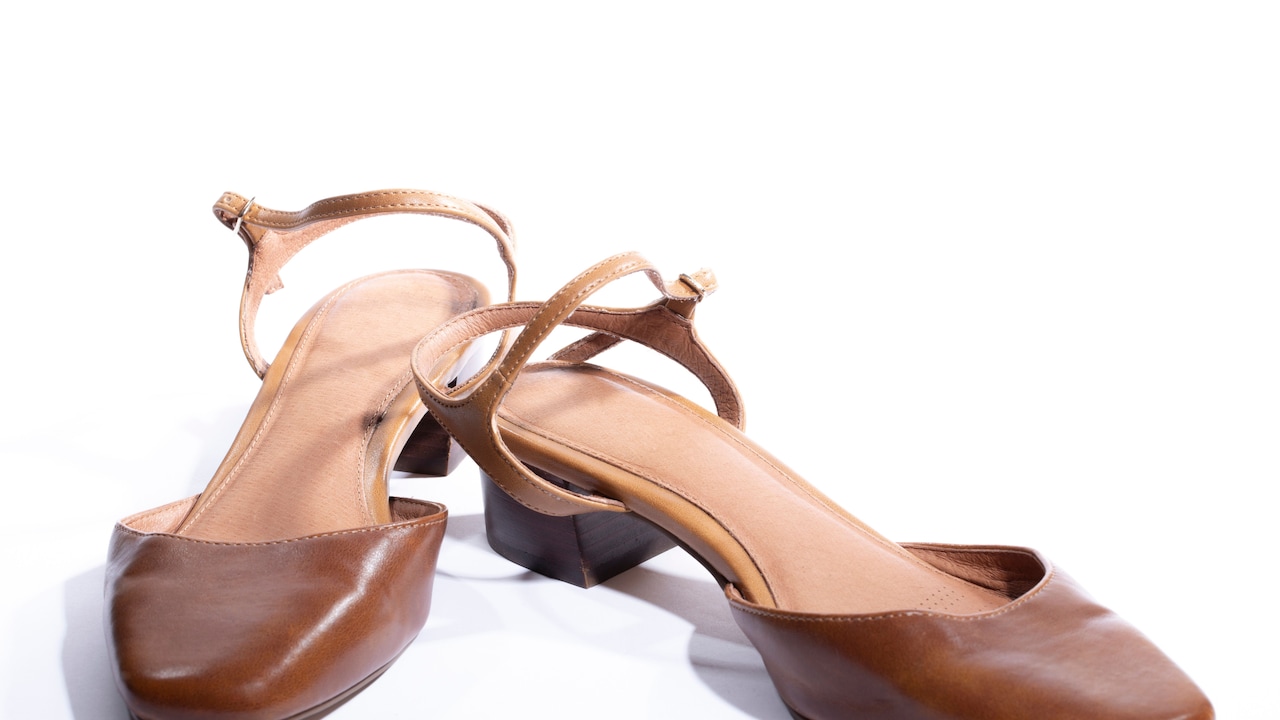
Sandals need similar attention. A back strap should hold the heel without cutting into the skin. Slip-on footwear should grip securely across the midfoot instead of forcing the toes to claw the sole.
Never assume that rubbing will disappear after a “breaking-in period”. Mild stiffness may settle, but sharp pressure and obvious friction usually signal a poor match. Your skin should not pay an entrance fee before a shoe becomes wearable.
Match The Support To Your Routine
Support needs depend on how and where the footwear will serve you. A pair for short drives and quick café visits faces a different challenge from shoes worn during a ten-hour retail shift.
Consider the surface first. Hard office flooring, concrete pavements and station platforms place repeated pressure on the feet. These settings usually call for a stable sole, reliable cushioning and a secure fit.
For uneven lanes or rainy conditions, traction becomes important. Examine the outsole pattern. A completely smooth base may look sleek but can turn a wet entrance into an unwanted dance performance.
People who stand for long periods may benefit from a broad, stable base rather than a narrow or highly raised heel. Those who walk quickly may need footwear that bends naturally at the forefoot and holds the heel firmly.
Avoid choosing shoes for an imaginary lifestyle. A glamorous pair designed for occasional outings will not magically become a daily commuter shoe. Match the footwear to the routine you actually follow. Honest shopping saves money, prevents pain and leaves fewer forgotten boxes in the cupboard.
How To Choose Comfortable Footwear Without Trusting Marketing Claims; Photo Credit: Pexels
Examine The Inside For Trouble Spots
The outside may attract attention, but the inside decides whether the shoe remains comfortable after an hour.
Run your fingers along the lining. Feel for rough stitching, hard seams, raised edges or patches of glue. These small details can rub against the skin repeatedly. A seam that seems harmless in the shop may become unbearable during a long walk in humid weather.
Check the area around the toes and sides. Decorative panels, buckles and overlays may create pressure from the outside. The problem often hides beneath a polished finish.
A smooth lining helps, especially when footwear will be worn without socks. Breathable materials can also reduce heat and moisture, though no material can fully compensate for a poor fit.
Removable insoles offer a useful advantage. They allow cleaning, drying and replacement. They also create room for custom inserts when needed. However, remove the insole and inspect the base underneath. A rough or uneven platform may affect comfort.
Your hand can often spot what your eyes miss. Treat the inside of a shoe like the inside of a kitchen drawer: hidden mess still causes trouble.
Walk As You Normally Would
A few delicate steps near the display shelf reveal very little. Walk at your natural pace. Turn, stop, climb a step if available and stand still for a minute. Comfort must survive real movement.
Notice whether your foot slides forward. Check whether the toes grip the sole to keep the shoe in place. Pay attention to any pressure under the arch, around the ankle or across the top of the foot.
Try both shoes. Display pairs sometimes feel different because many shoppers have already tried one side. Manufacturing variations can also affect fit.
Do not let embarrassment shorten the test. Walking around the shop may feel slightly theatrical, but it beats discovering the problem halfway through a railway station. Take several minutes and focus on sensation rather than appearance.
A comfortable pair should fade from your awareness. You should not need to adjust your stride, curl your toes or avoid putting weight on one area. When footwear makes you think constantly about your feet, it has already failed the audition.
Compare Construction Before Comparing Price
Price can suggest quality, but it cannot confirm comfort. A pair costing ₹8,000 may still pinch, while a well-made ₹1,500 shoe may suit your feet perfectly.
Look at how the upper joins the sole. Uneven bonding, loose threads or visible gaps can signal weak construction. Check whether both shoes appear symmetrical. The heel height, sole shape and stitching should match.
Consider the material with practical honesty. Leather can mould gradually to the foot, but it needs care and may dislike heavy rain. Mesh improves airflow but may offer less protection. Synthetic materials can work well, though cheaper versions may trap heat or crack early.
Ask whether the insole can be replaced and whether the outsole offers enough grip. These details affect the useful life of the footwear.
Value comes from cost per wear, not the number printed on the bill. A ₹3,000 pair worn comfortably for two years offers better value than a discounted ₹1,200 pair abandoned after three painful outings. The bargain disappears when the shoes never leave the cupboard.
Trust Discomfort More Than Sales Talk
The body gives quick, honest feedback. Sales language does not.
A salesperson may explain that the arch support needs time, the upper will stretch or the heel will soften. Sometimes that happens. However, immediate pain, numbness, burning or sharp pressure deserves attention. Do not allow enthusiasm, politeness or a limited-time offer to overrule physical discomfort.
Watch for red marks after trying the shoes. Mild marks from snug socks may mean little, but deep lines or painful spots can reveal excessive pressure.
Take extra care when shopping online. Measure both feet according to the brand's size chart, read the return policy and test the pair indoors on a clean floor. Do not remove labels until the fit feels certain.
People with persistent foot pain, diabetes, loss of sensation or recurring injuries should seek advice from a qualified healthcare professional. Footwear cannot solve every medical concern.
The simplest rule remains the strongest: a comfortable shoe should feel comfortable. A dramatic slogan cannot negotiate with a blister, and a fashionable logo cannot make a cramped toe box wider.
Products Related To This Article
1. Carrito, Women Wedge Heels Thong Sandals
2. TRASE Slippers for Women
3. KOBURG Diva Sandals for Women| Durable| Lightweight
4. DOCTOR EXTRA SOFT Doctor Slippers
5. KazarMax Women Cushioned Comfortable Lightweight Clogs
6. DOCTOR HEALTH SUPER SOFT Women's Orthopedic Cross Strap Slides
7. Vendoz Women Stylish Slippers Wedges
Comfort footwear does not come from a magical label. It comes from a sensible relationship between the shoe, the foot and the life lived in both.
Look beyond words such as “ergonomic”, “orthopaedic” and “ultra-soft”. Examine the shape, toe space, heel grip, sole movement, cushioning and internal finish. Shop when your feet have reached their natural daytime size. Walk properly before buying. Most importantly, trust the signals your body sends.
The right pair may not produce fireworks during the first step. It may simply feel secure, balanced and pleasantly ordinary. That quiet feeling often marks genuine comfort.
Shoes carry people through crowded markets, office corridors, school runs, festive evenings and hurried journeys. They deserve more thought than a colourful tag or a celebrity campaign. Choose with patience, test with honesty and spend according to long-term use.
Marketing may sell the dream of walking on clouds. Good judgement offers something better: reaching the end of the day without wanting to throw the shoes from the balcony.
(Disclaimer: This article may include references to or features of products and services made available through affiliate marketing campaigns. NDTV Convergence Limited (“NDTV”) strives to maintain editorial independence while participating in such campaigns. NDTV does not assume responsibility for the performance or claims of any featured products or services.)