Should You Size Up Or Down When Buying Sneakers Online?
Struggling to figure out if you should size up or down when buying sneakers online? Discover how to land the perfect ultra-fit kicks every single time.
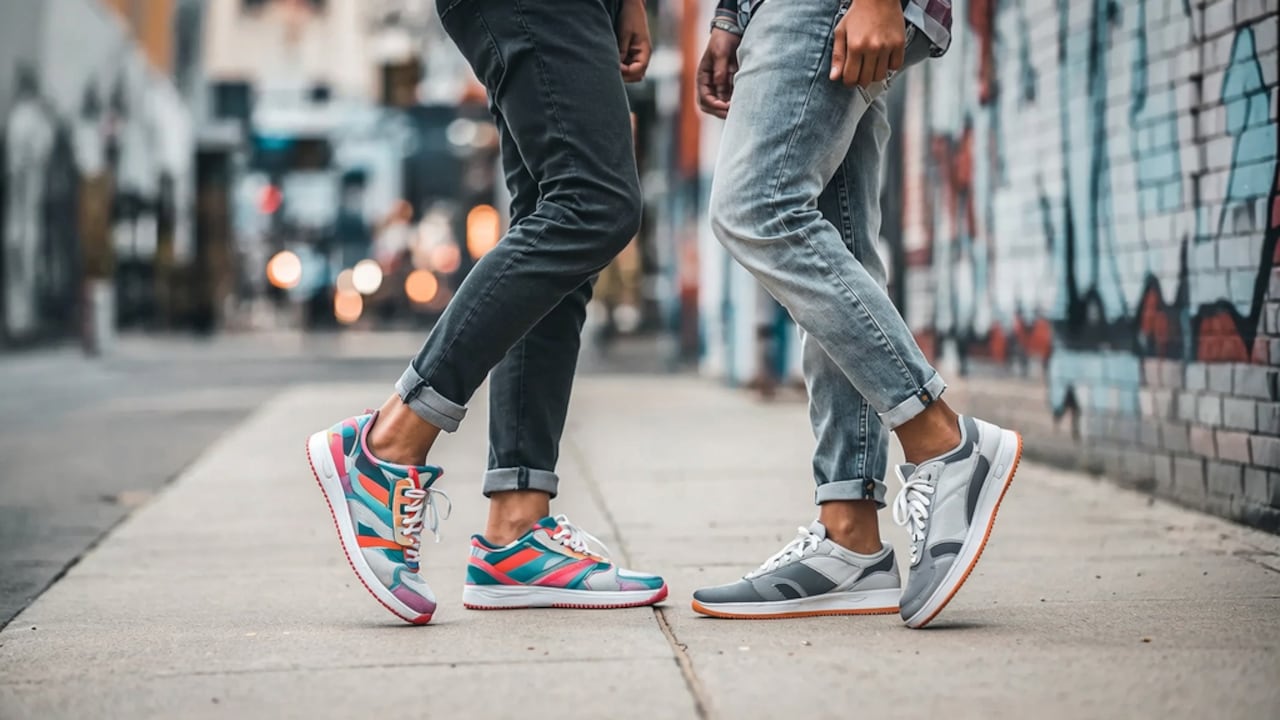
Get your dream kicks by using these tips to find the perfect size
Few things kill the vibe of a fresh delivery faster than sliding your feet into a new pair of sneakers only to realise they just don't fit. Perhaps your toes are completely jammed against the front, your heel keeps slipping out with every step, or they simply feel much roomier than you expected. If you do a lot of digital shoe shopping, you've almost certainly been there. The real headache is that sneaker sizes are rarely consistent across different brands, specific styles, or even different product lines from the exact same company.
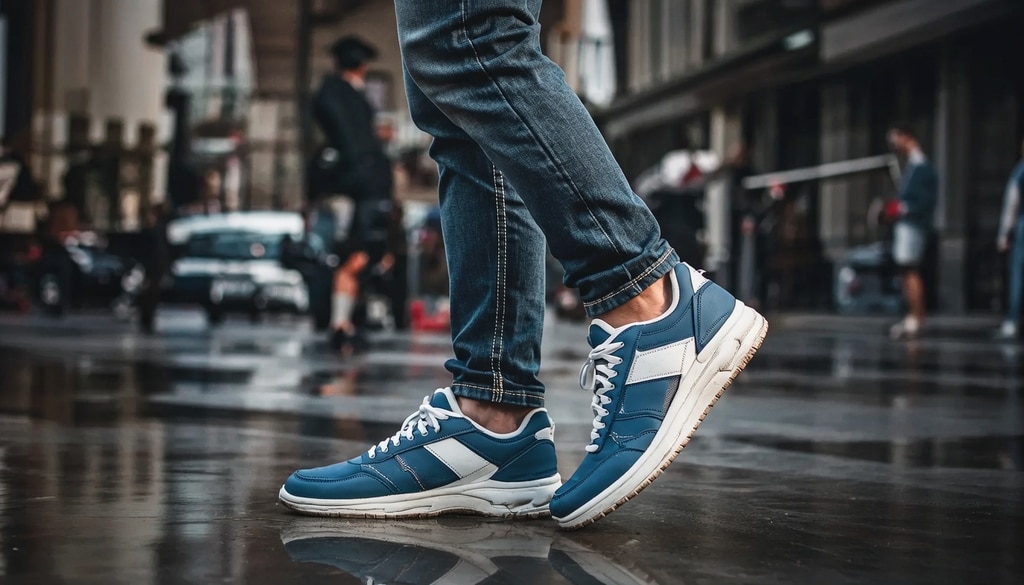
Discover the ultimate guide to landing the right shoe fit when ordering sneakers online today.
Photo Credit: iStock
That is precisely why so many people find themselves staring at their digital shopping carts wondering: Should I size up or down? The honest answer is that it depends on a few moving parts. Getting a handle on these variables can save you from the hassle of the return mail cycle and ensure your new kicks feel incredible right out of the box.
Also Read: Top 5 Casual Sneakers For Light Rain Under ₹1500
Why Sneaker Sizes Can Feel Different Across Brands
It's easy to assume your shoe size is a fixed number, but the truth is that footwear sizing is far from a universal standard. Every single manufacturer relies on its own distinct foot moulds, materials, cushioning technology, and design philosophies, all of which directly impact how a shoe actually feels on your foot.
Take running shoes, for instance. They are usually built with some extra breathing room in the toe box to account for how your feet naturally expand and swell when you're active. On the flip side, everyday lifestyle sneakers often aim for a snugger, low-profile silhouette to keep things looking clean and sharp. Even details you might not think about, like the thickness of the interior padding or the structure of the insole, can completely alter the internal volume of the shoe.
Relying solely on the size of your current favourite pair can lead to disappointment. Understanding how various styles are constructed provides you with a significant advantage before entering your payment information.
How To Decide Whether To Size Up Or Down When Buying Sneakers Online?
Understanding the key factors to consider before placing an order makes finding the ideal online fit much easier.
Step 1: Measure Your Feet Before Checking Size Charts
Don't just guess based on memory. Grab a ruler, measure the actual length and width of both feet, and stack those numbers up against the brand's official, specific size guide.
Step 2: Read Customer Reviews Carefully
The review section is a valuable resource. Look for real-world feedback on whether a specific model runs small, large, narrow, or perfectly true to size. The experiences of other shoppers through trial and error will provide insights that a basic product description cannot.
Step 3: Consider Your Foot Shape
If you have wider feet, increasing your size by half is often the best way to avoid pinched toes. If your feet are narrower, standard sizing is typically sufficient. Shape matters just as much as length.
Step 4: Think About How You Will Use The Sneakers
Are these for hitting the pavement, gym workouts, heavy walking, or just casual weekend wear? Performance gear typically needs a bit more room for movement, while casual shoes can be worn with a tighter fit.
Step 5: Check The Sneaker Materials
Flexible, stretchy mesh uppers naturally provide your feet with some breathing room. Stiff leather or heavy synthetic structures are way less forgiving and will feel much tighter right out of the box.
Common Sneaker Sizing Mistakes People Often Make
Even the most seasoned online shoppers fall into these simple traps from time to time.
1. Assuming Every Brand Uses Identical Measurements:
A UK 6 from one label can feel entirely different from a UK 6 from another. Always refer to the individual brand chart, as sizes may vary significantly.
2. Ignoring Customer Feedback:
Pretty product photos can easily blind you, causing you to overlook the reviews entirely. Don't do it; that text box is where the most practical sizing truths live.
3. Choosing Style Over Comfort:
A pair of sneakers might look absolutely incredible on your screen, but if they hurt to wear, they're just going to sit in your closet. Always prioritise how they feel over how they look.
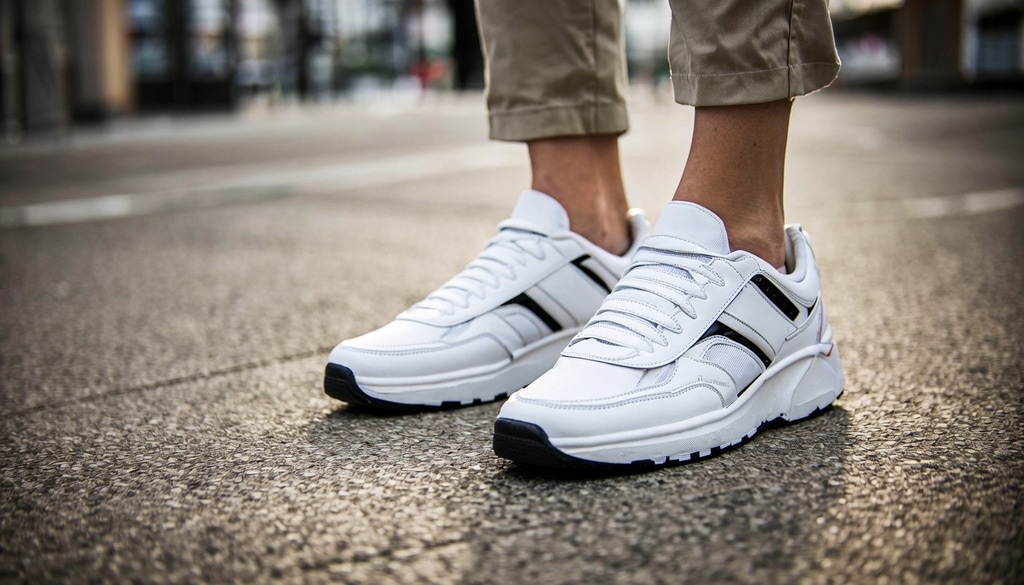
Stop struggling with sizing and get perfectly fitting kicks every time with these online tips.
Photo Credit: iStock
Some Sneaker Products You May Like
1. Boldfit Shoes: Stylish Sneakers for Men
2. Campus Men's Estilo Sneakers
3. Puma | Smashic Comfort Casual Sneakers
4. The Souled Store Souled: Autumn Men and Boys Lace Up Low Top Sneakers
5. Thomas Crick Men's GREG Suede Lace-Up Sneakers
6. U.S. POLO ASSN. Men's Joan Sneakers
7. Lotto Mens Mavin Court Sneaker
8. ASIAN Men THUNDER-07 Stylish Casual Mid-Top Sneaker
Frequently Asked Questions (FAQs)
1. Should I size up or down if I am between two sneaker sizes?
If you happen to have wider feet or the specific model is known for a narrow cut, going up half a size is almost always the safer, more comfortable route. Just be sure to scan the user reviews first to see what others suggest.
2. How much space should there be at the front of a sneaker?
A good rule of thumb, literally, is to leave about a thumb's width of space between your longest toe and the very front edge of the shoe.
3. Is it normal for running shoes to feel slightly larger?
Absolutely. Running footwear is intentionally built with a bit of extra room up front because your feet naturally swell up when you run or walk long distances.
4. Why do sneakers feel different even when they are the same size?
It all comes down to manufacturing. Different brands use distinct construction techniques, unique interior materials, varied cushioning setups, and different base moulds, all of which alter the final fit.
5. Can sneakers stretch after wearing them for some time?
While certain materials like natural leather will soften up and mould to your feet over time, modern synthetic sneakers generally won't stretch out much at all. It's best to ensure they fit right from day one.
(Disclaimer: This article may include references to or features of products and services made available through affiliate marketing campaigns. NDTV Convergence Limited (“NDTV”) strives to maintain editorial independence while participating in such campaigns. NDTV does not assume responsibility for the performance or claims of any featured products or services.)