How To Stop Flowy Skirts From Bunching Around The Waist Under Tops
Flowy skirts look effortlessly stylish until the waistband starts bunching under your top. Discover 10 practical styling tricks to prevent fabric bulges, smooth out your waistline and keep outfits comfortable.
How To Stop Flowy Skirts From Bunching Around The Waist Under Tops
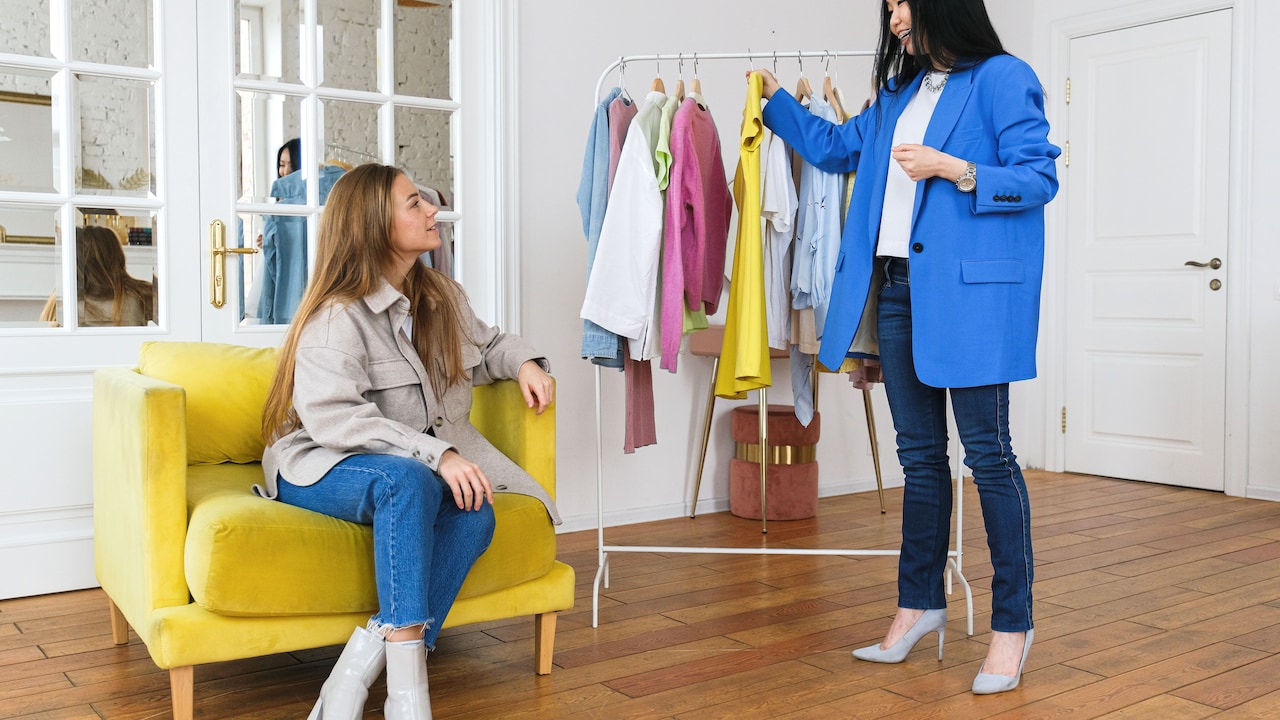
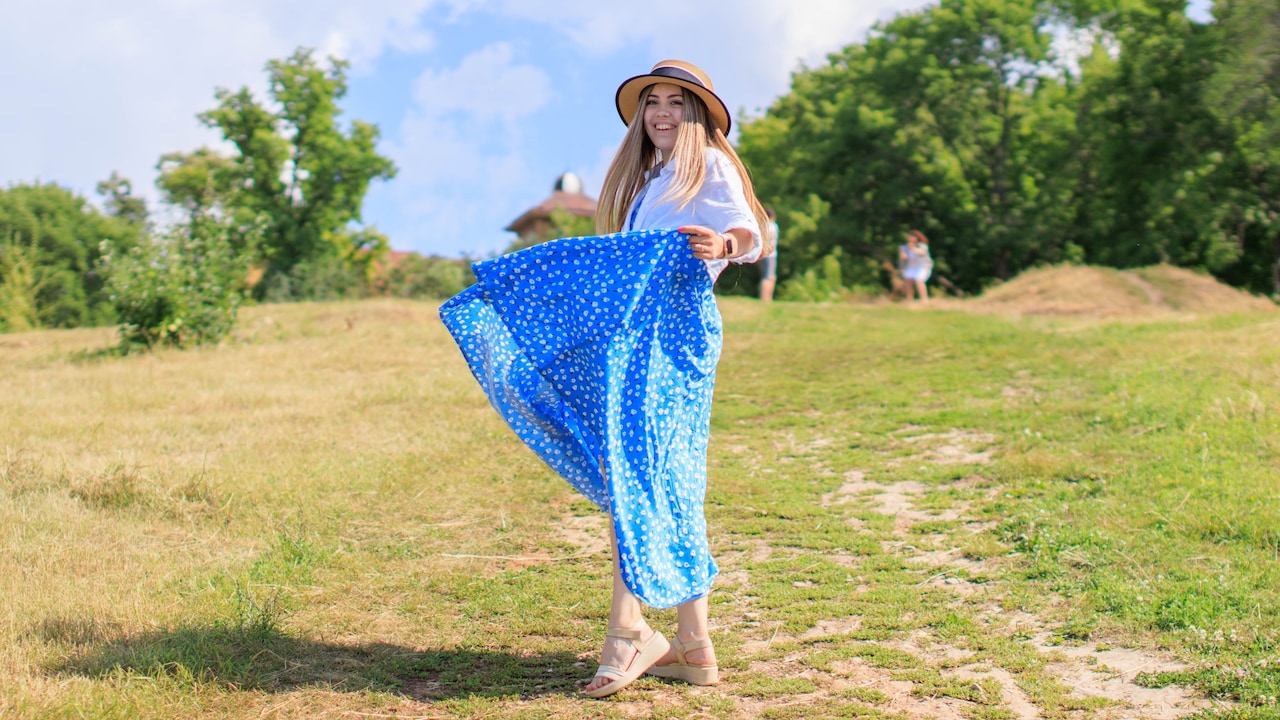
Flowy skirts have a certain charm. They move beautifully, feel comfortable and work with almost everything, from fitted T-shirts to oversized shirts and cropped kurtis. Yet, there's one frustrating problem that can spoil an otherwise lovely outfit. The moment a top goes over the waistband, the skirt starts gathering around the waist, creating an awkward bulge that wasn't part of the styling plan. Sometimes, the waistband feels perfectly comfortable, but the fabric underneath refuses to sit flat. Other times, a tucked-in shirt adds unnecessary bulk, making the waist appear wider than it actually is. The problem becomes particularly noticeable with pleated skirts, elastic waistbands and lightweight fabrics that gather near the stomach. Thankfully, fixing this doesn't require replacing an entire wardrobe or avoiding flowy skirts altogether. Small adjustments to fabric choices, waistband placement, tucking techniques and outfit proportions can make a surprising difference. The secret lies in understanding where the extra fabric collects and finding ways to distribute it more evenly.

How To Stop Flowy Skirts From Bunching Around The Waist Under Tops
Photo Credit: Pexels
10 Practical Ways To Prevent Waistline Bunching In Flowy Skirts
1. Choose Skirts With Flat Waistbands Instead Of Thick Elastic
Elastic waistbands make flowy skirts wonderfully comfortable, especially during long office hours, casual outings or family gatherings. However, thick elastic can create a frustrating problem when worn beneath fitted tops. As the elastic contracts, it pulls the surrounding fabric into small folds. These folds pile up around the waist and become visible through whatever sits on top.
A flat waistband offers a cleaner alternative. Look for skirts with structured waist panels, side zips or concealed fastening systems. These designs hold the skirt in place without gathering excess fabric around the stomach. A partially elasticated waistband can also work well, particularly when the elastic sits at the back rather than extending around the entire waist.
For skirts with full elastic waistbands, pay attention to how the fabric connects to the elastic. Some designs use heavy gathering, while others distribute the material more evenly. The second option generally creates a smoother appearance.
Try the skirt with a fitted top before buying it. Notice whether the waistband forms a visible ridge or sits comfortably against the body.
A skirt that looks beautiful on a hanger isn't necessarily the one that creates the neatest silhouette. Sometimes, a simpler waistband makes all the difference.
2. Avoid Tucking Thick Tops Into Lightweight Skirts
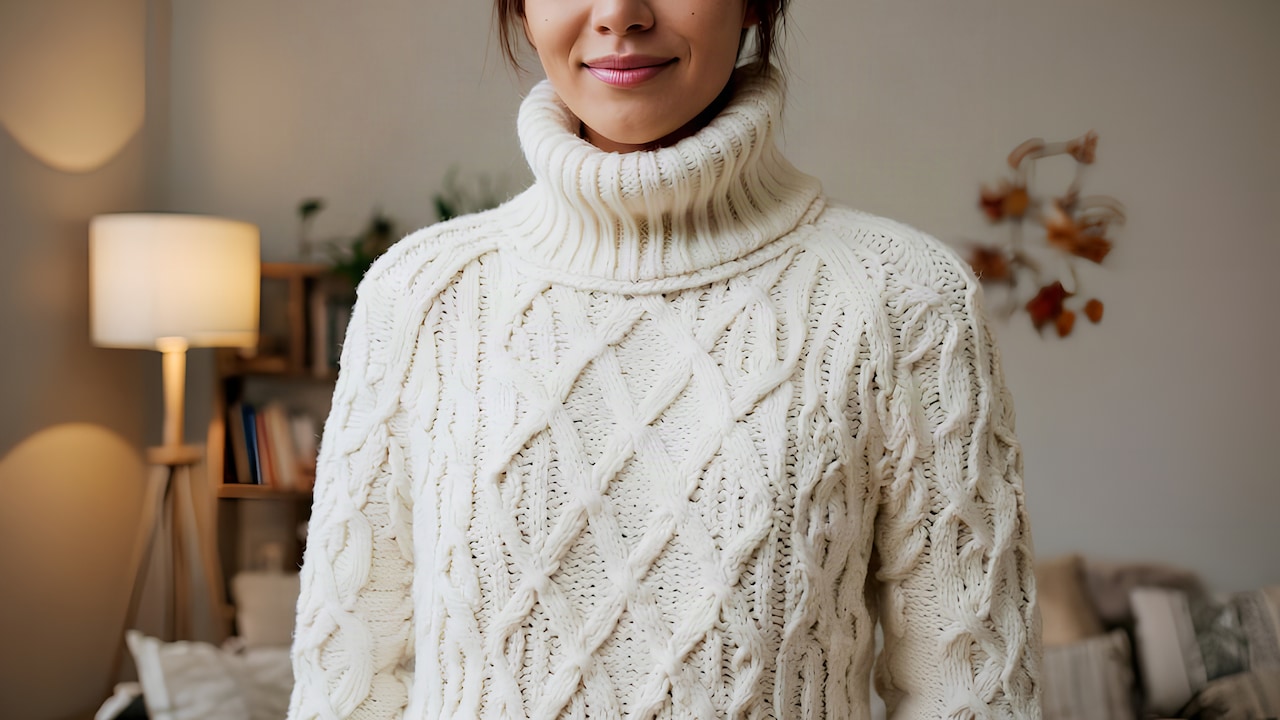
Tucking a top into a flowy skirt seems like an easy way to define the waist. Unfortunately, thick cotton T-shirts, oversized shirts and knitted tops can create more volume than expected. When several layers of fabric meet around the waistband, they form noticeable lumps that refuse to disappear.
The problem becomes worse when the skirt uses thin materials such as rayon, georgette or lightweight viscose. These fabrics naturally follow the shape of anything underneath them. A bulky shirt tucked into the waistband can therefore create uneven folds around the stomach and hips.
Instead, choose lightweight tops when planning a fully tucked outfit. Soft cotton blends, fine jersey fabrics and thin blouses usually sit more comfortably beneath a skirt. They add less material around the waist while maintaining the tucked-in appearance.
If a favourite shirt feels too thick, try a partial front tuck. Gather a small section near the front centre and leave the remaining fabric outside. This technique defines the waist without forcing the entire shirt beneath the waistband.
For particularly bulky tops, skipping the tuck altogether may produce a cleaner result. Good styling isn't always about adding structure. Sometimes, removing unnecessary fabric solves the problem immediately.
3. Position The Waistband At Your Natural Waist
Where a skirt sits can significantly affect how its fabric falls. A waistband positioned too low may rest against the widest part of the hips, causing the material above the skirt's natural flare to bunch beneath a top. Pulling it too high can create another problem, particularly when the waistband presses against the ribs or rolls down during movement.
The natural waist, usually around the narrowest part of the torso, often provides a comfortable starting point for high-waisted flowy skirts. Positioning the waistband here allows the fabric to fall more naturally over the hips instead of collecting around the lower stomach.
Stand in front of a mirror and adjust the skirt slightly upwards or downwards. Notice how the folds change. Sometimes, shifting the waistband by just a couple of centimetres makes the silhouette noticeably smoother.
This adjustment becomes particularly helpful with A-line skirts and soft cotton maxis. Their shape depends on the fabric falling freely from the waist.
However, don't force a skirt into a position its construction doesn't support. Mid-rise skirts may look and feel better lower down.
The goal isn't to follow a rigid styling rule. It's to find the position where the waistband stays secure and the fabric falls without unnecessary tension.
Also Read: 10 Fashionable Midi And Maxi Skirts To Upgrade Your Wardrobe
4. Use The French Tuck To Reduce Fabric Around The Waist
The French tuck offers a practical solution for anyone who enjoys wearing loose shirts with flowy skirts. Rather than pushing the entire top inside the waistband, this technique involves tucking only a small section at the front while allowing the sides and back to remain loose.
Why does it work? A full tuck creates an additional fabric layer around the entire waist. The French tuck concentrates that extra material in one small area, leaving the remaining waistband relatively free from bulk.
Start with a relaxed shirt or lightweight blouse. Tuck a narrow section near the front centre into the skirt, then gently pull it upwards to create a slightly loose finish. Avoid stuffing too much material inside. The tuck should appear effortless rather than tightly packed.
This method works particularly well with button-down shirts, linen tops and relaxed cotton blouses. It also creates a subtle waist definition without making the outfit feel overly structured.
For skirts with heavy gathering at the front, move the tucked section slightly towards one side. This prevents the shirt from adding volume exactly where the skirt already has extra fabric.
A French tuck won't suit every outfit, but it can transform an oversized shirt and flowy skirt combination from bulky to balanced.
5. Pick Skirts With Pleats That Start Below The Waistband
Pleated skirts can create beautiful movement, but their construction plays an important role in how much volume appears around the waist. Some designs feature pleats that open immediately beneath the waistband, creating a fuller shape around the stomach. Others keep the upper section relatively flat before allowing the pleats to expand further down.
The second design often works better when pairing flowy skirts with tops that cover the waist.
Look for skirts with stitched-down pleats, a smooth upper panel or pleats that remain controlled around the hips. These details help distribute the fabric without creating an exaggerated puff beneath a fitted blouse.
Knife pleats can also work well when the fabric is soft and the folds lie neatly. However, stiff pleated materials may hold their shape away from the body, making the waist appear fuller.
When trying on a pleated skirt, wear a top similar to the one you plan to style with it. Check the silhouette from the front and side rather than relying only on how the skirt looks by itself.
Walk a few steps and sit down before making a decision. Pleats that initially appear flat may open up with movement.
The most flattering pleated skirt isn't necessarily the one with the fewest folds. It's the one that controls volume where you need it most.
6. Layer With Cropped Tops That End Above The Waistband
Sometimes, the simplest way to prevent bunching beneath a top is to avoid covering the waistband altogether. Cropped tops, waist-length blouses and shorter shirts allow the skirt's upper section to remain visible, eliminating the extra layer that often creates an uneven appearance.
This doesn't mean choosing tops that expose the stomach. A cropped top that ends at or slightly above a high-rise waistband can provide full coverage while maintaining a balanced silhouette.
For example, a waist-length cotton blouse paired with a high-waisted maxi skirt creates a clean separation between the two garments. Neither fabric needs to sit awkwardly over the other, allowing the skirt to fall naturally.
The same approach works with short kurtis, fitted knit tops and cropped jackets. These pieces define the upper body while allowing the skirt's volume to develop below the waist.
Pay attention to the hemline, though. A top that ends directly over the thickest section of an elastic waistband may still highlight the ridge.
Choose a length that either reveals the waistband or falls smoothly without catching against it.
This styling trick is particularly useful during warmer months, when complicated layering and repeated tucking can become uncomfortable.
7. Choose Lightweight Fabrics That Fall Instead Of Puffing Out
Not every flowy fabric behaves the same way. Some materials create gentle, vertical folds, while others hold their shape and produce extra volume around the waist. Understanding this difference can help prevent the bunching that often appears beneath fitted or semi-fitted tops.
Soft viscose, modal blends and lightweight crepe generally drape smoothly. Their flexibility allows the fabric to fall downwards rather than pushing outwards around the stomach.
In contrast, stiff cotton poplin, heavy gathers and structured synthetic fabrics can create a fuller shape. These materials aren't necessarily poor choices, but they may require different styling techniques.
Fabric thickness also matters. A skirt made from several bulky layers can produce visible volume even when its waistband fits correctly. Similarly, a thick lining may gather separately from the outer fabric and create unexpected lumps.
Before buying a skirt, hold it at the waistband and observe how the material hangs. Does it form soft vertical folds, or does it spread outwards immediately?
The answer offers a useful clue about how the skirt may behave beneath a top.
For existing skirts, try pairing structured fabrics with shorter tops instead of forcing them beneath fitted shirts. Allowing the material to maintain its natural shape often creates a more comfortable and intentional outfit.

How To Stop Flowy Skirts From Bunching Around The Waist Under Tops
Photo Credit: Pexels
8. Smooth Out The Fabric Before Securing The Waistband
A skirt can have the right fit, fabric and waistband yet still develop awkward folds after dressing. Often, the problem comes from uneven fabric distribution rather than the garment itself.
When pulling on a flowy skirt, it's easy to leave too much material gathered at the front or sides. Adding a fitted top over these folds simply makes them more noticeable.
After putting on the skirt, gently adjust the waistband so it sits evenly around the body. Use your fingers to spread the gathers and smooth the fabric downwards. Pay particular attention to the stomach and side seams, where excess material tends to collect.
If the skirt features an elastic waistband, distribute the gathers rather than pushing them towards one area. This creates a more balanced silhouette and prevents an obvious puff beneath the top.
For skirts with zips, ensure the fastening lies flat and the fabric around it doesn't twist.
Once everything sits comfortably, put on your top and check the outfit again. If necessary, lift the top slightly and smooth the skirt beneath it.
This quick adjustment takes very little effort but can improve how the entire outfit looks.
It's also worth repeating after long periods of sitting, especially when wearing soft fabrics that shift throughout the day.
9. Get The Waist And Hip Measurements Right
Choosing the correct skirt size involves more than checking whether the waistband closes comfortably. A skirt can fit perfectly at the waist yet still bunch because its hip area doesn't provide enough room for natural movement.
When the upper portion feels tight, the fabric may ride upwards and gather beneath a top. This creates horizontal folds and an uneven appearance, particularly with high-waisted A-line skirts.
On the other hand, an excessively loose waistband can cause the skirt to slide downwards. As it moves, the material may collect around the hips or fold over itself beneath longer tops.
Check both waist and hip measurements before choosing a size. If the brand provides a size chart, compare your measurements rather than relying entirely on familiar labels.
Pay attention to the skirt's construction as well. A gathered maxi skirt may offer generous hip room, while a fitted yoke or panelled design requires more precise sizing.
When trying on a skirt, sit down, bend slightly and walk around. The waistband should remain secure without digging into the stomach or shifting noticeably.
If the skirt fits well everywhere except the waist, a small alteration may help. Adjusting the waistband can sometimes solve the issue without changing the beautiful flow of the garment.
10. Use The Right Undergarments And Slip Layers
Sometimes, the skirt isn't entirely responsible for the bunching. What sits underneath it can also influence how smoothly the fabric falls.
Loose undergarments, thick seams and poorly fitted slips may create additional folds around the waist. When the skirt and top cover these layers, the combined fabric can produce an uneven silhouette.
Start with comfortable, well-fitting undergarments that don't roll or gather. Seamless options may help reduce visible lines beneath lightweight skirts, particularly when pairing them with fitted tops.
A smooth, lightweight slip can also prevent certain skirt fabrics from clinging to the legs or catching against other layers. However, the slip should fit correctly and remain separate from the skirt's waistband rather than adding unnecessary bulk.
Avoid wearing multiple thick layers simply to create a smoother appearance. Extra fabric can make the original problem worse.
For skirts with built-in linings, check whether the lining twists or gathers independently. Sometimes, adjusting the lining solves the bunching without changing anything else.
Comfort should remain the priority. Undergarments that feel restrictive or require constant adjustment won't improve the overall outfit.
The right foundation should support the skirt's natural movement, not compete with it. When the inner layers sit smoothly, the outer fabric has a better chance of falling exactly as intended.

How To Stop Flowy Skirts From Bunching Around The Waist Under Tops
Photo Credit: Pexels
Products Related To This Article
1. Anayna Anayna Women Printed A-Line Flared Cotton Maxi Skirt
2. AKKRITI BY PANTALOONS Women Cotton Blend Front Slit Midi Straight Skirt
3. Glitchez Women Straight Fit Back Slit Midi Skirt
4. BLUE PIEGEON Women Cotton Floral Midi Fashion
5. ADDYVERO Women Satin Midi A-Line Skirt
6. Ginger by Lifestyle Women Floral Midi A-Line Skirt
7. AASK Cotton Midi Flared Pleated Skirt With Belt Loop
Flowy skirts shouldn't require constant pulling, smoothing or adjusting throughout the day. Most waistline bunching comes from a combination of excess fabric, unsuitable waistband construction, awkward layering and small fitting issues.
Choosing flatter waistbands, lighter tops and better-fitting skirts can help create a cleaner silhouette. Simple styling changes, such as trying a French tuck or wearing a cropped blouse, can also make existing outfits look more balanced.
The best solution depends on the skirt's fabric, shape and how it's styled. Once those details work together, flowy skirts can deliver exactly what makes them so appealing: effortless movement, everyday comfort and a flattering finish without the frustrating fabric bulges.
(Disclaimer: This article may include references to or features of products and services made available through affiliate marketing campaigns. NDTV Convergence Limited (“NDTV”) strives to maintain editorial independence while participating in such campaigns. NDTV does not assume responsibility for the performance or claims of any featured products or services.)