Why Sweater Necklines Become Loose Faster Than The Rest Of The Garment
Sweater necklines often lose their shape before the rest of the garment. Discover 10 everyday habits, fabric issues and washing mistakes that cause stretching and how to prevent them.

Why Sweater Necklines Become Loose Faster Than The Rest Of The Garment
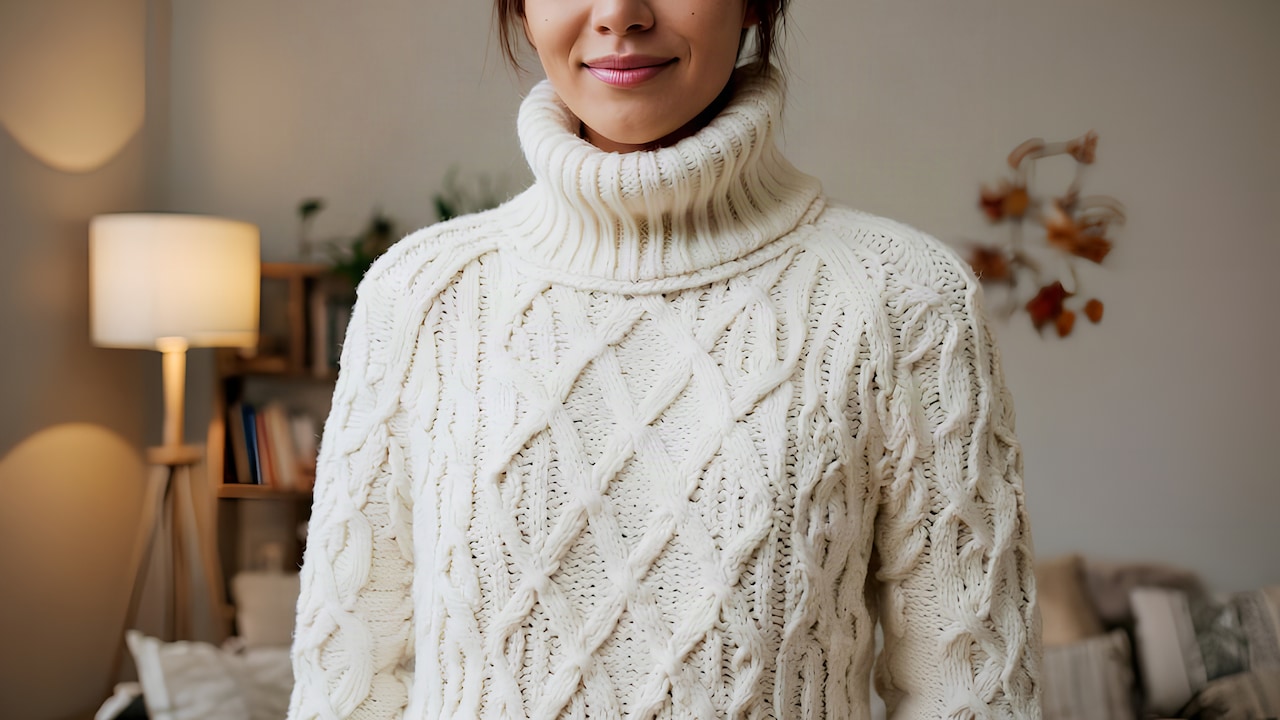
There's something mildly frustrating about pulling out a favourite sweater on a chilly morning, only to discover that its neckline has developed a personality of its own. The sleeves still fit beautifully, the body looks perfectly fine, but the collar hangs awkwardly. What once sat neatly around the neck now seems determined to slide towards the shoulders. Even worse, this often happens long before the sweater shows any other signs of wear. Sweater necklines face a different kind of pressure from the rest of the garment. Every time someone pulls a sweater over their head, adjusts the collar or takes it off after a long day, the neckline stretches. Add washing, drying, fabric quality and storage habits to the mix, and that once-snug collar gradually loses its original shape. However, not every loose neckline signals poor-quality clothing. Sometimes, the problem comes down to how manufacturers construct the collar or how particular fibres respond to repeated movement. Understanding these small details can help extend a sweater's life and prevent an otherwise comfortable winter essential from looking worn out too soon.

Why Sweater Necklines Become Loose Faster Than The Rest Of The Garment
Photo Credit: Pexels
10 Reasons Sweater Necklines Lose Their Shape Faster
1. Repeated Pulling Over The Head Stretches The Neckline
The neckline experiences considerable stretching every time someone puts on or removes a sweater. Unlike the body, which usually slides over the torso without much resistance, the neck opening must expand enough to accommodate the head. This repeated movement places considerable tension on the collar.
Think about a typical winter morning. Someone hurriedly pulls a sweater over their head while getting ready for work. Perhaps their hair gets caught, or the collar snags against their glasses. A quick tug solves the problem, but the neckline absorbs that extra force.
Most knitted fabrics contain loops that allow them to stretch and recover. However, repeated stretching can gradually affect their ability to return to their original dimensions. The problem becomes particularly noticeable when someone pulls the sweater off by gripping only the front collar.
Over time, this movement can leave the neckline wider than the manufacturer intended. The rest of the sweater might remain unaffected because it doesn't experience the same concentrated stretching.
To reduce unnecessary strain, gently lift the sweater from the lower hem when removing it. Supporting the garment with both hands distributes the pulling force more evenly, helping the collar maintain its shape.
2. Ribbed Collars Can Lose Their Elasticity Before The Body
Many sweaters feature ribbed necklines because rib knitting provides flexibility and helps the collar sit comfortably against the skin. However, the ribbed section behaves differently from the main body of the garment.
Rib knitting uses alternating knit and purl stitches to create raised vertical columns. These columns allow the fabric to expand sideways and contract afterwards. That's why a ribbed collar can stretch over the head without feeling excessively tight.
Unfortunately, this flexibility also makes the neckline vulnerable to repeated stress. When the stitches remain stretched for extended periods, or when the fibres gradually lose their resilience, the collar may struggle to regain its original shape.
The problem becomes more noticeable in sweaters with loosely knitted ribs or collars that lack sufficient structural support.
A sweater might initially feature a beautifully defined neckline, but several months of regular wear can leave those ribs looking flatter and wider.
One useful shopping habit involves gently stretching a small section of the collar and observing how quickly it recovers. A well-constructed ribbed neckline should spring back without remaining noticeably distorted.
However, avoid pulling aggressively while testing it. The goal is to assess recovery, not recreate the problem before leaving the shop.
3. Low-Quality Yarn Struggles To Recover After Stretching
Not all sweater yarns respond equally to stretching. Fibre composition, yarn construction and knitting density influence how well a neckline retains its original shape.
Some wool fibres possess natural elasticity because of their crimped structure. This characteristic helps them recover from moderate stretching. Certain synthetic fibres, such as polyester, can also provide good dimensional stability, depending on their construction.
Cotton, on the other hand, generally offers less natural elastic recovery. A loosely knitted cotton sweater may develop a wider neckline after repeated wear, especially when the collar lacks additional reinforcement.
However, fibre labels alone don't tell the complete story. Yarn twist, stitch tension and finishing techniques also influence durability.
Consider two sweaters that look almost identical on a shopping rack. One uses tightly constructed yarn with a firm ribbed collar, while the other features loose stitches and a softer, less structured neckline. Both may feel comfortable initially, but their long-term performance can differ considerably.
Before purchasing a sweater, examine the collar closely. Look for consistent stitches, a firm edge and enough flexibility for comfortable movement.
A soft neckline isn't necessarily weak, but excessive looseness or poor recovery during gentle handling can indicate potential stretching problems later.
Also Read: Stay Warm And Stylish: Explore Sweatshirt And Sweaters For Women On Myntra
4. Hanging Sweaters Can Gradually Distort The Collar
Hanging sweaters might seem like the easiest way to keep wardrobes organised. Unfortunately, knitted garments don't always appreciate the arrangement.
Unlike structured shirts or jackets, sweaters often rely on flexible stitches rather than rigid fabric construction. When someone hangs a relatively heavy sweater, gravity continuously pulls the garment downwards.
The shoulders usually bear much of this weight, but the neckline can also experience distortion, particularly when the hanger pushes against the collar or supports the sweater unevenly.
Over several weeks, the combined effects of gravity and poor support may stretch certain sections of the knit. A wide-necked sweater can become especially vulnerable when it hangs from a narrow hanger.
The problem often becomes apparent after winter clothing has spent months untouched in a wardrobe. The sweater looks perfectly clean, yet its neckline no longer sits as neatly as before.
Folding sweaters offers a simple alternative. Place heavier knits on shelves or inside drawers, ensuring that other garments don't crush their collars.
If hanging becomes necessary because of limited storage space, fold the sweater over a padded hanger instead of suspending it from the shoulders.
A little wardrobe rearrangement can save considerable frustration when sweater season returns.

Why Sweater Necklines Become Loose Faster Than The Rest Of The Garment
Photo Credit: Pexels
5. Hot Water And Aggressive Washing Can Damage The Neckline
Washing removes sweat, dust and everyday grime, but excessive heat and mechanical agitation can also affect a sweater's structure.
Different fibres respond differently to water temperature. Some wool garments may shrink or felt under unsuitable washing conditions, while certain blends can experience changes in shape and elasticity.
The neckline becomes particularly vulnerable when vigorous washing combines with repeated stretching.
Imagine washing a delicate sweater alongside jeans, towels and other heavy garments. During the wash cycle, those heavier items can twist, pull and rub against the collar. The resulting stress may distort its knitted structure.
Hot water can worsen certain fibre-related problems, especially when the care label recommends cooler temperatures.
A gentler approach usually works better. Check the manufacturer's washing instructions before choosing a cycle. Use a mild detergent suitable for the fibre and avoid overloading the washing machine.
For delicate sweaters, hand washing or an appropriate gentle cycle may offer better protection.
When hand washing, press the garment gently through the water instead of rubbing or twisting the collar.
Clean clothing matters, of course. But a sweater shouldn't need to survive an obstacle course every time laundry day arrives.
6. Wringing And Improper Drying Stretch The Wet Fabric
A freshly washed sweater can hold a surprising amount of water. Unfortunately, that additional weight makes improper handling particularly risky.
When fibres absorb moisture, their behaviour can change. Some become more flexible, while certain knitted structures lose temporary support. Pulling or twisting the garment at this stage can distort its shape.
The neckline often suffers when someone lifts a soaking sweater by its collar or shoulders.
Consider the familiar laundry routine of washing a sweater, wringing out the water and hanging it from a clothesline. The process seems practical, especially during damp winter weather.
However, twisting the sweater can strain the knitted loops, while hanging it vertically allows the weight of retained water to pull downwards. Together, these actions may leave the neckline wider or uneven.
Instead, gently squeeze out excess water without twisting the garment. Lay the sweater between two clean towels and press lightly to absorb additional moisture.
Next, spread it flat on a dry towel or suitable mesh drying rack. Carefully reshape the shoulders, body and neckline while the fabric remains damp.
Avoid stretching the collar during this process.
Flat drying takes more space, but it helps protect the garment's proportions and reduces unnecessary stress on vulnerable knitted areas.
7. Constant Collar Adjustments Create Uneven Stretching
Some people adjust their sweater necklines almost without thinking. A quick pull at the collar while sitting at a desk, another adjustment after removing a scarf, and perhaps a final tug before stepping outside.
Individually, these movements seem harmless. Repeated throughout the day, however, they can place uneven tension on the neckline.
The problem becomes more noticeable when someone consistently pulls the same section. For example, repeatedly tugging the front collar away from the throat may gradually distort that area.
Unlike the sweater's body, which generally experiences broader movement, the neckline receives concentrated pressure from fingers gripping small sections of fabric.
Accessories can contribute too. Scarves, necklaces and bag straps may occasionally catch against the collar, encouraging additional pulling.
This doesn't mean wearing accessories will automatically ruin a sweater. The issue arises when repeated snagging and forceful adjustments become part of everyday wear.
If the neckline feels uncomfortable, consider whether the collar style or sweater size suits your needs.
A slightly wider crew neck or comfortable V-neck may work better than a tight collar that constantly needs adjusting.
Sometimes, choosing a comfortable neckline from the beginning prevents months of unnecessary tugging.
8. Poor Neckline Construction Makes Some Sweaters More Vulnerable
A sweater's neckline depends on more than the yarn alone. The way manufacturers attach, finish and reinforce the collar can significantly affect its durability.
Some sweaters feature separate ribbed neckbands that manufacturers knit or sew onto the main garment. Others incorporate the neckline directly into the knitted structure.
Neither approach automatically guarantees better quality. What matters is how securely the collar connects to the body and how effectively the construction supports repeated stretching.
A poorly attached neckband may gradually lose shape because the joining stitches cannot provide enough stability. Uneven tension around the neckline can also cause one section to stretch more than another.
This explains why certain sweaters develop loose collars after only a handful of wears, while others maintain their shape for several winters.
When shopping, inspect the inside of the neckline rather than judging the garment entirely by its appearance.
Look for neat joining stitches, consistent tension and a collar that lies evenly without puckering or excessive gaps.
A neckline that already appears wavy or distorted on the hanger deserves closer attention.
Attractive colours and soft textures can make a sweater tempting, but careful construction often determines whether it remains a wardrobe favourite or becomes an expensive disappointment.
9. Frequent Wear Without Rest Can Affect Shape Recovery
A comfortable sweater can quickly become the default choice for chilly mornings, office air conditioning and evening walks.
However, wearing the same garment repeatedly without giving its knitted structure time to relax may contribute to gradual distortion.
Some fibres recover their shape more effectively after periods without tension. Wool, for instance, has natural resilience, although its recovery still depends on yarn quality, moisture, construction and previous wear.
Continuous stretching can become more problematic when the neckline already lacks adequate elasticity.
Imagine wearing the same sweater almost every day during a particularly cold week. The collar stretches whenever the garment goes over the head and experiences further movement throughout the day.
Over time, this repeated strain may cause the neckline to lose some of its original definition.
Rotating sweaters can reduce the frequency of stretching each garment experiences. It also creates an opportunity to inspect collars, remove surface lint and address minor problems before they worsen.
After wearing a sweater, allow any moisture to evaporate before folding it neatly.
There's no universal rule requiring sweaters to rest for a particular number of days. Still, rotating frequently worn knits helps distribute wear across the wardrobe rather than concentrating it on one favourite garment.
10. Incorrect Storage And DIY Repairs Can Make Looseness Worse
Once a neckline begins stretching, the temptation to fix it immediately can be strong. Unfortunately, some popular shortcuts may create additional problems.
Exposing a collar to very hot water, using a hot iron or pulling it tightly while stitching can damage fibres or produce an uneven neckline.
Certain natural fibres may respond to controlled moisture and reshaping, but the outcome depends heavily on the sweater's material and construction.
For example, carefully reshaping a damp wool neckline may help address minor distortion. However, aggressive heat can cause unwanted shrinkage or felting.
Synthetic blends may behave differently, and excessive ironing temperatures can damage heat-sensitive fibres.
Storage habits also influence whether a weakened neckline deteriorates further.
Stuffing sweaters into overcrowded drawers can leave collars twisted or trapped beneath heavier garments. Repeatedly pulling a sweater out by its neckline only adds to the problem.
Instead, fold garments loosely and avoid placing heavy objects directly over delicate collars.
For noticeable stretching, a skilled tailor or knitwear repair specialist may be able to reinforce or replace the neckband, depending on the construction.
Not every stretched neckline can return to its original dimensions. Sometimes, professional repair offers a more reliable solution than experimenting with household remedies.

Why Sweater Necklines Become Loose Faster Than The Rest Of The Garment
Photo Credit: Pexels
Products Related To This Article
1. Roadster The Lifestyle Co. Typography Acrylic Pullover
2. CAHOOT Cable Knit Cable Knit Woollen Pullover
3. Roadster Women Pink & White Self Design Pullover
4. Glitchez Striped Relaxed Fit Pullover
5. DressBerry Women Black & Pink Striped Pullover
6. Mast & Harbour Acrylic Fair Isle Pullover
7. Mast & Harbour Printed Pullover Sweaters
A loose sweater neckline rarely develops overnight. Repeated pulling, unsuitable washing methods, poor drying habits and weak construction can gradually affect the collar while the rest of the garment continues looking perfectly wearable.
Fortunately, small changes can make a meaningful difference. Folding sweaters instead of hanging them, washing according to fabric instructions, drying them flat and handling collars gently can help preserve their shape.
Choosing well-constructed knitwear also matters. A sturdy neckline with good recovery often proves more valuable than a fashionable design that loses its structure after a few wears.
After all, a favourite sweater should provide warmth and comfort, not require constant adjustments to keep its collar where it belongs.
(Disclaimer: This article may include references to or features of products and services made available through affiliate marketing campaigns. NDTV Convergence Limited (“NDTV”) strives to maintain editorial independence while participating in such campaigns. NDTV does not assume responsibility for the performance or claims of any featured products or services.)