Slim Fit vs Tapered Fit Trousers: What's The Real Difference
Slim fit and tapered fit trousers may sound similar, but their cut, comfort, and styling differ significantly. This guide breaks down the key differences to help choose the right fit for any wardrobe.
Slim Fit Vs Tapered Fit Trousers: Key Differences Explained For Better Style Choices.
Walk into any clothing store, from a bustling high-street outlet in Delhi to a premium showroom in Mumbai, and one question pops up almost instantly: 'Slim fit or tapered fit?' The salesperson says it with confidence, but the explanation rarely goes beyond a quick gesture at the legs.
The truth is, both styles have reshaped modern menswear. They sit miles apart from the baggy jeans that once dominated wardrobes. Yet, confusion lingers. Many end up buying trousers that look great on the hanger but feel awkward after a few hours of wear.
Understanding the difference is not just about fashion; it is about comfort, body type, and lifestyle. Whether dressing for a ₹10,000-a-month office job or investing ₹5,000 in a premium pair for special occasions, the choice between slim and tapered can make or break the look. Let's decode this properly.
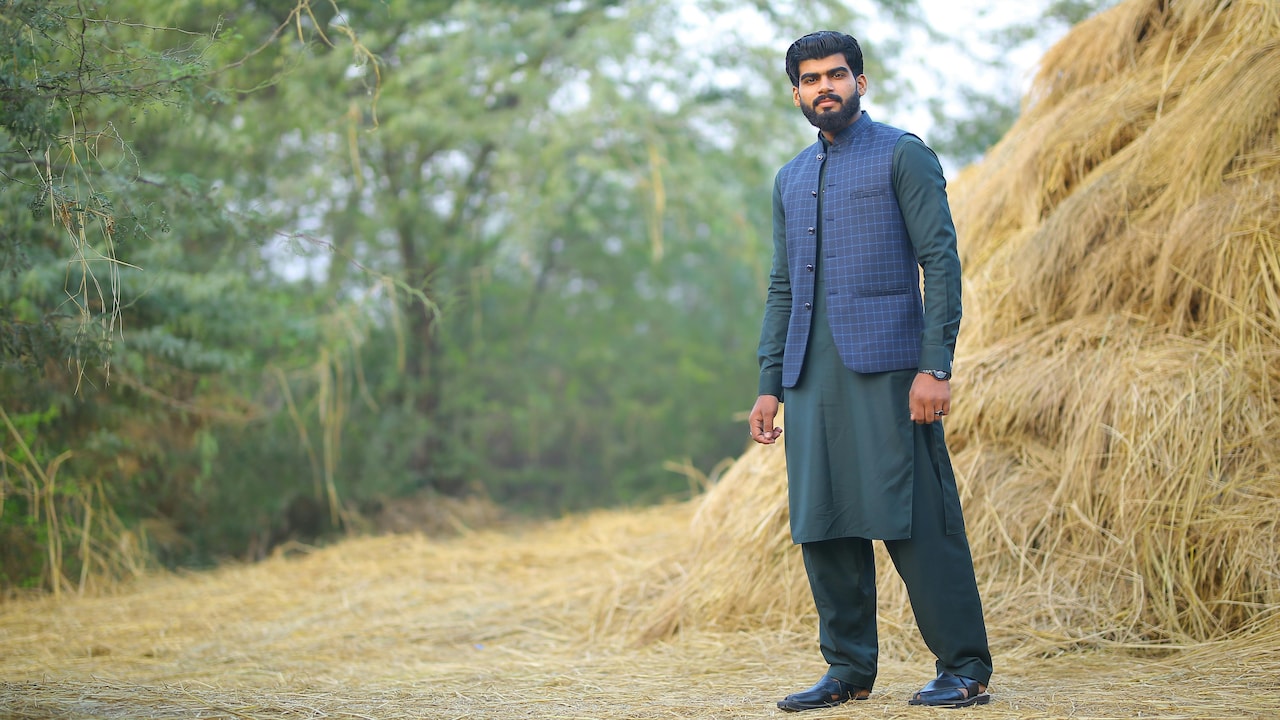
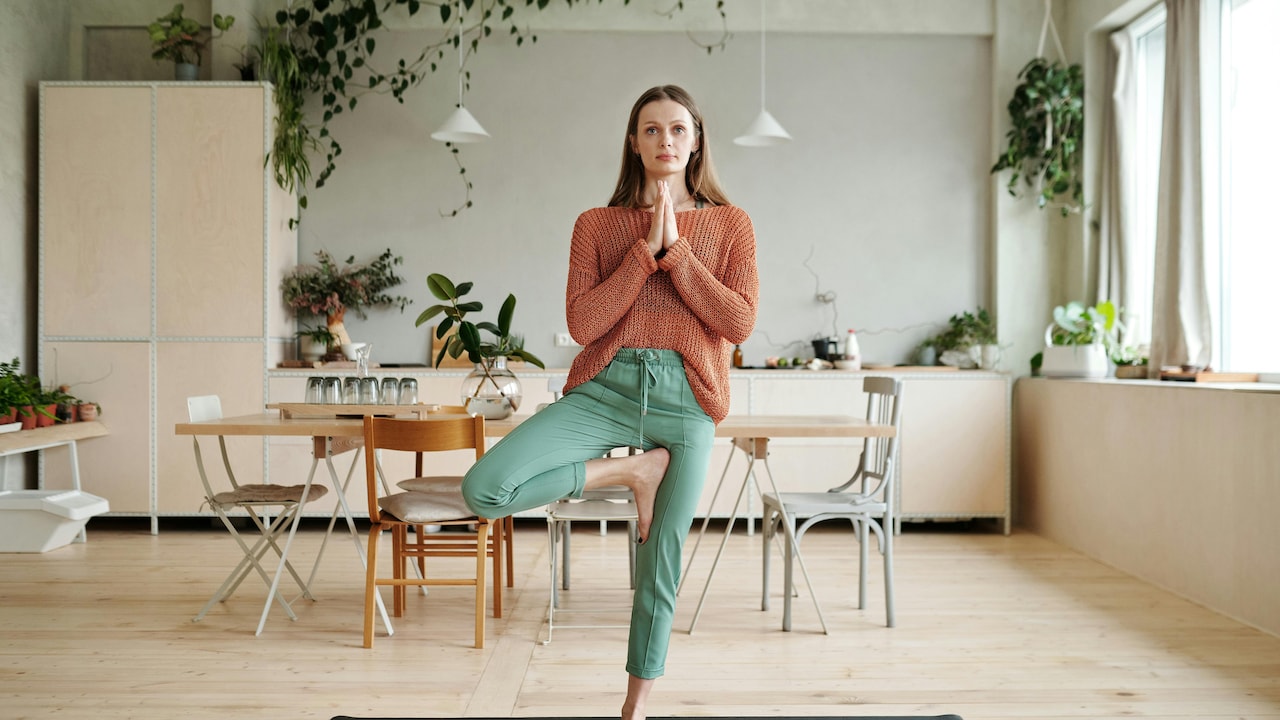
Slim Fit vs Tapered Fit Trousers: What's The Real Difference; Photo Credit: Pexels
Key Differences Between Slim Fit And Tapered Fit Trousers
Slim Fit Defined
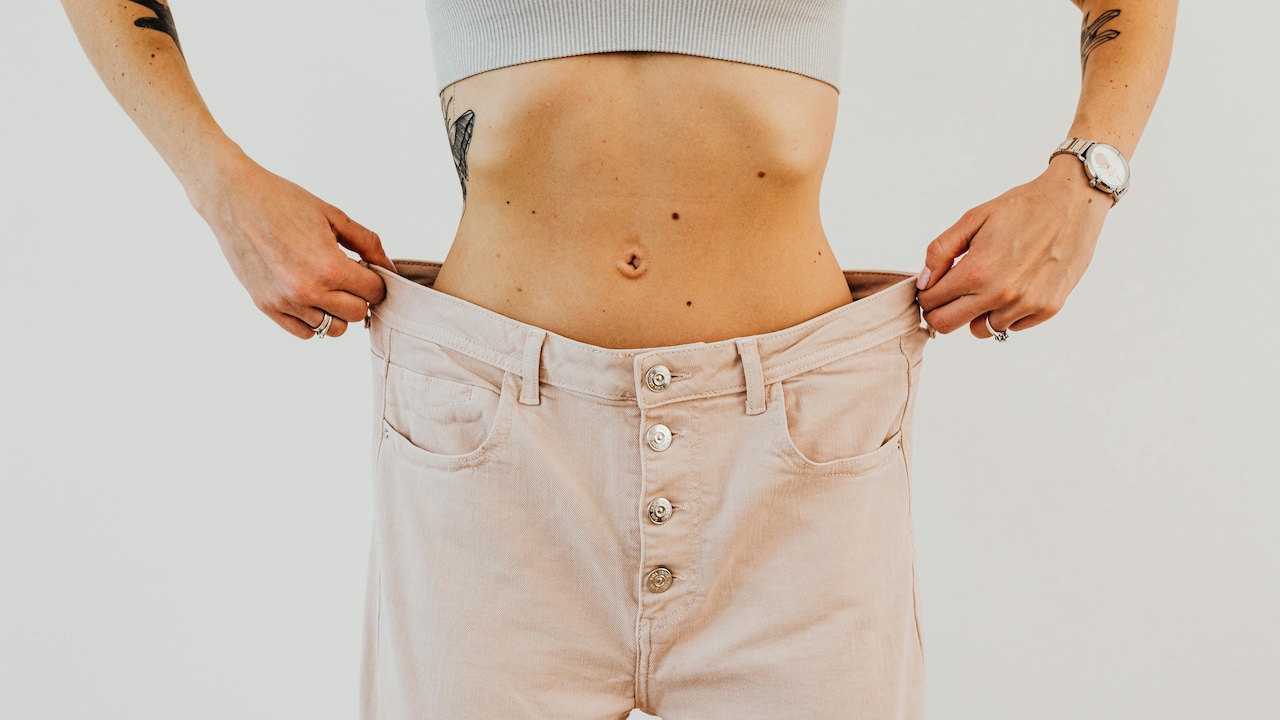
Slim fit trousers follow a straightforward philosophy: maintain a consistently narrow cut from waist to ankle. The fabric stays close to the body without clinging excessively. Think of it as a neat, tailored silhouette that avoids both bagginess and tightness.
The appeal lies in its clean lines. Slim fit works well for those who prefer a sharp, contemporary look without stepping into the territory of skinny fits. It complements formal shirts, blazers, and even casual tees with equal ease.
However, a slim fit does not adapt much to body variations. The cut remains uniform throughout, which means individuals with broader thighs or calves may feel restricted. Sitting for long hours, say, during a commute or desk job, can highlight this limitation.
Despite that, slim-fit trousers remain a reliable choice for those who prioritise structure and symmetry. They deliver a polished appearance that feels intentional rather than experimental.
Tapered Fit Explained
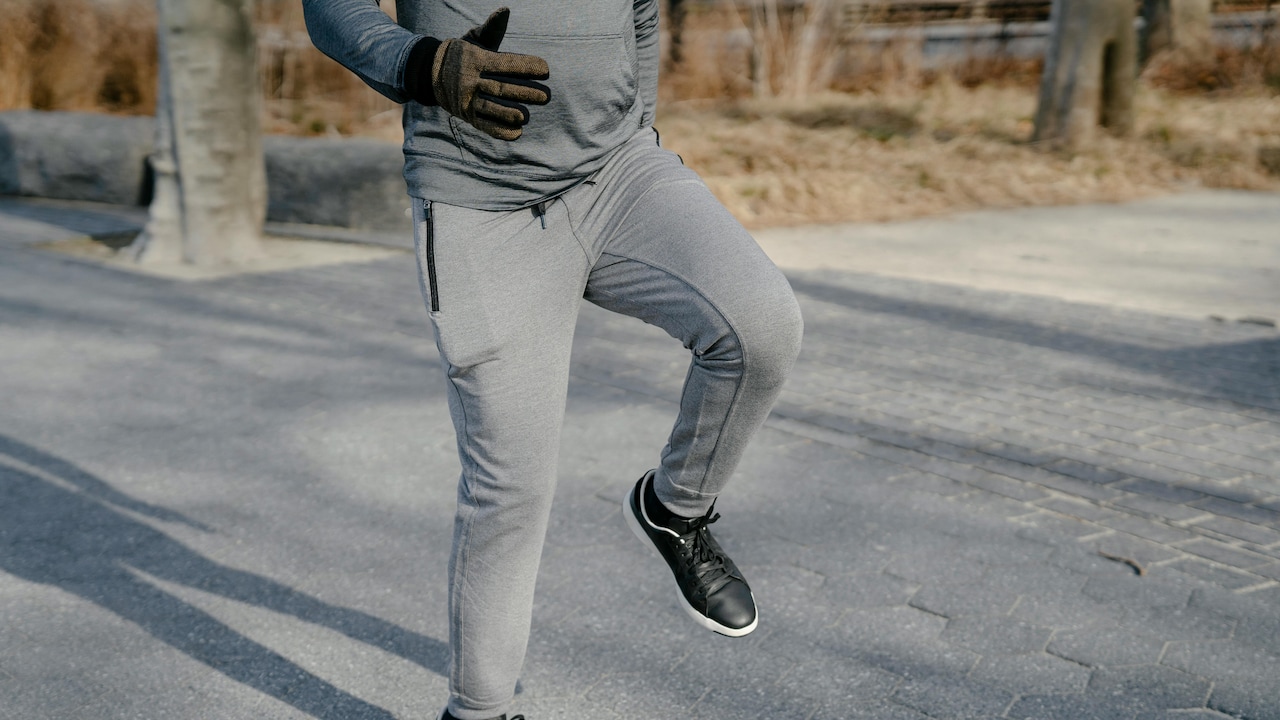
Tapered fit trousers take a more flexible approach. They begin with a relaxed or regular cut at the waist and thighs, then gradually narrow down towards the ankle. This design creates a natural shape that mirrors the body's contours.
The key difference lies in comfort. Extra room at the top allows ease of movement, making tapered trousers ideal for long days, travel, or active routines. The narrowing at the bottom ensures the overall look still appears sharp.
This style feels more forgiving. It accommodates muscular thighs or varied proportions without looking oversized. The result is a balanced blend of comfort and style.
Tapered trousers have gained popularity because they adapt to real life. Whether navigating crowded streets or attending casual gatherings, they offer freedom without compromising on appearance.
It is fashion that moves with the wearer rather than restricting them.
Also Read: 7 Best Men's Trousers For Long Commutes That Balance Comfort And Style
The Key Difference In Cut
At first glance, both styles may look similar. The real distinction reveals itself in the cut. Slim fit maintains a uniform width, while tapered fit transitions from wider to narrower.
This subtle difference changes everything. Slim fit creates a straight, streamlined line, almost like a tailored column. Tapered fit, on the other hand, introduces a gentle curve that follows the natural shape of the leg.
The impact becomes clear when walking or sitting. Slim fit can feel structured but slightly rigid. Tapered fit feels dynamic, adjusting effortlessly to movement.
Choosing between the two often comes down to preference. Those who enjoy precision lean towards slim fit. Those who value adaptability gravitate towards tapered styles.
Understanding this distinction helps avoid the common mistake of assuming both are interchangeable.
Comfort And Everyday Wear
Comfort plays a decisive role in trouser selection. A pair may look excellent in the mirror but fail during a full day of wear.
Slim-fit trousers, while stylish, can feel restrictive during extended use. Activities like climbing stairs, sitting cross-legged, or even long commutes can highlight the snugness.
Tapered fit trousers shine in this area. The extra room around the thighs allows natural movement. Whether travelling in a crowded train or spending hours at a desk, they offer noticeable ease.
For those juggling busy schedules, comfort often outweighs strict aesthetics. Spending ₹2,000 on a pair that feels good all day makes more sense than ₹4,000 on one that looks great but limits movement.
Ultimately, comfort is not a luxury; it is a necessity. Tapered fit recognises that better than slim fit.
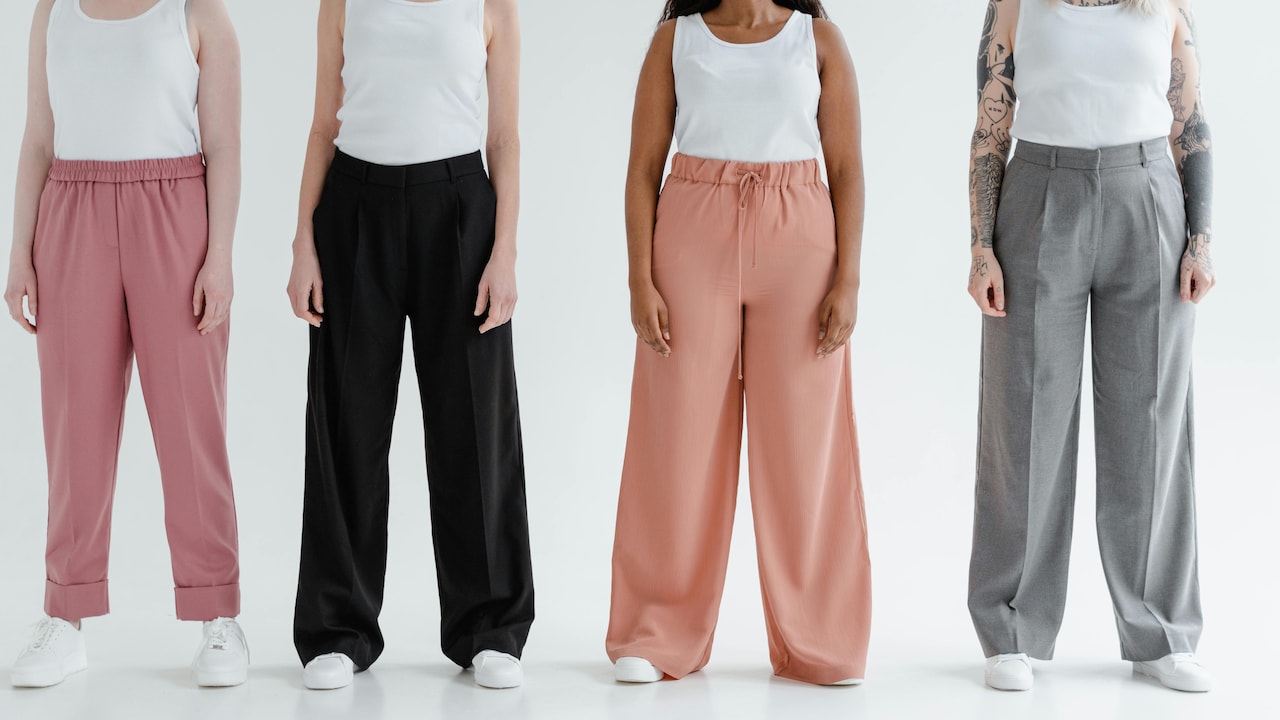
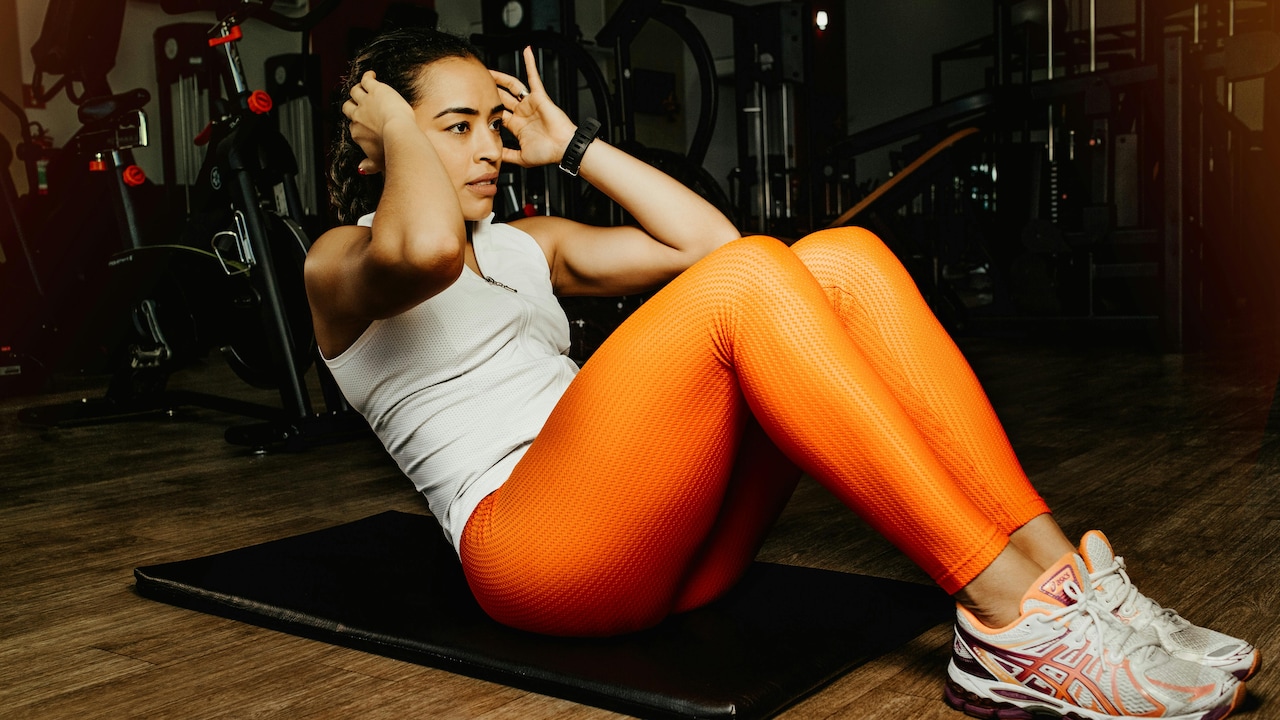
Slim Fit vs Tapered Fit Trousers: What's The Real Difference; Photo Credit: Pexels
Style And Visual Appeal
Style remains subjective, yet certain patterns emerge. Slim-fit trousers project a crisp, refined image. They pair well with formal settings, giving off a professional and organised vibe.
Tapered fit trousers lean slightly towards versatility. They transition seamlessly from office wear to casual outings. Paired with sneakers, they feel relaxed; with formal shoes, they still hold their ground.
The visual difference lies in balance. Slim fit emphasises straight lines, while tapered fit introduces dimension.
For those who enjoy experimenting with outfits, tapered trousers offer more flexibility. For those who prefer a consistent, classic look, slim fit remains dependable.
Both styles have their place. The choice depends on how one wishes to present themselves, structured or adaptable.
Body Types And What Works Best
Not every fit suits every body type. Recognising this saves both money and frustration.
Slim-fit trousers work best for lean or proportionate builds. They highlight the natural shape without excess fabric. However, for those with broader thighs or calves, the fit may feel tight and less flattering.
Tapered fit trousers accommodate a wider range of body types. The relaxed upper section provides space, while the narrowing below maintains a neat appearance. This balance makes them more inclusive.
Trying different fits in-store often reveals surprising results. A style that seemed appealing online may not suit real proportions.
Understanding body type ensures smarter choices. It transforms shopping from guesswork into a more informed process.
Occasion Matters More Than You Think
Different settings demand different styles. Slim-fit trousers excel in formal environments. Offices, meetings, and events benefit from their sharp appearance.
Tapered fit trousers adapt better to mixed settings. They work equally well for casual outings, semi-formal gatherings, and even travel.
Wearing a slim fit to a relaxed weekend outing may feel overdressed. Wearing a tapered fit to a strict formal event may appear slightly casual.
Matching the fit to the occasion enhances overall presentation. It shows attention to detail without saying a word.
A well-chosen pair of trousers can elevate confidence, whether attending a wedding or grabbing coffee with friends.
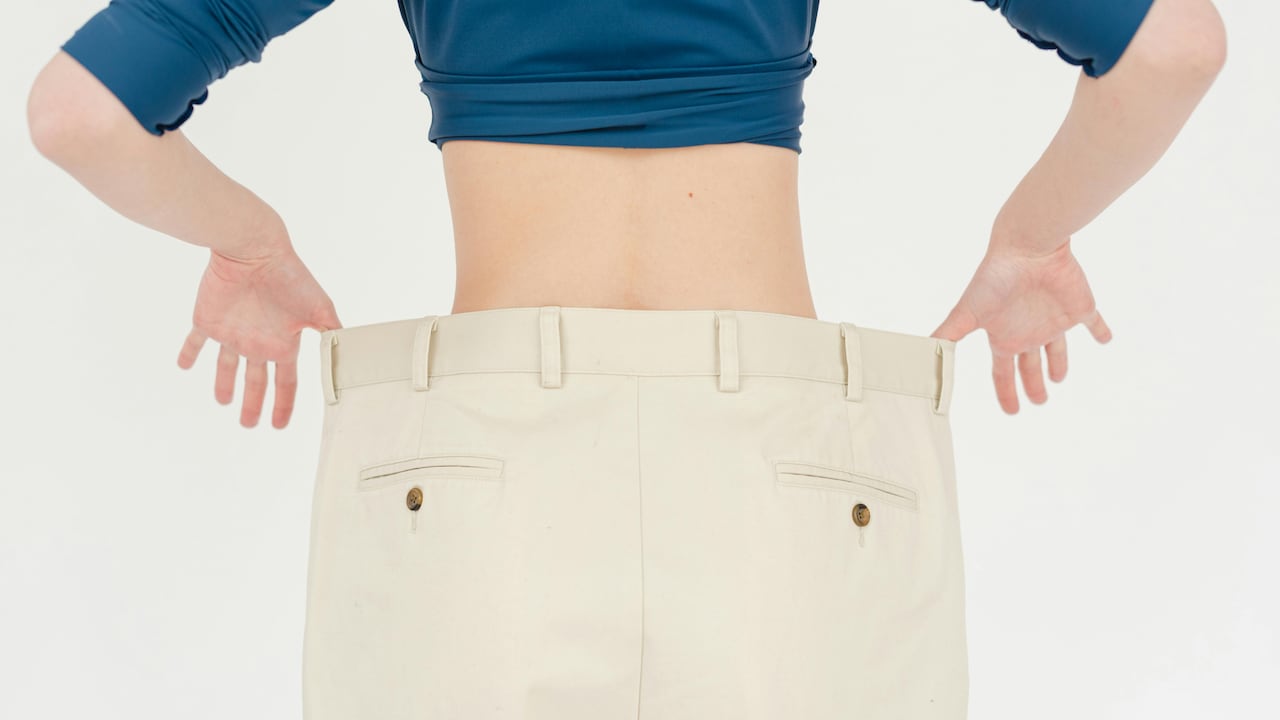
Slim Fit vs Tapered Fit Trousers: What's The Real Difference; Photo Credit: Pexels
Fabric And Fit Interaction
Fabric plays a crucial role in how each fit behaves. Slim-fit trousers often rely on stretch materials to compensate for their narrower cut. Without stretch, they can feel restrictive.
Tapered fit trousers allow more flexibility in fabric choice. Cotton, blends, and even heavier materials work well because of the relaxed upper design.
The interaction between fabric and fit affects comfort, durability, and appearance. Spending ₹3,000 on a high-quality fabric in the right fit often proves more valuable than cheaper alternatives.
Understanding this relationship helps make smarter purchases. It ensures the trousers not only look good but also last longer and feel better.
Trends And Changing Preferences
Fashion evolves constantly. Slim fit dominated for years, replacing looser styles with sharper silhouettes.
Recently, the tapered fit has gained traction. People now prioritise comfort alongside style. The shift reflects changing lifestyles, more movement, more flexibility, and less rigid dressing norms.
This does not mean slim fit has lost relevance. It remains a staple, especially in formal wear. However, a tapered fit represents a modern approach that blends practicality with aesthetics.
Trends come and go, but comfort-driven choices tend to stay. Understanding this shift helps build a wardrobe that remains relevant over time.
Price Versus Value
Price often influences decisions, but value matters more. A ₹1,500 pair that fits perfectly and lasts years offers better value than a ₹4,000 pair that rarely gets worn.
Slim fit trousers may require more precise tailoring, sometimes increasing costs. Tapered fit trousers, being more forgiving, often provide better value for everyday use.
Investing in versatile pieces reduces the need for multiple purchases. A well-chosen tapered pair can serve both casual and semi-formal needs, maximising utility.
Smart shopping focuses on longevity, comfort, and adaptability rather than just price tags.
Products Related To This Article
1. CHIC BY TOKYO TALKIES Women Slim Fit High-Rise Formal Trousers
2. Roadster The Lifestyle Co. Women Cotton Cargos Tapered Fit Trousers
3. Roadster Women Slim Fit Solid Cargos Trousers
4. Go Colors Women Mid-Rise Tapered Fit Trousers
5. Blissclub Women The Ultimate Regular Cigarette Pants
6. Marks & Spencer Women Slim Fit High-Rise Trousers
7. Tokyo Talkies Women Mint Green Tapered Fit Cargos Trousers
Slim fit and tapered fit trousers may seem similar at first glance, but the differences run deeper than labels. Slim fit offers structure, precision, and a classic appeal. Tapered fit delivers comfort, adaptability, and modern versatility.
Choosing between them depends on lifestyle, body type, and personal preference. There is no universal answer, only what works best for the individual.
Understanding these nuances transforms shopping from confusion into clarity. It ensures every purchase feels right, looks good, and stands the test of time.
In the end, the perfect pair of trousers is not just about fashion. It is about feeling comfortable, confident, and ready for whatever the day brings.
(Disclaimer: This article may include references to or features of products and services made available through affiliate marketing campaigns. NDTV Convergence Limited (“NDTV”) strives to maintain editorial independence while participating in such campaigns. NDTV does not assume responsibility for the performance or claims of any featured products or services.)