Smartwatches vs Smart Rings: Which One Actually Improves Your Daily Routine?
Smartwatches offer features and constant connectivity, while smart rings focus on comfort and subtle health tracking. But which one truly fits into daily life without becoming a distraction?
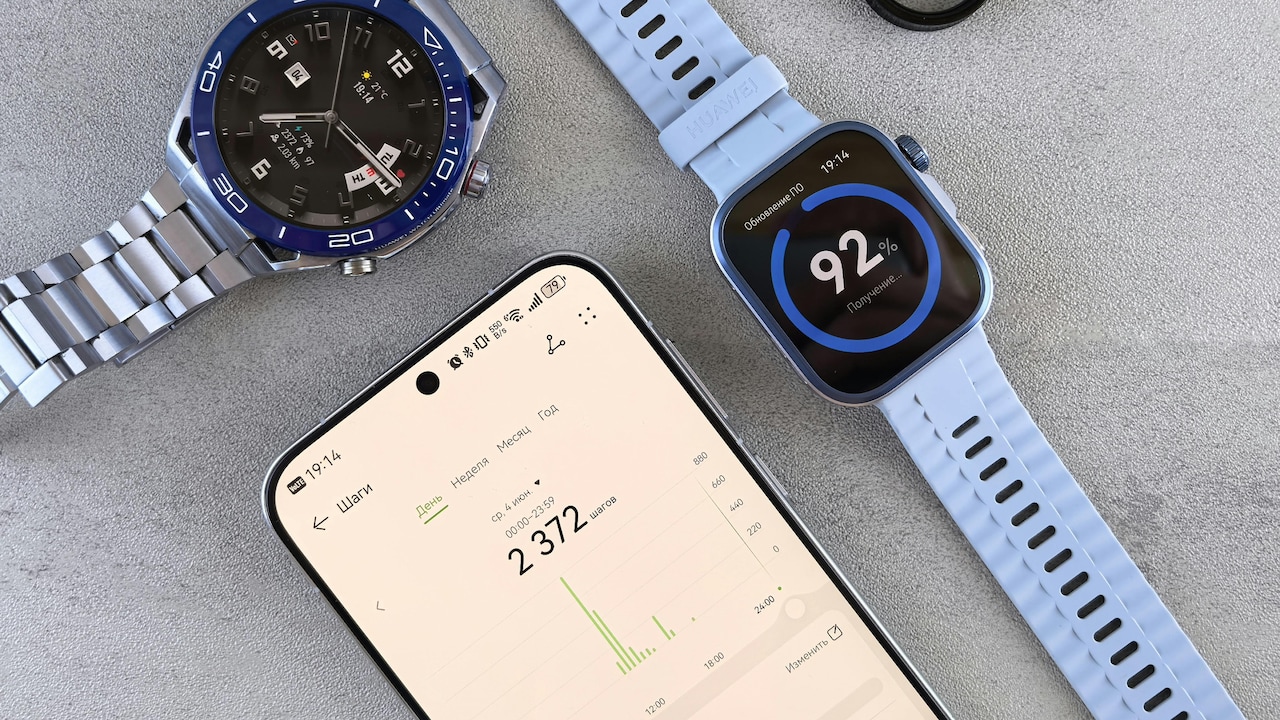
Smartwatches vs Smart Rings: Which Is Better For Your Daily Routine?
Technology rarely asks permission before becoming essential. A decade ago, fitness bands felt like a novelty. Today, wearables track heart rate, monitor sleep cycles, and even nudge users to stand up during long work hours. Amid this shift, two devices compete for attention: smartwatches and smart rings.
At first glance, the choice seems simple. One sits boldly on the wrist, flashing notifications and apps. The other hides quietly on a finger, gathering data without fuss. But the real question goes deeper than design. Which one genuinely improves daily life without becoming another distraction?
Consider a typical weekday. Morning alarms, office commutes, endless meetings, quick workouts squeezed between tasks, and a late dinner. Somewhere in this rhythm, a device either simplifies life or complicates it. The answer lies not in features alone, but in how naturally each device blends into everyday habits.
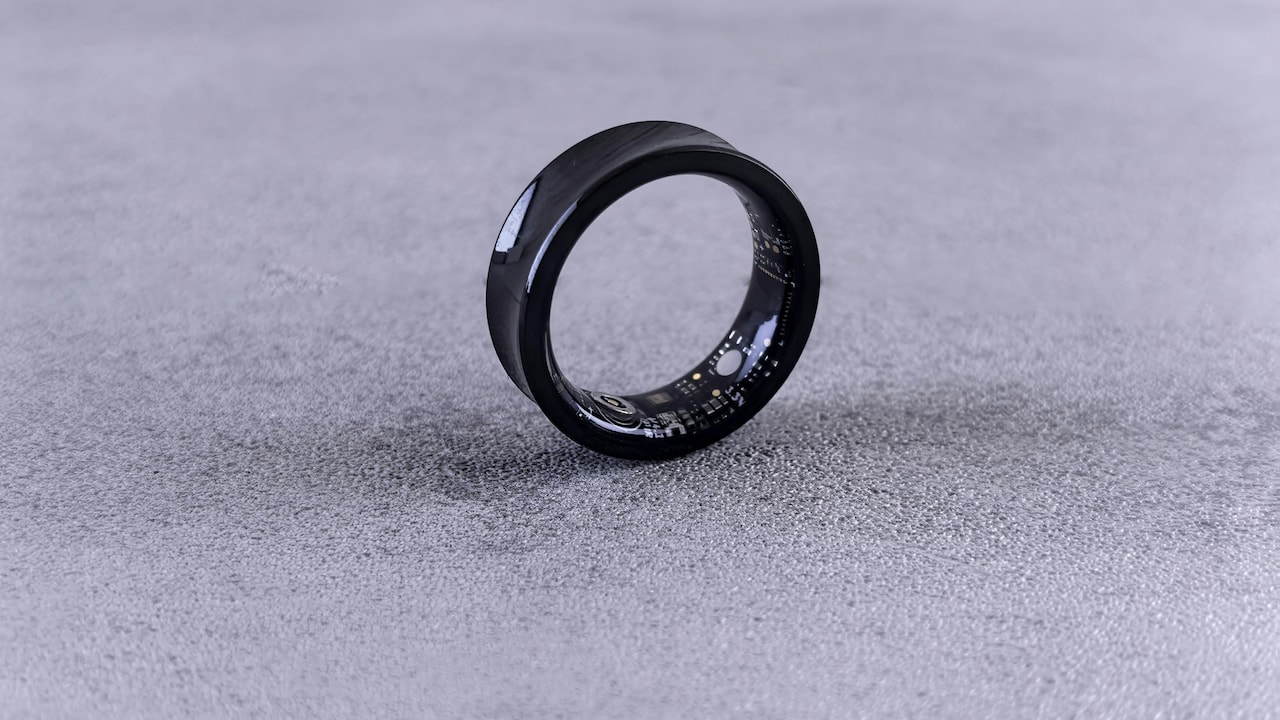
Smartwatches vs Smart Rings: Which Is Better For Your Daily Routine?; Photo Credit: Pexels
The Key Differences That Shape Your Everyday Experience
Design And Comfort In Everyday Wear
A smartwatch often feels like a statement. It sits prominently on the wrist, sometimes sleek, sometimes bulky. For many, it replaces a traditional watch, adding a modern twist. Yet, during humid afternoons or crowded commutes, that same watch can feel heavy or intrusive.
Smart rings, on the other hand, almost disappear. They slip onto a finger and stay there, barely noticeable. This subtle presence becomes their biggest strength. There is no need to adjust straps or worry about matching outfits. The ring simply exists, quietly doing its job.
Imagine attending a wedding or a festive gathering. A smartwatch might clash with traditional attire, while a smart ring blends effortlessly. Even during sleep, a ring feels less disruptive compared to a device strapped tightly to the wrist.
Comfort shapes consistency. A device worn all day gathers better data and delivers more value. In that sense, smart rings quietly win the comfort game, though those who enjoy visible tech may still prefer the bold charm of a smartwatch.
Health Tracking Accuracy And Depth
Health tracking stands at the heart of wearable technology. Smartwatches have long dominated this space, offering features like heart rate monitoring, ECG readings, and even blood oxygen levels. For fitness enthusiasts, these metrics provide detailed insights into workouts and recovery.
Smart rings, however, focus on precision rather than variety. Positioned close to the arteries in the finger, they often capture more consistent heart rate data, especially during sleep. This makes them particularly strong in tracking rest and recovery patterns.
Consider a late-night binge of a favourite series followed by a restless sleep. A smartwatch might provide a summary, but a smart ring often dives deeper into sleep stages, offering subtle insights into how habits affect rest.
Yet, during active workouts, smartwatches still hold an edge. They display real-time stats, guide exercises, and even map runs. Rings, in contrast, prefer a passive approach, collecting data without interrupting the flow.
The choice depends on priorities. For detailed workout tracking, smartwatches shine. For a deeper understanding of overall health rhythms, smart rings quietly excel.
Also Read: Top 10 Smartwatches In India For Health Tracking In 2026
Notifications And Connectivity
A smartwatch acts like a mini smartphone on the wrist. Messages, calls, emails, and app alerts appear instantly. For someone juggling work calls and personal chats, this can feel incredibly convenient.
But convenience comes with a catch. Constant buzzing and flashing notifications can quickly become overwhelming. Instead of reducing screen time, a smartwatch sometimes extends it.
Smart rings take a different route. Most do not display notifications at all. Some offer gentle vibrations for important alerts, but they avoid turning into another screen. This creates a calmer experience, especially during focused work or social interactions.
Picture a dinner with friends. A smartwatch lighting up every few minutes can feel distracting. A smart ring, by staying silent, allows conversations to flow uninterrupted.
Connectivity matters, but so does peace of mind. For those who want to stay constantly updated, smartwatches deliver. For those seeking fewer interruptions, smart rings offer a refreshing alternative.
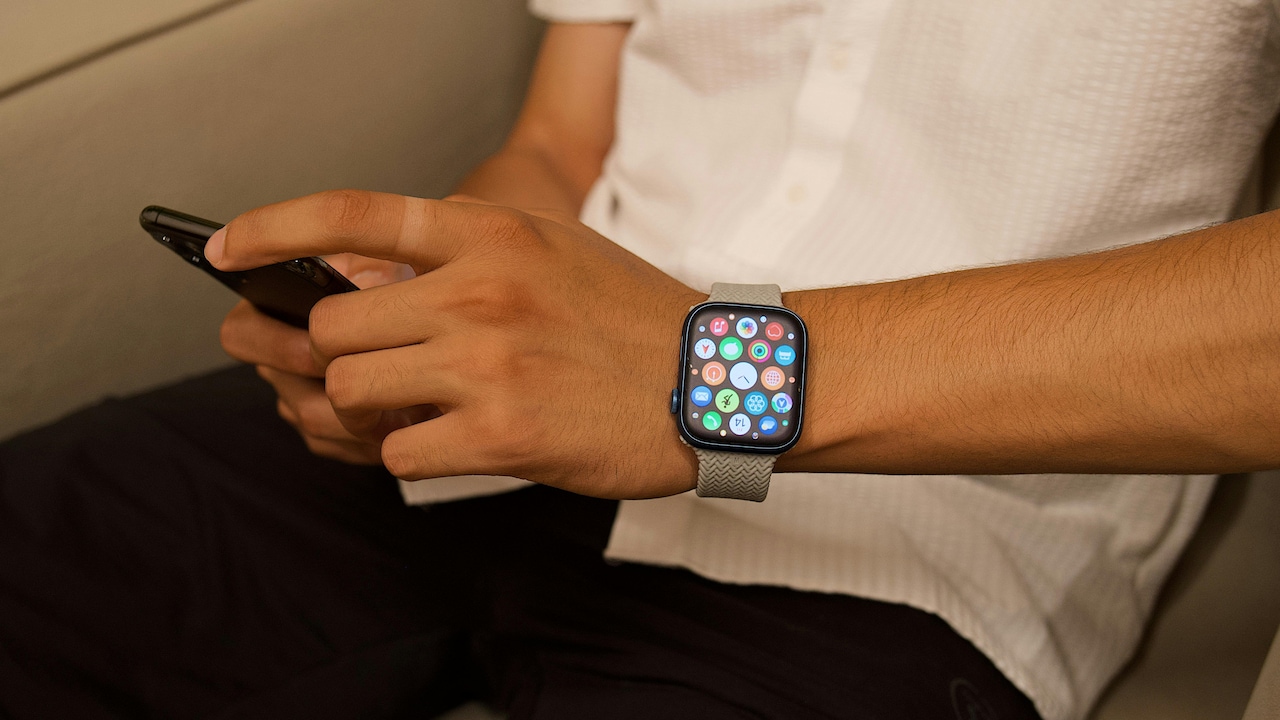
Smartwatches vs Smart Rings: Which Is Better For Your Daily Routine?; Photo Credit: Pexels
Battery Life And Charging Habits
Battery life often decides whether a device becomes a daily companion or an occasional accessory. Smartwatches typically require charging every one to two days, depending on usage. This routine can feel manageable at first, but it becomes tedious over time.
Smart rings, with their minimal displays and focused features, last significantly longer. Many can go up to a week on a single charge. This extended battery life fits naturally into busy schedules, where charging yet another device feels like a chore.
Imagine returning home after a long day, only to realise the smartwatch battery has dropped to 5%. Charging it becomes one more task in an already packed evening. A smart ring, quietly lasting through the week, avoids this hassle.
Charging habits shape consistency. Devices that demand less attention often integrate better into daily life. In this regard, smart rings offer a more effortless experience, while smartwatches require a bit more discipline.
Fitness And Workout Experience
For fitness enthusiasts, smartwatches feel like a personal trainer strapped to the wrist. They track steps, calories, distance, and even provide guided workouts. During a morning jog or an evening gym session, real-time feedback keeps motivation high.
Smart rings take a more understated approach. They track activity but do not guide workouts actively. There are no screens to check mid-run or prompts to adjust pace. This can feel freeing for those who prefer a distraction-free workout.
Consider a weekend cricket match. A smartwatch might display stats and notifications throughout the game, while a smart ring simply records activity in the background. The difference lies in engagement versus simplicity.
Those who enjoy structured workouts and visible progress may lean towards smartwatches. Those who prefer intuitive, uninterrupted movement might find smart rings more appealing.
Fitness is personal, and so is the way technology supports it.
Style And Social Perception
Wearables are not just tools; they are also fashion statements. Smartwatches often reflect personality, with customisable watch faces and interchangeable straps. They signal a tech-savvy lifestyle and sometimes even a sense of status.
Smart rings, however, embrace subtlety. They resemble regular jewellery, often crafted with sleek finishes. This understated design appeals to those who prefer minimalism over attention.
In professional settings, a smartwatch might appear slightly out of place, especially in formal meetings. A smart ring, blending seamlessly with traditional jewellery, avoids this issue.
Style influences comfort beyond physical feel. It shapes confidence in social interactions. While smartwatches stand out, smart rings quietly complement personal style.
The choice often reflects personality, bold and expressive or subtle and refined.
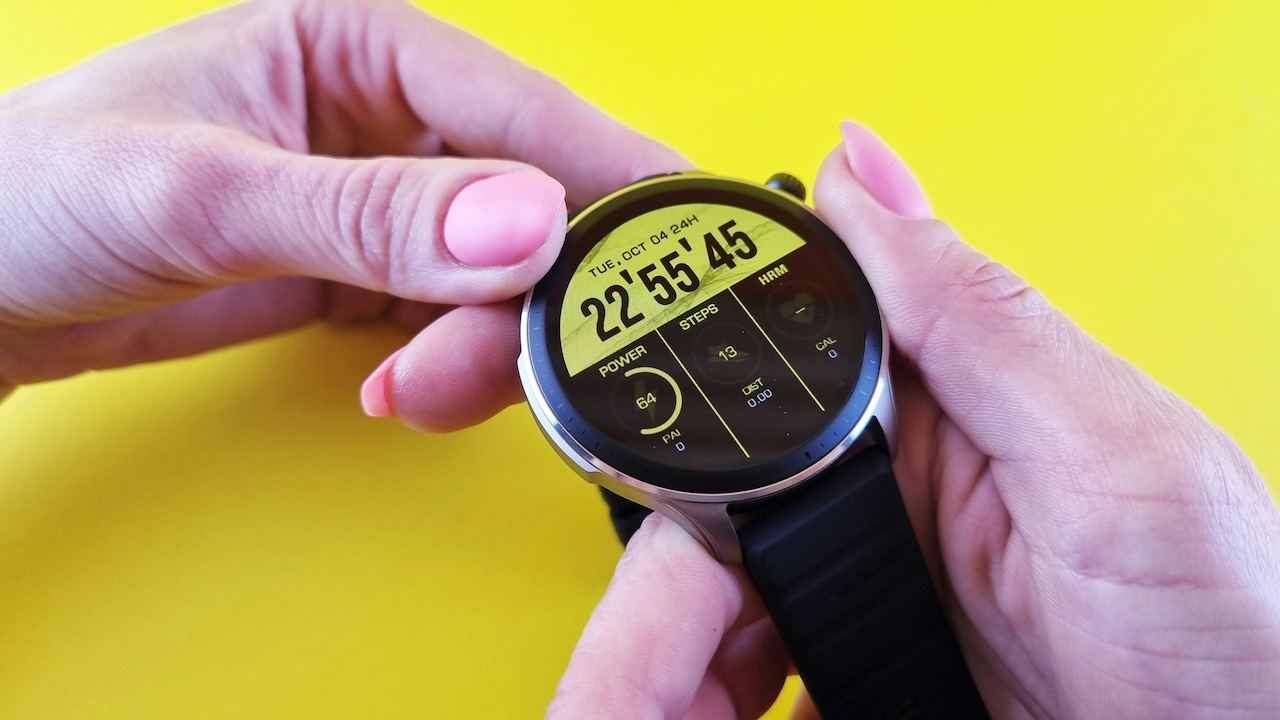
Smartwatches vs Smart Rings: Which Is Better For Your Daily Routine?; Photo Credit: Pexels
Cost And Long-Term Value
Price plays a crucial role in deciding between devices. Smartwatches come in a wide range, from budget-friendly options around ₹3,000 to premium models exceeding ₹50,000. This variety makes them accessible to different users.
Smart rings, however, tend to sit in the premium category. Many start around ₹25,000 and can go higher. Additionally, some require subscription fees for advanced features, adding to long-term costs.
At first glance, smartwatches seem more economical. But value extends beyond initial price. A device that remains unused after a few months offers little return, regardless of cost.
If a smart ring encourages consistent use due to comfort and simplicity, it may justify its higher price. Conversely, a feature-rich smartwatch that becomes overwhelming may lose its appeal over time.
True value lies in how well the device integrates into daily life, not just in its price tag.
Privacy And Data Sensitivity
Wearable devices collect sensitive health and activity data. Smartwatches, with their extensive connectivity, often sync data across multiple apps and platforms. This raises questions about data privacy and security.
Smart rings, with their focused functionality, usually limit data sharing. They prioritise health metrics and avoid unnecessary integrations. This creates a sense of control over personal information.
Imagine tracking sleep patterns and heart rate over months. This data reveals intimate details about lifestyle and habits. Ensuring its security becomes essential.
While both devices follow industry standards, the simplicity of smart rings often translates to fewer data touchpoints. This can feel reassuring for users concerned about privacy.
Trust plays a significant role in adopting technology. Devices that respect boundaries often build stronger long-term relationships with users.
Daily Routine Integration
The ultimate test of any wearable lies in how seamlessly it fits into daily life. Smartwatches offer versatility, acting as an extension of the smartphone. They handle calls, messages, and apps, making them highly functional.
Yet, this versatility can sometimes feel overwhelming. Instead of simplifying routines, it may add layers of interaction and distraction.
Smart rings, in contrast, focus on quiet integration. They track health, monitor sleep, and provide insights without demanding attention. This passive approach often feels more natural.
Consider a busy weekday. A smartwatch may buzz frequently, pulling attention away from tasks. A smart ring works silently, allowing focus to remain intact.
Improving a routine is not about adding more features. It is about reducing friction. In this sense, smart rings often enhance daily life by staying out of the way, while smartwatches actively engage.
Products Related To This Article
1. Fire-Boltt Ninja Call Pro Plus Bluetooth Calling Smart Watch
2. Gabit Smart Ring | Best in Tech Award by Amazon | Sleep, Fitness
3. Fastrack Limitless Glide X 1.83" Smart Watch with Ultra UV HD Display
4. Pebble Halo 2 Next-Gen Smart Ring with Digital Display
5. Noise Twist Go Round dial Smartwatch with BT Calling
The debate between smartwatches and smart rings is not about which device is better overall. It is about which one aligns with individual lifestyles.
Smartwatches offer power, visibility, and interaction. They suit those who enjoy staying connected, tracking workouts in detail, and having information readily available.
Smart rings, on the other hand, embrace subtlety. They prioritise comfort, long battery life, and deeper health insights without constant interruptions.
Daily routines thrive on simplicity. Devices that blend effortlessly into habits often create the most impact. While smartwatches impress with features, smart rings quietly enhance life in ways that feel almost invisible.
The real winner depends on what matters more: control or calm, engagement or ease. In the end, the best wearable is the one that feels less like a device and more like a natural extension of everyday life.
(Disclaimer: This article may include references to or features of products and services made available through affiliate marketing campaigns. NDTV Convergence Limited (“NDTV”) strives to maintain editorial independence while participating in such campaigns. NDTV does not assume responsibility for the performance or claims of any featured products or services.)