Straight Fit vs Slim Fit Jeans: Which Works Better For Office-Casual Looks?
Straight fit or slim fit jeans for office-casual looks? This guide breaks down comfort, polish, styling and everyday practicality to help you choose denim that works from meetings to post-work plans.
Straight Fit vs Slim Fit Jeans: How to Choose the Right Office Denim
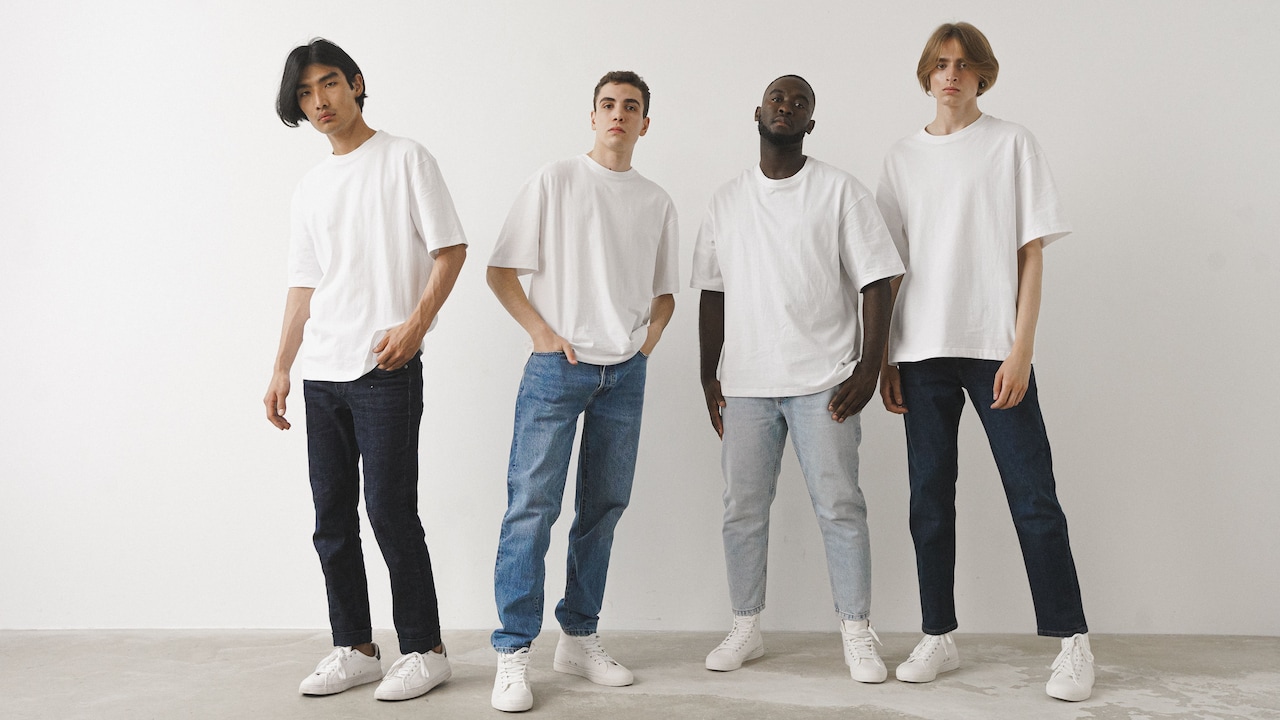
Jeans at work once sounded like a Friday-only privilege, the sort of thing people wore when the boss had travelled, or the office air-conditioner finally behaved. Today, office-casual dressing feels more relaxed, more practical and, thankfully, less stiff. The trick, however, lies in choosing denim that looks intentional rather than accidental. Straight fit and slim fit jeans sit at the centre of this wardrobe debate. Both can look sharp with shirts, loafers, polos, blazers and smart sneakers. Both can move from desk to dinner without demanding a full outfit change. Yet they speak different languages.
Straight Fit vs Slim Fit Jeans: How to Choose the Right Office Denim; Photo Credit: Pexels
Slim fit jeans bring a neat, tapered look. Straight fit jeans offer ease, balance and old-school confidence. One looks sharper on certain frames, while the other feels more forgiving during long commutes, canteen lunches and never-ending meetings. For office-casual looks, the winner rarely depends on trends alone. It depends on comfort, proportion and how polished the final outfit appears.
Also Read: How To Buy A Good Pair Of Jeans? 8 Things To Look For When Shopping Online
Key Differences Between Straight Fit And Slim Fit Jeans For Office-Casual Wear
The Office-Casual Mood Has Changed
Office-casual style no longer means throwing on blue jeans with a wrinkled shirt and hoping nobody from senior management notices. It now carries its own quiet rules. Clothes must look relaxed, but not careless. They should feel comfortable, but not home-weary comfortable. This is where jeans need to work harder than usual.
Straight fit and slim fit jeans both suit this new mood, but they create different first impressions. Slim fit jeans feel crisp and city-ready, especially in darker shades. Straight fit jeans look more relaxed, yet mature, almost like they have nothing to prove. In many workplaces across Mumbai, Bengaluru, Delhi, Pune or Ahmedabad, the safest office-casual outfit is one that looks clean, calm and well planned.
The jeans should not shout for attention. They should support the rest of the look. A tucked shirt, a neat belt and polished shoes can turn denim into something boardroom-adjacent. The wrong fit, though, can make even an expensive pair look like weekend leftovers.
What Straight Fit Jeans Bring To The Desk
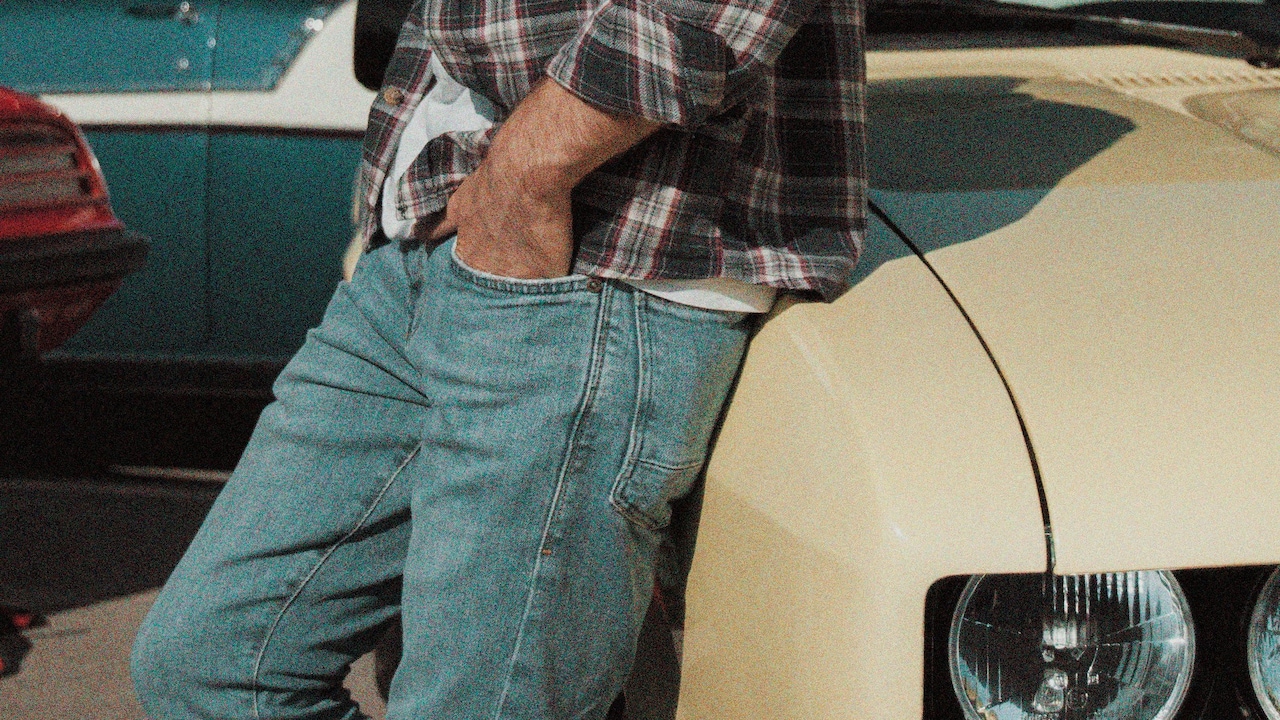
Straight fit jeans run evenly from the thigh to the ankle. They do not hug the leg too closely, and they do not flare out dramatically. This gives them a balanced shape that suits office-casual dressing beautifully. They feel easy without looking sloppy, which makes them useful for long workdays.
A good pair of straight-fit jeans has the charm of a dependable colleague. It arrives on time, handles pressure and never tries too hard in meetings. The fit works especially well with tucked shirts, casual blazers, overshirts and leather footwear. It also allows enough room for movement, which matters when the day includes metro rides, cab delays, chai breaks and a late-evening grocery stop.
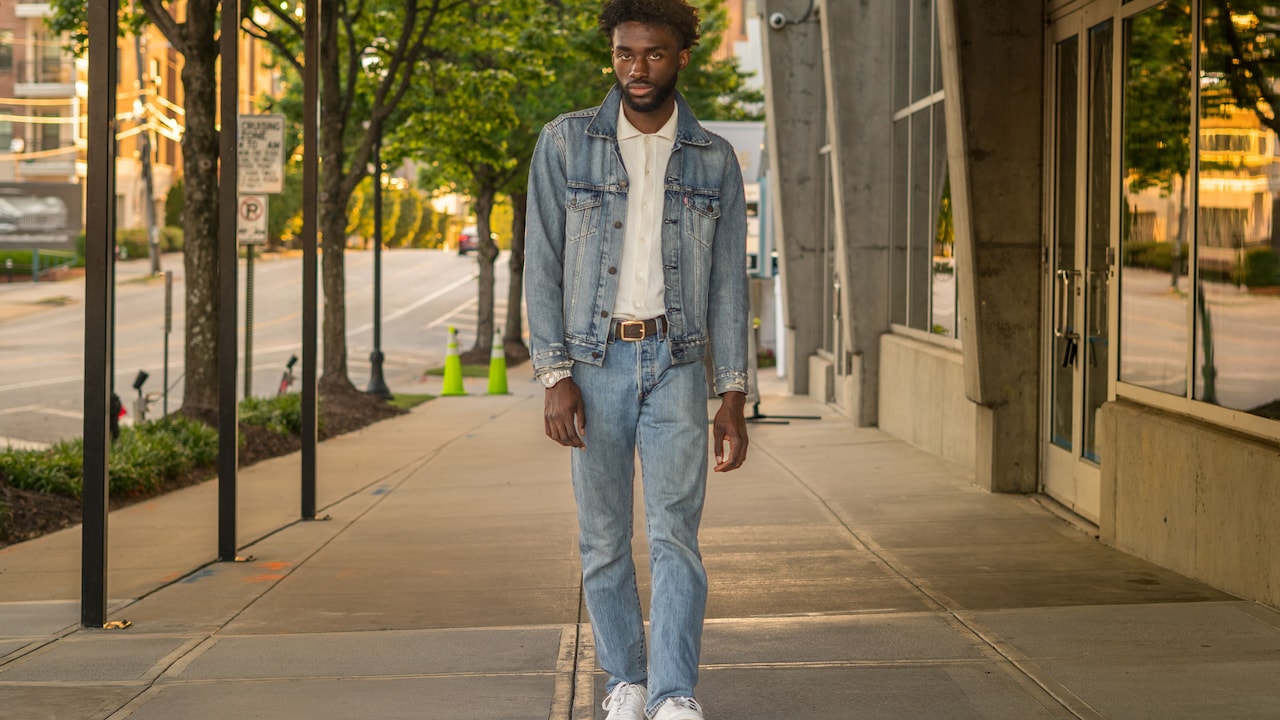
Straight fit jeans suit people who prefer comfort around the thighs and knees. They also help balance broader shoulders, wider hips or athletic legs. In darker washes, they can look surprisingly refined. Pair them with a crisp Oxford shirt and brown loafers, and they begin to feel less like denim and more like a smart weekday uniform.
Straight Fit vs Slim Fit Jeans: How to Choose the Right Office Denim; Photo Credit: Pexels
What Slim Fit Jeans Say At Work
Slim fit jeans sit closer to the body. They usually taper through the thigh and narrow near the ankle. This gives them a sharper outline, which many people associate with modern office-casual dressing. When the fit lands correctly, slim jeans can make an outfit look clean, youthful and deliberate.
The appeal lies in structure. Slim fit jeans work well with fitted shirts, polos, lightweight jumpers and tailored jackets. They help create a neat silhouette, especially with formal-casual shoes such as loafers, derbies or minimal sneakers. A dark navy or charcoal pair can pass easily in offices where denim has become part of everyday dressing.
The danger arrives when slim becomes skin-tight. Office jeans should not look like they are preparing for a college fest performance. If the fabric pulls at the knees, grips the calves or creates pocket outlines, the look loses its polish. Slim fit works best when it follows the leg rather than fights it. Comfort still matters. Nobody wants to negotiate a client call while secretly regretting lunch.
Comfort During Long Workdays Matters
Office-casual clothes need stamina. They must survive the commute, the chair, the elevator, the cafeteria, the sudden meeting and the evening plan that appears at 6.15 pm. In this daily marathon, fit becomes more than a style choice. It becomes a mood saver.
Straight fit jeans usually win on comfort because they provide more room through the leg. They allow easier sitting, walking and climbing stairs. During warmer months, that extra breathing space feels like a blessing. Slim fit jeans can also feel comfortable, but only when the fabric includes a little stretch and the cut does not restrict movement.
The office chair test matters. If jeans feel tight after twenty minutes of sitting, they will feel unbearable by 4 pm. A pair that looks smart in the trial room may behave differently after lunch. Straight fit jeans handle this better for most people. Slim fit jeans demand more precision. They need the right fabric, the correct waist size and enough ease at the thigh. Style should never require silent suffering.
Body Shape Can Decide The Winner
No single fit flatters everyone, despite what glossy shop displays suggest. Body shape plays a major role in deciding whether straight fit or slim fit jeans look more office-ready. The best jeans do not copy a trend. They respect proportion.
Straight fit jeans suit many body types because they create a clean vertical line. They help balance heavier thighs, muscular legs, wider hips or a broader build. They also prevent the lower body from looking squeezed, which keeps the outfit relaxed and confident. For taller people, straight-fit jeans can look especially elegant with shirts and blazers.
Slim fit jeans suit leaner frames and people who prefer a sharper outline. They can add structure to an outfit without adding bulk. However, the fit should not cling. When slim jeans pull across the thigh or bunch at the knee, they draw attention for the wrong reasons.
The mirror offers better advice than the label. A well-cut straight fit may look sharper than a poorly chosen slim fit. The tag matters less than how the jeans sit, move and support the outfit.
Fabric And Stretch Change Everything
Fit does not work alone. Fabric decides whether jeans look smart or tired by midday. Office-casual denim should feel structured, smooth and slightly refined. Very thin denim can wrinkle quickly, while heavy denim may feel uncomfortable in humid weather. The sweet spot lies somewhere in between.
Slim fit jeans often need a small amount of stretch. Without it, they can restrict movement and create awkward creases. With too much stretch, though, they may lose shape and start looking like jeggings, which rarely suit an office setting. A little flexibility works well; too much bounce looks too casual.
Straight fit jeans can handle sturdier denim because they already offer room. They often look better in fabrics that hold shape. This gives them a cleaner fall from hip to ankle. Dark indigo, deep blue, black and charcoal washes usually work better than faded or distressed options.
Rips, whiskering and loud washes belong to weekends, not presentation days. Office denim should look calm, not like it survived a road trip to Goa in peak summer.
Styling Straight Fit Jeans For Office-Casual Looks
Straight fit jeans look best when the rest of the outfit adds polish. Since the cut feels relaxed, sharper pieces help create balance. A tucked shirt, a leather belt and loafers can instantly make straight jeans suitable for office-casual dressing. Add a blazer, and the outfit gains authority without looking stiff.
The length matters. Straight fit jeans should not pool heavily over the shoes. A slight break at the ankle looks clean. Too much fabric creates a lazy effect, especially with formal-casual footwear. Tailoring the hem can make a ₹1,999 pair look far more expensive than it is.
For shirts, Oxford cotton, linen blends and subtle checks work well. Polo T-shirts also pair nicely, provided the collar holds shape. Footwear should stay neat. Brown loafers, black derbies, tan brogues or minimal sneakers can all work, depending on the office mood.
Straight fit jeans also handle layering well. An overshirt or lightweight jacket can make the outfit look current without chasing trends. The result feels composed, approachable and quietly stylish.
Straight Fit vs Slim Fit Jeans: How to Choose the Right Office Denim; Photo Credit: Pexels
Styling Slim Fit Jeans Without Looking Too Casual
Slim fit jeans already create a sharp shape, so styling should avoid overdoing the tight, polished look. Balance makes the outfit office-friendly. A slightly relaxed shirt, a soft blazer or a structured overshirt can stop slim jeans from looking too club-ready.
Dark colours work best. Navy, black, charcoal and deep grey slim jeans look cleaner than light blue faded pairs. Pair them with a crisp white shirt and loafers, and they can look smart enough for casual client meetings. A polo in a solid colour also works well, especially with a belt and clean shoes.
The ankle area needs attention. Slim fit jeans should taper neatly, not gather in thick folds. Cropped or properly hemmed lengths look sharper. Shoes become more visible with this fit, so scuffed footwear can spoil the whole outfit faster than a weak Wi-Fi connection during payroll week.
Avoid pairing slim jeans with tight shirts. That combination can look too intense for the office. One fitted item is enough. Let the outfit breathe, and slim fit jeans can look confident rather than cramped.
Colour Makes Or Breaks The Look
Colour can decide whether jeans feel office-ready or weekend-only. Darker shades almost always look smarter. Deep indigo, ink blue, charcoal, black and dark grey create a cleaner base for shirts, blazers and leather shoes. They also hide creases better, which helps during long workdays.
Straight fit jeans in dark blue offer the most versatile option. They can move from Monday meetings to Friday team lunches without raising eyebrows. Slim fit jeans in black or charcoal create a sleek look, especially for younger workplaces or creative offices.
Light blue jeans can work, but they need careful styling. They suit relaxed offices, not formal settings. Pairing them with a crisp shirt and smart footwear helps, but faded patches and heavy distressing weaken the office-casual effect. White jeans may look stylish in theory, but one spicy lunch can turn them into a cautionary tale.
For most wardrobes, one dark straight fit and one dark slim fit pair cover many situations. Think of colour as the volume control. Dark denim keeps the outfit steady. Loud washes turn it up too far.
Price, Value, And Everyday Practicality
Jeans for work should earn their place in the wardrobe. Price matters, but value matters more. A pair that costs ₹2,499 and fits perfectly can beat a ₹7,999 pair that bags at the knees or pinches at the waist. The office-casual winner is the pair worn often, not the one saved for some imaginary perfect day.
Straight fit jeans often offer better long-term value because they stay comfortable through changing routines and slight weight fluctuations. Their shape also ages well. Slim fit jeans can look sharper at first, but they need better maintenance. Once they stretch out or fade unevenly, they can lose their office polish quickly.
Look for clean stitching, firm fabric, secure pockets and a waistband that does not dig. Sit, bend and walk before buying. Trial rooms tell only half the story, but they still reveal obvious mistakes.
For daily workwear, two reliable pairs make sense. One straight fit for comfort-heavy days and one slim fit for sharper dressing. That small rotation can save time every morning.
Which Fit Works Better For Office-Casual Looks
Straight fit jeans work better for most office-casual looks because they offer comfort, balance and versatility. They suit more body types, pair well with smarter layers and feel appropriate across a wider range of workplaces. They also look mature without looking boring, which is harder to achieve than it sounds.
Slim fit jeans still deserve space in the wardrobe. They work beautifully when the office leans modern, the fabric has gentle stretch, and the fit stays sharp without clinging. For presentations, team dinners or days when the outfit needs a little extra edge, slim fit jeans can deliver.
The final answer depends on the setting. For a conservative office, choose dark straight-fit jeans. For a creative workplace, slim fit jeans can look stylish with the right shirt and shoes. For hybrid workdays that begin at home and end at a café, straight fit usually feels easier.
The safest rule is simple: straight fit for all-day confidence, slim fit for sharper impact. Both work, but straight fit forgives more.
Products Related To This Article
1. London Hills Men's Regular Fit Mid Rise Cotton Jeans for Man
2. Symbol Premium Men's Slim Fit Stretchable Jeans
3. Pepe Jeans Men's Straight Fit Jeans
4. Spykar Men's Slim Fit Low Rise Casual Jeans
5. Men's Premium Straight Fit Jeans
6. Peter England Men's Slim Tapered Jeans
7. London Hills Men's Regular Fit Mid Rise Cotton Jeans for Man
Office-casual dressing should never feel like a costume. It should feel natural, comfortable and polished enough to handle the day. Straight fit and slim fit jeans both have a role, but they serve different moods.
Straight fit jeans bring ease, maturity and dependable style. They work across body types, seasons and office cultures. Slim fit jeans bring sharpness and a cleaner outline, but they need the right cut, fabric and styling to avoid looking too tight or too casual.
For most work wardrobes, straight-fit jeans make a better everyday choice. They allow movement, pair well with shirts and blazers, and carry a quiet confidence that suits professional spaces. Slim fit jeans can step in when the occasion calls for a sleeker look.
The best office-casual jeans do not demand attention. They simply make the wearer look put together while handling real life: traffic, meetings, chai, deadlines and the occasional samosa break. That is where good denim earns its place.
(Disclaimer: This article may include references to or features of products and services made available through affiliate marketing campaigns. NDTV Convergence Limited (“NDTV”) strives to maintain editorial independence while participating in such campaigns. NDTV does not assume responsibility for the performance or claims of any featured products or services.)