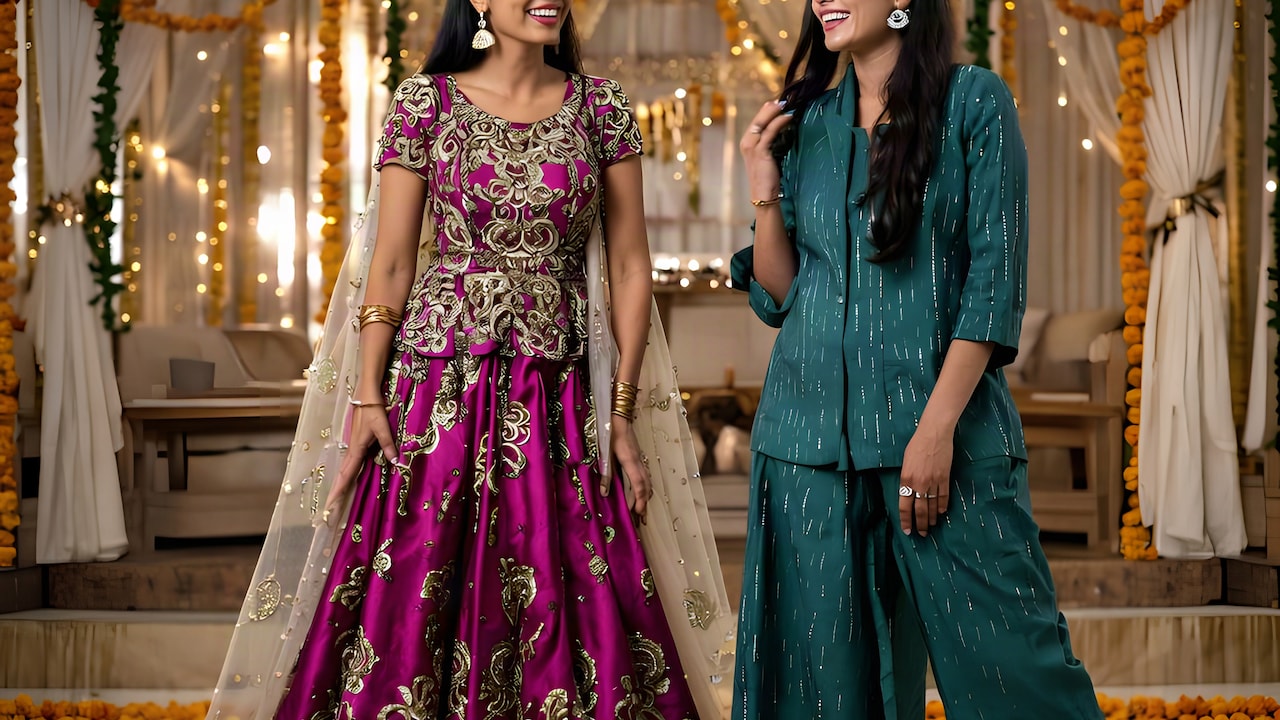
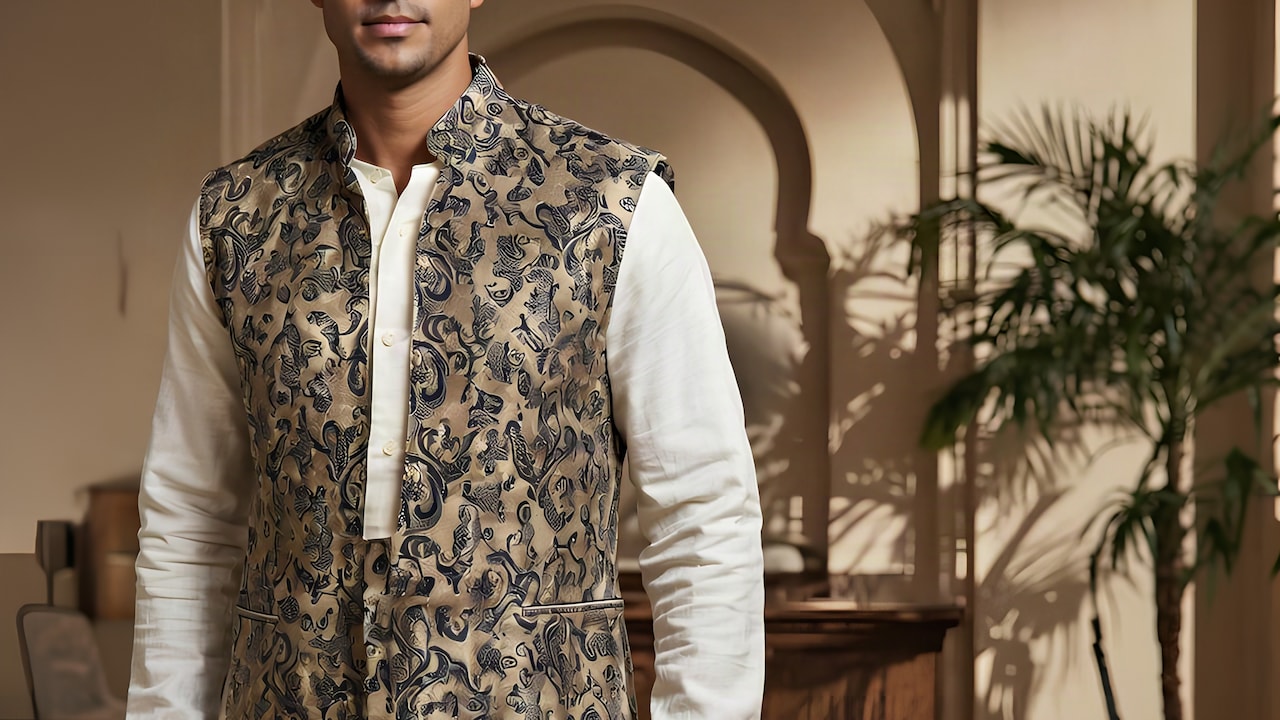
10 Fit Problems That Make Straight Kurtas Look Crooked, Bunched Or Too Tight Around The Hips
A straight kurta can fit perfectly at the shoulders yet bunch, twist or pull around the hips. From incorrect sizing to side-slit placement, these 10 common fit problems explain why the silhouette goes wrong and how to fix it.

Common kurta fit problems that make it feel tight around the hips
A straight kurta looks deceptively simple. There are no dramatic flares, elaborate drapes or complicated layers to hide behind. The fabric falls from the shoulders in a fairly clean line, which means every small fit issue gets its moment in the spotlight. That becomes frustrating when a kurta seems perfectly fine on the hanger but behaves completely differently once worn. The shoulders sit neatly. The neckline feels comfortable. The sleeves aren't tight. Then you look at the lower half and wonder why one side is climbing upwards, the front is gathering near the stomach or the fabric seems determined to hug the hips. The problem isn't always that the kurta is "too small". Straight silhouettes depend on the relationship between the shoulders, bust, waist, hips, fabric and garment construction. Even side slits can change how the kurta hangs. Before sending another almost-perfect kurta to the back of the wardrobe, it helps to identify exactly where the fit is going wrong.
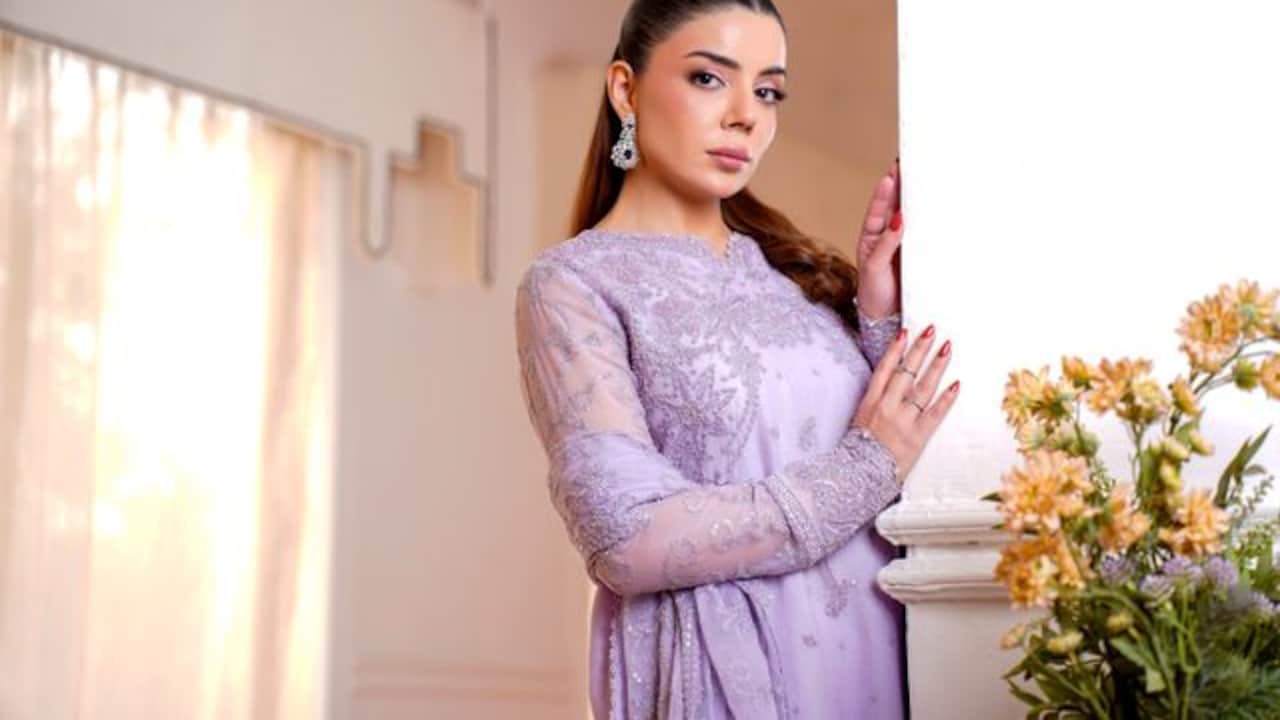
Why do straight kurtas feel tight around hips
Photo Credit: Pexels
When A Simple Straight Cut Stops Falling Straight
1. The Kurta Fits The Bust But Not The Hips
One of the most common fit problems starts with choosing a size according to the bust alone. The kurta slips comfortably over the shoulders, buttons without pulling and looks promising from the front. Then it reaches the hips and suddenly loses all cooperation.
Straight kurtas don't widen dramatically towards the hem. If your hip measurement needs more room than the pattern allows, the fabric starts borrowing space wherever it can. It may ride upwards, gather near the waist or pull diagonally towards the side seams.
The problem can look particularly obvious while sitting or walking. A kurta that appears merely fitted while standing may creep upwards after a few steps because the hips keep pushing against the fabric.
Check the garment's hip measurement rather than relying entirely on standard size labels. Ideally, there should be enough ease for movement rather than a measurement that matches the body exactly.
Going up one size and tailoring the shoulders or bust can sometimes produce a much cleaner result than squeezing the hips into a smaller size simply because the upper half fits beautifully.
2. The Side Seams Are Being Pulled Towards The Front
Here's a useful fitting clue: look at the side seams in a mirror.
They should fall reasonably straight down the sides of the body. If they curve or migrate towards the front around the hips, the garment probably needs more room there.
This happens because the fabric has to travel farther over the fullest part of the body than the pattern anticipated. The side seam gets dragged forward to compensate. From the front, the kurta may then appear slightly crooked even though nothing is technically uneven.
The effect becomes more noticeable with stripes, checks, piping or contrast panels because those details act like little rulers revealing every shift in the fabric.
Don't assume ironing will solve it. Pressing can smooth wrinkles, but it can't manufacture missing circumference.
A tailor may be able to release some fabric from generous seam allowances. Side inserts can also work for certain styles. When neither option is possible, sizing up usually gives the garment a better chance of hanging correctly.
Sometimes the quickest diagnosis comes from forgetting the size tag altogether and simply watching where the seams want to go.
Also Read: Desi Glam With Modern Twist: Grab Stunning Backless Suit Sets On Discount
3. The Side Slits Start Too Low
Side slits aren't just decorative. They give a straight kurta room to move around the hips and thighs.
When those slits begin too low, the upper section of the kurta behaves almost like a narrow tube. Walking, climbing stairs and sitting all demand extra space, but the fabric can't separate until much farther down.
Something has to give.
The kurta may bunch above the hips, pull across the seat or ride upwards with every few steps. You might repeatedly tug the hem down without understanding why it refuses to stay there.
This issue can happen even when the overall garment measurement seems correct. A person with fuller hips or thighs may simply need the slit to begin slightly higher.
The fix can be surprisingly straightforward. A tailor may extend the existing slit upwards while reinforcing the new opening so it doesn't tear.
Of course, slit height also affects coverage and personal comfort, so higher isn't automatically better. The goal is enough movement without changing the look more than necessary.
Sometimes the problem isn't how much fabric you have. It's where the fabric gets permission to move.
4. The Kurta Is Too Narrow Through The Seat
Front hip measurements aren't the whole story. The kurta also needs enough room across the back.
If the seat area is too tight, the fabric may appear reasonably smooth from the front while behaving strangely elsewhere. The back can ride upwards, the hem may sit higher behind than in front and horizontal creases can form across the lower back.
Then the entire garment starts shifting.
As the back climbs, fabric may collect around the waist. Side slits can look uneven, and the front hem may begin sitting differently too. What seems like several separate fit problems can actually originate from one tight section.
Do a simple movement test rather than judging the kurta while standing perfectly still. Sit on a chair, take a few long steps and bend slightly. If the garment immediately moves upwards and stays there, it probably needs more ease across the seat.
A slightly roomier fit can look considerably more polished than a kurta that technically closes but needs constant adjustment.
Clothing should survive normal life. A garment that fits only while standing like a mannequin doesn't really fit.
5. The Fabric Has Too Little Give
Two kurtas made from the same pattern can behave completely differently because fabric changes everything.
A soft viscose fabric may skim over curves and settle back into place easily. A crisp cotton, jacquard or heavily embroidered material can be far less forgiving. When a rigid fabric meets a snug hip area, it doesn't gently stretch around it. It pushes back.
That's when you may see sharp horizontal wrinkles, bunching above the hips or a slightly boxy section that refuses to fall smoothly.
This explains why your usual size can work beautifully in one kurta and feel surprisingly restrictive in another.
Fabric thickness matters too. A dense material physically occupies more space, while embroidery, lining or appliqué can reduce flexibility further.
When shopping online, check the fabric composition rather than assuming every straight kurta from the same brand will fit alike.
For non-stretch fabrics, a little additional ease around the hips usually creates a cleaner silhouette. Stretch isn't essential, but movement room is.
A size label tells you only part of the story. Fabric decides how that size actually behaves once somebody starts walking in it.
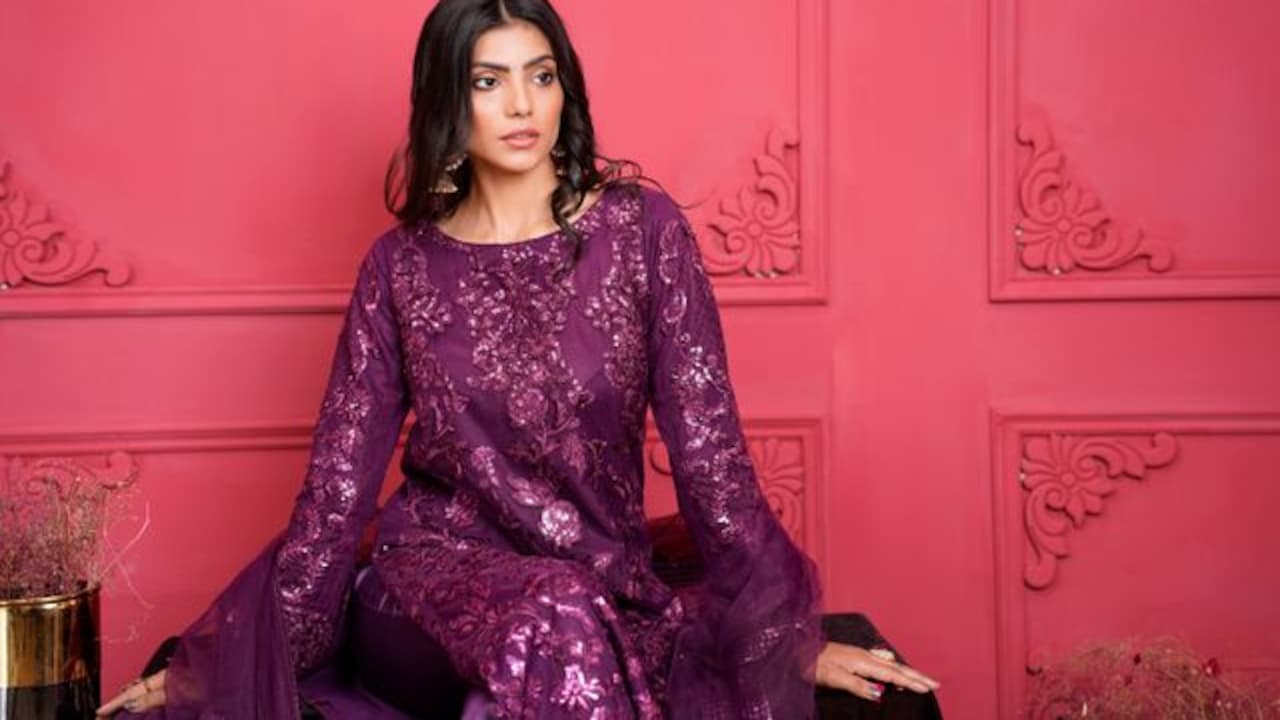
Fabrics that don't stretch can make any kurta feel tight around the hips
Photo Credit: Pexels
6. The Kurta Is Too Tight Around The Stomach
Hip bunching doesn't always begin at the hips.
If the kurta fits too closely around the stomach or lower waist, the fabric can catch there instead of falling naturally towards the hem. As you move, it gradually works upwards and gathers.
The result often looks like a soft horizontal fold sitting above the hips. Many people pull the kurta downward repeatedly, only to watch the fold return minutes later.
The issue may become more noticeable after sitting because the abdomen naturally changes shape in that position. A garment that has no spare room struggles to accommodate that movement.
Instead of checking fit by sucking in your stomach in front of a mirror, relax your posture. Sit down. Bend slightly. Reach forward. Clothes need to fit the body you actually move through the day with.
If the kurta catches at the stomach before falling towards the hips, slightly more ease through the waist may solve both areas at once.
This is also why tailoring every straight kurta aggressively at the waist can backfire. A sharp shape on the hanger isn't necessarily the smoothest shape on the body.
7. The Shoulder Fit Is Quietly Throwing Everything Off
It sounds strange to blame crooked hips on the shoulders, but garment fit works as one connected system.
If the shoulders are too wide, the kurta may drop lower than intended and shift around the upper body. If they're too narrow, the armholes and chest can pull fabric upwards.
Either problem can alter how the lower half hangs.
Watch what happens when you raise your arms and lower them again. If the whole kurta travels upwards and remains bunched around the waist or hips, restrictive shoulders or armholes could be contributing to the problem.
You may also notice diagonal drag lines running from the armhole towards the bust, waist or side seam. These lines are useful clues because fabric wrinkles tend to point towards the area under tension.
This is why buying a much larger size purely for hip room doesn't always work either. If the shoulders become excessively wide, the garment can lose its structure.
The best fit usually balances both ends. Enough space through the hips matters, but the kurta also needs to sit correctly from the shoulders down.
Good drape starts much higher than most people think.
8. The Kurta Has Been Over-Tapered At The Waist
A little waist shaping can stop a straight kurta from looking overly boxy. Too much shaping creates another problem entirely.
When the side seams narrow sharply at the waist and then have to widen again towards the hips, the kurta can catch at the narrowest section. Instead of dropping smoothly, fabric gathers before releasing over the hips.
This sometimes happens after alterations. A loose kurta goes to the tailor with instructions to "make it more fitted", and the waist gets taken in enthusiastically. It looks sharp during a standing trial. Real life begins later.
After sitting, eating or simply moving around, the narrowed waist may start riding upwards. The hip area then looks tight even if it originally had enough room.
Straight kurtas generally look cleaner with subtle shaping rather than an exaggerated hourglass alteration.
If an altered kurta suddenly started bunching, compare it with how the original side seam would have fallen. Releasing even a small amount around the waist can sometimes make the entire garment sit better.
Tailoring works best when it follows the body rather than forcing the body into the tailor's preferred geometry.
9. The Front And Back Lengths Don't Account For Body Curves
Ever wondered why a kurta hem appears level on a hanger but not once worn?
The body adds dimension that a flat garment doesn't have. The bust, stomach and hips all require fabric to travel forwards before continuing downwards. Depending on body proportions, that journey can make the front or back appear shorter.
With straight kurtas, the difference becomes particularly visible because the silhouette gives the eye strong vertical lines to follow.
A fuller bust may lift the front slightly. A fuller seat can raise the back. A prominent lower stomach can change the way the front section falls over the hips.
This doesn't mean anything is wrong with the body or garment. Standard patterns simply can't account perfectly for every proportion.
A skilled tailor can sometimes correct the visual imbalance through hem adjustments or pattern alterations. When buying ready-made clothing, trying different cuts can also reveal which brands naturally suit your proportions better.
Don't judge the hem in isolation. Look at how the garment travels over the entire body before reaching it.
Sometimes what appears "crooked" is simply fabric following a three-dimensional shape.
10. Your Bottomwear Is Changing How The Kurta Falls
Sometimes the kurta isn't the troublemaker at all.
Bulky waistbands, drawstrings, pockets, pleats and gathered trousers can create extra volume underneath a straight kurta. Since the silhouette sits relatively close to the body, even a modest bump underneath can interrupt its fall.
A thick elastic waistband may catch the kurta around the waist. Drawstring knots can create a noticeable bulge at the front. Trousers with side pockets may add volume exactly where the kurta is already fitted around the hips.
The difference becomes obvious when the same kurta looks smooth over leggings but suddenly starts bunching over roomy palazzos or salwar-style bottoms.
Before deciding that a favourite kurta no longer fits, test it with a smoother bottom layer. Also check whether an underskirt, shapewear or long camisole is rolling or gathering underneath.
Layering needs compatibility. A sleek straight silhouette usually behaves best over clothing that doesn't create concentrated bulk beneath it.
That doesn't mean giving up comfortable bottoms. It simply means allowing enough kurta ease when fuller trousers are part of the outfit.
Sometimes the easiest alteration is changing what you wear underneath.
Products Related To This Article
1. HYTEN Women Floral Printed Kurta
2. Anouk Women Ethnic Motifs Embroidered Thread Work Kurta
3. SZN Women Brown Floral Printed With Lace Work Straight Cotton Brown Stitched Kurta
4. Libas Women Yellow Floral Motifs Sequins Work Kurta
5. KAMI KUBI Women Embroidered Thread Work Kurta
6. KALINI Striped Thread Work Cotton Straight Kurta
7. HERE&NOW Women Embroidered Thread Work Kurta
A straight kurta should look easy, but getting that clean fall depends on more than choosing the usual size. Hip ease, slit height, fabric, shoulder placement, waist shaping and even bottomwear can affect the silhouette. Instead of repeatedly tugging a crooked kurta into place, watch where the fabric pulls, gathers or shifts. Those little wrinkles often reveal exactly what needs fixing.
(Disclaimer: This article may include references to or features of products and services made available through affiliate marketing campaigns. NDTV Convergence Limited (“NDTV”) strives to maintain editorial independence while participating in such campaigns. NDTV does not assume responsibility for the performance or claims of any featured products or services.)