Does Handle Cracking Mean The Whole Tote Is Poor Quality? 10 Bag-Care Myths Explained
Cracked tote handles don't always mean the entire bag is poorly made. From overloading to storage habits and everyday friction, we unpack 10 common bag-care myths and explain what actually helps totes last longer.
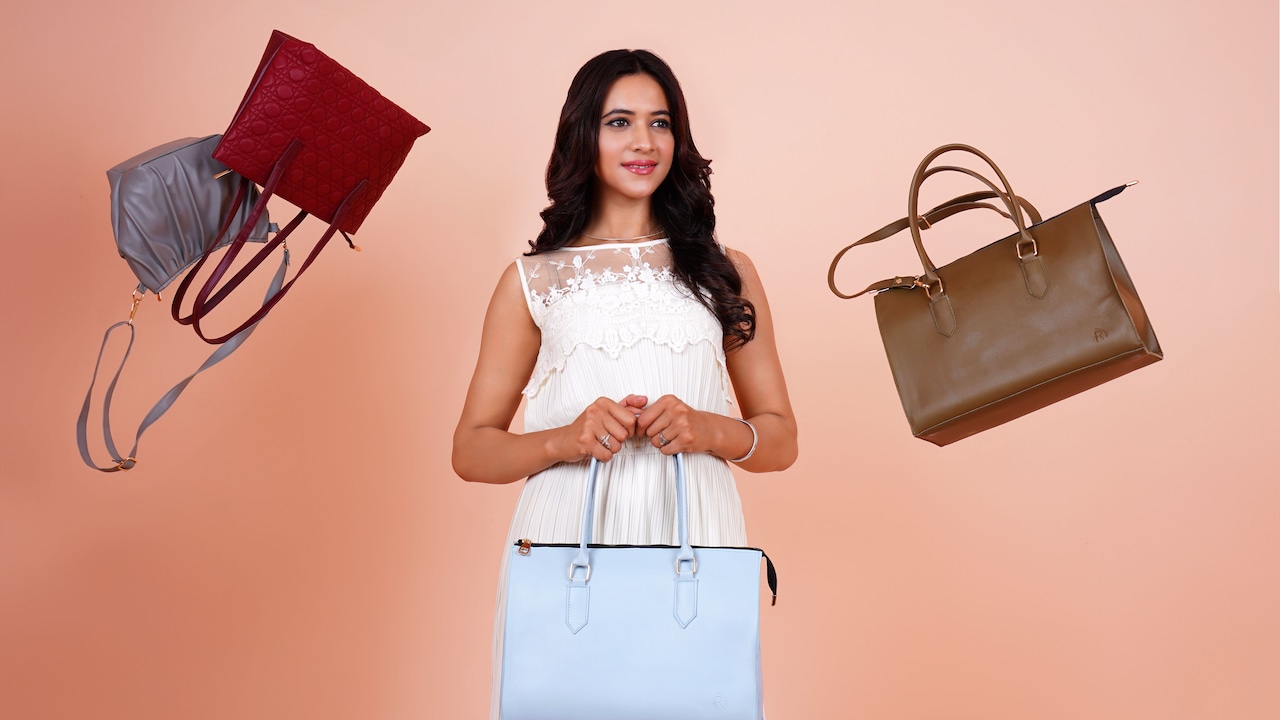
Here's what might be causing your tote bag handles to crack
Tote bags have a rather demanding job description. One minute, they're carrying a laptop and charger to work. The next, someone has squeezed in a water bottle, lunch box, umbrella, sunglasses case and the mysterious collection of receipts that somehow follows every handbag around. So, when the handles suddenly develop tiny cracks, peeling edges or rough patches, it's easy to blame the entire bag.
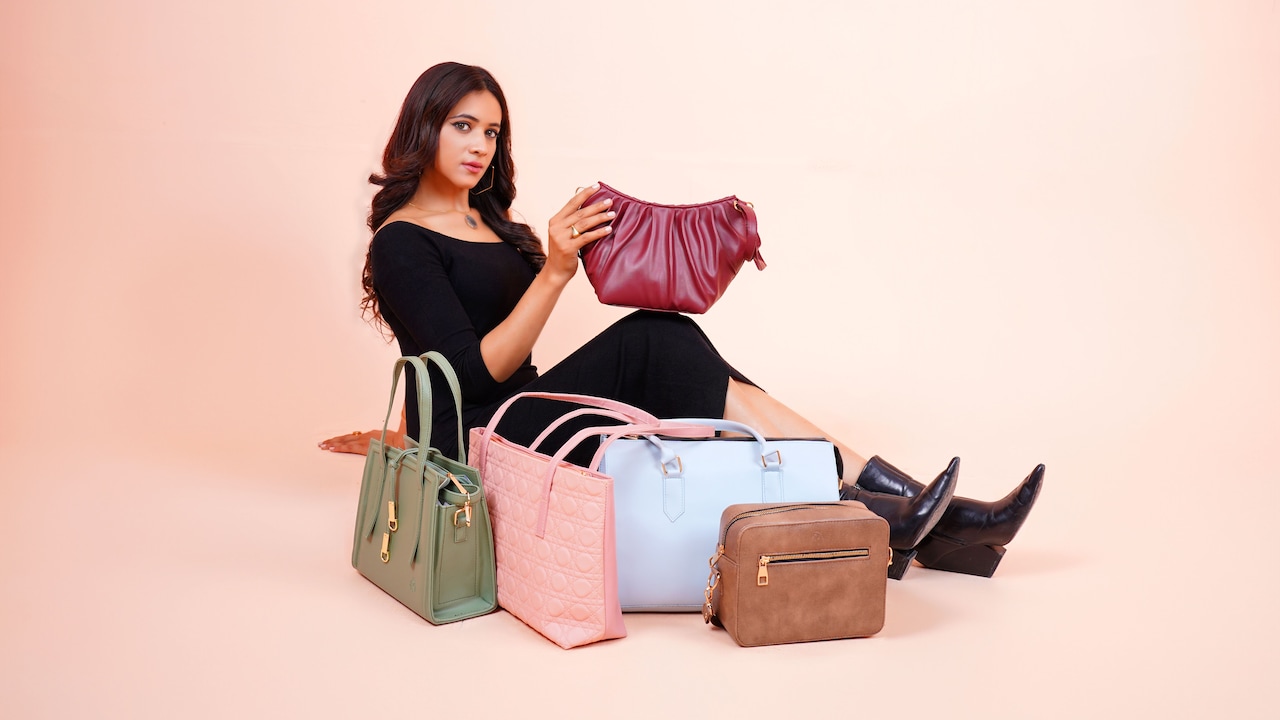
Why do tote bag handles crack
Photo Credit: Pexels
But bags rarely wear evenly. Handles face a completely different type of stress from the base, lining or main body. They constantly bend, rub against clothing, absorb sweat and carry concentrated weight. Material type, construction, storage and even the way we hold a tote can change how quickly these areas age.
Also Read: H&M Shopper Tote Bag Review: Meet The Bag Built For Busy Workdays
That also means many popular bag-care rules don't tell the whole story. Some can even shorten a tote's lifespan. Before writing off a favourite bag because its handles have seen better days, it helps to separate genuine quality problems from normal wear.
What Really Causes Tote Handles To Crack And Wear Out
1. Myth: Cracked Handles Mean The Entire Tote Is Poor Quality
Handle cracking can certainly signal a manufacturing or material problem, particularly when it appears soon after purchase with minimal use. However, older handles can deteriorate long before the rest of the tote because they work much harder.
Think about where the pressure lands. The bag body mainly holds belongings, while the handles repeatedly bend around hands, wrists or shoulders. Every bend stretches the outer surface slightly. Add friction from sleeves, jewellery and everyday movement, and the handle experiences hundreds of tiny stress cycles during a normal week.
Coated synthetic materials can show this particularly clearly. Their outer finish may eventually develop fine lines at frequently flexed sections while the underlying bag remains perfectly usable.
Check more than the handles before judging overall quality. Look at stitching around load-bearing points, the base, lining, zip, hardware and corners. If several areas fail together despite reasonable use, poor construction becomes a more convincing explanation.
One worn component doesn't automatically condemn the entire tote. Sometimes it simply reveals which part has been doing most of the heavy lifting.
2. Myth: Expensive Tote Bags Should Never Develop Cracks
A higher price can reflect better materials, construction, design and finishing, but it doesn't make a bag immune to ageing. Even premium materials respond to moisture, heat, friction, weight and frequent flexing.
Leather is a good example. Well-made leather can last for years, yet neglected leather may become dry and develop surface cracks. Certain coated materials can also show wear where they bend repeatedly. Fabric totes may avoid cracking altogether but develop frayed handles instead.
Price also doesn't control how someone uses a bag. A beautiful work tote loaded every day with a laptop, charger, diary, makeup pouch and giant water bottle will face considerably more strain than the same model used twice a month for brunch.
What matters is whether the wear seems reasonable for the material, age and usage pattern. Premature peeling, broken stitching or cracking after very limited use deserves closer attention.
Otherwise, some visible ageing is simply part of owning something that gets used. A quality tote should generally age better, not remain frozen in showroom condition forever.
3. Myth: Overloading Only Damages The Bottom Of A Tote
The base might carry the contents, but the handles carry the base. That makes overloading one of the quickest ways to stress areas well above the bottom of the bag.
When a tote becomes heavy, tension travels through the handles and concentrates around their attachment points. The handles also stretch slightly while being carried. If they have coated surfaces, repeated stretching and bending can eventually encourage cracking near folds or edges.
Overloading may also distort the bag's shape. Side panels pull inward, the opening stretches and seams remain under tension for longer periods. A tote that regularly looks as though it's transporting half the household probably needs a lighter workload.
This doesn't mean weighing every handbag before leaving home. A simple visual check works surprisingly well. If the handles look heavily stretched or the tote hangs noticeably out of shape, removing a few items makes sense.
Carrying fewer unnecessary items helps the bag and your shoulder. That forgotten paperback, second charger and emergency collection of coins probably don't all need to attend every outing.
4. Myth: Hanging A Tote By Its Handles Is The Best Way To Store It
Hanging totes looks wonderfully organised. Unfortunately, long-term hanging can keep the handles under constant tension, especially when anything remains inside.
A bag hanging from a narrow hook also places pressure on a very small section of each handle. Over weeks or months, that area may flatten, crease or develop stress marks. Structured handles can gradually lose their original curve as well.
Emptying the tote and storing it upright usually reduces unnecessary strain. Light stuffing can help structured bags retain their shape. Clean tissue paper or soft fabric works better than cramming the interior until the sides bulge.
Handles can sit naturally over the bag rather than being sharply folded. If the bag comes with a dust cover, use it while still allowing the tote to retain its intended shape.
Occasional hanging isn't disastrous. Leaving tomorrow's office tote on a hook overnight won't suddenly destroy it. The problem comes from treating hanging as permanent storage.
Those handles already spend enough time carrying your belongings. They don't need an unpaid night shift as well.
5. Myth: Moisturiser Can Fix Any Cracked Bag Handle
When handles look dry, reaching for whichever moisturiser happens to be nearby can feel sensible. Human skin gets moisturiser, so why not a handbag? Unfortunately, cosmetic products aren't formulated for bag materials.
Hand creams and body lotions may contain oils, fragrances and other ingredients that leave stains or sticky residue. They can also interact unpredictably with coated synthetic surfaces.
Even proper leather conditioners aren't universal solutions. A product designed for genuine leather may do nothing useful for polyurethane, PVC, coated canvas or faux leather. Using the wrong treatment can change texture, colour or finish.
Before applying anything, identify the material whenever possible and check the manufacturer's care advice. Test suitable cleaners or conditioners on a hidden area first.
Most importantly, remember that genuine cracks rarely disappear permanently with conditioning. Products may improve dryness or appearance, but they can't rebuild material that has already split.
Bag care works much better as prevention than resurrection. Regular gentle cleaning, sensible storage and appropriate conditioning can slow wear before the handles start resembling drought-hit ground.
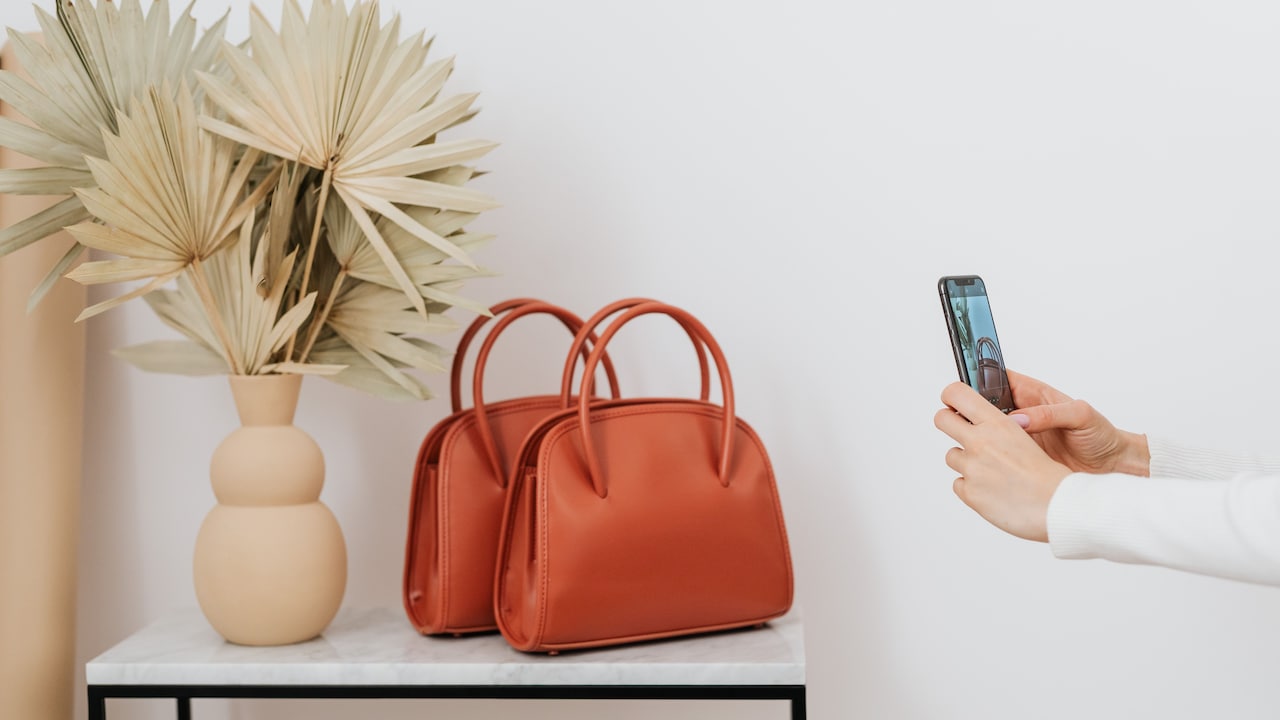
Leather conditioners may not always be able to prevent cracked handles; Photo Credit: Pexels
6. Myth: Faux Leather Handles Need No Maintenance
Synthetic leather may not need the same conditioning routine as natural leather, but “low maintenance” doesn't mean “no maintenance”.
Many faux-leather bags use a fabric base covered with a polyurethane or similar coating. Heat, moisture, friction and repeated flexing can gradually weaken that surface. Once the coating starts separating from its backing, peeling can spread.
Sweat and skin oils add another challenge. Tote handles spend hours in contact with palms and arms, particularly during warm or humid weather. Residue can build around the areas that receive the most handling.
A gentle wipe with a soft, slightly damp cloth after heavy use can help remove surface grime. Let the bag dry naturally before storing it, and avoid keeping it beside strong heat sources or in direct sunlight for long periods.
Harsh scrubbing usually causes more trouble than it solves. So do strong household cleaners.
Synthetic materials still have limits, and some eventually deteriorate regardless of care. Maintenance cannot make faux leather immortal, but good habits can prevent unnecessary damage from speeding up the process.
7. Myth: A Cracked Handle Has To Be Replaced Immediately
Not every tiny surface crack means a handle is moments away from snapping dramatically in the middle of a commute.
The important question is how deep the damage goes. Minor wear in the outer coating may remain mostly cosmetic. A handle with splitting edges, exposed internal material, loose stitching or structural weakness deserves more attention.
Check where the handle connects to the tote as well. Attachment points matter more structurally than a few superficial marks halfway along the strap. If stitching starts pulling away from the bag or the material around the connection tears, continued heavy loading can worsen the problem.
Repairs may also be possible. Depending on the material and construction, a professional bag repair service may reinforce attachment points, replace handles, repair edge coating or add protective wrapping.
There's little value in waiting until a weakened strap finally breaks and sends a laptop, lunch box and dignity towards the floor.
At the same time, replacing perfectly strong handles because of a few cosmetic lines can create unnecessary expense. Inspect the structure first, then decide whether the problem is appearance, function or both.
8. Myth: Water Is Harmless As Long As The Bag Dries Afterwards
A few raindrops won't automatically ruin a tote, but repeated moisture exposure can affect handles in ways that aren't immediately obvious.
Water can leave marks on certain natural leathers and may contribute to stiffness if the material dries too quickly. Moisture can also reach seams, edge coatings and internal layers. Some synthetic finishes tolerate occasional splashes reasonably well but still don't appreciate repeated soaking.
How the bag dries matters too. Placing a damp tote beside a heater or attacking it with a hair dryer might seem efficient, but concentrated heat can make some materials stiff, warped or brittle.
Instead, blot excess moisture gently and allow the bag to dry naturally in a ventilated area away from direct heat. Keep its shape while drying rather than folding or crushing it.
If rain is expected, a bag made for tougher everyday conditions may make more sense than carrying a delicate favourite.
No tote needs to be treated like priceless museum artwork. Still, repeatedly soaking it and hoping for the best isn't really a maintenance strategy.
9. Myth: Cleaning Handles More Often Always Makes Them Last Longer
Clean handles generally age better than handles covered in sweat, oil and grime. But aggressive cleaning can create its own damage.
Frequent rubbing gradually adds friction to an area already exposed to constant handling. Strong cleaners may strip finishes, fade colour or dry certain materials. Even excessive water can become problematic when it seeps into seams or layered construction.
The better approach focuses on gentle, proportionate cleaning. Light surface dirt often needs little more than a soft cloth suited to the material. Deeper stains should receive material-specific treatment rather than experimental kitchen chemistry.
Avoid assuming that detergent, alcohol wipes, makeup remover or sanitiser will work safely simply because they clean other surfaces. Sanitiser deserves particular caution because alcohol can affect some coatings and finishes.
Cleaning frequency should reflect use. A daily work tote will naturally need more attention than a bag used occasionally.
The goal isn't to make handles clinically sterile. It's to prevent grime from building up without scrubbing away the very finish you're trying to protect.
10. Myth: Once Handles Start Ageing, Nothing Can Slow Further Damage
Existing wear cannot always be reversed, but that doesn't mean further deterioration is inevitable at the same speed.
Start by changing whatever may have contributed to the damage. Reduce excessive loads, avoid hanging the tote for long periods and keep it away from prolonged heat and sunlight. Clean the handles appropriately and minimise unnecessary bending when storing them.
Rotating bags also helps. Using the same tote every single day gives its handles no break from friction, moisture and repeated flexing. Switching between two or three bags when practical can reduce continuous wear.
Early repair can make a difference too. Loose stitching or deteriorating edge coating usually becomes harder to deal with once the damage spreads. Tackling small structural problems early may extend the useful life of an otherwise sound tote.
And sometimes the most sensible option is simply accepting cosmetic ageing. A few marks don't automatically make a bag unusable.
Totes accompany us through crowded commutes, hurried shopping trips and overloaded workdays. Expecting them to remain untouched forever is ambitious. Helping them age gracefully is far more realistic.
Products Related To This Article
1. Marks & Spencer Leather Structured Tote Bag
2. Allen Solly Structured Handheld Bag with Pouch
3. ZOUK Women Multicolor Mandala Printed Structured Tote Bag Office Handbag
4. Allen Solly Colourblocked PU Structured Handheld Bag
5. DailyObjects Khaki Beige March Crossbody Bag Large
6. DressBerry Textured Shopper Shoulder Bag
7. Lavie Women Mono Ll Becky Flap Satchel Handbag
Cracked handles deserve attention, but they don't automatically reveal the quality of an entire tote. Handles bend, rub and carry concentrated weight, so they often show wear first. Sensible loading, gentle cleaning, careful storage and early repairs can prevent small problems from becoming bigger ones. Before retiring a favourite bag, look beyond the surface crack. The rest of the tote may have plenty of life left.
(Disclaimer: This article may include references to or features of products and services made available through affiliate marketing campaigns. NDTV Convergence Limited (“NDTV”) strives to maintain editorial independence while participating in such campaigns. NDTV does not assume responsibility for the performance or claims of any featured products or services.)