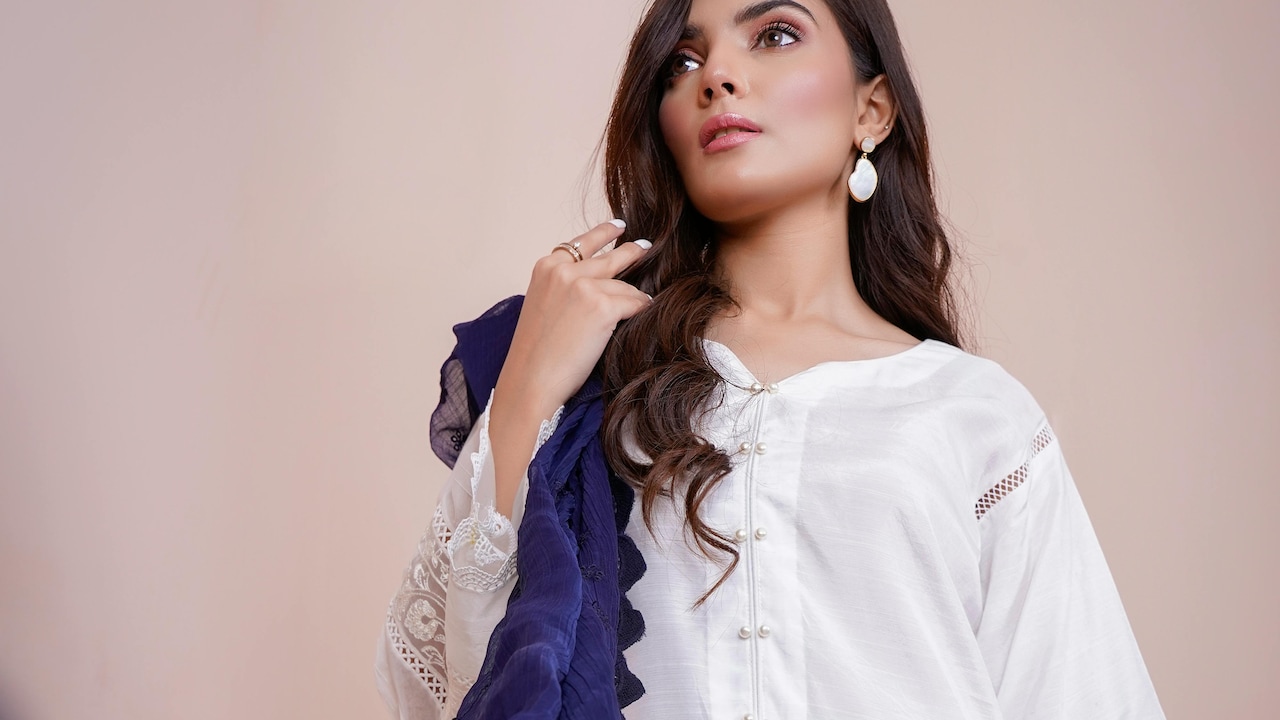
How To Choose Shrugs For Sleeveless Dresses
Sleeveless dresses feel effortless, but the right shrug completes the look. Here's how to choose the perfect layer based on fit, fabric, length, and occasion without ruining your outfit's balance.
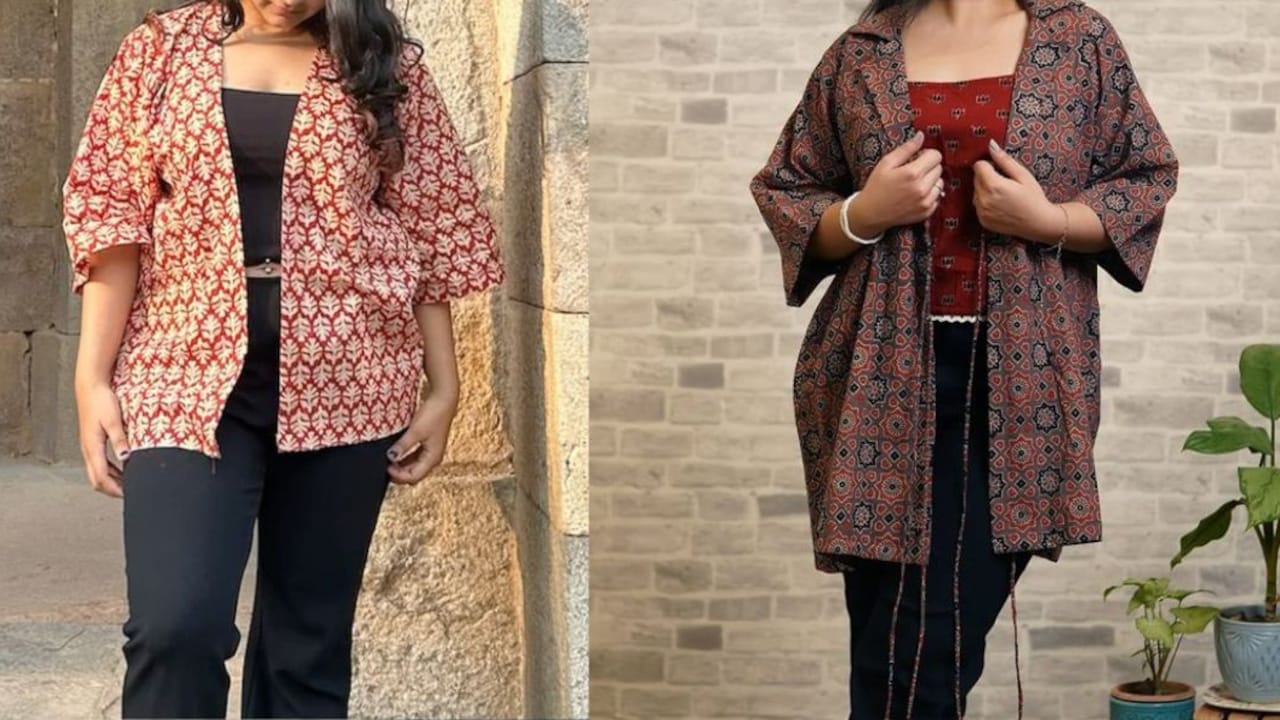
Struggling To Style Sleeveless Dresses? This Is How To Pick The Perfect Shrug.
Sleeveless dresses solve many wardrobe dilemmas. They feel breathable during warm weather, look polished with minimal effort, and transition easily from casual brunches to evening gatherings. Yet, many wardrobes face the same small problem: sometimes a little coverage feels necessary. Air-conditioned offices turn chilly, family occasions demand modest layering, or simply the mood calls for something extra.
That's where shrugs quietly become style heroes. A well-chosen shrug doesn't just cover shoulders; it reshapes proportions, balances colours, and adds personality to an otherwise simple outfit. The challenge lies in choosing one that complements rather than competes. Too bulky, and the dress disappears. Too delicate, and it looks like an afterthought.
Understanding how length, fabric, fit, and occasion work together makes all the difference. This guide breaks down the art of choosing shrugs for sleeveless dresses into practical decisions that feel intuitive once understood. Think of it as learning the small styling tricks that instantly make everyday outfits look intentional rather than accidental.
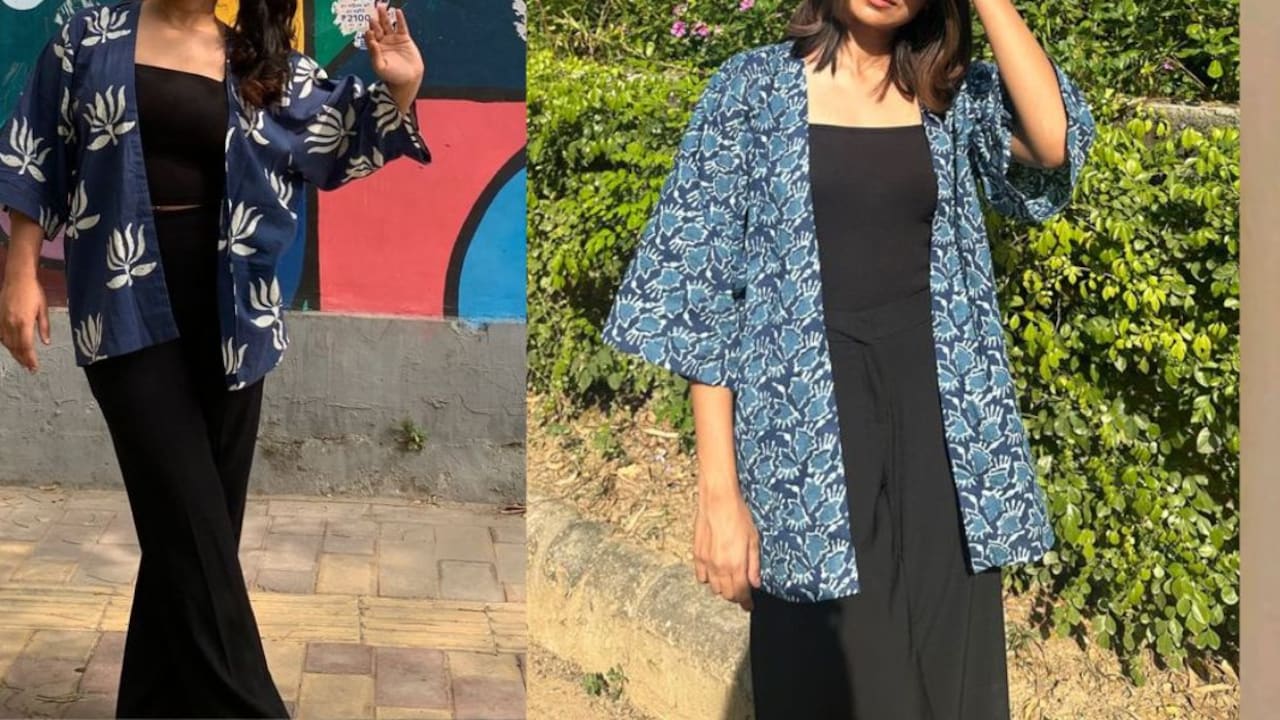
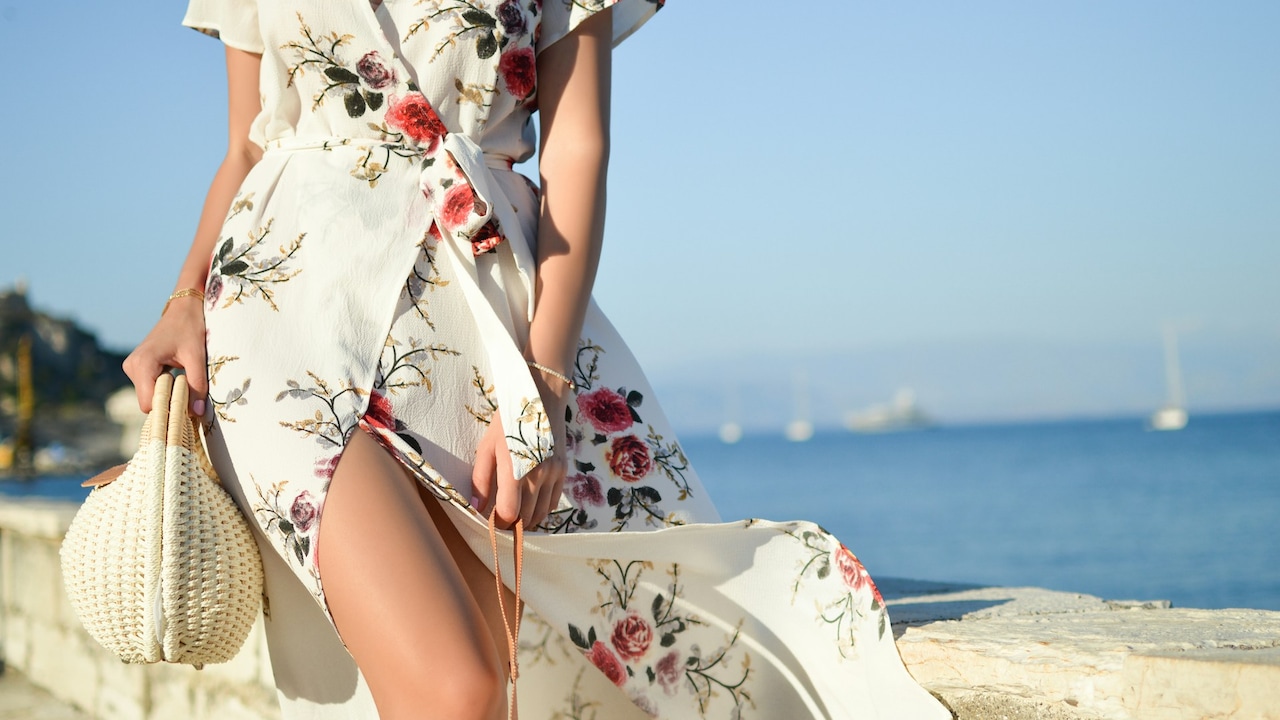
How To Choose Shrugs For Sleeveless Dresses; Photo Credit: Pexels
Smart Styling Rules For Pairing Shrugs With Sleeveless Dresses
Choose The Right Length For Your Dress Silhouette
Length is the first detail that decides whether a shrug works or fails. Many styling issues begin when both layers compete for attention. A shrug should frame the dress, not interrupt its shape.
Short shrugs work beautifully with fit-and-flare or A-line dresses because they highlight the waist and maintain the dress's movement. Cropped styles also flatter petite frames since they prevent the outfit from looking visually heavy. Longer shrugs, on the other hand, pair well with bodycon or straight dresses, adding vertical flow and subtle elegance.
Midi dresses often benefit from waist-length or hip-length shrugs, as these maintain balance without shortening the silhouette. The key lies in contrast. If the dress flows outward, keep the shrug shorter. If the dress hugs the body, a longer layer softens the look.
Many people instinctively choose shrugs based only on colour, but proportion matters far more. Standing in front of a mirror and observing where the shrug ends often reveals whether the outfit looks harmonious or awkward. When length aligns with structure, even the simplest outfit suddenly appears thoughtfully styled.
Pick Fabrics That Match The Season And Setting
Fabric determines comfort long before style enters the conversation. A shrug that feels wrong physically rarely looks right visually. Breathable cotton and lightweight knits remain reliable choices for everyday wear, especially when temperatures fluctuate between outdoor heat and indoor cooling.
Sheer fabrics like chiffon or georgette add elegance without adding warmth, making them ideal for festive evenings or layered occasion wear. Meanwhile, jersey shrugs offer stretch and ease, perfect for long office hours or travel days when comfort matters most.
Winter dressing introduces textured options such as fine wool blends or ribbed knits. These create warmth while still allowing sleeveless dresses to stay relevant beyond summer months. Heavy fabrics should remain structured rather than bulky, ensuring the outfit retains shape.
Matching the fabric weight with the dress prevents imbalance. A delicate dress paired with a thick shrug looks mismatched, while a structured dress benefits from slightly sturdier layers. Choosing fabric thoughtfully ensures the shrug feels like a natural extension of the outfit rather than an emergency add-on grabbed at the last minute.
Also Read: Top Affordable Open Shrugs To Upgrade Your Daily Look Under ₹999
Understand Fit: Relaxed Does Not Mean Oversized
Fit often gets misunderstood. Many assume shrugs should sit loosely because they function as outer layers, but excessive volume quickly overwhelms sleeveless dresses.
A well-fitting shrug follows shoulder lines neatly without pulling or sagging. Sleeves should allow movement without bunching near elbows. When arms lift, the shrug should stay comfortably in place rather than shifting awkwardly.
Slim or tailored fits work best for formal environments because they maintain structure. Relaxed fits suit casual dresses but still require intentional shaping. Oversized silhouettes only work when balanced with fitted dresses underneath; otherwise, the outfit loses definition.
Trying a simple movement test helps. Sit, stretch, and walk while wearing the shrug. If constant adjustment becomes necessary, the fit likely isn't right. Comfort and structure must coexist.
The ideal shrug feels almost invisible while wearing it. Instead of drawing attention to itself, it enhances posture and confidence, allowing the dress to remain the focal point.
Balance Colours Without Playing Too Safe
Colour coordination determines whether a shrug blends seamlessly or creates a striking statement. Neutral shades such as beige, black, ivory, or soft grey remain dependable choices because they pair with multiple dresses. However, relying only on neutrals often makes outfits predictable.
Contrasting colours can elevate styling instantly. A pastel shrug over a bold dress softens intensity, while a deep jewel tone adds drama to lighter outfits. Tonal dressing also works beautifully; choosing a shrug within the same colour family creates a sophisticated layered effect.
Patterns require caution. If the dress already carries prints, a solid shrug prevents visual clutter. Conversely, a printed shrug can revive a plain sleeveless dress that feels too simple.
Colour choices should reflect mood and occasion rather than strict rules. Sometimes a bright shrug transforms an everyday dress into something festive enough for celebrations. Experimentation often reveals unexpected combinations that become wardrobe favourites over time.
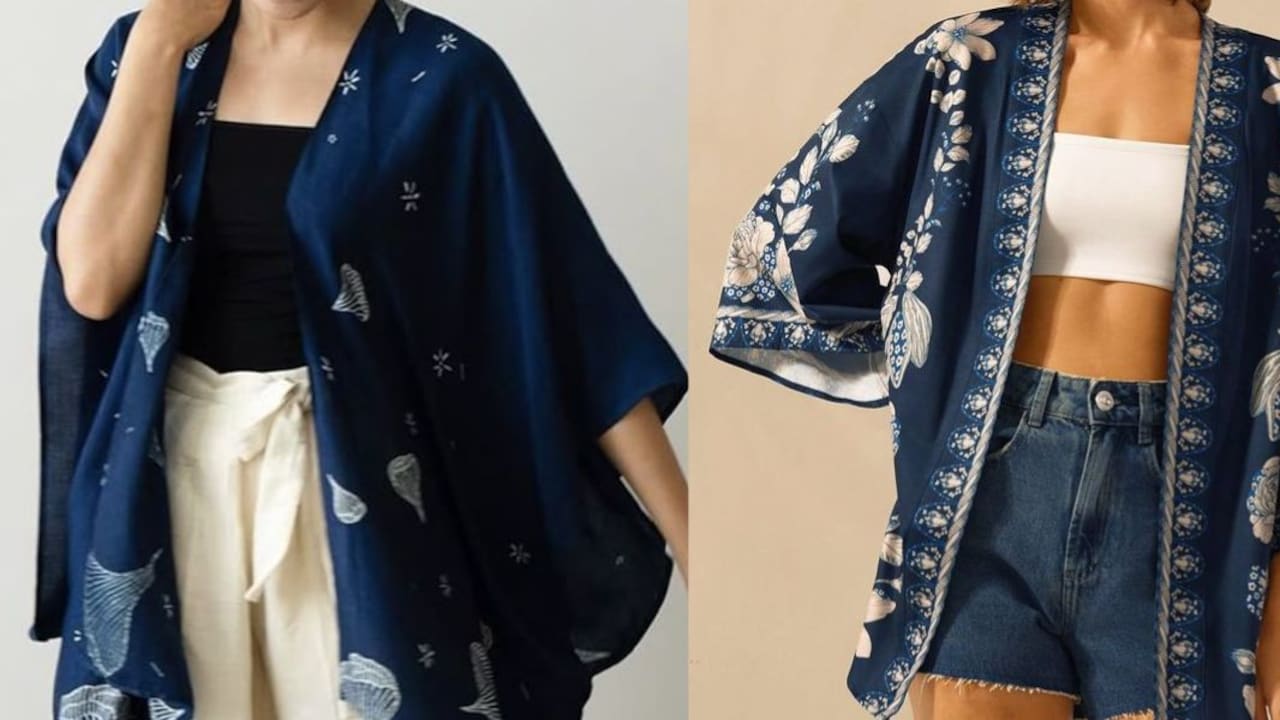
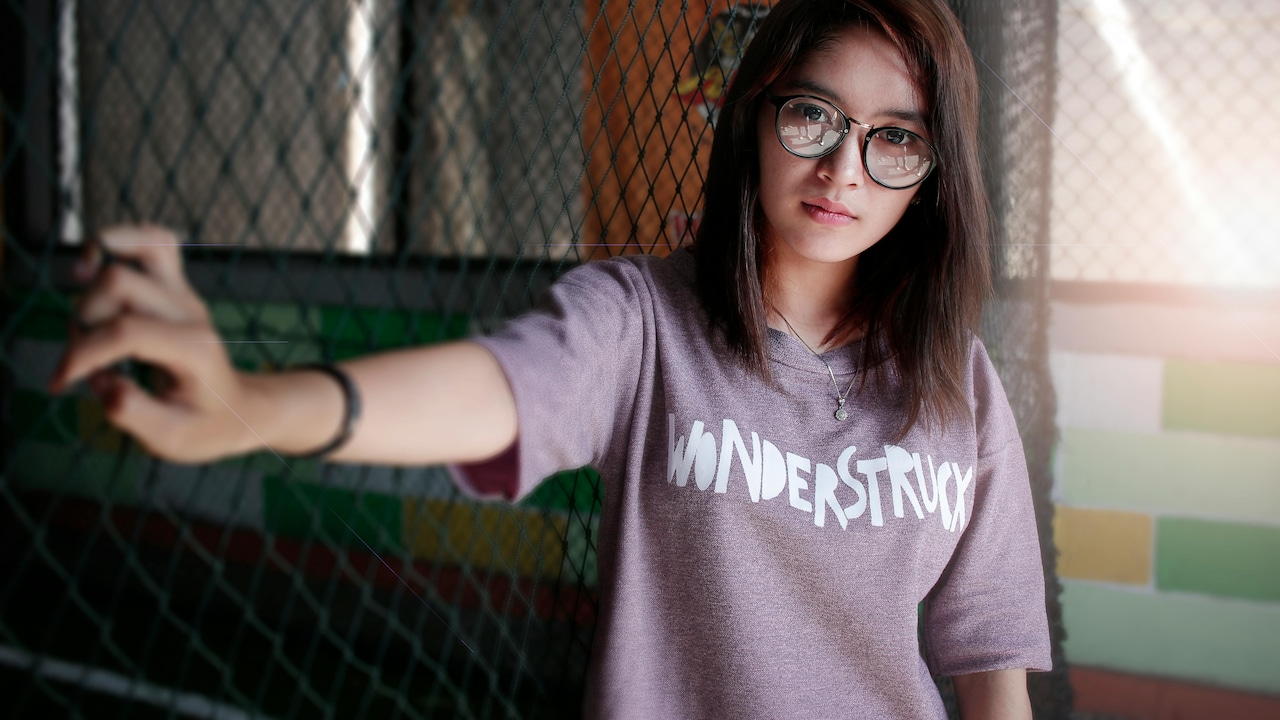
How To Choose Shrugs For Sleeveless Dresses; Photo Credit: Pexels
Consider Necklines And Sleeve Designs Carefully
Sleeveless dresses come with varied necklines, and each interacts differently with a shrug. Ignoring this relationship often leads to awkward layering.
High necklines pair best with open-front or waterfall shrugs that avoid crowding the neckline area. Deep neck dresses benefit from structured shrugs that provide balance and modesty without hiding design details.
Cap-sleeve or three-quarter shrugs add sophistication to evening outfits, while sleeveless shrugs create a layered look without increasing warmth. Bell or flared sleeves introduce movement but should remain subtle to avoid overpowering the dress.
The goal is harmony. When the neckline and the shrug opening align visually, the outfit appears cohesive. When they clash, attention shifts to the layering rather than the overall look.
Observing how lines flow from the shoulder to the waist helps determine whether the shrug complements the dress's natural design language.
Dress For The Occasion, Not Just The Weather
A shrug suitable for errands rarely works for weddings or formal dinners. Occasion plays a quiet yet powerful role in styling decisions.
Light cotton shrugs suit daytime outings, college wear, or casual office environments. Embellished or lace shrugs elevate festive attire without requiring heavy accessories. Structured styles with clean lines work well for professional settings where polish matters.
Evening occasions welcome richer textures such as shimmer knits or satin blends that reflect light subtly. Meanwhile, travel wardrobes benefit from wrinkle-resistant fabrics that maintain shape after long hours.
Choosing according to occasion ensures the shrug feels intentional. A thoughtfully selected layer communicates effort without appearing overdressed. It also allows sleeveless dresses to adapt across multiple environments, extending wardrobe versatility without additional spending.
Use Shrugs To Create Flattering Proportions
Shrugs offer more than coverage; they reshape visual proportions. Strategic layering can highlight strengths while softening areas that feel less comfortable.
Cropped shrugs emphasise the waist, making them ideal for creating an hourglass illusion. Longer, vertical styles elongate the torso and create a slimming effect. Darker shades near the upper body draw focus downward toward the dress.
Lightweight fabrics that drape naturally help avoid stiffness. Structured shoulders subtly enhance posture, making outfits look sharper without obvious effort.
Understanding body proportions removes guesswork from styling. Instead of following trends blindly, selecting shapes that enhance natural balance results in outfits that feel authentic and comfortable.
When proportions align, confidence becomes visible. The outfit feels less like fashion experimentation and more like a natural extension of personal style.

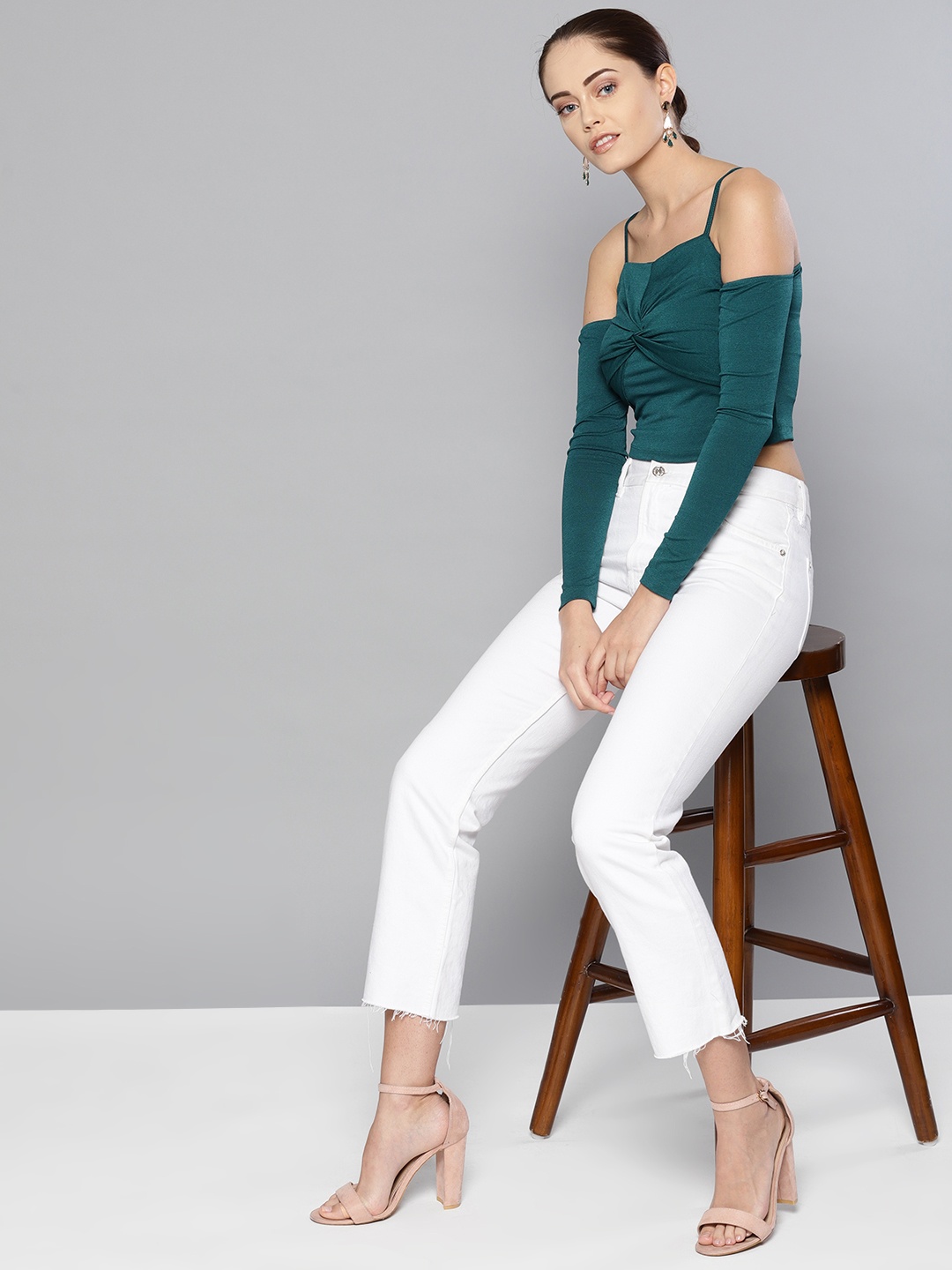
How To Choose Shrugs For Sleeveless Dresses; Photo Credit: Pexels
Pay Attention To Layering Comfort And Movement
Practical comfort often determines whether a shrug becomes a wardrobe staple or remains unused. Mobility matters more than appearance alone.
Breathable fabrics prevent overheating during crowded commutes or long gatherings. Stretchable materials allow ease during daily tasks. Lightweight shrugs fold easily into handbags, making them convenient companions for unpredictable weather shifts.
Seam placement also affects comfort. Flat seams prevent irritation, especially during extended wear. Soft inner textures feel pleasant against bare arms, which becomes important when wearing sleeveless outfits.
Testing movement before purchasing helps avoid regret later. Raising arms, sitting comfortably, and walking naturally ensure the shrug supports everyday life rather than restricting it.
Comfort transforms styling from occasional effort into an effortless habit, encouraging frequent use rather than reserved wear.
Invest In Versatile Styles That Work Across Outfits
A practical wardrobe thrives on versatility. Instead of collecting multiple trend-driven shrugs, choosing a few adaptable styles offers better value.
Neutral cropped shrugs pair with ethnic dresses, western silhouettes, and casual outfits alike. Lightweight longline shrugs transition easily between office wear and evening outings. Simple designs without excessive embellishment allow repeated styling without feeling repetitive.
Versatile pieces reduce decision fatigue. Getting dressed becomes quicker when reliable layering options exist. Investing thoughtfully often proves more economical than frequently replacing trend-based purchases.
Quality also matters. Well-stitched seams and durable fabrics ensure longevity, making a slightly higher price worthwhile over time. A ₹1,500 shrug worn across seasons delivers far greater value than multiple cheaper options worn only once or twice.
Building a small collection of dependable shrugs turns sleeveless dresses into year-round wardrobe essentials.
Let Personal Style Lead The Final Choice
Rules provide guidance, but personal comfort ultimately decides success. Fashion feels most convincing when it reflects personality rather than strict styling formulas.
Some prefer minimalist shrugs that quietly complement outfits. Others enjoy dramatic layers that become statement pieces. Both approaches work when confidence drives the choice.
Experimenting with textures, colours, and silhouettes helps discover preferences naturally. Trying combinations at home often sparks ideas that wouldn't emerge while shopping quickly.
Style evolves with lifestyle changes, work environments, and social settings. Allowing room for experimentation keeps wardrobes fresh without constant reinvention.
A shrug chosen with intention feels less like a necessity and more like a signature finishing touch. Over time, certain combinations become recognisable favourites, simplifying dressing decisions while strengthening personal style identity.
Products Related To This Article
1. Perfette Wollo Women Shrug
2. Kanchan World Women Shrug
3. Purys Women Shrug
4. Perfette Wollo Women Shrug
5. Lunice Women Shrug
Shrugs for sleeveless dresses may appear like small additions, yet they hold remarkable power in transforming the entire getup. The right choice enhances comfort, adds versatility, and introduces subtle style depth without overshadowing the outfit itself. Understanding length, fabric, fit, colour, and occasion turns what once felt like guesswork into an easy styling process.
Layering should never feel complicated. When chosen thoughtfully, a shrug adapts dresses to changing weather, diverse settings, and evolving preferences. It allows favourite outfits to remain wearable throughout the year while offering confidence exactly where needed.
Fashion often celebrates bold statements, but true style lives in thoughtful details. A well-selected shrug proves that sometimes the smallest layer creates the biggest difference, turning everyday dressing into something effortlessly polished and quietly expressive.
(Disclaimer: This article may include references to or features of products and services made available through affiliate marketing campaigns. NDTV Convergence Limited (“NDTV”) strives to maintain editorial independence while participating in such campaigns. NDTV does not assume responsibility for the performance or claims of any featured products or services.)