How To Choose Sunglasses For Face Shape, Fit And Everyday Comfort
Find sunglasses that flatter your face, fit securely and stay comfortable all day. Learn how to choose the right frame shape, width, bridge, lens size and material for effortless everyday wear.
How To Choose Sunglasses For Face Shape, Fit And Everyday Comfort
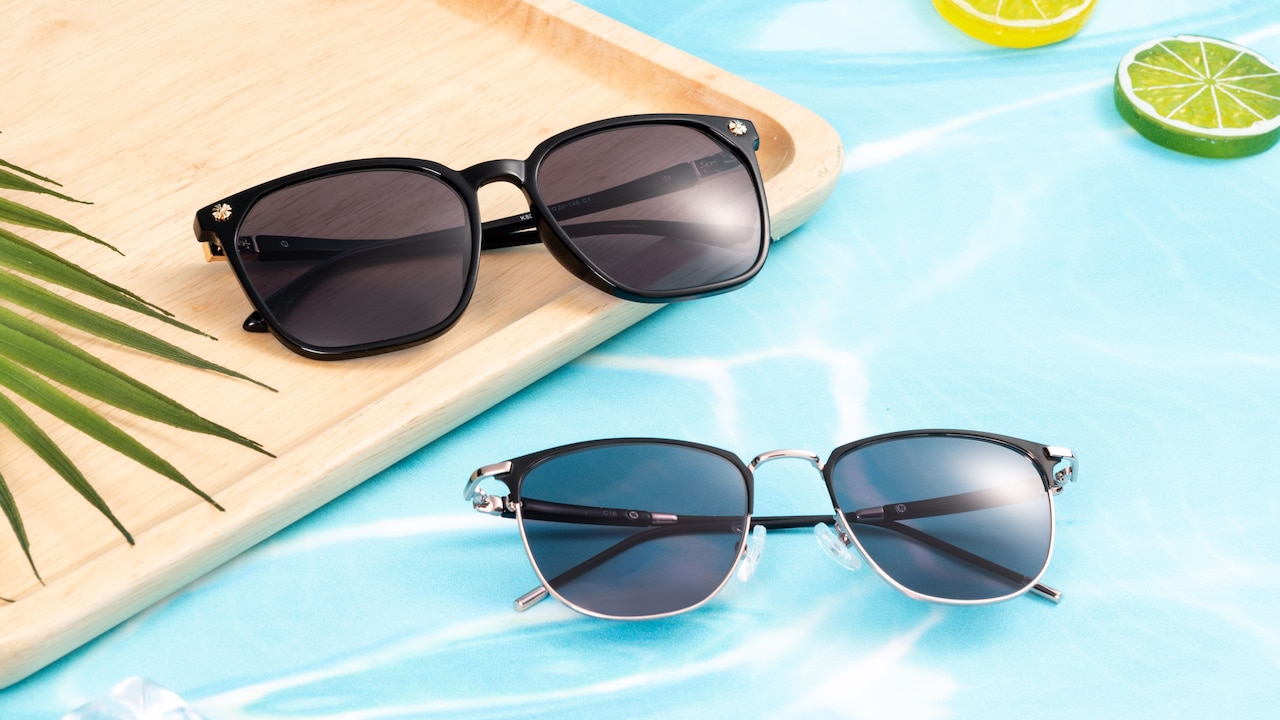
Choosing sunglasses often begins with a familiar scene. A stylish pair looks brilliant on the display shelf, decent in the mirror and surprisingly awkward five minutes after leaving the shop. The bridge starts slipping, the arms pinch near the temples, and the lenses rest against the cheeks whenever a smile appears. Fashion has clearly won the first round, but comfort is preparing a strong comeback. A good pair should work with the face rather than compete with it. Shape matters, but it is only one part of the decision. Frame width, bridge design, lens size, weight and daily routine all affect how sunglasses feel. Weather plays a role too. Frames that seem comfortable in an air-conditioned shop may slide during a humid afternoon or feel heavy during a long road journey.
Sunglasses Buying Guide: Find The Right Shape, Fit And Comfort
Photo Credit: Pexels
The goal is not to follow rigid style rules. Faces rarely fit neatly into one category, and personal taste deserves room. Think of face-shape guidance as a helpful starting point, not a courtroom verdict. The best sunglasses create balance, suit everyday habits and feel so natural that constant adjustment becomes unnecessary.
Find The Right Sunglasses For Your Face And Lifestyle
Identify Your Face Shape Without Overthinking It
Face-shape labels sound precise, yet most faces combine features from several categories. Someone may have a broad forehead, rounded cheeks and a slightly pointed chin. Another person may have a strong jaw but softer facial lines. Instead of forcing the face into one box, notice its most prominent proportions.
Stand in front of a mirror with the hair pulled away from the face. Look at the width of the forehead, cheekbones and jaw. Then consider the overall length. A round face usually has similar width and length, with gentle curves. An oval face appears longer than it is wide. Square faces tend to have a defined jaw and balanced proportions. Heart-shaped faces often feature a wider forehead and narrower chin. Oblong faces look long and relatively straight at the sides.
A quick photograph can help because mirrors sometimes encourage unconscious posing. Use a front-facing picture taken at eye level, not a dramatic low-angle selfie worthy of a film poster. Once the dominant shape becomes clear, frame shopping feels less random. Still, comfort and personality should always outrank any theoretical rule.
Choose Frames That Balance A Round Face
Round faces usually have soft curves, fuller cheeks and fewer sharp angles. Frames with structure can create contrast and give the face a more defined appearance. Rectangular, square and geometric sunglasses often work well because their straight lines visually lengthen the face.
Look for frames that sit slightly wider than the broadest part of the cheeks. A modest upsweep at the outer corners can also lift the overall look. Wayfarer-inspired styles, angular cat-eye frames and clean browline designs often bring welcome definition. Darker rims may sharpen the effect, while slim metal frames offer a lighter version of the same idea.
Tiny circular lenses can exaggerate roundness, especially when the frame sits close to the centre of the face. Oversized round frames may create the same effect, although personal style can certainly break the rule. Someone who loves a bold retro look may wear them brilliantly.
The key lies in proportion. Frames should add shape without overwhelming the features. Check the side view too. If the arms flare outward or the lenses press against the cheeks, the frame is too narrow, regardless of how flattering it appears from the front.
Soften A Square Face With Curved Frames
A square face often features a broad forehead, strong jawline and fairly even width from top to bottom. Curved sunglasses can soften those defined angles while preserving the face's natural character. Round, oval and gently curved aviator frames usually create an attractive contrast.
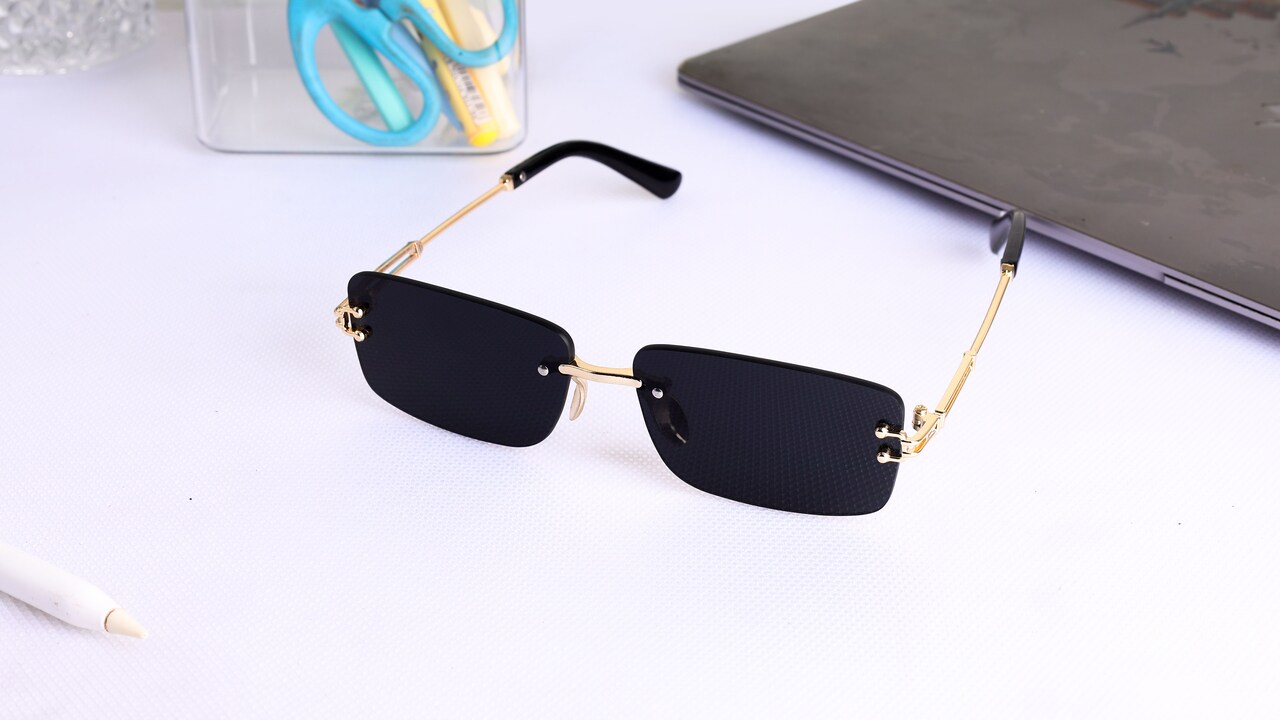
Choose designs with smooth edges rather than severe corners. Thin metal rims can keep the look light, while slightly oversized lenses may add balance around a prominent jaw. Classic aviators work particularly well when the teardrop shape does not extend too far below the cheekbones. Rounded rectangular frames also offer a practical middle ground for anyone who dislikes fully circular lenses.
Very boxy frames may repeat the same angles already present in the face. That can look striking, but it creates a stronger and more architectural effect. For an everyday pair, softer lines often feel easier to wear.
Pay attention to the top edge of the frame. It should follow the natural line of the eyebrows without covering them completely. Frames that sit too low can make the face appear heavier. A comfortable bridge and properly curved arms will keep the sunglasses stable without squeezing the temples.
Make The Most Of An Oval Face
Oval faces are longer than they are wide, with balanced proportions and a gently curved jaw. This shape suits a broad range of sunglasses, which sounds convenient until twenty attractive options create complete decision paralysis.
Most frame styles work, including wayfarers, aviators, cat-eye designs, rectangular frames and rounded shapes. The main task is maintaining proportion. Frames should usually match the width of the face or extend only slightly beyond it. Extremely narrow styles can make the face look longer, while very oversized frames may hide too much of its natural balance.
Consider features beyond face shape. A strong brow may pair well with a bold upper rim. Delicate features may suit lighter frames or transparent acetate. A longer nose can look balanced with a lower bridge, while a shorter nose may benefit from a higher bridge that creates more visible space.
Since an oval face offers flexibility, lifestyle can guide the final decision. A polished metal frame may suit office wear, while a durable acetate pair can handle daily travel. The most flattering choice should still feel comfortable after thirty minutes, not merely impressive during a ten-second mirror check.
Also Read: Soak Up The Sun In Style: 5 Budget-Friendly Unisex Sunglasses To Grab
Add Balance To A Heart-Shaped Face
Heart-shaped faces usually have a broader forehead, prominent cheekbones and a narrower chin. The most flattering sunglasses often add visual weight lower on the face or soften the width near the temples.
Frames with rounded lower edges work well. Aviators, oval sunglasses and rimless styles can create gentle balance. Cat-eye frames also suit this face shape, though the outer corners should not extend too dramatically. An extreme upsweep may make the upper face appear even wider.
Look for frames that match the width of the forehead without stretching beyond it. Light colours, thin rims and subtle detailing can prevent the top half from looking heavy. Frames with a slightly wider lower section may also complement a pointed chin.
Bridge placement deserves attention. A frame that sits too high can crowd the brow area, while one that rests too low may slip towards the tip of the nose. Choose a bridge that distributes pressure evenly.
The best result feels balanced rather than calculated. The sunglasses should draw attention to the whole face, not just the forehead or chin. When the proportions look harmonious, even a simple frame can feel unexpectedly elegant.
Sunglasses Buying Guide: Find The Right Shape, Fit And Comfort
Photo Credit: Pexels
Shorten An Oblong Face With Greater Lens Depth
An oblong face appears noticeably longer than it is wide. The forehead, cheeks and jaw may have similar widths, while the sides look relatively straight. Sunglasses with generous lens depth can make the face appear shorter and more balanced.
Oversized frames, deep rectangular shapes and broad aviators often work well. Decorative temples or a strong browline can add width and draw attention sideways. Frames with a lower bridge may also visually shorten the nose and central area of the face.
Avoid very small or shallow lenses. They can emphasise length and leave too much open space above and below the frame. Narrow sunglasses may look fashionable in photographs, but they often feel less harmonious during everyday wear.
Frame width remains important. Oversized does not mean loose. The arms should travel straight back towards the ears rather than spreading outward. The frame should also stay steady when looking down at a phone or tying a shoelace.
A deeper lens offers practical advantages too. It provides more coverage during bright afternoons and reduces glare entering from above. For long drives or outdoor errands, that extra protection can feel as valuable as the flattering proportions.
Check Frame Width Before Falling For The Design
Frame width can decide whether sunglasses become a daily favourite or remain forgotten in a drawer. A beautiful design will not help if the hinges stretch outward, the arms squeeze the head or the frame slides with every step.
Start by checking the front. The edges should align roughly with the widest part of the face. A slight extension can look stylish, but a large gap suggests an oversized fit. If the frame is too narrow, the arms may bow outward instead of running straight towards the ears. This creates pressure at the temples and can cause headaches.
Next, inspect the pupils. They should sit close to the centre of each lens. Perfect mathematical alignment is unnecessary, but a visibly off-centre position may indicate poor sizing. The lenses should also provide enough coverage without touching the cheeks.
Many frames display three measurements inside one arm, such as 52–18–140. These usually refer to lens width, bridge width and temple length in millimetres. Compare those numbers with a comfortable pair already owned.
Never rely on the label alone. Two frames with identical measurements can fit differently because of lens shape, material and curvature. Always judge the complete frame on the face.
Find A Bridge That Stays Put Comfortably
The bridge supports much of the frame's weight, so a poor match quickly becomes annoying. Sunglasses that slide down every few minutes can turn a relaxed outing into a repetitive nose-pushing exercise.
A well-fitted bridge should make even contact without pinching. It should not leave deep marks after brief wear. People with a lower or flatter nose bridge may find standard plastic frames unstable, especially in hot weather. Low-bridge-fit designs, adjustable nose pads or wider bridge shapes often provide better support.
Metal frames usually offer adjustable nose pads, which allow a skilled optician to fine-tune the position. The pads should sit evenly and should not dig into the skin. Silicone versions often provide extra grip during humid days.
With acetate frames, adjustment options are more limited, so the original bridge shape matters greatly. Check for gaps between the bridge and nose. A large gap may cause slipping, while excessive contact can create pressure.
Smile naturally while trying the sunglasses. If the cheeks push the frame upwards, the bridge or lens shape may not suit the face. Comfort should remain steady while talking, smiling and moving, not only while standing perfectly still.
Consider Weight, Material And Temple Pressure
Sunglasses may feel light in the hand yet heavy after an hour. Weight distribution matters as much as the actual number on a scale. A thick frame with balanced support can feel more comfortable than a lighter pair that presses sharply on the nose.
Acetate frames offer rich colours, sturdy construction and a substantial look. However, very thick designs can feel warm or heavy during summer. Lightweight injected plastic may suit travel and casual use, though cheaper versions can lose shape. Metal frames often feel refined and airy, but poor-quality nose pads or tight arms can cause discomfort.
Check the temples, also called the arms. They should rest gently against the sides of the head and curve comfortably behind the ears. Pressure near the temples can trigger headaches. Loose arms, meanwhile, allow the frame to slide during walking or driving.
Hinges deserve a quick inspection. They should open smoothly without wobbling. Spring hinges offer flexibility, especially for wider faces, but they should not become an excuse for choosing a frame that is clearly too narrow.
Wear the sunglasses for several minutes before buying. A brief trial often reveals pressure points that excitement initially hides.
Match Lens Size And Shape To Daily Use
Lens shape affects style, but lens size affects comfort, coverage and practicality. Large lenses offer protection from bright light and dust, which helps during road travel, beach holidays and long afternoons outdoors. However, very large lenses can touch the cheeks or feel heavy on smaller faces.
Shallow lenses may look sleek, yet they allow more sunlight to enter from above and below. They can also feel less comfortable during driving because the frame edge may sit within the field of vision. For regular commuting, medium to large lenses often provide the best balance.
Consider the frame's curve. Highly wrapped sunglasses block light from the sides and suit cycling or outdoor sport. On some faces, though, a strong curve can cause the arms to squeeze or the lenses to sit too close to the eyelashes. Flatter frames offer a more relaxed fashion look but provide less side coverage.
Daily habits should shape the choice. Someone who frequently wears sunglasses with a helmet needs slim, comfortable arms. Anyone who moves between outdoor heat and air-conditioned spaces may prefer lighter materials. The right lens design should support real routines rather than an imaginary holiday wardrobe.
Test Comfort In Realistic Everyday Movements
A mirror reveals appearance, but movement reveals fit. Before buying sunglasses, recreate a few ordinary actions. Look down, turn the head, smile, raise the eyebrows and walk around. A secure frame should stay in place without gripping the face.
Check whether the eyelashes brush against the lenses. This can leave marks and become irritating. Notice whether the frame touches the cheeks when speaking or laughing. Some contact may seem minor in the shop, but repeated movement can smudge lenses throughout the day.
Try the sunglasses in natural light when possible. Indoor lighting may hide how dark the lenses feel or how much glare enters from the sides. Comfort also includes visual ease. Lenses should not distort straight lines or create a strange pulling sensation when the head moves.
Think about accessories. Earrings, a helmet, headphones or a dupatta can interact with frame arms. A pair that feels perfect alone may become uncomfortable when combined with daily essentials.
Most importantly, resist buying a frame that requires constant adjustment from the beginning. Sunglasses may loosen slightly over time, but an unsuitable shape rarely transforms into a perfect fit through optimism alone.
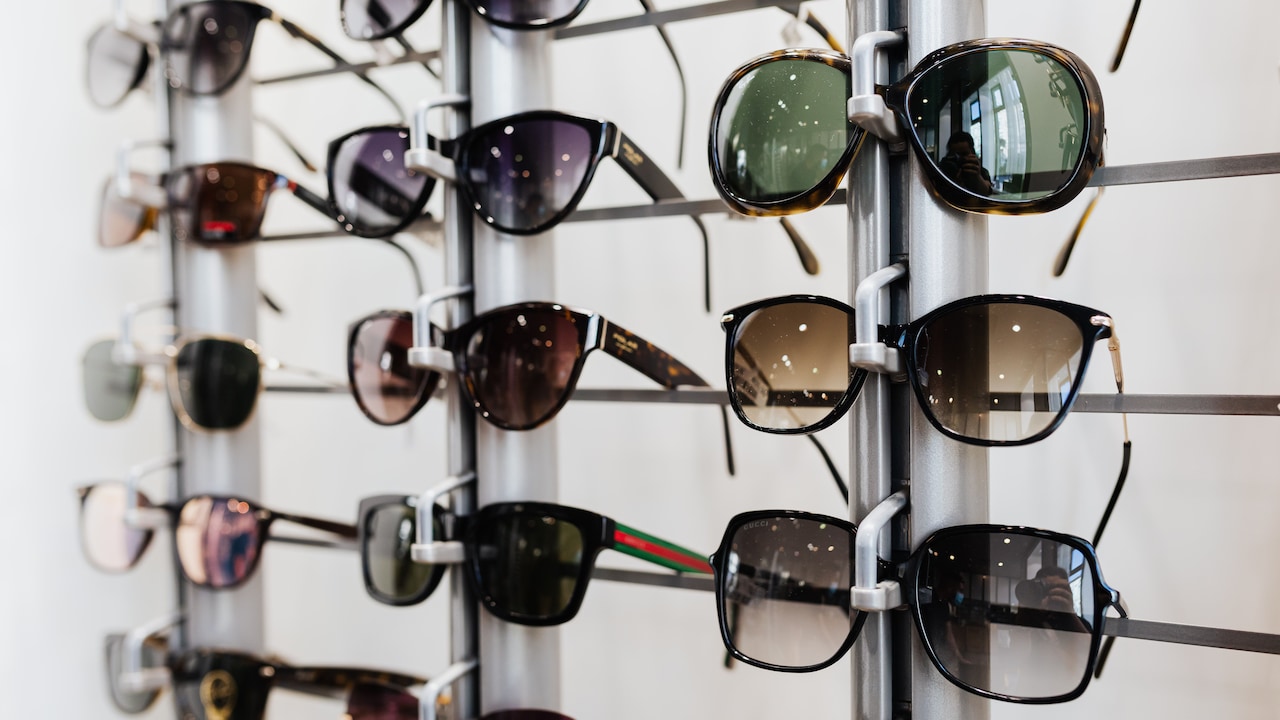
Sunglasses Buying Guide: Find The Right Shape, Fit And Comfort
Photo Credit: Pexels
Products Related To This Article
1. Vincent Chase By Lenskart
2. Voyage Round Polarized and UV Protected Sunglasses
3. FAVELA Retro Oval Sunglasses for Women & Men
4. Fastrack Black Wayfarer *380-390 UV protected Sunglasses for Men
5. Shisen Fox Totoro Polarized Sunglasses for Men & Women
6. Dervin UV Protected Square Rimless Sunglasses
7. Fastrack Tees Black Aviator Sunglasses for unisex
Choosing sunglasses becomes easier when style and comfort receive equal attention. Face shape can guide the search, but it should never restrict personal taste. Angular frames may balance soft features, curved frames may soften a strong jaw, and deeper lenses may complement a longer face. Yet none of these advantages matters when the bridge slips or the temples ache.
A reliable pair should match the width of the face, rest evenly on the nose and remain steady during normal movement. The lenses should offer useful coverage without touching the cheeks or eyelashes. Materials, frame weight and arm pressure also deserve careful thought, especially for sunglasses worn through hot afternoons, crowded commutes and long drives.
Take time during the fitting process. Smile, look down and move around. Check the measurements, but trust physical comfort too. The best sunglasses do not demand constant attention. They simply settle into the day, protect the eyes and add that effortless finishing touch—the one that makes even a routine trip for groceries feel slightly more put together.
(Disclaimer: This article may include references to or features of products and services made available through affiliate marketing campaigns. NDTV Convergence Limited (“NDTV”) strives to maintain editorial independence while participating in such campaigns. NDTV does not assume responsibility for the performance or claims of any featured products or services.)