The Dos And Donts Of Wearing Toe Rings Daily: Comfort, Care And Common Mistakes
Toe rings are worn daily by many, yet comfort and care are often overlooked. This guide breaks down the essential dos and don’ts to help wear toe rings every day without pain, irritation, or style missteps.
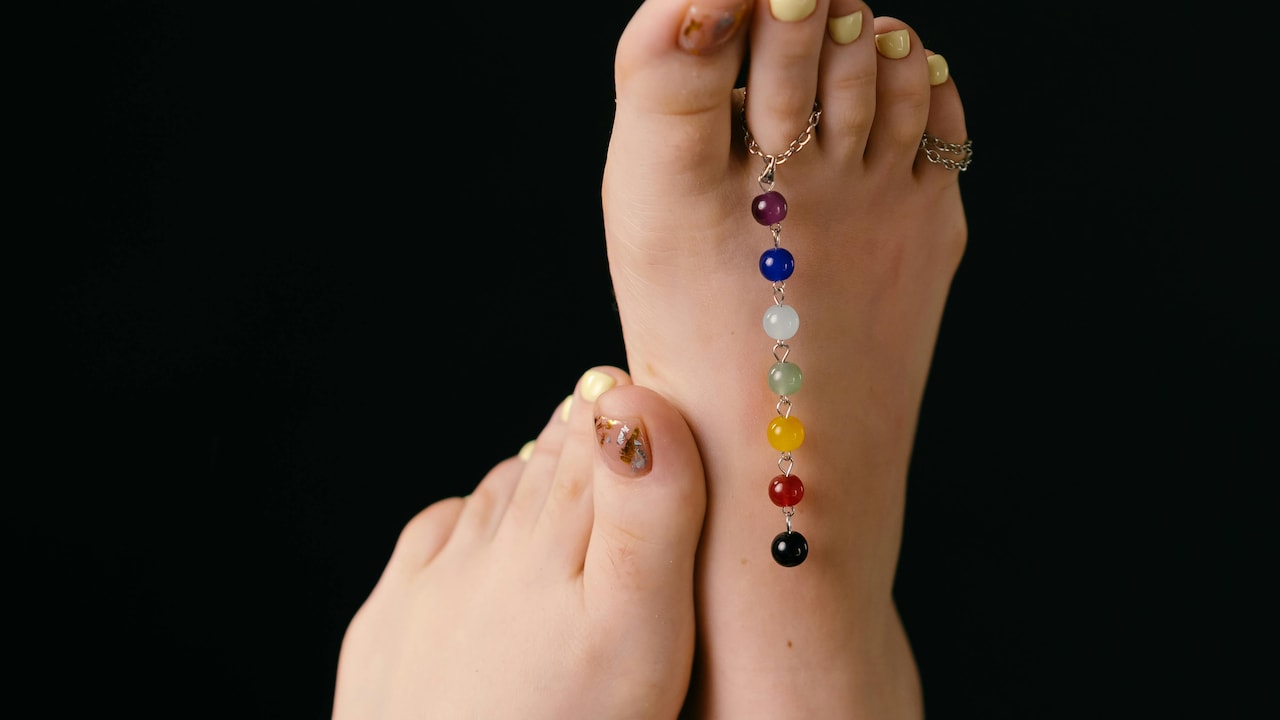
Toe Rings Guide: Daily Wearing Dos and Donts for Comfort, Care, and Avoiding Common Mistakes.
Toe rings rarely shout for attention, yet they speak volumes. They slip quietly onto the second toe, often without much thought, and become part of daily life. For many households, they symbolise commitment, tradition, or a rite of passage. For others, they simply add charm to open sandals or barefoot moments at home. Daily wear, however, changes the relationship with toe rings. What feels special on the first day can start pinching during a long commute or feel irritating during peak summer heat. Some designs glide smoothly into routine, while others demand patience and care.
Understanding the dos and don'ts of wearing toe rings every day helps strike the right balance between comfort and meaning. The following sections explore practical tips, common mistakes, and small habits that make all the difference while wearing toe rings daily.
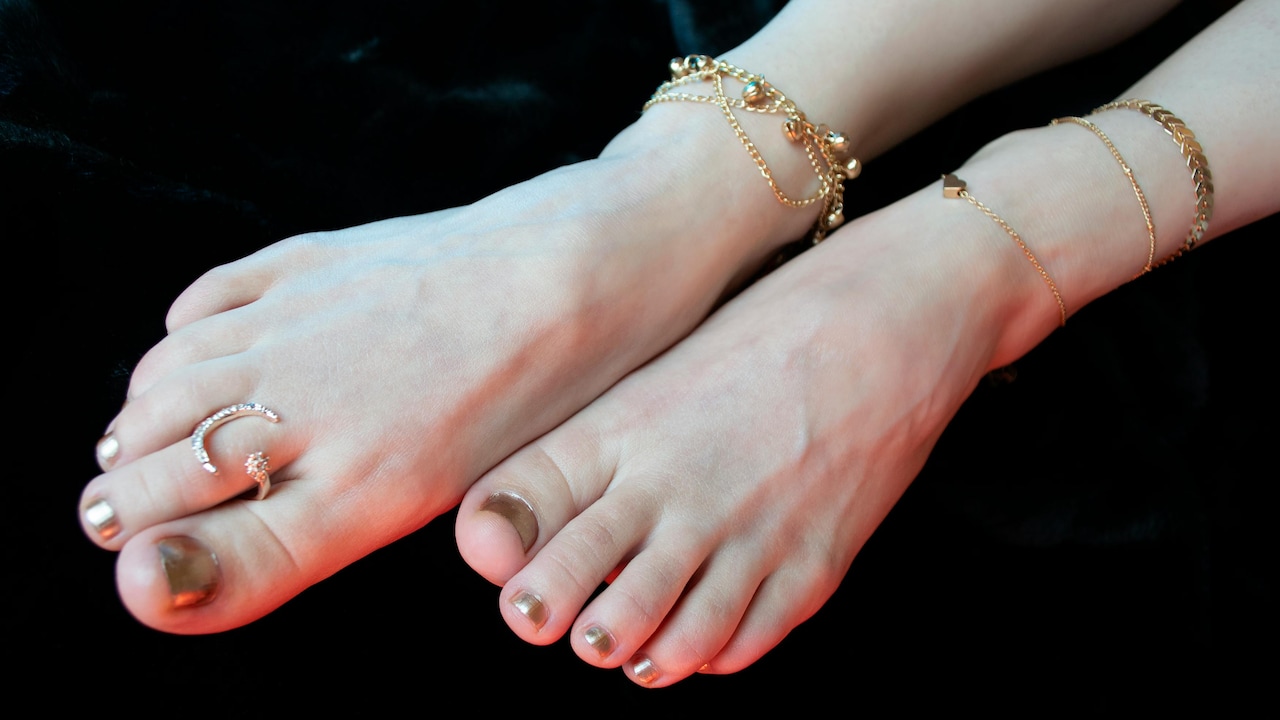
The Dos and Donts of Wearing Toe Rings Daily
Photo Credit: Pexels
Wearing Toe Rings Daily? Keep These Basics In Mind
1. Do Choose the Right Fit, Not Just the Right Look
A toe ring that looks stunning in a jewellery tray may behave very differently on a moving foot. Fit matters more than design when daily wear comes into play. A ring that sits too tightly can cause soreness, redness, or even swelling by evening. A loose one risks slipping off during errands or getting caught in footwear.
Feet tend to expand slightly during the day, especially in warm weather or after long walks. A comfortable toe ring allows gentle movement without digging into the skin. Adjustable designs often work better for everyday use, as they adapt to these natural changes.
Trying toe rings later in the day gives a more realistic sense of fit. Morning feet feel slimmer and may mislead buyers. Comfort should always win over trend. After all, a toe ring should feel like a quiet companion, not a constant reminder with every step.
2. Don't Ignore the Metal You Wear
Metal choice affects comfort, skin health, and durability. Silver remains the most popular option for daily toe rings, thanks to its cooling nature and cultural value. It suits warm climates and rarely causes skin irritation when kept clean.
Cheaper alloys may save a few hundred rupees initially but often bring itching, discolouration, or green marks on the skin. Over time, such reactions turn a simple accessory into a source of annoyance. Gold toe rings exist but feel softer and may bend out of shape with daily pressure.
Skin sensitivity varies from person to person. Those with allergies should test a ring for a few hours before committing to daily wear. Choosing quality metal feels like a small investment that saves discomfort and repeated replacements later.
3. Do Match Toe Rings with Daily Footwear
Toe rings and footwear share a close relationship. Open sandals, kolhapuris, and flats usually welcome them. Tight shoes, however, often do not. Closed footwear can press the ring into the toe, leading to friction or pain during long hours.
Daily routines matter here. A workday that involves walking, climbing stairs, or standing for hours calls for minimal, smooth designs. Bulky or engraved rings suit festive days better than everyday commuting.
At home, barefoot moments allow toe rings to breathe. Outside, footwear should complement them rather than fight for space. A quick check before stepping out prevents uncomfortable surprises halfway through the day.
4. Don't Forget Foot Hygiene
Toe rings draw attention to the feet, whether one realises it or not. Clean, well-cared-for feet make all the difference. Daily wear means sweat, dust, and moisture can collect around the ring area, especially during the monsoon or summer months.
Washing feet thoroughly at the end of the day helps prevent fungal infections and unpleasant odours. Drying between the toes matters just as much as washing. Moisture trapped under a ring can irritate the skin over time.
Occasional foot scrubs and moisturising keep the skin soft and healthy. Removing toe rings at night allows the skin to rest and recover. Simple hygiene habits ensure that toe rings remain a symbol of elegance rather than discomfort.
5. Do Respect Traditional Beliefs, But Stay Practical
Many families associate toe rings with wellness and marital customs. Elders often mention pressure points linked to circulation or hormonal balance. While these beliefs carry emotional weight, daily comfort should never take a back seat.
Some days demand practicality over symbolism. Long journeys, medical procedures, or strenuous activities may call for removing toe rings temporarily. Respecting tradition does not mean enduring pain or inconvenience.
Balance emerges when meaning meets mindfulness. Wearing toe rings daily can honour customs while adapting to modern routines. Thoughtful flexibility often earns more respect than rigid adherence.
Also Read: Top Korean Earrings Your Can Grab Under ₹399 On Myntra
6. Don't Sleep with Tight Toe Rings On
Nighttime brings rest for the body, including the feet. Wearing tight toe rings during sleep can restrict circulation or cause swelling by morning. What feels fine during the day may become uncomfortable when the body lies still for hours.
Removing toe rings before bed offers relief and allows the skin to breathe. This habit also reduces the risk of accidental scratches or bent rings during restless sleep.
Placing them in a small box or fabric pouch near the bed ensures they stay safe and easy to wear again in the morning. A few seconds spent removing them at night can prevent long-term discomfort.
7. Do Adjust Toe Rings with Care
Adjustable toe rings invite frequent bending, but they still need gentle handling. Rough adjustments can weaken the metal over time, leading to breakage or sharp edges that irritate the skin.
Adjustments should happen gradually, using fingers rather than tools. If a ring no longer fits comfortably despite careful tweaking, it may need professional resizing or replacement.
Listening to the body helps here. Persistent marks, pain, or numbness signal that the ring needs adjustment or a break. Comfort always offers the clearest guidance.
8. Don't Wear Ornate Designs Every Single Day
Heavy designs, dangling charms, or stones look beautiful on special occasions. Daily life, however, demands simplicity. Ornate toe rings catch on fabrics, footwear, and even bed linens.
Daily wear favours smooth, lightweight designs that stay out of the way. Saving elaborate pieces for celebrations keeps them safe and maintains their charm.
Rotating between simple and decorative toe rings adds variety without compromising comfort. Jewellery, after all, should enhance life, not complicate it.
9. Do Pay Attention During Seasonal Changes
Weather affects feet more than expected. Summer heat causes swelling, while winter brings dryness and tighter skin. Monsoon moisture increases the risk of infections.
Adjusting toe ring habits with seasons prevents discomfort. Slightly looser fits work better in summer. Extra foot care helps during rainy months. Moisturisers become essential in winter.
Seasonal awareness keeps daily wear pleasant throughout the year. A small adjustment now saves bigger issues later.
The Dos and Donts of Wearing Toe Rings Daily
Photo Credit: Pexels
10. Don't Let Toe Rings Become an Afterthought
Daily wear can turn special things into unnoticed habits. Toe rings deserve occasional attention, just like any meaningful accessory. Checking their condition, cleaning them, and noticing how they feel on the feet keeps the relationship positive.
Polishing silver every few weeks restores shine and prevents tarnish. Observing any changes in skin or comfort helps address issues early.
Toe rings may stay small, but mindfulness keeps their presence graceful. When cared for, they continue to add quiet beauty to everyday moments.
Products Related To This Article
1. MAATRCHAAYA STYLISH RINGS Alloy Silver Plated Toe Ring
2. KRISHMAYATOZ Alloy Toe Ring
3. Vipunj Alloy Cubic Zirconia Sterling Silver Plated Toe Ring Set
4. Neerajyoti Neerajyoti cubic zirconia veletinday toe ring for girls /women Alloy Cubic Zirconia Gold Plated Toe Ring Set
5. Zarkan The Quad Stones Silver Toe Rings Gift For Women With 925 Stamped Silver Zircon Rhodium Plated Toe Ring
6. ZEELLO Toe Ring | Gold plated Toe Ring Brass, Copper Cubic Zirconia Gold Plated Toe Ring
7. SARAF RS JEWELLERY Brass Rhodium Plated Toe Ring
Toe rings sit at the intersection of tradition, style, and daily comfort. Wearing them every day brings familiarity, but it also demands care and awareness. The right fit, thoughtful design choices, good hygiene, and seasonal adjustments turn daily wear into a pleasant ritual rather than a challenge. These tiny ornaments work best when treated with the same respect given to larger pieces of jewellery.
(Disclaimer: This article may include references to or features of products and services made available through affiliate marketing campaigns. NDTV Convergence Limited (“NDTV”) strives to maintain editorial independence while participating in such campaigns. NDTV does not assume responsibility for the performance or claims of any featured products or services.)