The Smart Guide To Buying Linen Shirts That Don't Look Wrinkled By Noon
Linen shirts are perfect for warm weather, but wrinkles can ruin the look by noon. Choosing the right fabric blend, weave, weight and fit helps linen stay sharp and breathable throughout long, humid days.

Know All About How To Choose Linen Shirts That Don't Look Wrinkled By Noon.
Few fabrics capture warm-weather comfort quite like linen. Slip into a linen shirt on a humid morning, and the body almost sighs with relief. Air flows freely, sweat dries quickly, and the fabric feels light enough for scorching afternoons. No wonder wardrobes across the country fill up with linen once temperatures climb.
Yet linen carries one small reputation problem. By the time the clock strikes noon, many shirts begin to resemble yesterday's newspaper. Creases appear across sleeves, folds gather around the waist, and collars start looking tired. That charming, relaxed texture can easily tip into messy.
The truth is, linen itself is not the enemy. Poor fabric quality, weak construction and rushed buying decisions usually cause the midday crumple. Choose wisely, and linen can look sharp through office meetings, café lunches and evening walks along Marine Drive.
Think of linen like a good cup of chai. The right ingredients, proper balance and a bit of patience create something deeply satisfying. The same principle applies to linen shirts. Small details, often overlooked on a quick shopping trip, make a huge difference in how the shirt behaves through the day.
The following insights explore how to choose linen shirts that stay presentable long after the morning rush ends.
How To Choose Linen Shirts That Don't Look Wrinkled By Noon
Photo Credit: Pexels
Smart Ways To Choose Linen Shirts That Stay Fresh All Day
Choose Linen Blends Instead Of Pure Linen
Pure linen feels luxurious, yet it wrinkles faster than a gossip chain in a crowded neighbourhood. That is simply the nature of the fibre. Linen lacks elasticity, so folds settle quickly and stay visible.
Blended fabrics solve much of that problem. When linen mixes with cotton or a small percentage of elastane, the shirt gains structure and resilience. The fabric still breathes beautifully but resists harsh creasing.
Cotton-linen blends often feel slightly softer, too. Anyone who has tried ironing stiff linen at 7 a.m. before catching a crowded local train knows how stubborn the fabric can be. Blends reduce that struggle while keeping the airy charm intact.
Many reputable brands now sell linen shirts with a 55–70% linen composition combined with cotton. That balance preserves breathability yet prevents the shirt from collapsing into wrinkles by midday.
Picture a typical workday: stepping into a packed metro, walking under blazing sun and sitting through hours of desk work. A pure linen shirt might surrender by lunchtime. A linen blend, however, maintains a relaxed yet tidy look.
Choosing blends does not dilute linen's personality. Instead, it gives the fabric a reliable backbone, exactly what busy days demand.
Look For Medium-Weight Linen
Linen shirts come in different fabric weights, though most shoppers rarely notice. Lightweight linen feels breezy on the hanger but wrinkles dramatically once worn. Heavy linen resists creases but may feel too thick for hot weather.
The sweet spot sits right in the middle.
Medium-weight linen, often around 150–180 GSM, offers structure without sacrificing airflow. The fibres hold shape better, which reduces deep wrinkles forming across the torso or sleeves.
Imagine two shirts worn during a humid afternoon stroll through a bustling street market. The lightweight version starts looking crushed after a few minutes of movement. The medium-weight shirt, however, maintains a smoother appearance even while absorbing moisture.
Another benefit lies in durability. Thicker linen fibres withstand repeated washing and ironing far better than flimsy alternatives. Over time, the fabric softens gracefully rather than thinning out.
Many shoppers gravitate towards ultra-light linen because it feels luxurious in air-conditioned stores. Yet real life rarely mirrors showroom conditions. Daily commutes, warm weather and constant motion demand slightly sturdier fabric.
A medium-weight linen shirt quietly performs throughout the day. It stays breathable, retains shape and avoids that rumpled “just rolled out of bed” look.
Pay Attention To Fabric Weave
A linen shirt's weave influences its wrinkle resistance more than most people realise. Tightly woven fabrics behave differently from loose weaves, even when both claim to use high-quality linen.
Loose weaves allow more airflow, yet they also wrinkle more easily. The fabric moves freely, which means folds appear faster. Shirts with a tighter weave maintain smoother surfaces and bounce back better from movement.
Examining weave quality does not require expert knowledge. Hold the shirt up to the light. If the fabric looks overly transparent or the threads appear widely spaced, wrinkles will likely follow soon after wearing it.
Better linen shirts display consistent, dense weaving that feels slightly structured. The fabric drapes neatly instead of collapsing into soft folds.
Think about sitting through a long afternoon meeting. Constant leaning, stretching and typing can stress the shirt's fabric. A tighter weave prevents those movements from creating permanent creases.
Quality weaving also signals careful manufacturing. Brands investing in stronger weaving techniques usually maintain better stitching, collars and finishing too.
In short, weave determines how linen behaves once the shirt leaves the hanger. Choose a tighter weave and the shirt rewards that decision with a cleaner appearance throughout the day.
Check The Shirt's Fit Carefully
Fit matters more than fabric when trying to avoid wrinkles. Even premium linen looks messy if the shirt hangs awkwardly or clings too tightly.
Oversized shirts create extra fabric that folds easily during movement. Every step, bend or stretch introduces new creases. Extremely slim shirts cause similar problems because tight areas pull the fabric and create tension wrinkles.
A well-balanced fit solves both issues.
The ideal linen shirt should skim the body comfortably without excess material around the waist or shoulders. Sleeves should end neatly at the wrist without bunching. The chest area should allow natural movement, but avoid ballooning fabric.
Consider a typical office setting. Sitting at a desk, leaning forward during conversations or reaching for files constantly shifts the fabric around the torso. A balanced fit keeps linen draped smoothly instead of crumpling under pressure.
Trying shirts in different cuts often reveals surprising results. A regular fit from one brand might resemble a slim fit from another. Paying attention to shoulder seams and waist shaping makes a noticeable difference.
When the shirt fits well, wrinkles appear softer and less chaotic. Instead of looking untidy, the fabric develops that relaxed elegance that linen is famous for.
Choose Colours And Patterns That Hide Creases
Some colours behave like forgiving friends. Others expose every flaw. Linen shirts follow the same rule.
Light solid colours, especially pale blues or crisp whites, show wrinkles more clearly. The contrast between shadows and fabric highlights every fold.
Darker shades or subtle patterns disguise creases beautifully.
Earthy tones like olive, rust, beige or muted navy hide midday wrinkles far better than stark white. Similarly, micro-patterns, textured weaves or soft stripes distract the eye from minor creasing.
Picture walking into a café after a long morning outdoors. A plain white linen shirt might display every wrinkle proudly. A soft striped or pastel-patterned shirt, however, still appears polished.
Patterns do not need to shout for attention. Gentle checks or thin vertical stripes provide enough visual texture to soften the appearance of wrinkles.
Colour choice also influences versatility. Deeper shades transition easily from work meetings to evening gatherings. A navy linen shirt paired with chinos, for instance, looks relaxed yet refined even after hours of wear.
Selecting thoughtful colours does not eliminate wrinkles entirely. Yet it cleverly hides them, ensuring the shirt still looks intentional rather than careless.
Examine The Collar And Placket Construction
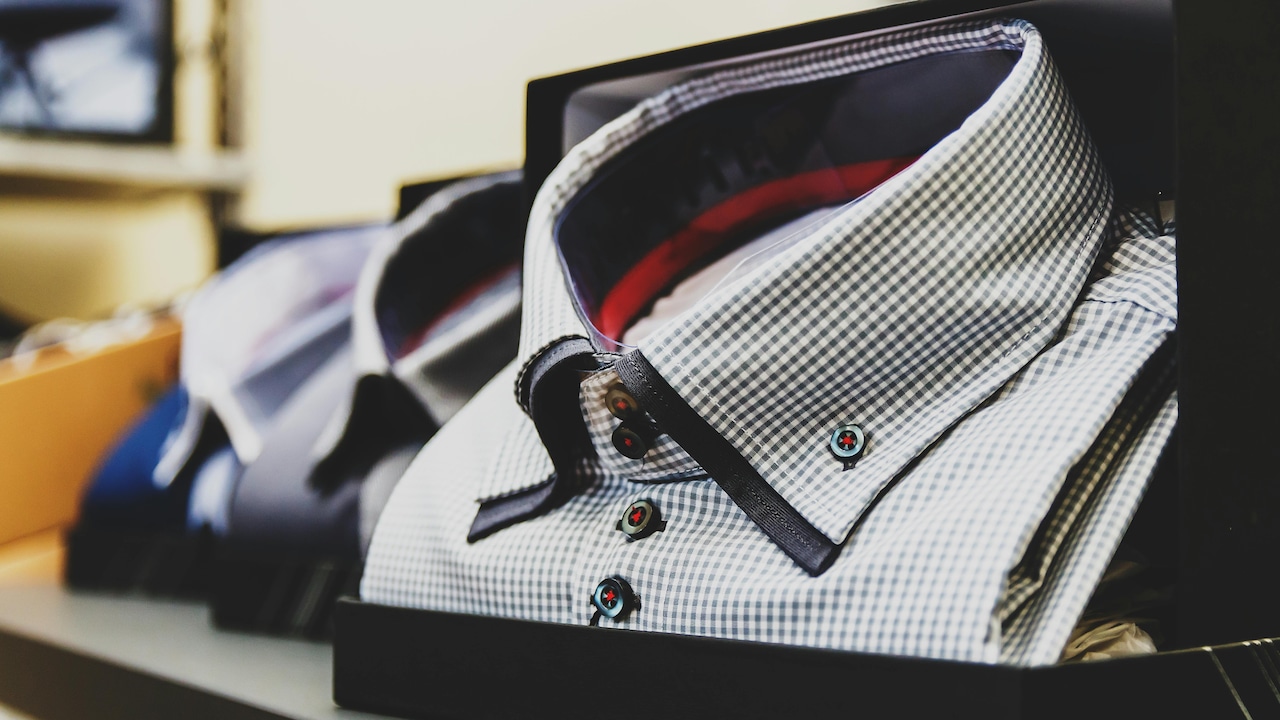
Many people judge a shirt by its fabric alone, yet structure plays a vital role in maintaining a polished appearance. The collar and placket act as the shirt's backbone.
Weak collars lose shape quickly, which makes the entire shirt appear rumpled. Quality linen shirts often include light interfacing within the collar and front placket. This internal support helps the shirt maintain structure throughout the day.
Run fingers along the collar when shopping. A well-constructed collar feels firm but not stiff. It holds its shape without collapsing.
Similarly, examine the placket, the vertical strip where buttons sit. Strong plackets prevent the front of the shirt from folding inward or curling after several hours of wear.
Imagine stepping into an afternoon client meeting. Even if minor wrinkles appear elsewhere, a sharp collar and structured placket maintain a clean first impression.
These small structural details often distinguish a ₹2,500 shirt from a ₹6,000 one. Yet spending wisely here pays off because the shirt keeps its dignity long after morning ironing fades.
Structure supports linen's relaxed charm, ensuring the shirt looks intentional rather than careless.
How To Choose Linen Shirts That Don't Look Wrinkled By Noon
Photo Credit: Pexels
Feel The Fabric Before Buying
Online shopping offers convenience, yet linen rewards a hands-on approach. The fabric's texture reveals a great deal about how it will behave through the day.
Quality linen feels slightly crisp at first touch. The fibres have a natural grain that signals durability. Extremely soft linen may feel pleasant initially, but it often wrinkles faster.
Rub the fabric gently between fingers. If it feels flimsy or thin, midday creases will likely appear quickly.
Better linen develops softness gradually after several washes. Think of it like a new pair of leather shoes that become comfortable with time.
Shoppers browsing markets or boutiques often notice this difference immediately. Two shirts may look similar on the rack, yet one feels sturdier and more structured.
That small tactile test prevents disappointment later. A shirt that costs ₹3,000 yet survives several summers without looking crumpled offers far better value than a cheaper alternative that wrinkles instantly.
Trusting touch often reveals truths that labels cannot explain.
Avoid Overly Thin Summer Linen
The phrase “summer linen” often tempts shoppers toward ultra-thin fabrics promising maximum breathability. While appealing in theory, such shirts wrinkle almost instantly.
Extremely thin linen lacks the fibre density needed to resist creasing. Even slight movements create visible folds that linger stubbornly.
A better approach involves choosing linen that balances airflow with substance. Slightly thicker fibres still allow ventilation yet maintain a smoother appearance.
Think about a humid afternoon commute. Heat builds quickly, yet constant movement also stresses clothing. A shirt that behaves like tissue paper will wrinkle before reaching the office.
Moderately substantial linen handles real-world conditions more gracefully. The shirt stays breathable but avoids the crumpled newspaper look by lunchtime.
Comfort should never mean sacrificing appearance entirely. The best linen shirts achieve both.
Look For Quality Stitching
Stitching rarely attracts attention during shopping, yet it quietly determines how a shirt ages.
Loose stitching allows fabric panels to shift, which encourages wrinkles around seams. High-quality linen shirts feature neat, dense stitching that holds each panel securely.
Inspect the shoulder seams, armholes and side seams closely. Clean stitching signals careful craftsmanship. Crooked or loose stitches hint at rushed manufacturing.
Imagine wearing a linen shirt through a busy day filled with walking, sitting and reaching overhead. Strong seams keep the shirt aligned with the body, reducing awkward folds forming across the torso.
Quality stitching also improves longevity. A well-constructed shirt maintains shape even after repeated washing and ironing.
While examining stitching might feel tedious during shopping, the effort pays off. That extra minute often separates a dependable wardrobe staple from a one-season disappointment.
Choose Trusted Brands With Fabric Expertise
Some brands simply understand linen better than others. Years of working with the fabric teach manufacturers how to balance weave, weight and structure effectively.
Established labels often source linen from regions known for superior flax fibres. Better raw material leads to stronger threads and smoother fabric performance.
That does not mean every expensive brand guarantees quality. Yet trusted names usually invest more in fabric treatment and garment construction.
Trying a few well-reviewed linen brands quickly reveals differences. One shirt may wrinkle instantly, while another maintains a relaxed elegance even after hours of wear.
Consider it similar to choosing good basmati rice. The grain length, fragrance and cooking behaviour vary widely across brands.
Investing ₹4,000–₹6,000 in a thoughtfully designed linen shirt often proves wiser than purchasing several cheaper ones that lose shape quickly.
Reliable brands refine their linen year after year. That expertise translates into shirts that stay presentable long after noon arrives.
Products Related To This Article
1. Aeropostale Cotton Linen Casual Shirt
2. CORSICA Cotton Linen Casual Shirt
3. French Connection Slim Fit Mandarin Collar Linen Shirt
4. Allen Solly Woman Spread Collar Cotton Linen Shirt
5. Mast & Harbour Slim Fit Cotton Linen Shirt
6. Snitch Vertical Striped Spread Collar Cotton Linen Shirt
7. SAADAA Spread Collar Cotton Linen Shirt
Linen deserves its place as a warm-weather wardrobe hero. Few fabrics match its breathability, charm and effortless style during sweltering afternoons. Yet the key to enjoying linen lies in choosing wisely.
Fabric blends, medium-weight materials and tighter weaves form the foundation of wrinkle-resistant linen shirts. Balanced fits, thoughtful colours and sturdy construction further protect against the dreaded midday crumple.
Small details, like collar structure, stitching quality and fabric texture, often determine whether a shirt looks polished at lunch or rumpled before it even reaches the office.
The right linen shirt does not aim for perfect stiffness. Instead, it embraces a relaxed elegance that feels natural and comfortable. A few soft creases add character, much like laugh lines on a friendly face.
Choose thoughtfully, and linen rewards the effort with comfort, style and confidence through long summer days. By the time noon arrives, the shirt still looks intentional, never defeated by wrinkles.
(Disclaimer: This article may include references to or features of products and services made available through affiliate marketing campaigns. NDTV Convergence Limited (“NDTV”) strives to maintain editorial independence while participating in such campaigns. NDTV does not assume responsibility for the performance or claims of any featured products or services.)