The Ultimate Kids' Backpack Checklist: 10 Essentials Every Child Should Carry
A well-packed backpack does more than carry books. It supports a child's confidence, safety and everyday comfort. This is a friendly, practical checklist to help parents prepare their children for school days filled with energy, learning and ease. Here are 10 things every kid needs in the backpack.
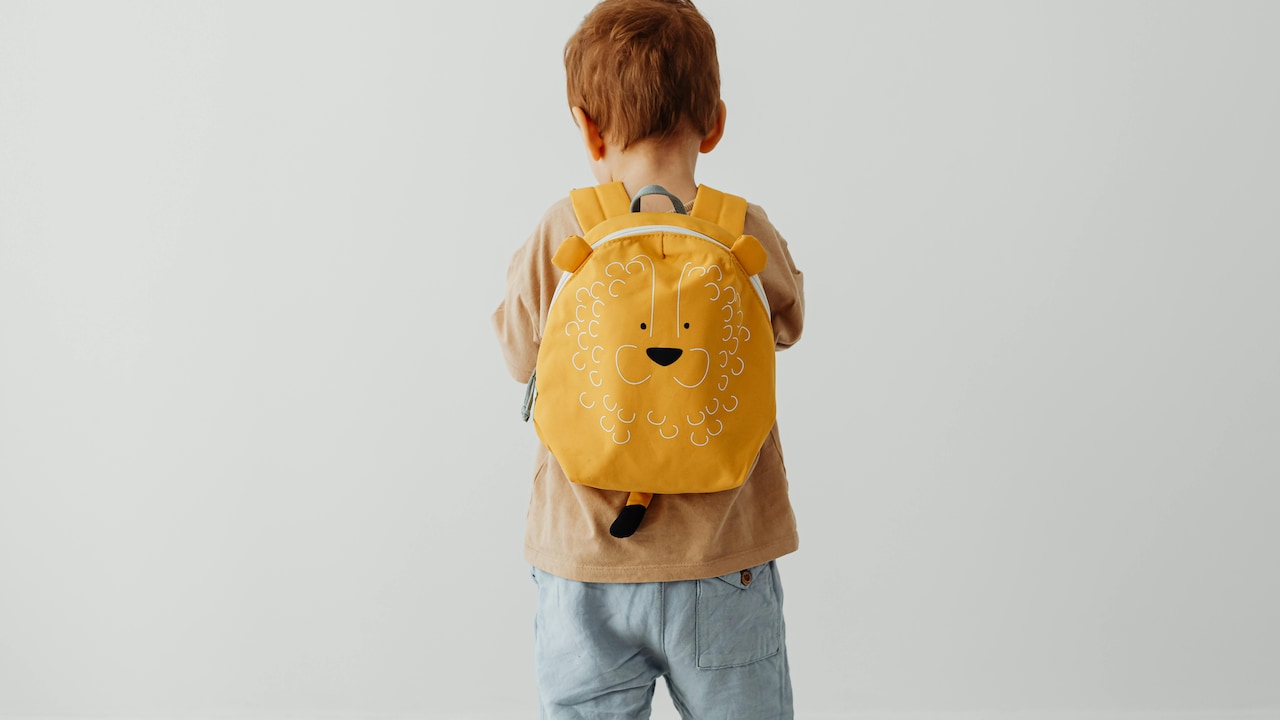
What Should Every Kid's Backpack Carry? Here Is The Essential Checklist.
Every morning rush brings its own small chaos. A child hunts for notebooks while a parent chases missing pencils. A water bottle goes missing. Someone remembers a lunchbox still sitting inside the fridge. The humble school backpack often becomes a last-minute mystery bag that may or may not hold everything a child needs. A thoughtful checklist changes that daily scramble into calm preparation. With the right set of essentials, a backpack becomes a reliable little companion, organised, comfortable and ready to support a child through classes, sports, homework time, and the surprises a school day throws up.
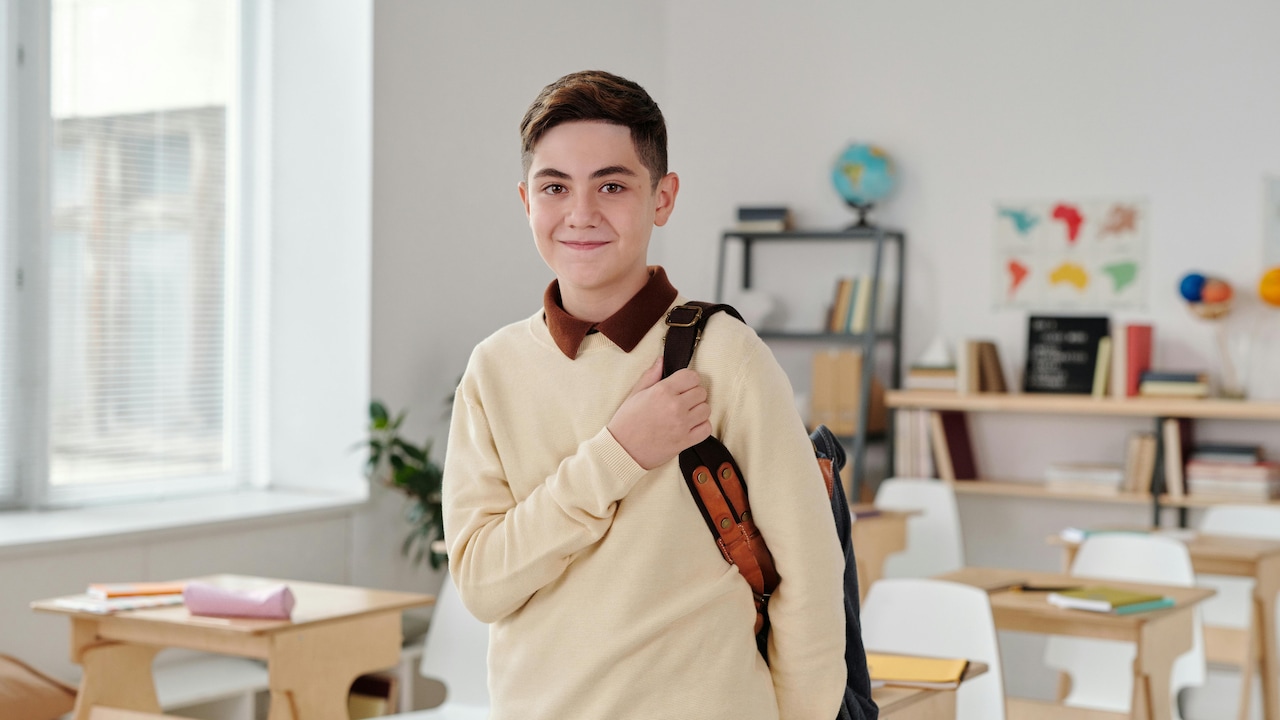
Explore essentials to keep in your kid's backpack checklist; Photo Credit: Pexels
The aim is simple: pack smart, keep it light, and make every item count. Below is a warm, relatable guide filled with ten essentials that help children stay equipped, confident and cheerful through their day. We provide below the essential 10-point checklist about what every kid's backpack should carry.
Also Read: Top 5 Branded School Backpacks For Kids Under ₹1000 You Should Not Miss
What Should Every Kid's Backpack Carry? Here Is The Essential Checklist
1. Sturdy Notebooks and Class-wise Folders
Well-chosen notebooks help children stay organised without lugging extra weight. Many kids wrestle with bulky bags because every subject notebook lands inside, even if only two are needed that day. A simple system works wonders. Keep thin, lightweight notebooks for each subject and label them clearly. Slip them into colour-coded folders so that a child spots the right one at a glance.
A neat folder also protects worksheets from getting crumpled, which avoids the familiar “My homework paper tore in the bag” drama. Teachers appreciate clean submissions, and children feel more confident handing in tidy work.
Parents often notice how small organising habits slowly turn into life skills. Children learn to arrange their bags faster in the morning and feel more settled during class. A backpack with clean, flat notebooks shapes a smoother school day and prevents the little frustrations that come from clutter.
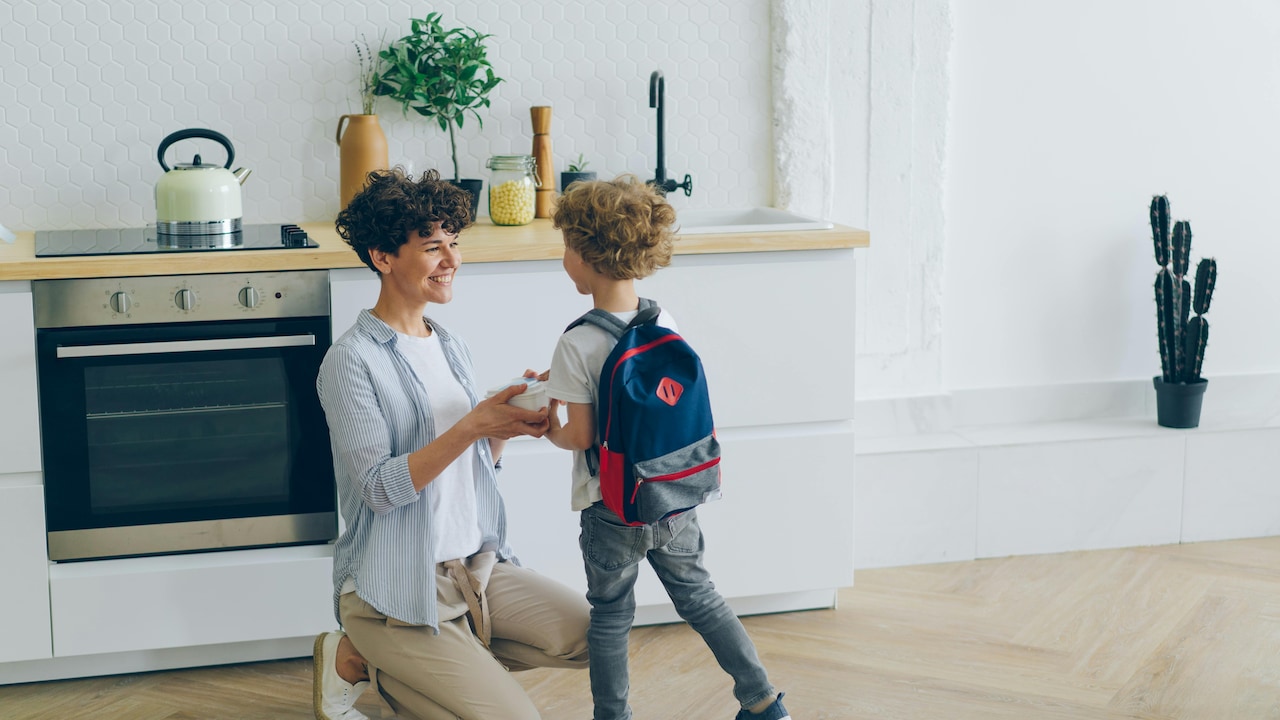
2. A Spacious, Leak-proof Lunchbox
Food brings comfort, and a good lunchbox adds to that happiness. A leak-proof box ensures dal doesn't surprise anyone by staining notebooks. Many parents favour stainless steel containers with silicone seals as they stay sturdy, safe and odour-free.
A well-planned lunch, roti rolls, poha, idli, paratha or a small portion of fruit, keeps children energised through the day. A partitioned box helps separate flavours so that a child opens the lid with excitement, not dread.
A cute napkin tucked alongside adds a nice touch. A small fork or spoon makes the mealtime smoother. Children often share bites with friends, so it helps when the box is easy to open and shut without adult help. A little personal note for younger kids, something as simple as “Have a fun day!”, can brighten the toughest morning and make lunchtime feel special.
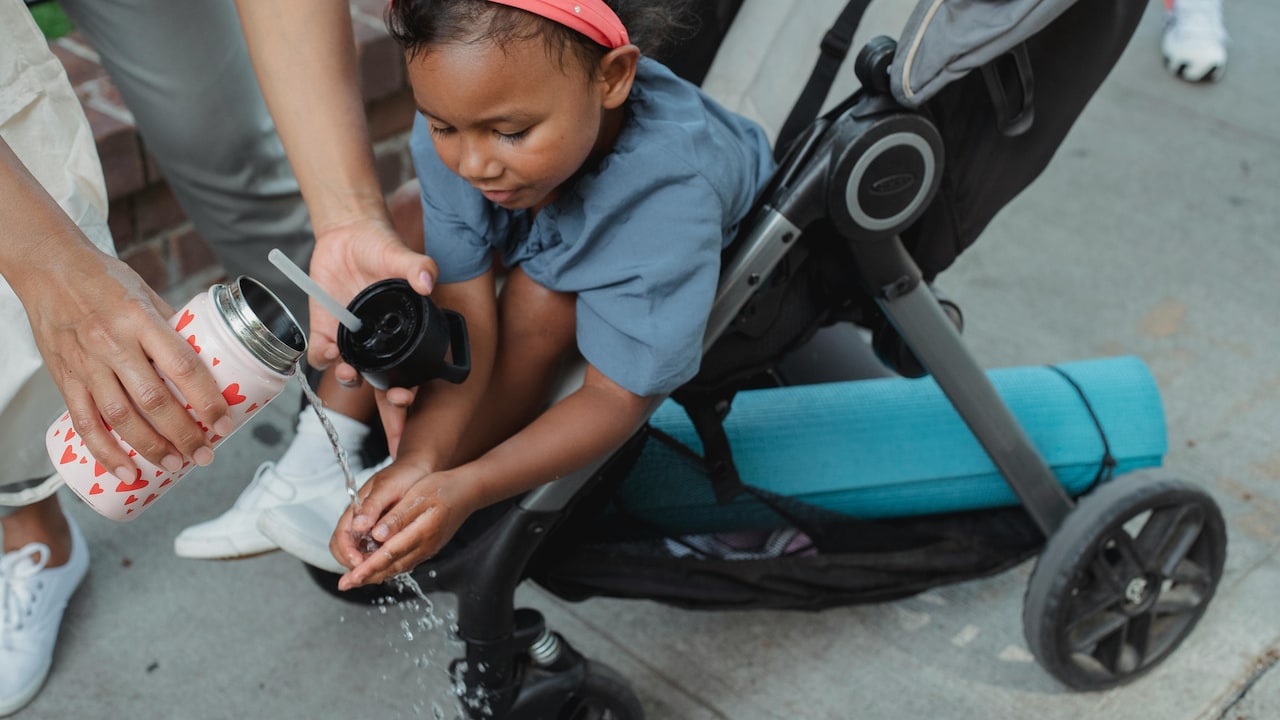
3. A Refillable Water Bottle
Hydration keeps children alert and cheerful, especially during warm afternoons. A refillable, BPA-free bottle with a secure spout becomes a daily essential. Choose one with a grip-friendly shape so it doesn't slip from tiny hands.
Kids often misplace bottles in the playground or during lunch breaks. A clear name label solves this, saving parents from frequent bottle shopping. Bottles with measurement markings encourage children to sip regularly, especially those who forget until they feel tired.
Many schools encourage students to refill from clean water stations, which reduces the need for disposable bottles. It builds responsible habits early. Drinking enough water also helps concentration, reduces headaches and supports overall health. A sturdy, colourful bottle becomes more than a container; it becomes a trusty sidekick through the school day.
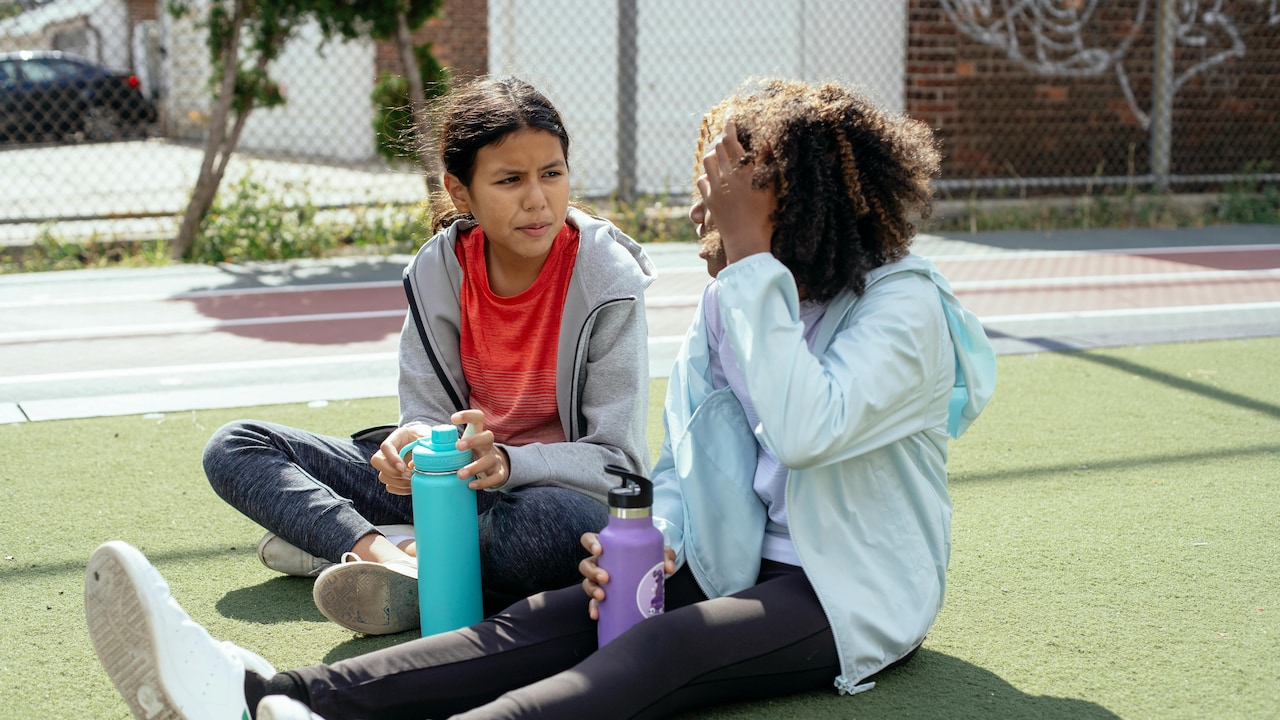
Keep a lightweight water bottle to keep them hydrated all day; Photo Credit: Pexels
4. A Light, Weather-ready Jacket or Sweater
The weather can change without warning. A sudden drizzle or a chilly classroom fan can make a child uncomfortable. Keeping a thin jacket or sweater inside the bag helps avoid that discomfort.
Choose breathable fabrics so a child doesn't feel sweaty. Neutral colours match uniforms and reduce the chance of “Someone else took mine by mistake” moments. Jackets with zipped pockets also help store tiny items like pocket money or a bus pass.
Children often resist extra layers, but they happily use them when the classroom gets too cool. A reliable jacket also makes outdoor activities more comfortable. Parents feel reassured, and children stay protected from sudden weather swings without carrying bulky clothing.
5. Pencil Case with Writing Essentials
A pencil case acts like a mini command centre for a child. Stock it with two sharp pencils, one eraser, one sharpener, a ruler, a black pen for older students and perhaps a few coloured pencils for creative tasks.
The key is simplicity. Overstuffed pouches weigh down the bag and turn into messy treasure hunts during class. A compact pouch teaches children to use resources wisely. Choose zips that glide smoothly so the case lasts through the year.
Some kids enjoy small touches, like a cartoon sticker or a favourite colour pouch. These small details boost a child's mood and inspire ownership. A well-packed pencil case ensures a child enters class prepared, focused and ready to participate wholeheartedly.
6. A Small Hygiene Kit
A hygiene kit supports comfort and confidence throughout the day. Include hand sanitiser, tissues, a small packet of wet wipes and a compact handkerchief. A pocket-sized sanitiser helps after lunch or playground time when washing facilities may be crowded.
A tiny comb helps children tidy up after activities. For older students, add a small roll-on deodorant to keep them fresh after sports periods. A clean handkerchief becomes useful more often than children realise. Dusty school grounds, chalk-filled classrooms and unexpected spills make it handy.
A hygiene kit teaches children responsibility for their personal care. Instead of waiting for a teacher to provide tissues or help, they learn to manage small messes themselves. This builds confidence and independence in simple, natural ways.
Keep a hygiene kit to protect them from germs; Photo Credit: Pexels
7. Emergency Contact Card and Bus Details
While schools maintain records, an emergency card inside the backpack adds an extra layer of safety. Include the child's name, class, blood group and two contact numbers. Keep the card laminated so it stays intact all year.
For children who travel by school bus, add the bus route number, driver's name and drop-point details. In the rare moments when children feel unsure, after an event, on a rainy day or during a schedule change, these small details guide them.
It also helps teachers and support staff when children are too shy or anxious to speak up. The card sits quietly inside a pocket, rarely used, yet crucial during uncertain situations. A simple card can prevent confusion and give peace of mind.
8. A Compact Umbrella or Rain Poncho
Monsoon months always come with surprises. A sudden downpour can drench a child in minutes, making the rest of the day uncomfortable. A foldable umbrella or poncho tucked in the backpack solves this easily.
Choose lightweight designs so children can carry them comfortably. Ponchos often work better for younger kids because they are quick to slip on. Umbrellas suit older children who handle them responsibly.
A rain cover for the backpack itself also helps protect books and electronics. Many parents slip a plastic folder over important notebooks for extra safety. With the right rain gear on hand, children travel to and from school without stress, even during unpredictable weather.
9. Pocket Money Pouch
A small pouch with minimal pocket money teaches children early lessons in budgeting and responsibility. A simple zip pouch keeps coins and small notes secure.
Kids sometimes buy an extra snack during special events, grab a pencil from the school shop or pitch in for a group activity. An organised pouch prevents the common habit of stuffing money into books or uniform pockets, where it often disappears.
Keeping the amount small, ₹50 to ₹100, is enough for little needs without creating pressure. Parents can also use it to teach children to track what they spend. These small habits shape financial awareness long before they handle bigger responsibilities.
Give them a pocket money pouch for emergency; Photo Credit: Pexels
10. Optional Comfort Items: Bookmarks, Mini Games or a Tiny Storybook
Children have little pockets of free time, between classes, during bus rides or while waiting to be picked up. A small comfort item inside the backpack enriches those moments.
A tiny puzzle, a short storybook, a bookmark with a favourite quote or even a simple doodle notebook can spark creativity. These items help children relax and unwind healthily rather than feeling restless.
Such additions don't need to be expensive. Even a mini storybook costing ₹40–₹60 offers a world of imagination. A small Tic-Tac-Toe pad can turn boring waits into laughter-filled moments with friends. Comfort items bring warmth to an otherwise structured day and let a child express personality and joy.
Products Related To This Article
1. Skybags Kids Printed Medium Backpack
2. Puma Super Kids Printed Backpack
3. SAZARA Girls Graphic Printed Backpack
4. Wildcraft Kids Graphic Printed Wiki Champ_1 Backpack
5. Safari Kids Graphic Printed Backpack
A child's backpack carries more than objects. It holds readiness, comfort and the small tools that help a child navigate each school day with confidence. A smartly packed bag cuts down morning stress and supports learning, safety and independence. When every essential finds its place, children step out with a sense of preparedness, and parents enjoy a calmer routine.
A well-organised backpack doesn't need to overflow. It simply needs to hold what truly matters, items that nurture health, efficiency, joy and resilience. With this thoughtful checklist, every school day becomes smoother, brighter and a little more meaningful.
(Disclaimer: This article may include references to or features of products and services made available through affiliate marketing campaigns. NDTV Convergence Limited (“NDTV”) strives to maintain editorial independence while participating in such campaigns. NDTV does not assume responsibility for the performance or claims of any featured products or services.)