How To Find A Dress That Does Not Need Constant Adjusting
A dress should let the wearer enjoy the day, not spend it tugging, twisting, pinning and checking every mirror. The right dress feels secure, flatters the body, moves with ease and survives real-life moments, from office chairs to wedding buffets.

How to choose a dress that doesn't need constant readjusting
A beautiful dress can lose its charm the moment it starts demanding constant attention. One minute the neckline slips, the next the waist rides up, and suddenly the whole outing turns into a quiet wrestling match with fabric. Every woman knows that tiny panic before standing up from a café chair, climbing into an auto, dancing at a sangeet, or reaching for the top shelf at a store. The best dress does not simply look good on a hanger. It behaves well in real life. It stays in place during long commutes, family functions, work presentations, festival visits and those endless “just one more photo” moments. Comfort does not mean dull style, and structure does not mean stiffness. A dress can feel graceful, secure and easy all at once.

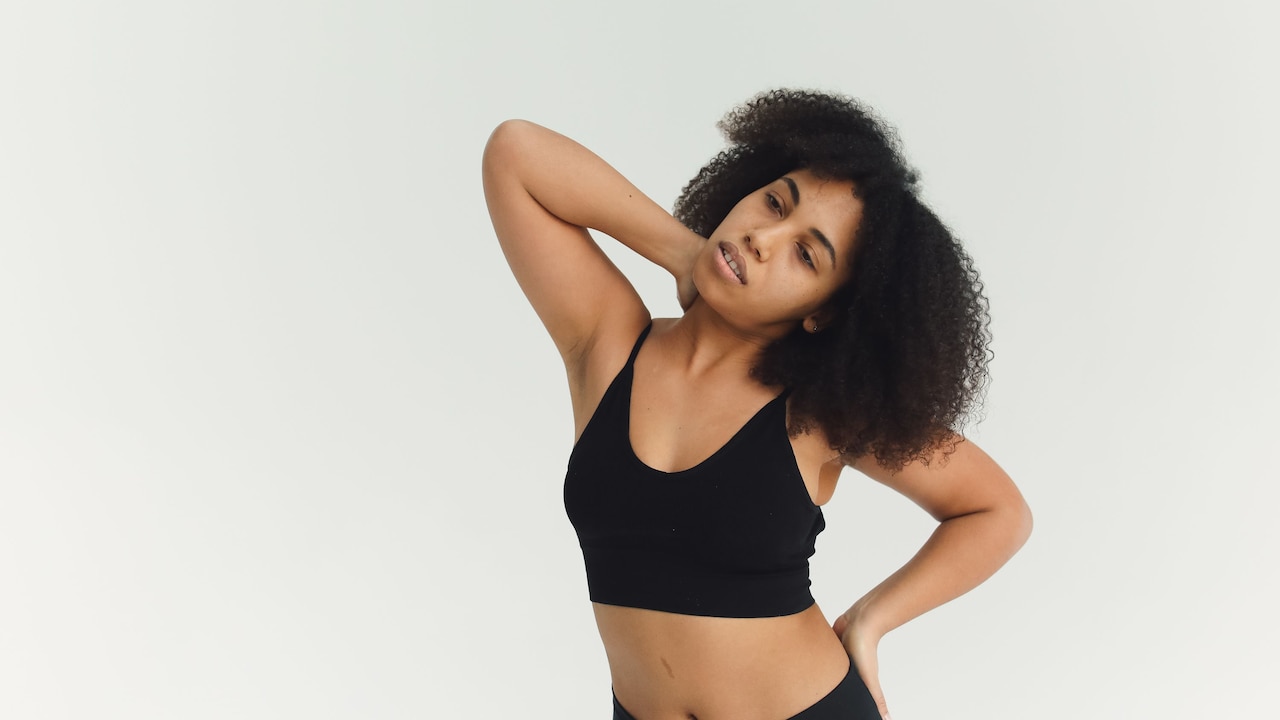
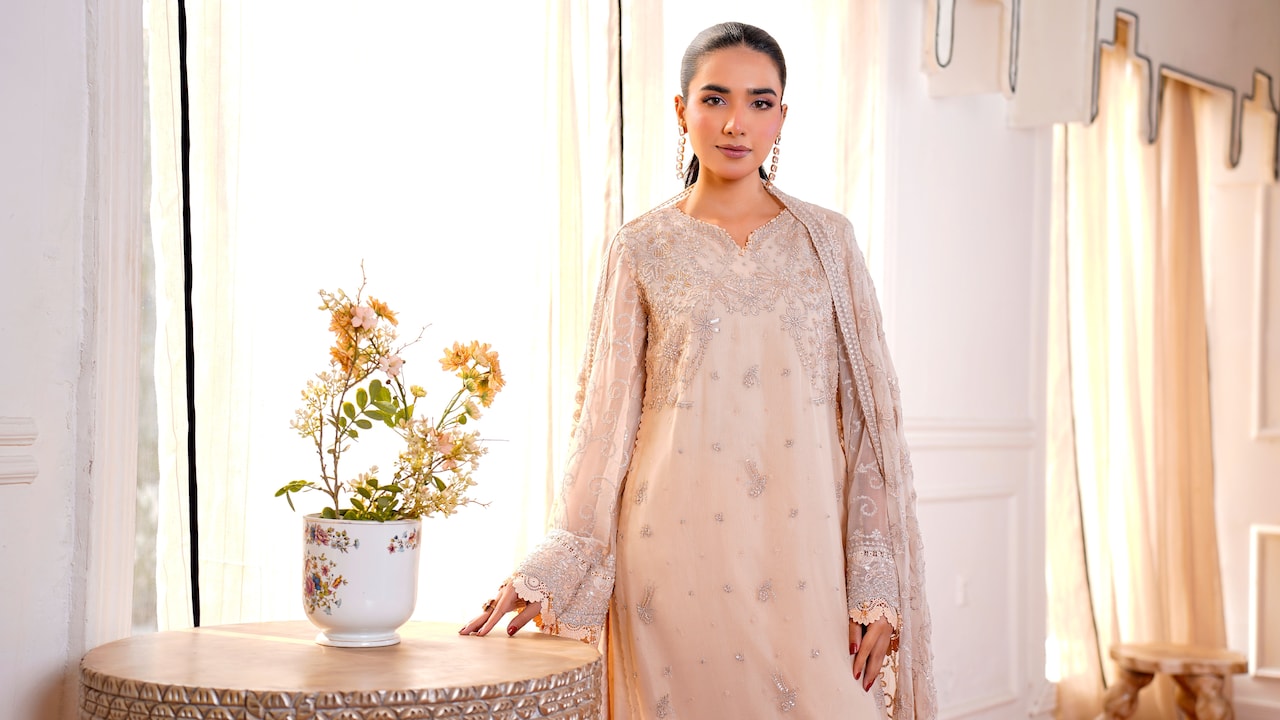
Easy tips to choose a dress for women; Photo Credit: Pexels
Finding such a dress starts with knowing what to check before buying. Fit, fabric, neckline, length, lining and movement matter more than a trendy colour or a tempting sale tag.
Also Read: Top 10 Trendy Dresses To Choose For Your First Date
What To Check Before Buying The Perfect Dress
Choose The Right Size, Not The Dream Size
A dress that needs constant adjusting often starts with the wrong size. Many shoppers choose a size based on hope, habit or the tiny thrill of fitting into a smaller label. The mirror may approve for two minutes, but the body tells the truth after walking, sitting and breathing properly.
A dress should skim the body without squeezing it. The seams should sit flat, the zipper should close without a tug-of-war, and the waist should not dig into the stomach after lunch. When a dress pulls across the bust, hips or back, it will keep shifting throughout the day. When it feels too loose, it may slip at the shoulders or bunch at the waist.
Sizes vary wildly between brands, so the number on the tag deserves very little respect. The fit deserves full attention. Try the size that feels right, then try one size up and one size down. The winning dress usually feels calm on the body, not like a challenge before payday.
Pay Attention To The Neckline
A neckline can make or break the comfort of a dress. A deep neckline may look stunning under trial-room lights, but it can become a full-time job at a wedding lunch or office party. A neckline that gapes, slides or needs tape at every corner rarely offers peace.
The safest choices usually include boat necks, square necks, gentle V-necks, collared styles and modest sweetheart shapes. These give shape without causing drama. Halter necks, strapless dresses and very low backs can work too, but only when the construction feels strong and the fit supports the body properly.
The neckline should stay close to the body when bending slightly, turning sideways or raising the arms. This tiny trial-room test saves plenty of future discomfort. Also check the strap placement. Straps that sit too close to the edge of the shoulder tend to slip, especially during humid weather when skin and fabric both have their own plans.
Test The Dress While Sitting Down
A dress should never get approval based only on standing in front of a mirror. Life involves chairs, sofas, scooters, office desks, restaurant booths and long family dinners. A dress that looks perfect while standing may ride up, tighten at the thighs or wrinkle badly the moment the wearer sits.
Before buying, sit down in the trial room if possible. If there is no chair, bend the knees slightly and mimic sitting. Notice what happens at the hem, waist, bust and shoulders. A good dress allows the body to settle without protest. The hem should not climb too high, the waist should not roll, and the neckline should not open awkwardly.
This matters even more for fitted dresses. A bodycon style may look sleek, but it must have enough stretch and recovery. If the fabric stays stretched out after sitting, the dress will look tired by the time dessert arrives. A dress should survive samosas, traffic and small talk with equal dignity.
Pick Fabrics That Move With The Body
Fabric decides how a dress behaves. Some fabrics cling in the wrong places, some crease within minutes, and some feel lovely until the weather turns warm. For a dress that needs little adjusting, choose fabric with a good balance of structure and movement.
Cotton blends, viscose blends, crepe, georgette with lining, soft denim, modal, linen blends and quality knits can work well. Pure linen looks elegant, but it creases quickly. Very thin polyester can stick to the skin and create static. Slippery satin may shift around unless the cut and lining support it well.
The best fabric follows the body without grabbing it. It should not become transparent in sunlight or cling after a short walk. Hold the fabric against the light, stretch it gently and scrunch a corner in the fist. If it wrinkles badly, pulls oddly or feels harsh, the dress may demand constant fixing. A graceful dress should move like a companion, not behave like a stubborn curtain.
Check The Shoulder Fit Carefully
Shoulders act like the anchor of most dresses. When the shoulders fit badly, the entire dress starts misbehaving. Too tight, and the sleeves pull whenever the arms move. Too loose, and the neckline shifts, straps fall, or the bodice droops.
The shoulder seam should sit close to the natural edge of the shoulder. It should not creep towards the neck or fall down the arm. For sleeveless dresses, the armhole should feel secure without cutting into the skin. It should not reveal too much at the side or create that uncomfortable need to keep arms glued to the body.
Raise both arms, reach forward and turn slightly. These movements reveal far more than a still pose. A well-fitted shoulder area allows easy motion without dragging the rest of the dress upward. This matters during everyday moments, such as holding a handbag, lifting a child, carrying shopping bags or dancing when the DJ finally plays the one song everyone knows.

Ensure that the shoulders do not feel too tight or baggy for easy movement
Photo Credit: Pexels
Avoid Dresses That Depend On Constant Tape
Fashion tape, safety pins and clever hacks have their place. They can rescue a special outfit, especially during weddings or photo shoots. But a dress meant for regular wear should not depend on emergency engineering.
If a dress needs tape to close a neckline, pins to hold straps, shapewear to smooth every inch and constant mirror checks to stay decent, it may not deserve space in the wardrobe. Supportive extras should improve confidence, not become the whole foundation of the outfit.
A reliable dress has good construction. It includes secure straps, neat seams, proper lining and a cut that respects movement. Wrap dresses, for example, can look lovely, but the inner tie and outer closure must feel strong. Button-front dresses should not gape between buttons. Slit dresses should allow walking without revealing more than planned.
A dress should not create a secret toolkit in the handbag. Lip balm, phone and keys already take enough space.
Choose The Right Length For Real Life
Length affects comfort more than many shoppers realise. A dress that feels manageable in the trial room may become annoying while climbing stairs, sitting on a two-wheeler, stepping out of a cab or walking through a crowded market.
Mini dresses need enough structure to stay in place. Midi dresses often offer a practical sweet spot because they feel stylish yet easy to manage. Maxi dresses look elegant, but the hem should not sweep dusty floors or get caught under sandals. The right length depends on height, footwear and lifestyle.
Try walking a few steps before deciding. Notice whether the fabric wraps around the legs, rises too much or restricts the stride. A side slit can help movement, but it should not create constant worry while sitting. The ideal dress length lets the wearer move naturally. No one wants to spend an evening pulling the hem down while pretending to enjoy the paneer tikka.
Look For Smart Waist Placement
Waist placement shapes the whole dress. When the waist sits too high, the dress may ride up. When it sits too low, the body can look dragged down. When it squeezes tightly, comfort disappears after one proper meal.
A good waistline meets the body where it naturally bends or slightly above it, depending on the design. Empire waists suit some body types, especially in flowy silhouettes. Defined waists create shape, while shift dresses offer ease. The secret lies in balance. The waist should guide the dress, not trap the body.
Elastic waists need special attention. Soft elastic feels forgiving, but tight elastic rolls, twists or creates bunching. Belted dresses should stay in place without needing the belt pulled every hour. If the dress comes with belt loops, check whether they sit at the right height.
A smart waistline gives confidence during meals, travel and long events. It allows the body to exist, not apologise.
Make Sure The Lining Does Its Job
Lining can turn an ordinary dress into a comfortable one. It prevents transparency, reduces clinging and helps the dress fall better. Yet lining often gets ignored because it hides inside the garment. That hidden layer deserves attention.
A good lining feels soft, breathable and properly attached. It should not ride up separately from the outer fabric. It should not twist around the legs or create heat like a plastic cover. In warm weather, poor lining can make a dress feel unbearable within an hour.
Sheer fabrics, lace, georgette, chiffon and light-coloured dresses usually need lining. White, beige, blush and pastel shades can look transparent under bright sunlight, even when they seem fine indoors. Always check in natural light where possible.
The lining should match the dress length sensibly. A lining that ends too high under a sheer skirt creates awkward contrast. A proper lining allows the dress to look polished from morning errands to evening plans without making the wearer keep checking every reflection.
Trust Movement More Than The Mirror
The mirror shows only one version of the dress. Movement shows the truth. A dress that stays put during walking, sitting, turning, bending and reaching will usually behave well outside the shop too.
Before buying, spend a few extra minutes testing the dress. Walk around. Twist gently. Raise the arms. Bend slightly. Check the back view. Notice whether the fabric shifts, clings, opens, rolls or gathers. These small actions reveal future problems before money leaves the wallet.
Also think about where the dress will be worn. A brunch dress can afford more softness. An office dress needs polish and coverage. A festive dress must handle food, greetings, photos and long hours. A travel dress should resist wrinkles and feel breathable.
The right dress creates ease. It lets the wearer forget the outfit and enjoy the moment. That is the real luxury, whether the dress costs ₹999 or ₹9,999.
Products Related To This Article
1. Rain & Rainbow Floral Printed Pure Cotton Fit & Flare Ethnic Dress
2. Claura Women Floral Printed Fit & Flare Midi Dress
3. JC Mode Flared Sleeve Fit and Flare Midi Dress
4. Varanga A-Line Maxi Dress
5. Sugathari Puff Sleeve Fit & Flare Midi Dress
6. Taavi Dabu Printed A-Line Dress
7. Claura Floral Printed Tiered Fit & Flare Midi Dress
A dress that does not need constant adjusting comes from a mix of smart fit, thoughtful fabric and honest trial-room testing. Trends can tempt, discounts can distract, and a lovely colour can make anyone ignore common sense for a moment. Still, comfort always wins in the long run.
The best dress stays secure without feeling strict. It flatters without squeezing. It moves without slipping. It allows laughter, food, dancing, travel and everyday chaos without turning into a fabric-management project.
Before buying the next dress, check the neckline, shoulders, waist, lining, length and movement. Sit, stretch, walk and breathe in it. A dependable dress should feel like a quiet friend, not a demanding guest. When the fit works, confidence follows naturally, and the mirror becomes only a pleasant stop, not a repeated checkpoint.
(Disclaimer: This article may include references to or features of products and services made available through affiliate marketing campaigns. NDTV Convergence Limited (“NDTV”) strives to maintain editorial independence while participating in such campaigns. NDTV does not assume responsibility for the performance or claims of any featured products or services.)