Why Some Kurta Sets Shrink Unevenly: Top 10 Things To Check Before Buying Them Online
Uneven shrinkage can ruin a kurta set after one wash. Learn the 10 key checks, from fabric blend and lining to size charts and care labels, that help you avoid tight sleeves, twisted seams and awkward hems.
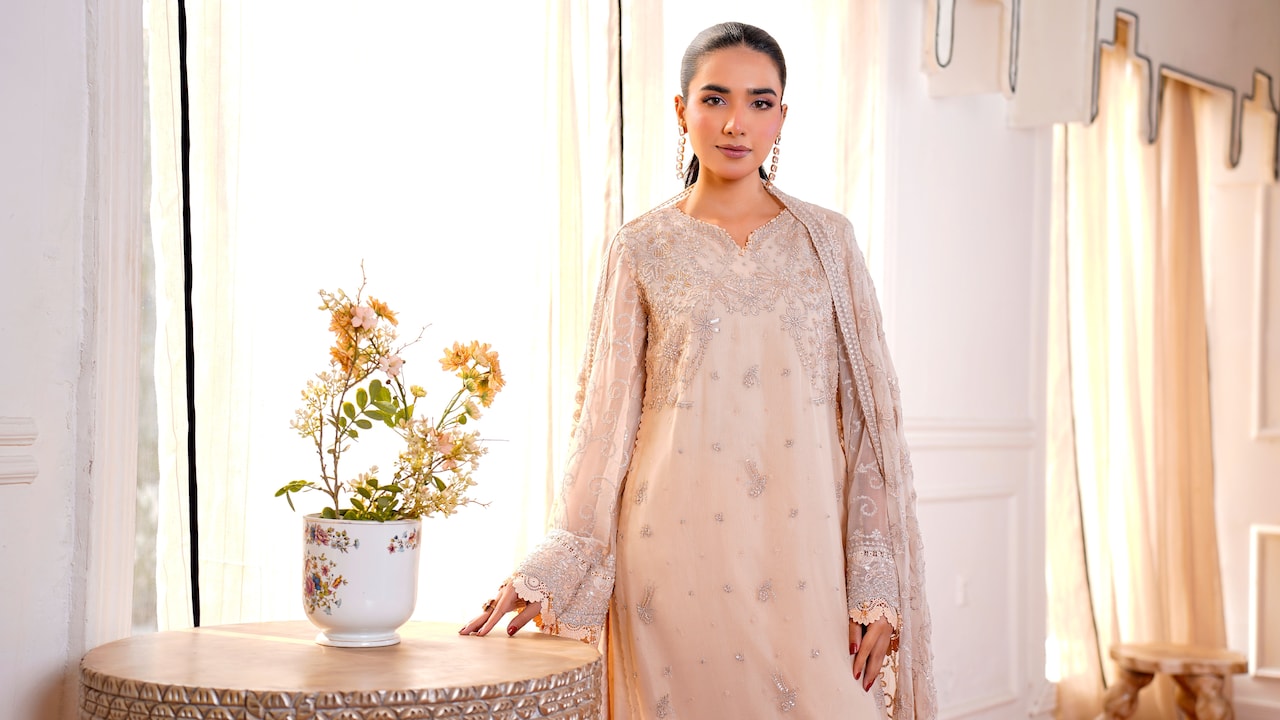
How to choose a kurta set that doesn't shrink easily
Buying a kurta set online often begins with a flattering photograph and ends with a small leap of faith. The colour looks rich, the silhouette falls neatly, and the price feels tempting. Then comes the first wash. The kurta shortens, the trousers stay the same, the lining pulls at the hem and the sleeves suddenly look borrowed from a younger cousin. Uneven shrinkage happens when different parts of an outfit respond differently to moisture, heat and movement. A kurta set may combine several fabrics, threads, trims and construction methods. Each element has its own behaviour. When brands skip proper pre-treatment or shoppers miss key details, the result can be twisting seams, puckered embroidery and awkward proportions.
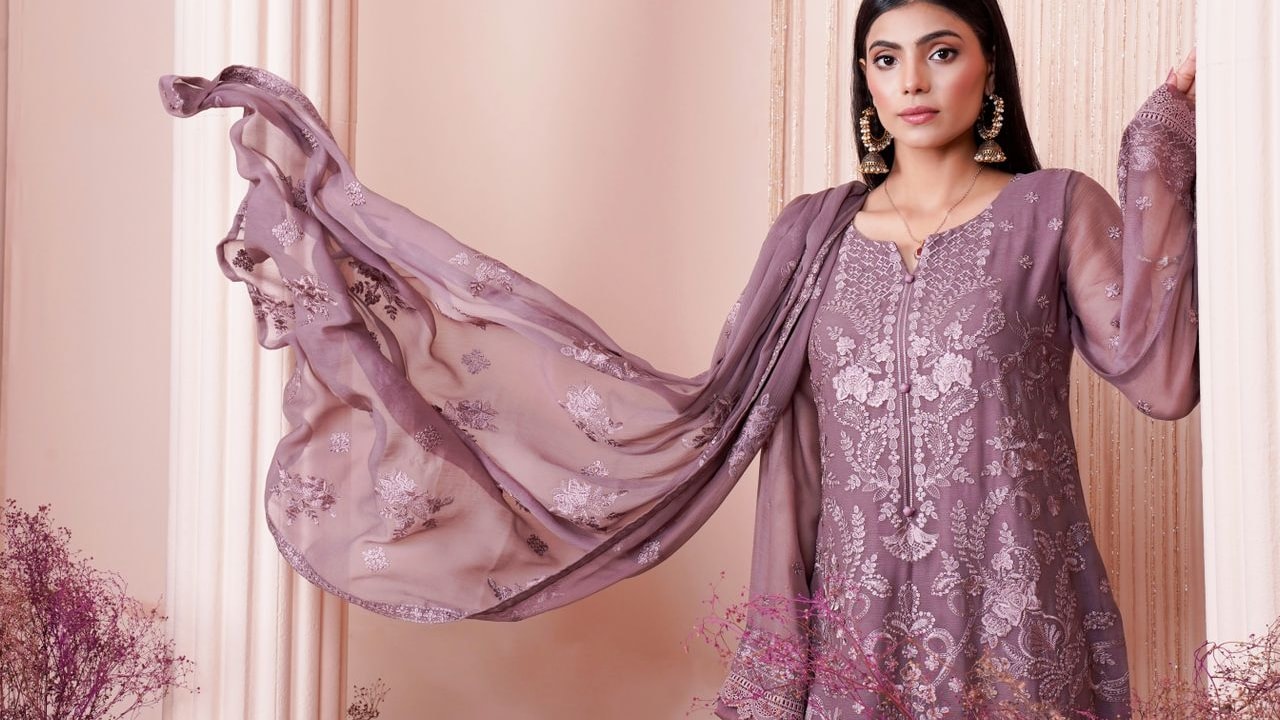
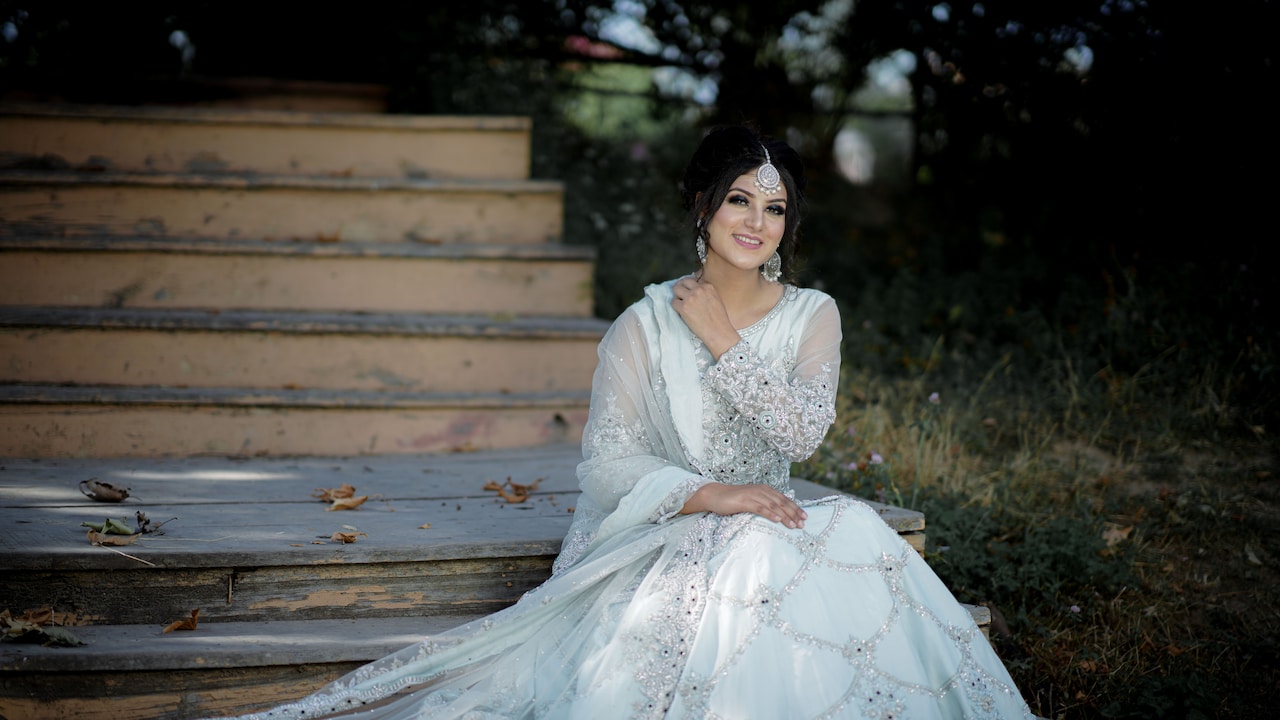
Common reasons for a kurta set that shrinks easily; Photo Credit: Pexels
A careful online purchase does not require textile expertise. It simply calls for sharper reading, a few practical questions and less trust in glossy photographs. The following checks can save money, disappointment and that familiar post-wash stare at the clothesline.
Also Read: 5 Elegant Cotton Kurta Sets for Daily Comfort and Style
What To Check Before Adding A Kurta Set To Your Cart
1. Check The Exact Fabric Composition
“Cotton blend” sounds reassuring, but it tells only half the story. A kurta made from 80 per cent cotton and 20 per cent polyester will behave very differently from one containing viscose or rayon. Cotton may contract when exposed to heat, while polyester usually holds its shape. Viscose can shrink noticeably if handled roughly, especially during the first wash.
The real trouble begins when the kurta, trousers and dupatta use different blends. The kurta may shorten while the trousers remain unchanged. Even within one garment, the main fabric and side panels may react differently. This creates pulling, rippling or an uneven hem.
Look for a full fibre breakdown on the product page. Vague descriptions such as “premium fabric” or “soft ethnic material” offer little help. When the composition is missing, check customer questions or message the seller.
A clear answer signals better product transparency. A confusing reply often signals future confusion in the laundry basket too. Fibre composition may look like a dull technical detail, but it often tells the most important part of the garment's story.
2. Compare The Fabric Of Every Piece
A three-piece kurta set may look perfectly coordinated, yet each piece can come from a different fabric family. The kurta might use cotton, the trousers may contain elastane and the dupatta may be synthetic. This is not always a problem, but it becomes risky when the set comes with one washing instruction for everything.
Uneven shrinkage often appears because each piece needs different care. Cotton trousers may tighten at the waist, while a polyester dupatta stays exactly the same. A lined kurta can become shorter outside but remain unchanged inside, causing the lining to peek out like an unwanted surprise guest.
Read the description for every component, not just the headline fabric. Good listings usually mention separate materials for the kurta, bottom and dupatta. When the details look copied and repeated, examine reviews for clues. Customers often mention whether the trousers became snug or the lining bunched after washing.
Matching colours do not guarantee matching fabric behaviour. Treat every piece as a separate garment before treating it as a set. That small change in perspective can prevent a coordinated outfit from becoming three mismatched laundry experiments.
3. Look For Pre-Shrunk Or Pre-Washed Fabric
Pre-shrunk fabric has already gone through controlled treatment to reduce future contraction. Pre-washed fabric often feels softer and may show less dramatic change after laundering. Neither label promises complete stability, but both suggest that the manufacturer has considered what happens after the first wear.
When a product page clearly states “pre-shrunk”, “pre-washed” or “garment washed”, that information deserves attention. However, marketing language can be slippery. “Washed finish” may describe the appearance rather than genuine shrinkage control. The safest approach is to look for specific care notes and customer feedback about shape retention.
This matters most with cotton, rayon and viscose sets. These fabrics can change noticeably when washed in hot water or dried under harsh sunlight. A ₹1,899 set that fits perfectly once but loses length after washing quickly becomes an expensive lesson.
Pre-treatment adds confidence, especially when the outfit has fitted sleeves, ankle-length trousers or a carefully balanced A-line cut. A little preparation at the factory can prevent plenty of adjustment at home. When a seller makes no mention of pre-treatment, leave enough room in both the fit and expectations.
4. Study The Weave, Not Just The Fibre
Two kurtas can both claim to be cotton yet behave very differently. The weave determines how tightly the threads sit together, how much the fabric stretches and how strongly it reacts to washing. Loosely woven cotton may feel airy and lovely in warm weather, but it can shrink or distort more easily than a tighter weave.
Product photographs rarely reveal the weave clearly, so zoom in on close-up images. Look for visible gaps, slubs or a gauzy texture. Fabrics such as mulmul, voile and loosely woven handloom styles need gentler care. Dense poplin, cambric and twill usually hold their structure better, though they can still contract if untreated.
The cut also matters. A loose weave in a straight kurta may shift at the side seams. In flared styles, the panels can shrink at slightly different rates and create a wavy hem.
Reviews that mention twisting, slanting or one side becoming shorter often point to weave instability. Fibre tells what the fabric contains; weave tells how that fabric may behave once water enters the picture. Ignoring it is rather like choosing a house after checking only the paint colour.
5. Examine The Lining Details
Lining can improve comfort, opacity and drape, but it can also cause uneven shrinkage when the outer fabric and inner layer do not match. A cotton outer shell paired with polyester lining may contract outside while staying fixed inside. The result is bunching near the hem, tightness across the chest or a lining that hangs lower than the kurta.
Look for information about lining composition and coverage. Some kurtas have full lining, while others include it only around the bodice. Partial lining can pull against an unlined skirt section after washing. This is especially common in festive sets with flared silhouettes.
Customer photographs can reveal more than catalogue images. Check whether the lining sits flat and whether the hem looks smooth after several wears. Reviews mentioning “inner cloth coming out” or “shape changed after wash” deserve attention.
A lined garment also needs extra ease because two fabrics must move together. When the fit already looks very snug on the model, even minor shrinkage can turn elegance into discomfort. Pretty on the hanger is not enough. The layers must cooperate during real wear, particularly through long celebrations, crowded rooms and generous second servings.
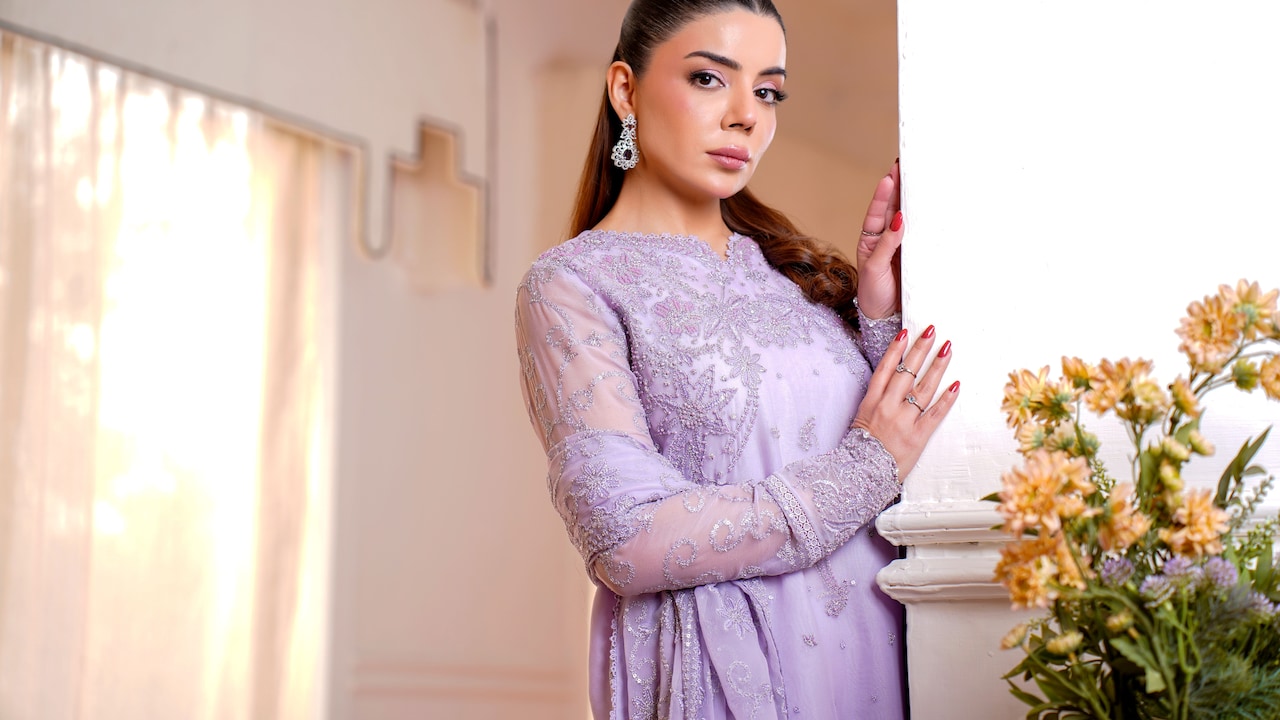
Consider the type of lining inside the kurta set before buying it; Photo Credit: Pexels
6. Check Embroidery, Lace And Decorative Panels
Decorative work can shrink, tighten or pull even when the main fabric stays stable. Cotton thread embroidery may contract after washing, while synthetic thread may not. Lace, piping, crochet inserts and decorative borders can also behave differently from the base fabric. When these elements sit across the chest, sleeves or hem, they may create puckering that makes the garment look uneven.
Pay close attention to contrast panels. A printed cotton kurta with a rayon yoke may lose balance if the two sections contract at different rates. The yoke can pull upwards while the body hangs lower. Heavy embroidery can also add weight during washing, stretching one area while another shrinks.
Zoom into detail photographs and check whether decorative sections look tightly stitched. Very dense work on lightweight fabric often creates tension. Reviews mentioning wrinkles around embroidery, warped necklines or twisted borders provide useful warnings.
Dry-clean-only embellishment on an otherwise washable set also deserves caution. A design may look festive enough for a grand family celebration, but complicated construction can demand more care than the product page admits. Sometimes the simplest border survives longer than the most elaborate masterpiece.
7. Read The Washing Instructions Carefully
Care labels are not decorative suggestions. They reveal how much confidence the brand has in the fabric. “Cold hand wash separately” usually means the outfit needs gentle handling. “Dry clean only” may indicate delicate dyes, unstable embellishment or material that could lose its shape in water.
The biggest mistake is assuming all cotton sets can survive a regular machine cycle. Agitation, warm water and fast spinning can increase shrinkage and distort seams. Tumble drying carries even greater risk, although it remains less common in many homes. Strong sunlight can also stiffen some fabrics and deepen the appearance of shrinkage.
Before buying, consider whether the recommended care suits everyday life. A ₹999 casual kurta that requires dry cleaning after each wear may not feel practical. On the other hand, ignoring the label can ruin the fit quickly.
Good listings provide clear, realistic instructions. Poor listings hide behind phrases such as “wash with care”, which explains almost nothing. The more specific the guidance, the easier it becomes to judge whether the outfit will remain manageable after the excitement of unboxing fades and ordinary laundry day arrives.
8. Review The Size Chart For Garment Measurements
A size label alone cannot protect against shrinkage. One brand's medium may match another brand's large, and fitted silhouettes leave little room for change. Garment measurements offer a clearer picture because they show the actual chest, waist, hip, sleeve and length dimensions.
Compare those numbers with a kurta that already fits well. Then allow a small comfort margin, especially for natural fibres. Buying an excessively large size is not the answer because the shoulders and neckline may sit badly. The goal is sensible ease, not guesswork. A straight cotton kurta with only two centimetres of extra room may feel restrictive after one wash.
Length deserves special attention. Even a two-centimetre reduction can change the appearance of a calf-length kurta or make side slits sit awkwardly. Trouser inseams matter too, particularly with ankle-length cuts.
Reviews may reveal whether the set runs tight after washing. When shoppers repeatedly suggest sizing up, the issue may involve both the cut and the fabric's behaviour. A thoughtful size chart helps buyers plan for real wear, not just the first mirror selfie before the tags come off.
9. Analyse Customer Reviews For Wash Experience
Star ratings can flatter a product because many shoppers review clothes immediately after delivery. The fabric feels soft, the colour looks lovely, and the fit appears perfect. None of that reveals what happens after washing. Search within reviews for terms such as “shrink”, “wash”, “length”, “tight”, “lining”, “colour” and “shape”.
Photographs posted after repeated wear are especially valuable. They show whether seams twist, hems rise or embroidery puckers. A single complaint may reflect incorrect care, but repeated comments point to a pattern. A detailed review saying the garment shrank after a cold hand wash carries more weight than a vague remark about poor quality.
Compare reviews across sizes as well. Sometimes only larger sizes show distortion because the fabric panels or cutting layout differ. Recent reviews matter more than older ones when the seller has changed suppliers.
A kurta set can look identical online while arriving in a slightly different material. Customer feedback is not perfect, but it often reveals the second chapter of the garment's story, the chapter catalogue photography politely avoids. That chapter usually begins after the first wash.
10. Assess The Seller's Return And Exchange Policy
Even careful checks cannot remove every risk. Fabric batches vary, measurements can differ and product descriptions may leave important gaps. A clear return or exchange policy provides essential protection, especially when buying from an unfamiliar seller.
Check whether the platform accepts returns after a basic try-on and whether tags must remain attached. Most sellers will not accept washed garments, so inspect the set closely before laundering. Measure the kurta, trousers and sleeves when the parcel arrives. Taking quick photographs and noting the measurements can help when an item arrives uneven, twisted or smaller than advertised.
Also check who pays for return shipping and whether refunds go back to the original payment method or become store credit. A ₹2,499 purchase feels far less attractive when the return process turns into a maze of forms and unanswered messages.
Reliable sellers usually explain their policies clearly and respond to fabric questions before purchase. That responsiveness matters. A brand that avoids simple questions about shrinkage, composition or care may become even harder to reach once a problem appears. Good service cannot stop fabric from shrinking, but it can stop the buyer's patience from doing the same.
Products Related To This Article
1. DAMAAR TEXTILE Women Ethnic Motifs Embroidered Regular Thread Work Kurta with Trousers & With Dupatta
2. Varanga Woven Design Zari Kurta with Trousers & Dupatta
3. Sangria Floral Embroidered Panelled Notch Neck A-Line Kurta With Trouser And Dupatta
4. KAUTHAMEE Women Floral Embroidered Regular Thread Work Kurta with Trousers
5. Anouk Women Regular Kurta with Palazzos & With Dupatta
6. Tawaqqo Women Floral Printed Regular Kurta with Trousers
7. Sangria Embroidered Round Neck Kurta & Trousers Kurta Sets
Uneven shrinkage rarely comes from one dramatic flaw. It usually grows from small mismatches: cotton against polyester, outer fabric against lining, dense embroidery against a light weave or a fitted cut against vague care instructions.
Online shopping becomes safer when product pages receive the same attention as the photographs. Fabric composition, weave, lining, trims, size charts, washing guidance and customer reviews all offer valuable clues. A sensible return policy adds one final layer of protection.
The best kurta set should survive more than compliments during its first outing. It should keep its shape through regular wear, careful washing and the occasional hurried laundry day. A few extra minutes of checking before payment can prevent uneven hems, tight sleeves and plenty of wardrobe regret later.
That may not sound as exciting as choosing colours, prints and necklines, but practical checks protect the pleasure of wearing the outfit again. After all, a good kurta set should become a reliable favourite, not a one-wash wonder quietly pushed to the back of the cupboard.
(Disclaimer: This article may include references to or features of products and services made available through affiliate marketing campaigns. NDTV Convergence Limited (“NDTV”) strives to maintain editorial independence while participating in such campaigns. NDTV does not assume responsibility for the performance or claims of any featured products or services.)