Celebrate Poila Boisakh 2026 In Style: From Dhuti To Jamdani Panjabi Best Traditional Outfit For Men
Explore practical and traditional men's outfit ideas for Poila Baisakh 2026. From dhuti panjabi to Jamdani styles, find options that balance comfort, culture, and modern design for festive celebrations.
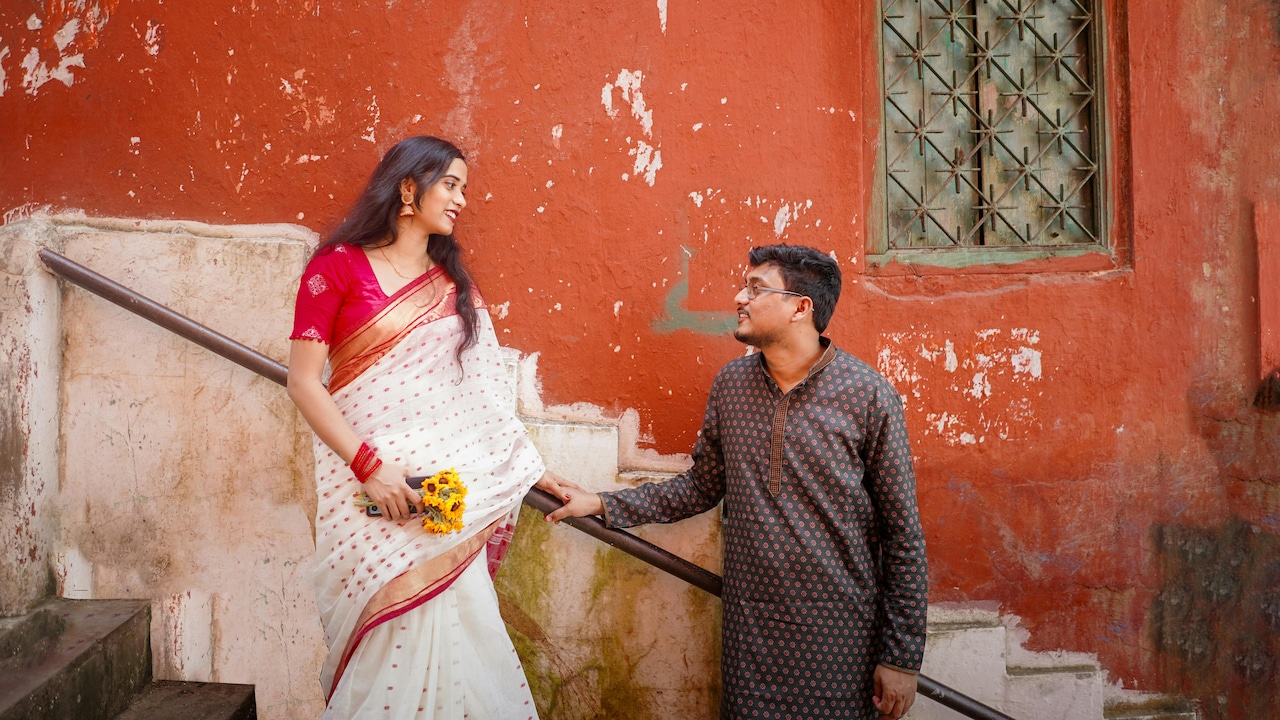
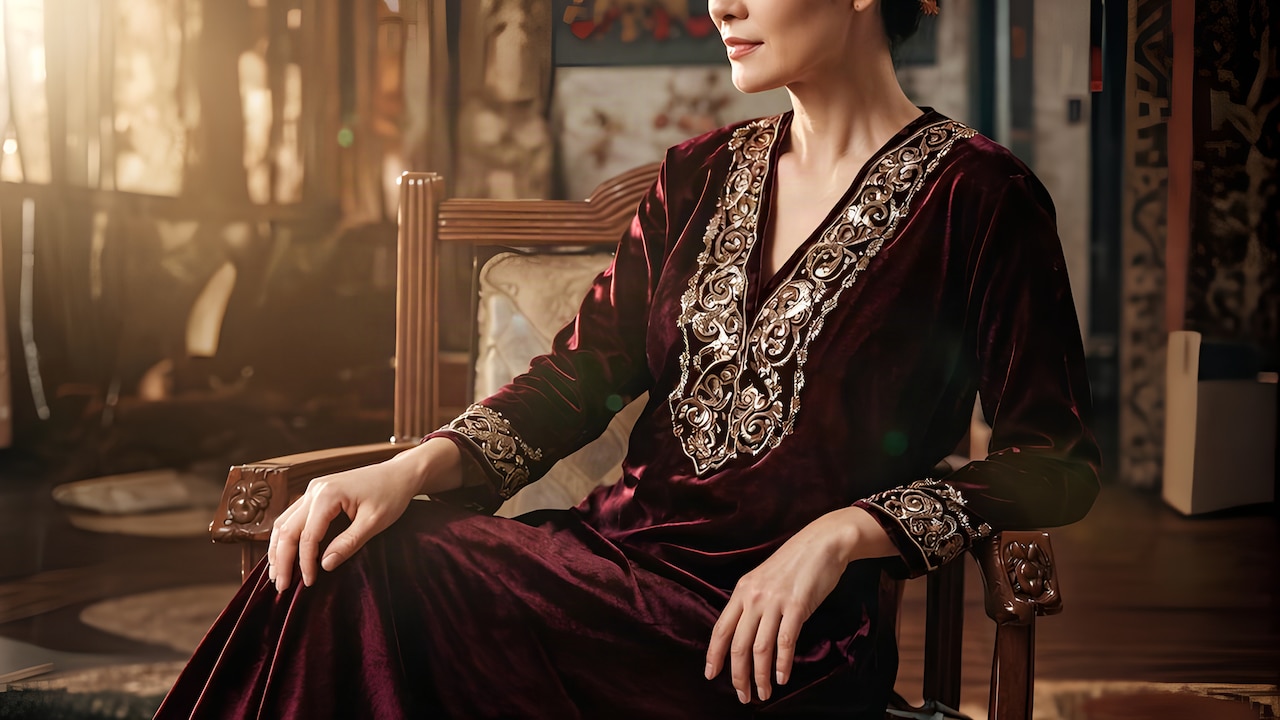
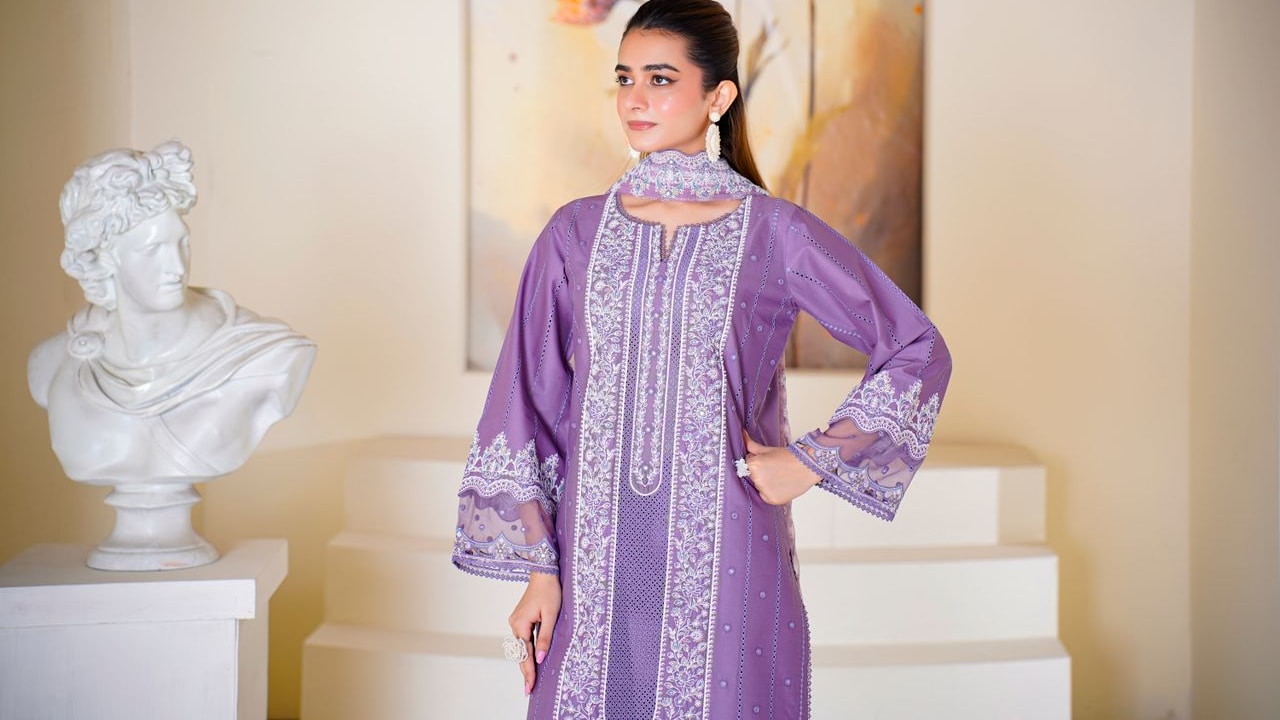
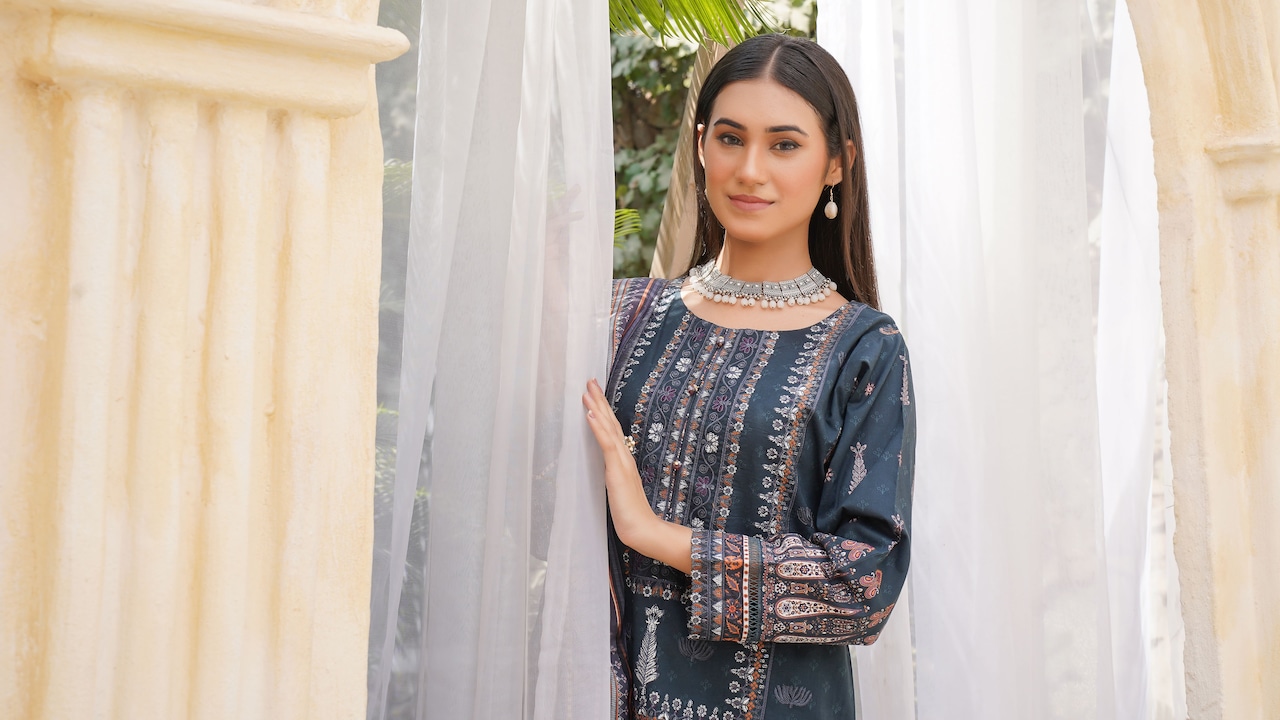
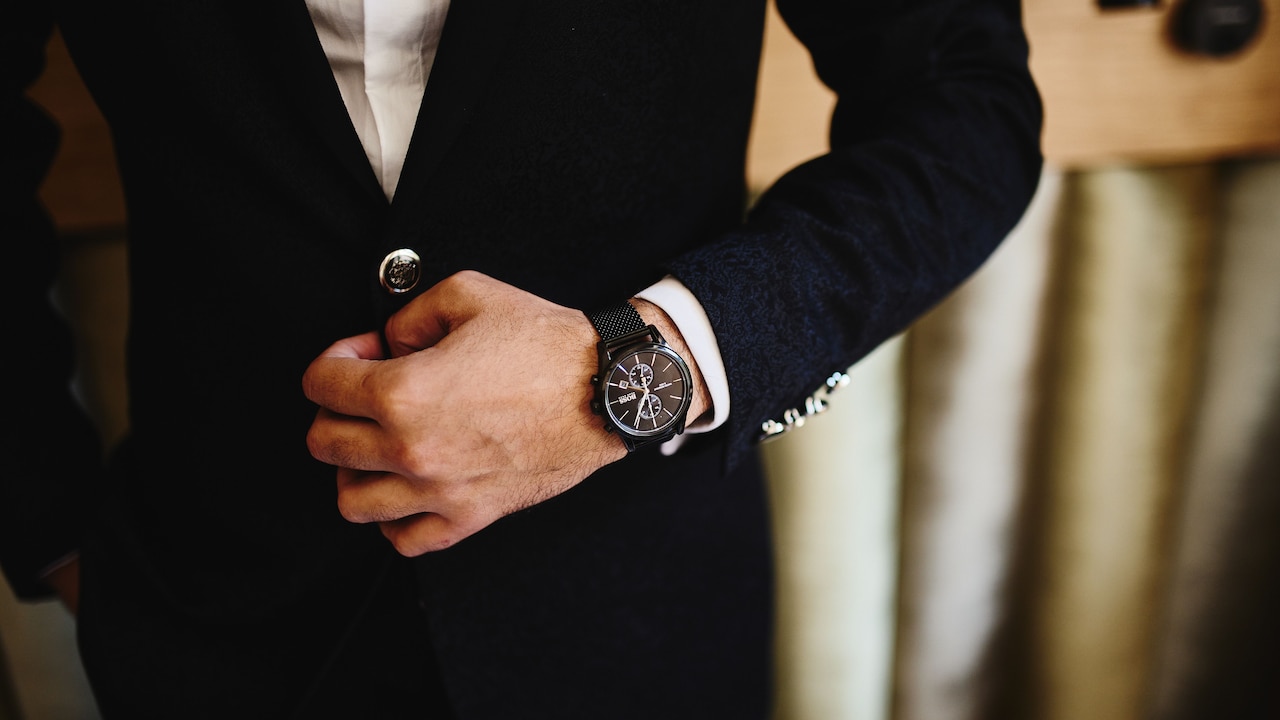
Slay in style this Poila Boisakh 2026 with these traditional Bengali outfits
The morning of Poila Baisakh (Boisakh) always begins with a quiet sense of renewal. The smell of fresh flowers, the sound of conch shells, and the sight of neatly folded traditional outfits set the tone for the day. Over the years, one thing has stayed constant: the effort to dress right for the occasion. It is not just about wearing something new but choosing clothing that reflects culture, comfort, and identity practically. This year, Poila Baisakh will be celebrated on April 15, 2026.The festival continues to hold that cultural importance as families step out for temple visits, gatherings, and festive meals. Across Bengal and beyond, traditional menswear like dhuti and panjabi remains a key part of the celebration. The trend today is simple classic styles with better fabric, easy wear, and functional design. Men are choosing outfits rooted in tradition yet suitable for long hours of celebration.
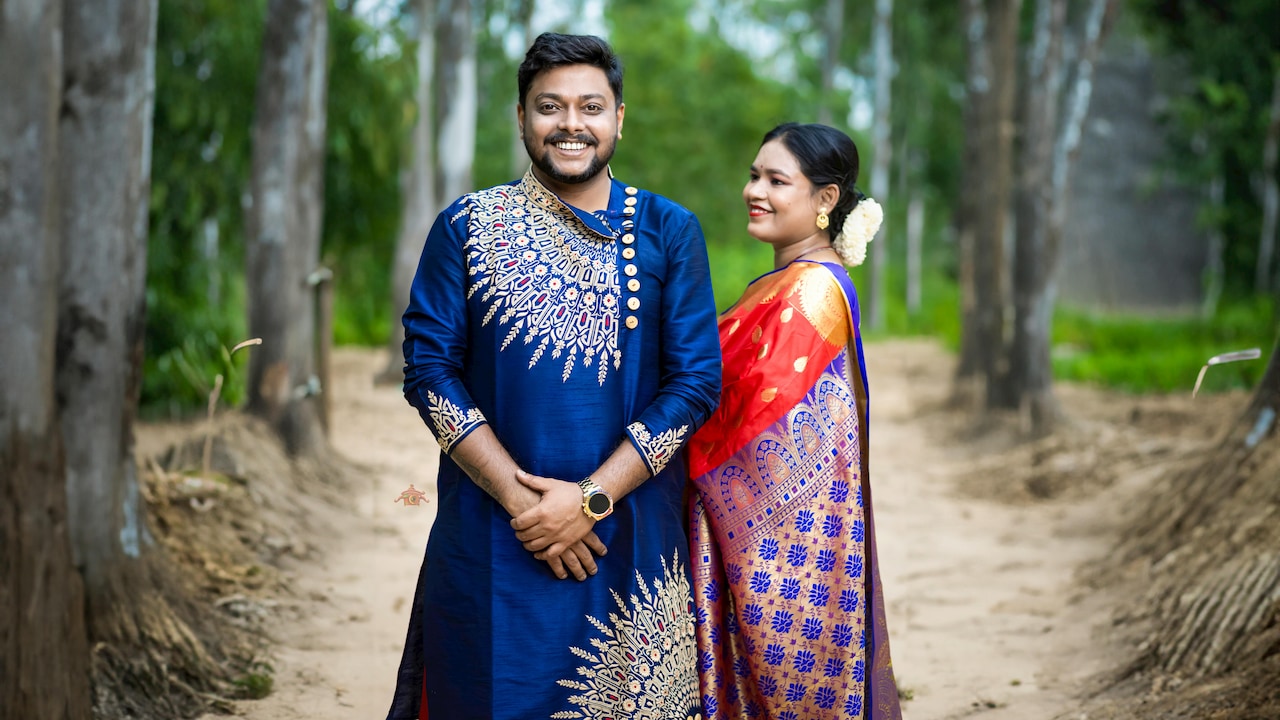
Slay in style this Poila Boisakh 2026 with these traditional Bengali outfits
Photo Credit: Pexels
Festive dressing for Poila Baisakh is not driven by trends alone. Weather, rituals, and comfort influence it. Light fabrics, breathable materials, and easy movement are essential. Traditional outfits meet all these needs without losing their cultural value. The dhuti and panjabi combination remains the most practical and widely accepted festive outfit. It is suitable for rituals, social visits, and even formal gatherings. Modern versions now come with pre-stitched options, making them easier to wear. April heat makes fabric selection important. Cotton, silk blends, and handwoven textiles like Jamdani and Tussar are preferred. These fabrics allow airflow and keep the wearer comfortable throughout the day. Designs today focus on subtle detailing rather than heavy work. Minimal embroidery, clean cuts, and neutral tones are becoming popular. These updates make traditional wear more usable beyond just one festival.
Also Read: From Gond Katira to Sabja Seeds: Foods That Can Beat Summer Heat
Top 10 Bengali Traditional Men's Outfits For Poila Baisakh 2026
1. Dhuti Panjabi
A standard festive outfit combining a traditional dhuti with a panjabi. Suitable for rituals and family gatherings. Available in cotton and silk blends for comfort.
2. Tussar Silk Panjabi
Made from Tussar silk, this panjabi features a subtly rich texture while staying comfortably lightweight. It's an ideal choice for formal celebrations and festive gatherings.
3. Kochano Dhuti
This pre‑pleated dhuti style makes wearing it effortless, giving you the traditional look without any hassle. It's designed for those who want cultural elegance with added convenience.
4. Kantha Stitch Panjabi
Featuring hand‑stitched Kantha work, this piece adds subtle texture without adding weight. It's an ideal choice for cultural gatherings and traditional celebrations.
5. Angrakha Style Kurta
This wrap‑style kurta takes inspiration from traditional designs while offering a fresh, distinctive look. It balances uniqueness with cultural relevance, making it suitable for various festive occasions.
6. Red Border White Dhoti
A white dhoti with a red border is a classic choice often worn during Bengali festivals. It pairs well with a plain or embroidered panjabi, creating a simple yet traditional look.
7. Jamdani Panjabi
Crafted using Jamdani weaving techniques, this panjabi reflects heritage craftsmanship while remaining light and breathable.
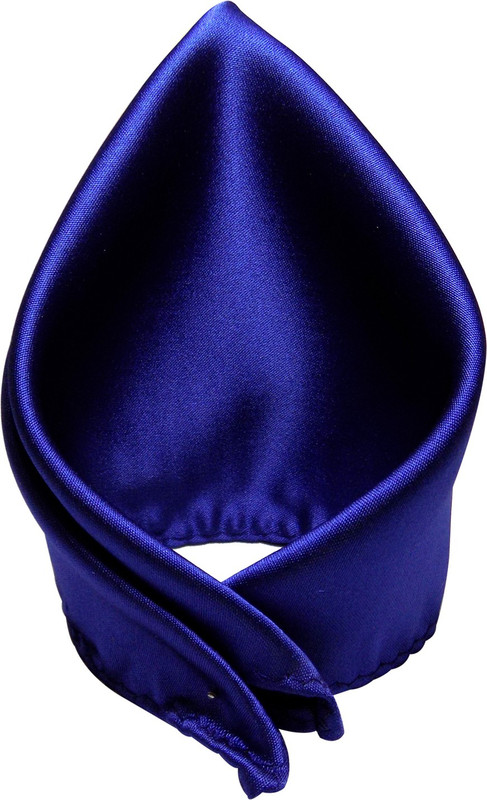
8. Bengali Stole
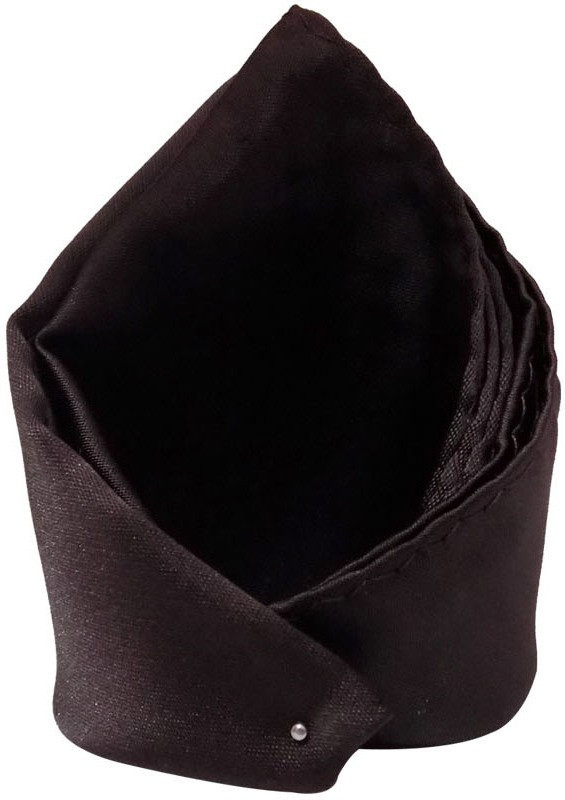
A simple stole serves as an easy accessory to elevate traditional outfits. It's usually worn over a panjabi to add a touch of elegance and completeness to the look.
9. Kurta with Nehru Jacket
A basic kurta paired with a structured Nehru jacket creates a clean, refined look. It's perfect for those who prefer a semi‑formal yet festive style for traditional occasions.
10. Lungi with Kurta
This relaxed outfit is a great choice for home celebrations, offering easy comfort throughout the day. It maintains a traditional appeal while keeping the look simple.
Poila Baisakh 2026 reflects a balance between tradition and practicality. Men's festive fashion is no longer limited to heavy or complex outfits. The focus has shifted to comfort, ease, and usability without losing cultural value. From dhuti panjabi to modern kurta combinations, every option serves a purpose based on the occasion and setting. Choosing the right outfit today means considering fabric, fit, and function. Traditional wear continues to evolve, making it more accessible and relevant for younger generations while still respecting its roots. The celebration remains the same, but the way people dress for it is becoming more thoughtful and practical. So why wait? Grab your favourite Bengali ethnic apparel from Myntra today.
Frequently Asked Questions (FAQs)
1. What is the traditional dress for men on Poila Baisakh?
Dhuti and panjabi is the most common traditional outfit.
2. Which fabric is best for Poila Baisakh outfits?
Cotton, Tussar silk, and Jamdani are preferred due to heat.
3. Is dhuti difficult to wear?
Traditional dhuti can be complex, but pre-stitched versions are easy.
4. Can I wear a kurta instead of panjabi?
Yes, kurtas are widely accepted for the occasion.
5. Are jackets suitable for Poila Baisakh?
Light Nehru jackets are suitable for formal settings.
(Disclaimer: This article may include references to or features of products and services made available through affiliate marketing campaigns. NDTV Convergence Limited (“NDTV”) strives to maintain editorial independence while participating in such campaigns. NDTV does not assume responsibility for the performance or claims of any featured products or services.)