10 Fit Problems That Make Denim Jackets Pull Across The Back And Restrict Movement
A denim jacket that pulls across the back can make simple movement uncomfortable. From narrow shoulders to poor armholes, these 10 fit problems explain what causes restriction and how to spot them.

Why Your Denim Jacket Pulls Across The Back: 10 Fit Problems To Check
A good denim jacket earns its place in the wardrobe. It works over a T-shirt on a breezy evening, adds structure to a kurta-and-trousers combination and survives countless café runs, road trips and rushed mornings. Yet the charm disappears quickly when reaching for a helmet, lifting a college backpack or simply folding the arms makes the jacket pull sharply across the back. That tight feeling often gets dismissed as “new denim”. Sometimes the fabric does soften with wear, but stiffness cannot explain every problem. The real culprit may sit in the jacket's proportions. Shoulder width, armhole depth, back length and even pocket placement can affect how freely the upper body moves. The tricky part is that a jacket can look perfectly fine while standing still in front of a mirror. Movement reveals the truth. Raise both arms, reach forward or pretend to steer a scooter. If the jacket suddenly climbs, digs or stretches across the shoulder blades, one of these ten fit issues may be responsible.

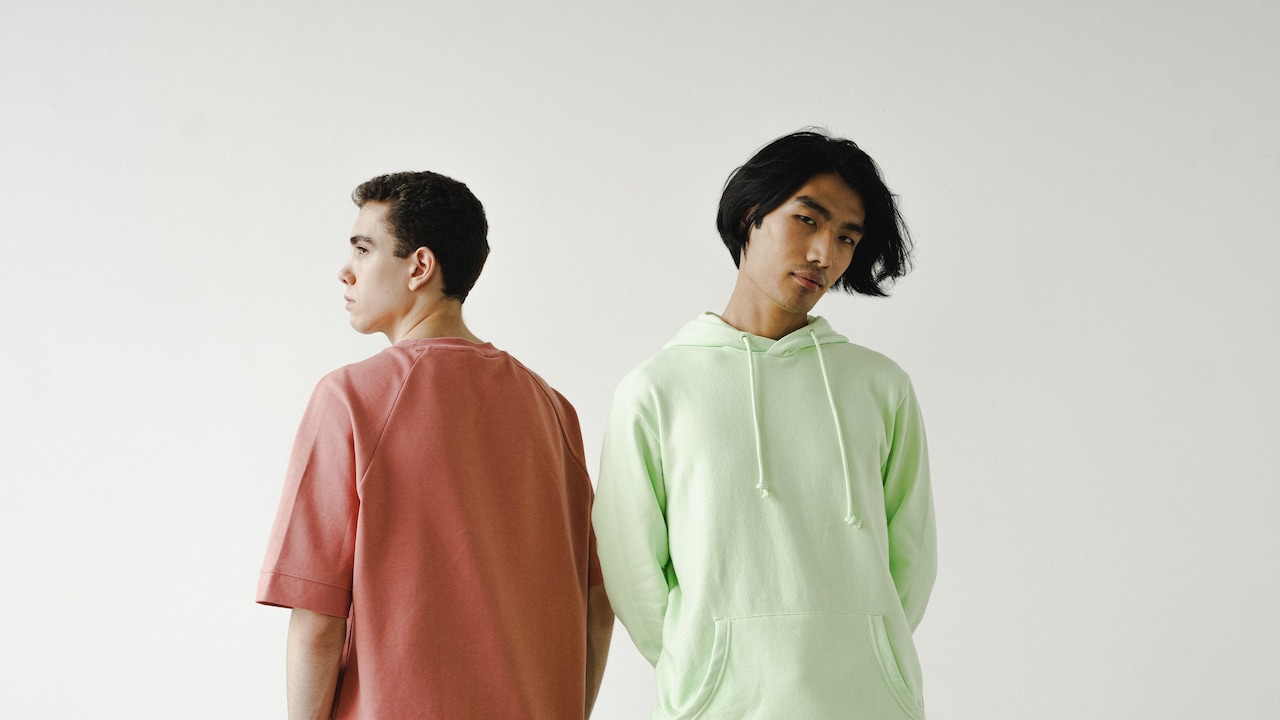
Why Your Denim Jacket Pulls Across The Back: 10 Fit Problems To Check; Photo Credit: Pexels
Why Your Denim Jacket Feels Tight Across The Back
1. Shoulders That Are Cut Too Narrow
The shoulder seam provides one of the clearest clues about how a denim jacket will move. Ideally, it should sit close to the natural edge of the shoulder. When that seam lands noticeably inward, the jacket has too little width across the upper body.
The effect becomes obvious the moment both arms move forward. The back panel starts pulling between the shoulder blades, while the sleeves seem to drag backwards. Even something ordinary, such as reaching across a dining table for the pickle jar, can feel strangely restrictive.
Narrow shoulders also create misleading wrinkles. Horizontal tension lines may appear across the upper back, particularly below the collar. Some people respond by sizing up, but that can leave the waist and sleeves unnecessarily loose.
Instead, compare the shoulder measurement between different jacket cuts. Relaxed, trucker and oversized styles often provide more room than sharply tailored versions.
A jacket should frame the shoulders, not squeeze them into position. If the upper body feels trapped before the first wash, repeated wear rarely performs miracles.
Also Read: 5 Best Denim Jackets for Women With Vintage Wash Under ₹1500
2. The Jacket Is Too Small Across The Chest
A tight chest does more than make the front buttons strain. It can pull the entire jacket forward, stealing valuable room from the back.
This problem often appears when someone chooses a denim jacket mainly according to waist size. The hem may look neat, yet the upper torso needs more space. Once the jacket closes, the front panels stretch over the chest and draw the side seams towards the front. The back then feels narrower than it actually is.
Try a simple movement test. Button the jacket, relax the shoulders and bring both hands together in front of the body. If the fabric immediately pulls across the back or the buttons look ready for a dramatic escape, the chest measurement needs attention.
Layering can make matters worse. A jacket that feels acceptable over a thin cotton tee may become uncomfortable over a sweatshirt during cooler December evenings.
Allow enough ease for natural movement and realistic layers. A denim jacket can look fitted without behaving like armour. Comfort should remain part of the silhouette, not an afterthought.
3. Armholes That Sit Too Low
Low armholes often appear in roomy jackets, so they seem unlikely to restrict movement. Surprisingly, they can cause exactly that problem.
When the armhole drops too far below the armpit, raising an arm lifts a large section of the jacket along with it. The sleeve cannot move independently, so the side panel and back travel upwards every time the wearer reaches.
This explains why some apparently oversized jackets still feel awkward while driving, carrying shopping bags or grabbing a handrail on the Metro. There may be plenty of fabric, but that fabric sits in the wrong place.
A better armhole stays reasonably close to the underarm without cutting into it. That shape lets the sleeve rotate more freely while the jacket body remains relatively stable.
Check this by raising one arm sideways. If the entire jacket hem rises dramatically, inspect the armhole position.
More fabric does not always equal more mobility. Good pattern cutting matters far more. The best jackets create room where the body actually needs it rather than scattering extra centimetres everywhere.
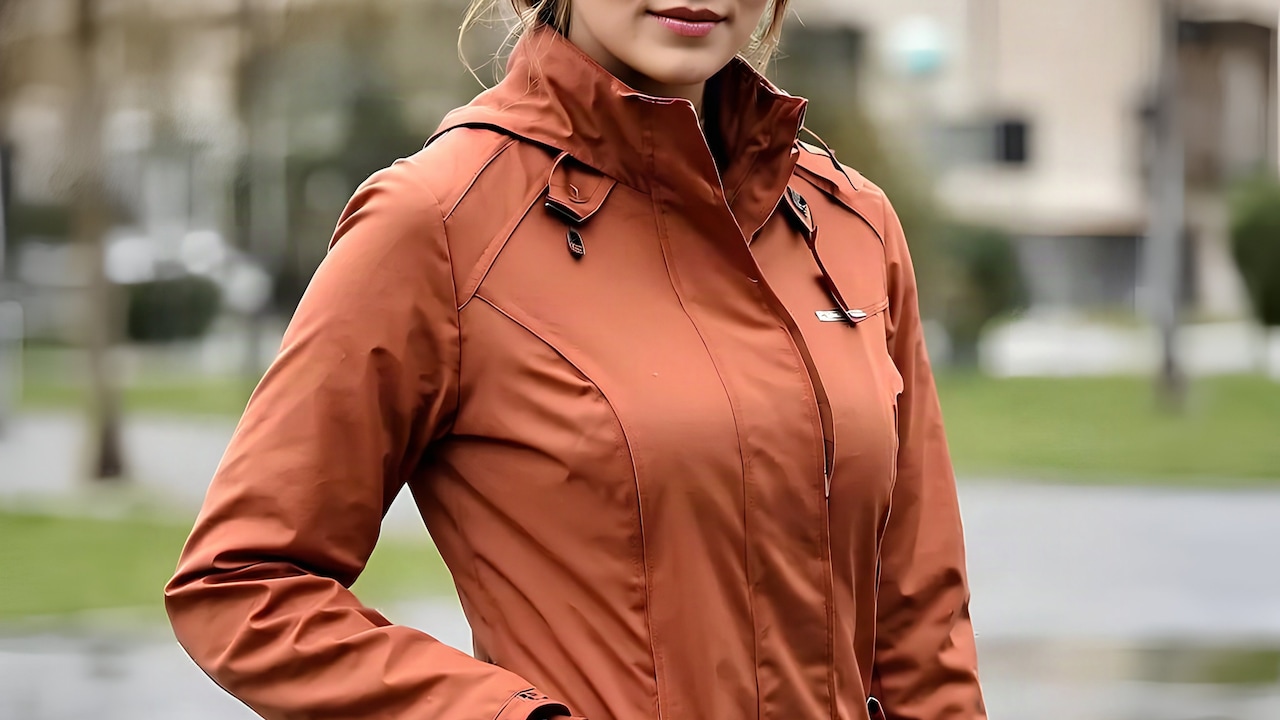
Why Your Denim Jacket Pulls Across The Back: 10 Fit Problems To Check; Photo Credit: Pexels
4. Armholes That Are Too Tight
An armhole can also create trouble for the opposite reason. When it hugs the underarm too closely, it may pinch the body and restrict the natural rotation of the shoulder.
The discomfort usually appears quickly. Reaching forward can make the fabric bite near the front of the armpit, while raising both hands may create strong tension across the shoulder blades. After an hour or two, the jacket starts feeling less like an outfit and more like a stubborn piece of luggage strapped to the torso.
Thick denim magnifies the problem because the fabric does not compress as easily as jersey or lightweight cotton.
The fit should feel close but never sharp. Slip a finger or two comfortably between the underarm and jacket while standing naturally. Then move the arms in several directions.
Pay particular attention when buying cropped or fashion-forward jackets, since some styles prioritise a narrow silhouette.
A clean outline looks attractive, but an armhole should still respect basic anatomy. Shoulders rotate, arms lift and life rarely involves standing motionless beside a fitting-room mirror.
5. The Back Panel Has Too Little Width
Some denim jackets simply lack enough fabric across the back, even when the shoulders and chest appear reasonably balanced.
This often comes down to the pattern itself. A narrow back panel can look sleek while the arms rest at the sides, yet it leaves little allowance for the shoulder blades to spread during movement. Reaching forward then produces that familiar tight band across the upper back.
The problem can feel particularly noticeable while riding a two-wheeler or holding a steering wheel for a long drive. Both positions bring the arms forward and widen the upper back. A restrictive jacket constantly reminds the wearer that fashion has entered the argument.
Look for jackets with a little more back ease. Certain cuts include pleats, shaped seams or roomier yokes that improve movement without creating a baggy appearance.
The best test requires no measuring tape. Extend both arms straight ahead as though holding handlebars. The fabric should feel secure but not stretched to its limit.
A flattering back line should follow the body, not fight every change in posture.
6. Sleeves Are Set At The Wrong Angle
Sleeves do not simply hang from a jacket. Their angle affects how naturally the arms can move.
Some denim jackets use sleeves designed for a relaxed, arms-down posture. They look tidy when standing, but the moment the wearer reaches forward, the sleeve head pulls against the shoulder and upper back. This can make the entire jacket feel smaller than its measurements suggest.
Motorcyclists and frequent drivers often notice this problem first. Holding the arms ahead for extended periods exposes a badly positioned sleeve quickly. Even working at a laptop in a chilly office can make the shoulders feel tired.
A slightly forward-set sleeve generally supports everyday movement better because human arms naturally rest a little in front of the torso.
When trying on a jacket, ignore the mirror for a moment. Pretend to type, steer, reach for a high shelf and cross the arms. The sleeve should follow without twisting aggressively.
Tiny construction details can produce huge differences in comfort. Sometimes the jacket does not need more space at all. It simply needs that space pointing in the right direction.

Why Your Denim Jacket Pulls Across The Back: 10 Fit Problems To Check; Photo Credit: Pexels
7. The Yoke Sits Too High Or Too Tight
That horizontal seam across the upper back does more than add classic denim-jacket character. The yoke also helps shape the shoulders and distribute fabric across an area that moves constantly.
When the yoke sits too high or carries too little width, it can create tension near the shoulder blades. The restriction may feel strongest when hugging someone, reaching forward or pulling a backpack strap over one shoulder.
A tight yoke often produces horizontal creases that refuse to disappear, even when the rest of the jacket fits well. Those lines signal that the fabric has reached its limit.
Jackets with slightly broader or curved yokes usually accommodate movement more comfortably. Some designs also add small pleats beneath the yoke, giving the back extra expansion without changing the overall appearance.
Pay attention to this area when trying vintage-style trucker jackets. Their structured cuts can look wonderfully sharp but may offer less flexibility than modern relaxed versions.
The yoke should shape the back gently. It should never behave like a belt placed between the shoulder blades.
8. The Jacket Length Fights Your Torso
Length seems unrelated to upper-back tightness, yet a jacket that ends in the wrong place can change how the whole garment moves.
A very short denim jacket may ride upwards whenever the arms lift. Once the hem climbs, the fabric bunches around the waist and pulls against the back. A longer, stiff jacket can create the opposite problem. If the hem catches around the hips while sitting, the jacket cannot move upwards naturally, so tension travels towards the shoulders.
Body proportions matter here. Someone with a longer torso may find a standard cropped style constantly creeping upwards. Someone with fuller hips may struggle with a straight, longer cut that fits beautifully at chest level but locks around the lower body.
Sit down during the fitting process. Reach forward, twist slightly and lift both arms.
A jacket should cooperate in these positions without dramatic bunching.
Trends may favour cropped hems one year and longer silhouettes the next, but proportion deserves the final vote. The right length helps the entire jacket move as one comfortable garment.
9. The Denim Has No Give
Fit may cause most movement problems, but fabric can amplify every small mistake.
Traditional rigid denim contains little or no stretch. That creates the crisp structure many people love, yet it also offers very little forgiveness. If the jacket already fits closely across the shoulders or chest, rigid denim makes every restriction more obvious.
A small amount of elastane can improve comfort considerably, especially for people who wear denim jackets while commuting or moving throughout the day. The jacket can flex slightly as the shoulders expand instead of pulling sharply across the back.
That does not mean stretchy denim always wins. Softer fabrics can lose their shape more quickly, while heavyweight rigid denim often develops beautiful character over time.
The key is matching fabric to fit. A relaxed jacket can work beautifully in firm denim. A slim jacket may benefit from a touch of stretch.
Do not rely on the promise that an extremely tight jacket will “open up eventually”. Denim may soften, but poor proportions remain poor proportions. A comfortable starting point offers far better odds of long-term wear.
10. The Jacket Was Sized For Appearance, Not Movement
The most common fit mistake can also be the simplest: choosing the size that looks sharpest while standing still.
Fitting-room mirrors encourage poses. Shoulders settle back, the stomach tightens and arms hang neatly by the sides. Real life looks different. People bend, stretch, sit, carry laptop bags, hail autos and reach over café tables.
A jacket that photographs beautifully but prevents those movements has failed an important part of its job.
Before buying, perform a small mobility check. Button the jacket. Cross the arms. Reach forward. Lift both hands overhead. Sit down. Pretend to steer. None of these movements should create painful pulling or make the jacket feel seconds away from tearing.
Ignore the number on the label if necessary. Sizes vary wildly between brands, and paying ₹3,000 or ₹13,000 does not guarantee a better personal fit.
Choose the jacket that allows the body to behave normally.
Style matters, of course. But the best denim jacket looks good because the wearer appears comfortable in it, not because every movement requires careful negotiation.
Products Related To This Article
1. Roadster The Life Co. Pure Cotton Denim Jacket
2. Tokyo Talkies Women Mustard Solid Jacket
3. Mast & Harbour Men Navy Blue Solid Pure Cotton Denim Jacket
4. Glitchez Notched Lapel Crop Denim Jacket
5. The Indian Garage Co Men Black Lightweight Cotton Denim Jacket
6. MANGO Women Long Sleeve Denim Jacket
7. HIGHLANDER Men White Solid Denim Jacket
A denim jacket should feel dependable, effortless and ready for years of wear. When the fabric pulls across the back, the problem rarely comes from one mysterious flaw. Shoulder width, chest room, armhole placement, sleeve angle, yoke shape, jacket length and fabric flexibility all influence how comfortably the garment moves.
The fitting-room test therefore needs more than a quick glance in the mirror. Movement tells the real story. Reach, stretch, sit, cross the arms and recreate the positions that appear during an ordinary day.
Most importantly, do not confuse tightness with good tailoring. A jacket can look streamlined without restricting the shoulders, and a relaxed cut can still appear polished.
Denim already carries enough attitude on its own. The wearer should not have to wrestle with it. When the proportions work, the jacket becomes the easy layer everyone wants from denim in the first place: sturdy, stylish and comfortable enough to forget about once it goes on.
(Disclaimer: This article may include references to or features of products and services made available through affiliate marketing campaigns. NDTV Convergence Limited (“NDTV”) strives to maintain editorial independence while participating in such campaigns. NDTV does not assume responsibility for the performance or claims of any featured products or services.)