10 Reasons New Sneakers Feel Comfortable Indoors But Hurt On Longer Walks
New sneakers may feel perfect indoors yet turn painful on long walks. From foot swelling and poor fit to heat, lacing and cushioning, several hidden factors can change comfort once the distance starts adding up.
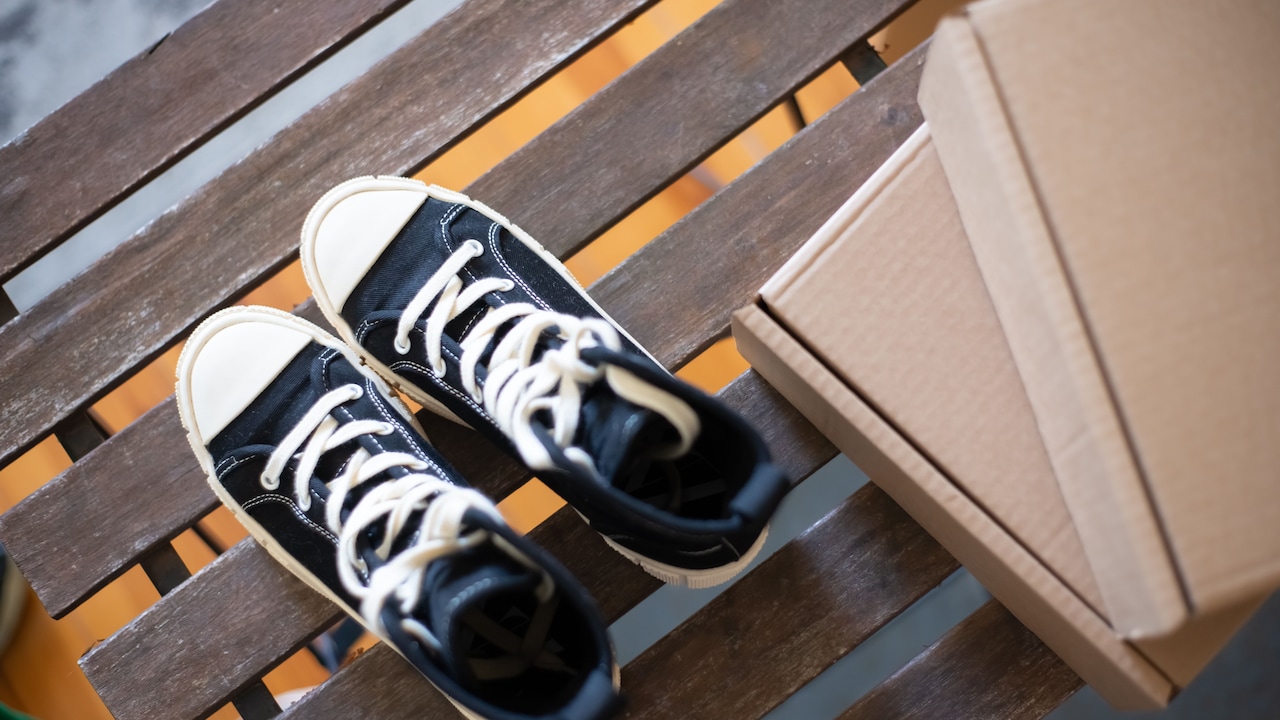
What causes sneakers to feel uncomfortable outdoors
Buying new sneakers often begins with a little optimism. The cushioning feels springy, the upper looks spotless and those first few steps across the living room seem promising. Perhaps there is even a triumphant lap past the sofa, followed by the confident thought that these shoes are going to be perfect. Then comes the first proper outing. Halfway through a long market stroll, a railway-station dash or an evening walk around the neighbourhood, the excitement starts fading. A heel begins rubbing. The toes feel cramped. The arch suddenly notices pressure that was invisible indoors. By the time the walk ends, the same sneakers that felt cloud-like at home may seem personally offended by the existence of feet.
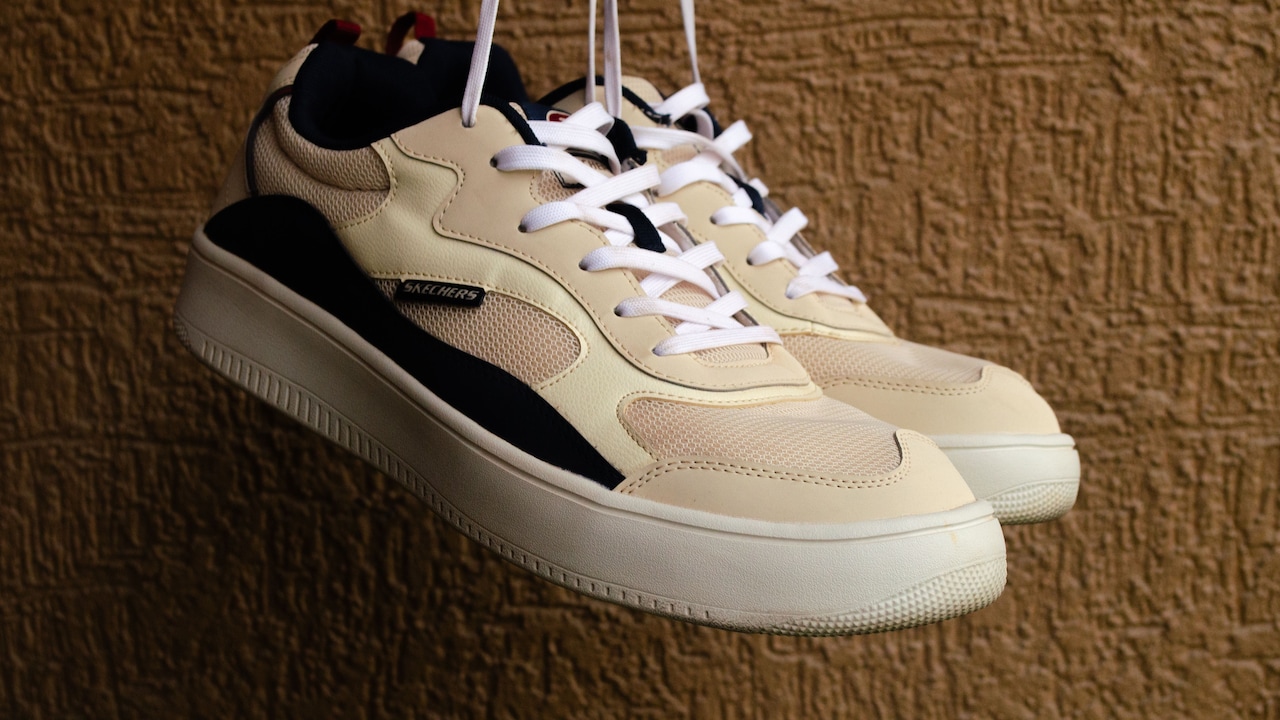
Why do some sneakers feel more comfortable indoors than outdoors
Photo Credit: Pexels
This does not necessarily mean the shoes are poorly made. Indoor testing gives only a brief glimpse of comfort. Real walking introduces distance, heat, repeated impact, changing surfaces and natural foot swelling. Small fit issues that remain hidden for ten minutes can become impossible to ignore after an hour. Understanding what changes during longer walks can make sneaker shopping far less confusing.
Also Read: Not All Shoes Are Same: 5 New Balance Shoes That Offer Cushioned Comfort And Unmatched Style
Why New Sneakers Can Feel Different On Longer Walks
1. Your Feet Swell During Longer Walks
Feet rarely stay exactly the same size throughout the day. During a longer walk, increased blood flow, heat and repeated movement can cause mild swelling. A sneaker that feels comfortably snug during a short indoor trial may therefore become noticeably tighter after several kilometres.
The difference can be surprisingly small on paper yet very obvious to the toes. A shoe with barely enough space at the front may feel fine while sitting or walking around a room. Once the feet expand, however, the big toe or little toe can start pressing against the upper. What began as gentle contact may turn into soreness, numbness or friction.
Warm weather can make the problem more noticeable. Anyone walking through a busy shopping street on a humid afternoon knows how quickly feet can feel hotter and fuller inside closed shoes.
This is why many people prefer trying sneakers later in the day, when their feet are naturally slightly larger. A little breathing room does not mean buying an oversized shoe. It simply allows the foot to behave normally once the walk becomes longer than the journey from the bedroom to the kitchen.
2. Indoor Floors Hide Problems With Cushioning
A polished tile floor or smooth corridor cannot fully reveal how a sneaker will behave on broken pavements, concrete footpaths or uneven roads.
Indoor surfaces are usually predictable. Each step lands in roughly the same way, so the shoe does not have to work particularly hard to stabilise the foot. Outdoors, the story changes. Hard concrete can magnify impact, while uneven surfaces force the ankle and foot to make constant small adjustments.
A sneaker with soft cushioning may initially feel luxurious indoors because the foam compresses pleasantly under the heel. After prolonged walking, however, that same cushioning might feel too soft or unstable. In other cases, a firm sole may seem slightly stiff at home but actually feel more supportive over distance.
Comfort therefore depends on more than softness. A good walking shoe needs a useful balance of cushioning, stability and flexibility.
That is one reason a five-minute test inside a shop can be misleading. Those few comfortable steps may happen on smooth flooring under bright lights. The real test begins when the shoe meets a kilometre of unforgiving pavement and a few surprise potholes.
3. The Toe Box May Be Too Narrow
A narrow toe box can hide its intentions remarkably well.
For the first few minutes, the front of the sneaker may feel secure rather than tight. The toes sit neatly in place, nothing slips around, and the shoe feels reassuringly fitted. After repeated steps, though, the toes naturally spread and flex. If there is not enough room for that movement, pressure begins building.
The little toe often complains first. Some walkers feel rubbing along the sides, while others notice tenderness near the big-toe joint or toenails. Long downhill stretches can make things worse because the foot slides slightly forwards with every step.
Fashion also plays a role. Sleek sneakers can look attractive because of their tapered shape, but a handsome silhouette does not always match the natural shape of every foot.
A proper toe box should give the toes enough space to move without allowing the entire foot to slide. When trying a pair, wiggle the toes and check whether they can spread naturally.
If they already feel politely packed together indoors, they may become thoroughly irritated guests after a long walk.
4. Your Heel Is Moving More Than You Realise
Heel slip can seem harmless during a short indoor trial. A tiny movement at the back of the shoe may not even register while taking twenty steps across a shop floor.
Repeat that movement thousands of times, however, and the skin notices.
Every small lift can create friction between the heel, sock and shoe lining. Over time, warmth and moisture increase that friction. The result may be redness, tenderness or the dreaded blister that makes every remaining step feel twice as long.
Sometimes the shoe itself is not the wrong size. The problem may come from loose lacing or a heel shape that does not suit the wearer's foot. Certain sneakers have wide heel cups, while others grip more closely around the ankle.
Lacing can make a surprising difference. Using the extra eyelet near the top of many running shoes can create a firmer heel lock without crushing the front of the foot.
The warning sign is simple: if the heel repeatedly lifts while walking, even slightly, pay attention. What feels like an innocent shuffle indoors can become an impressive blister factory during a three-hour sightseeing day.
5. The Sneakers Have Not Flexed To Your Walking Pattern Yet
New sneakers often feel fresh because every part of them is fresh. The upper is firm, the midsole has barely compressed and the sole has not yet flexed repeatedly along the natural bending points of the foot.
That freshness can also mean stiffness.
During a short indoor trial, stiffness may not matter much. After an hour of walking, however, the shoe may repeatedly resist the same motion. Pressure can develop across the forefoot, around the ankle or at the point where the shoe bends.
Some sneakers soften slightly with normal use. Materials settle, the upper becomes more flexible and the footbed adapts a little to repeated pressure. This does not mean painful shoes should be endured until they magically become comfortable. Severe pinching, numbness or sharp pain usually signals a fit problem rather than a harmless break-in period.
A sensible approach is gradual wear. Start with shorter outings before choosing the new pair for an all-day trip.
Think of it as an introduction rather than a test of character. Feet and sneakers do not need a dramatic first date involving 15,000 steps.
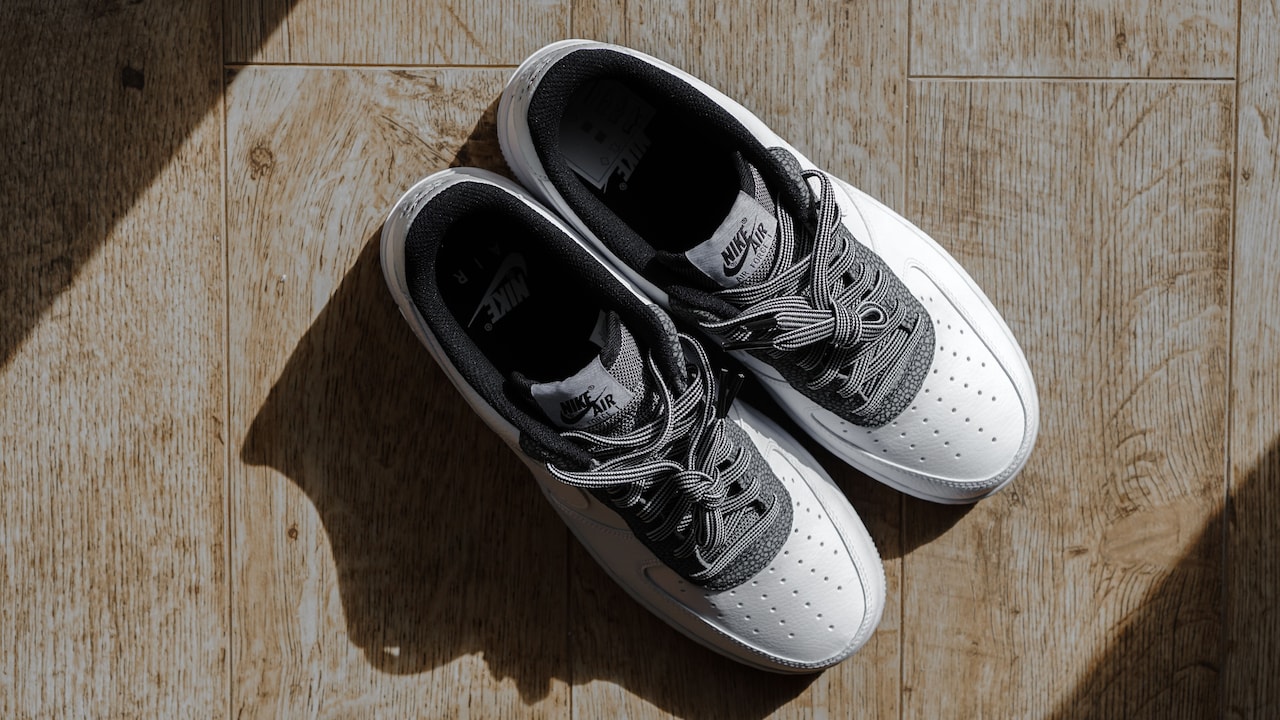
The sneakers have not become used to your walking pattern
Photo Credit: Pexels
6. Your Socks Change The Fit More Than Expected
Socks seem like a minor detail until the wrong pair spends two hours inside the wrong shoe.
Thickness alone can change the fit considerably. Sneakers tried with thin ankle socks may feel much tighter when worn later with cushioned sports socks. Conversely, a roomy sneaker paired with very thin socks may allow extra movement and rubbing.
Fabric matters too. Cotton socks can absorb moisture but may remain damp during long walks, particularly in hot weather. Damp fabric rubbing against warm skin is an excellent recipe for irritation. Sports socks made with moisture-managing fibres often feel more comfortable over distance because they help keep the foot drier.
Seams can also create pressure points, especially around the toes.
For the most realistic fit test, sneakers should be tried with the type of socks normally worn for walking. That small habit can prevent an expensive surprise.
After all, discovering that a ₹5,000 pair of sneakers only feels comfortable with one mysteriously specific pair of socks is not ideal. Shoes and socks work as a system, and longer walks reveal whether that partnership is actually functioning.
7. Your Feet Become Hotter Outdoors
Temperature changes the experience of a shoe more than many shoppers expect.
Inside an air-conditioned shop or cool room, even a poorly ventilated sneaker can feel perfectly pleasant. Outdoors, especially during warm afternoons, heat begins building inside the shoe. Add continuous movement and perspiration, and the environment around the foot changes quickly.
Breathability becomes important at this point. Sneakers with tightly woven synthetic uppers may trap more heat than designs that allow better airflow. The result is not always pain directly. Instead, warmer and damper feet become more vulnerable to rubbing and swelling.
This can explain why a sneaker feels soft and comfortable during an evening indoor trial but becomes irritating during a sunny weekend walk.
Colour, material and construction can all influence how warm a shoe feels, but ventilation remains the bigger practical concern.
There is also a comfort perception element. When feet feel hot and sticky, every small pressure point becomes more noticeable.
A sneaker designed for long walks should therefore manage more than impact. It should also help create a comfortable climate around the foot, particularly when the weather feels determined to turn every pavement into a frying pan.
8. The Arch Support Does Not Match Your Foot
Arch support can feel pleasantly noticeable during the first few minutes in a new sneaker. Sometimes that initial sensation is interpreted as proof that the shoe is supportive.
More support, however, is not automatically better support.
If the raised section under the arch sits in the wrong position, it may begin pressing against the foot after repeated steps. A very firm arch can also feel intrusive for someone accustomed to flatter footwear. On the other hand, a shoe offering too little structure may allow the foot to fatigue faster during longer walks.
This mismatch usually becomes clearer with distance because the foot repeats the same movement again and again. Muscles that were comfortable after five minutes may feel tired after fifty.
No single arch design suits everyone. Foot shape, walking style and personal comfort all influence what feels right.
The useful question is not whether a sneaker has impressive-sounding support technology. It is whether the support feels natural under the foot.
Good arch support should quietly do its job. If the wearer spends the entire walk thinking about the mysterious lump underneath the middle of the foot, the match probably deserves another look.
9. Your Laces Are Creating Pressure Points
Laces can transform the fit of a sneaker, yet they often receive attention only when they come undone at an inconvenient moment.
Tight lacing may make new sneakers feel secure indoors, but feet can swell during extended walking. Once that happens, laces that were comfortably firm may begin pressing against the top of the foot.
This pressure can create aching, tingling or even numbness. Some people respond by buying a larger shoe when the simpler solution may be adjusting the lacing.
The opposite problem also occurs. Loose laces allow the foot to slide forwards and backwards, increasing friction and forcing the toes to grip unnecessarily.
Different lacing patterns can help with different fit issues. Leaving slightly more room across a sensitive section of the upper can reduce pressure, while firmer lacing around the ankle can improve heel stability.
It is worth adjusting the fit after ten or fifteen minutes of walking, particularly with a new pair.
Sneaker laces should hold the foot securely without treating it like luggage being tied to the roof of a bus. Secure is useful. Strangled is not.
10. Short Tests Cannot Reveal Repetitive Strain
The biggest difference between indoor comfort and long-distance comfort is repetition.
A small pressure point may be almost invisible during twenty steps. Repeat that same pressure 5,000 times and the body suddenly becomes very interested in discussing it.
Longer walks expose problems because muscles tire, joints absorb repeated impact and skin experiences continuous friction. Even a minor imbalance in the shoe can become more noticeable as fatigue develops.
This is why comfort should be judged over time rather than through an immediate first impression. Soft foam, a padded tongue and a plush lining can create instant appeal, but long-distance comfort depends on how the entire shoe behaves after repeated movement.
Whenever possible, wear new sneakers on several shorter walks before using them for an airport day, festival, sightseeing trip or lengthy shopping expedition.
Pay attention to patterns. Does one toe become sore? Does the arch start aching after thirty minutes? Does the heel rub only once the feet become warm?
Those small clues matter.
A good walking sneaker should become less noticeable as the kilometres pass, not increasingly dramatic.
Products Related To This Article
1. Roadster Women Printed Leather Sneakers
2. Killer Men Colourblocked Sneakers
3. Puma Men Color-Block Sneakers
4. Red Tape Men Colourblocked PU Sneakers
5. HRX by Hrithik Roshan Unisex Laser Cuts Sneakers
6. BUCIK Men Textured Sneakers
7. Theater Women Jiro Black Mary Jane Casual Shoes
New sneakers can feel perfect indoors and painful outdoors because comfort changes with time, temperature, movement and distance. Feet swell. Toes spread. Heels rub. Socks collect moisture. Cushioning behaves differently on hard surfaces, and tiny pressure points become much louder after thousands of repeated steps.
The good news is that most of these problems leave clues early.
A realistic fit test should consider toe room, heel movement, arch position, lacing and the socks normally worn for walking. New shoes should also earn their place gradually through shorter outings before being trusted with a full day on foot.
Most importantly, instant softness should not be confused with lasting comfort. The best walking sneakers are not necessarily the pair that creates the biggest “wow” moment during the first thirty seconds. They are the pair that still feels pleasantly ordinary after several kilometres.
That may sound less exciting than cloud-like cushioning and futuristic foam names, but feet rarely care about marketing drama. After a long walk, they tend to appreciate something much simpler: enough room, steady support and no blisters waiting at the finish line.
(Disclaimer: This article may include references to or features of products and services made available through affiliate marketing campaigns. NDTV Convergence Limited (“NDTV”) strives to maintain editorial independence while participating in such campaigns. NDTV does not assume responsibility for the performance or claims of any featured products or services.)