Why Your Bags Get Ugly In 6 Months And How To Make Them Last Years
Most bags lose their charm within months due to everyday habits like overloading, rough use, and poor storage. Learn simple, practical ways to keep your bags looking new for years without spending more.

Why Your Bags Get Ugly in 6 Months: And How to Make Them Last Years
A good bag carries more than essentials. It holds routine, rush-hour stress, chai spills, and the odd forgotten receipt from a ₹200 snack run. Yet, despite careful selection and sometimes a hefty price tag, many bags lose their charm within six months. The colour fades, corners scuff, handles weaken, and suddenly that once-loved piece looks ready for retirement.
This quick decline rarely comes down to poor quality alone. Everyday habits play a larger role than expected. Overstuffing, careless placement, unpredictable weather, and even the way a bag rests at home quietly contribute to its wear and tear.
The good news lies in awareness. Small changes can stretch a bag's life from a few months to several years. With the right care, even a modest purchase can look polished long after its expected lifespan.
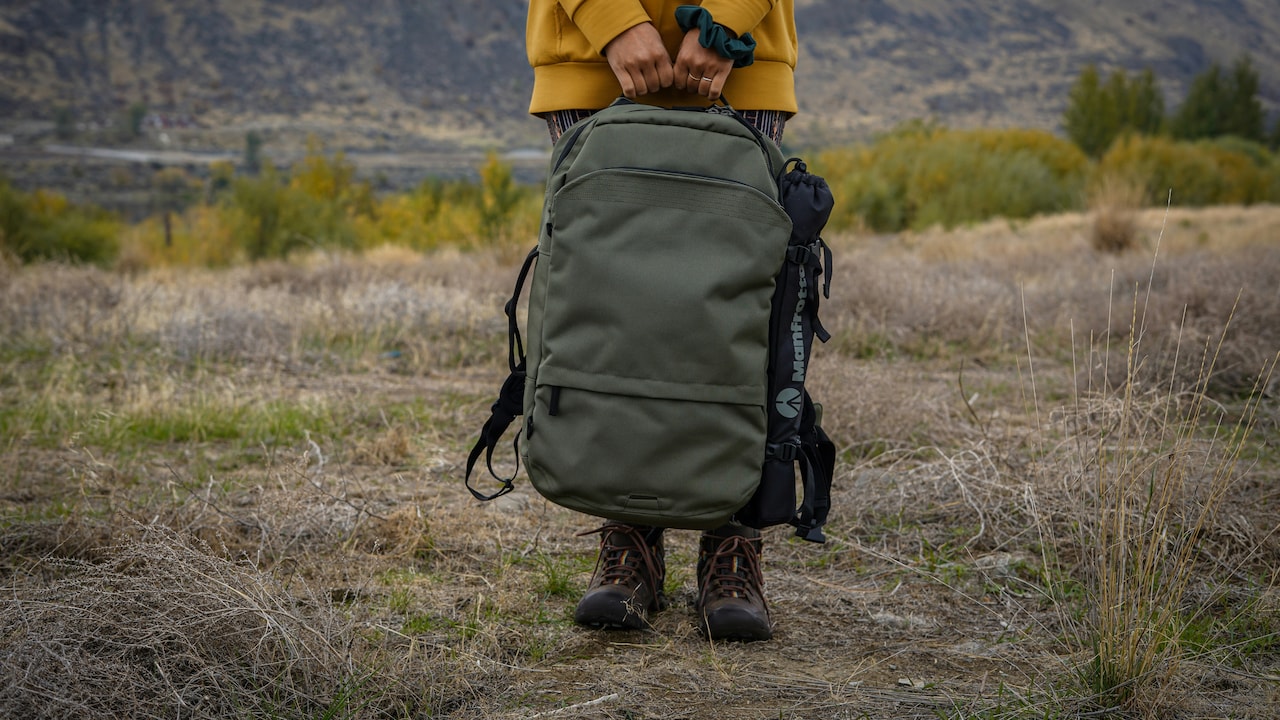
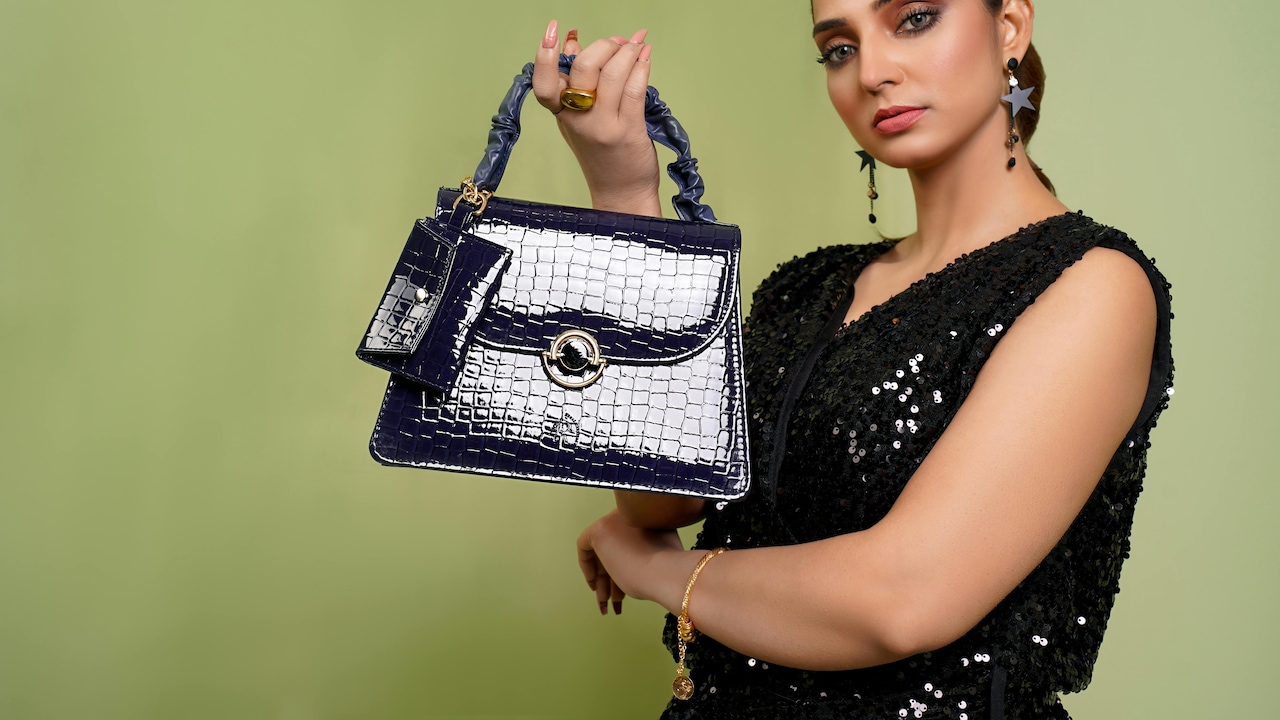
Why Your Bags Get Ugly in 6 Months: And How to Make Them Last Years; Photo Credit: Pexels
What's Really Ruining Your Bags So Quickly?
The Weight Problem No One Talks About
Most bags fail not because of time but because of weight. Daily routines often turn a sleek handbag or backpack into a portable storage unit. Laptops, water bottles, chargers, snacks, notebooks, and sometimes items that have no clear purpose all pile up. This constant strain weakens stitching and distorts shape.
In crowded trains or buses, the pressure multiplies. The bag gets squeezed, pulled, and pushed from every direction. Over time, seams stretch, handles loosen, and the structure collapses.
A simple shift in habit makes a big difference. Carry only what serves a clear purpose for the day. Rotating essentials between bags also reduces strain on a single piece. Think of it like footwear; no one expects one pair to handle every occasion.
A lighter bag not only lasts longer but also looks sharper. The original structure remains intact, giving it a polished appearance even after months of use.
The Silent Damage From Rough Surfaces
Many bags meet their downfall on the ground. Placing them on dusty floors, rough pavements, or café corners might seem harmless, but these surfaces slowly damage the base. Scratches appear first, followed by stubborn stains and fading.
Public spaces rarely offer clean surfaces. A bag placed beside a street-side table or on a train floor collects more than dust. Oil stains, moisture, and grime quietly settle into the material.
Using a simple habit, such as keeping a small foldable cloth or choosing a chair hook, can protect the base significantly. At home, avoid dumping bags onto tiled or concrete floors. A dedicated shelf or hook keeps them clean and maintains shape.
This small change often separates a bag that looks worn in months from one that still feels fresh after years.
Also Read: Trending And Stylish Sling Bags For Women
Weather Obstacles: Sun, Rain, And Humidity
Climate plays a major role in how a bag ages. Harsh sunlight fades colours quickly, especially darker shades. Continuous exposure during daily commutes can leave a once-rich tone looking dull and patchy.
Rain adds another layer of damage. Water seeps into fabric or leather, causing stains, stiffness, and even odour. Humidity then locks in that moisture, leading to mould or peeling.
A simple protective habit helps. Avoid prolonged sun exposure whenever possible. During monsoon months, use water-resistant covers or choose bags made from durable materials suited for wet conditions.
At home, store bags in a cool, dry space. Silica gel packets or even a small piece of chalk can absorb excess moisture. These tiny adjustments protect both appearance and durability.

Why Your Bags Get Ugly in 6 Months: And How to Make Them Last Years; Photo Credit: Pexels
The Neglect Of Regular Cleaning
A bag collects more dirt than it seems. Every day use exposes it to dust, sweat, pollution, and accidental spills. Without regular cleaning, this buildup dulls the surface and weakens the material.
Many people wait until visible stains appear, by which time damage has already set in. Regular light cleaning keeps the bag looking fresh and prevents deeper issues.
A quick wipe with a soft cloth once a week can remove surface dust. Fabric bags benefit from occasional gentle washing, while leather requires specialised care products. Even the inside deserves attention; crumbs and debris can affect both hygiene and structure.
Cleanliness does not demand expensive solutions. Simple consistency often works better than occasional deep cleaning.
Handles: The Most Overworked Part
Handles bear the brunt of daily use. They face constant pulling, friction, and exposure to sweat and oils from hands. Over time, this leads to cracks, discolouration, and eventual breakage.
Many overlook this area until visible damage appears. By then, repair becomes difficult or costly.
Switching how a bag is carried can reduce stress on handles. Alternating between shoulder and hand carry distributes pressure evenly. Cleaning handles regularly also prevents buildup that weakens the material.
Some bags come with detachable straps. Using them occasionally can extend the life of handles significantly. A small adjustment in usage often saves the most vulnerable part of the bag.
Storage Habits That Ruin Shape
Improper storage quietly destroys even the best bags. Tossing them into a cupboard or stacking them under heavier items leads to deformation. Over time, the original structure disappears.
Empty bags often collapse, creating creases that never fully recover. This gives them a permanently worn look, even if the material remains intact.
Filling bags with soft materials like old newspapers or cloth helps maintain shape. Storing them upright and spaced apart prevents pressure damage. Dust bags or even cotton pillow covers offer added protection.
A well-stored bag not only lasts longer but also feels new every time it comes out for use.
Cheap Materials And False Savings
Budget-friendly options often attract buyers, especially when styles look similar to premium versions. However, low-quality materials tend to degrade quickly. Peeling surfaces, broken zips, and fading colours become common within months.
Spending ₹800 on a bag that lasts six months may seem economical. Yet, replacing it repeatedly costs more in the long run than investing ₹2,500 in a durable option.
Quality does not always mean luxury brands. It means sturdy stitching, reliable zips, and materials that can handle daily wear. Checking these details before purchase can prevent disappointment later.
A well-chosen bag offers both style and longevity, making it a smarter financial decision.
Overlooking The Inside Matters
The interior of a bag often gets ignored. Spilled liquids, pen leaks, and loose powders create hidden damage. Over time, this affects both hygiene and structure.
A leaking water bottle or a forgotten snack wrapper can leave stains that spread. Strong odours may develop, making the bag unpleasant to use.
Using small pouches or organisers keeps items contained. This simple habit protects the lining and makes cleaning easier. Regular checks prevent minor issues from turning into permanent damage.
A clean interior reflects overall care, helping the bag stay functional and presentable for longer.

Why Your Bags Get Ugly in 6 Months: And How to Make Them Last Years; Photo Credit: Pexels
The Habit Of Using One Bag For Everything
One bag rarely suits every occasion. Using the same bag for office, travel, shopping, and casual outings increases wear significantly. Each environment exposes it to different stress factors.
A work bag might handle laptops and documents, while a shopping trip adds weight and rough handling. Combining these uses accelerates deterioration.
Rotating between two or three bags spreads out the load. Each bag experiences less strain, extending its lifespan. It also adds variety to daily style without additional expense.
This approach transforms bags from disposable items into long-term companions.
Ignoring Small Repairs Until It's Too Late
Minor damage often appears early, such as loose threads, slightly faulty zips, or small cracks. Ignoring these signs allows problems to grow quickly.
A small tear can expand into a major rip. A slightly misaligned zip may stop working altogether. Early intervention often requires minimal effort and cost.
Local repair shops offer simple fixes for a fraction of replacement costs. Spending ₹150 on a repair can save a bag worth ₹2,000.
Timely attention keeps small issues from becoming deal-breakers, ensuring the bag stays usable for years.
Products Related To This Article
1. Ms aura Brown Women Shoulder Bag Black Handbag with Golden Chain Handle for Women
2. khatushyam collection Women Black Hand-held Bag
3. LAVIE Women Black Satchel - Mini
4. Fastrack Women Green Hand-held Bag
5. ZOUK Women Brown Handbag
A bag's lifespan rarely depends on luck. It reflects daily habits, environment, and care. What looks like sudden wear often results from small, repeated actions, overloading, rough handling, poor storage, and neglect.
The solution does not demand expensive products or complicated routines. It lies in awareness and consistency. Lighter loads, mindful placement, regular cleaning, and timely repairs can transform how long a bag lasts.
A well-maintained bag tells a different story. It retains its shape, colour, and charm, even after years of use. More importantly, it reflects a thoughtful approach to everyday belongings, one that values longevity over quick replacement.
In the end, a bag should not just survive six months. With the right care, it can remain a trusted companion for years, carrying both essentials and a sense of quiet satisfaction.
(Disclaimer: This article may include references to or features of products and services made available through affiliate marketing campaigns. NDTV Convergence Limited (“NDTV”) strives to maintain editorial independence while participating in such campaigns. NDTV does not assume responsibility for the performance or claims of any featured products or services.)