Why Your Handbag Loses Shape In Months: And The Material That Holds Structure Longer
A handbag begins as a statement and often ends as a slouchy afterthought. This article explores why that transformation happens so quickly and reveals the materials that keep a bag looking sharp for years, not months.
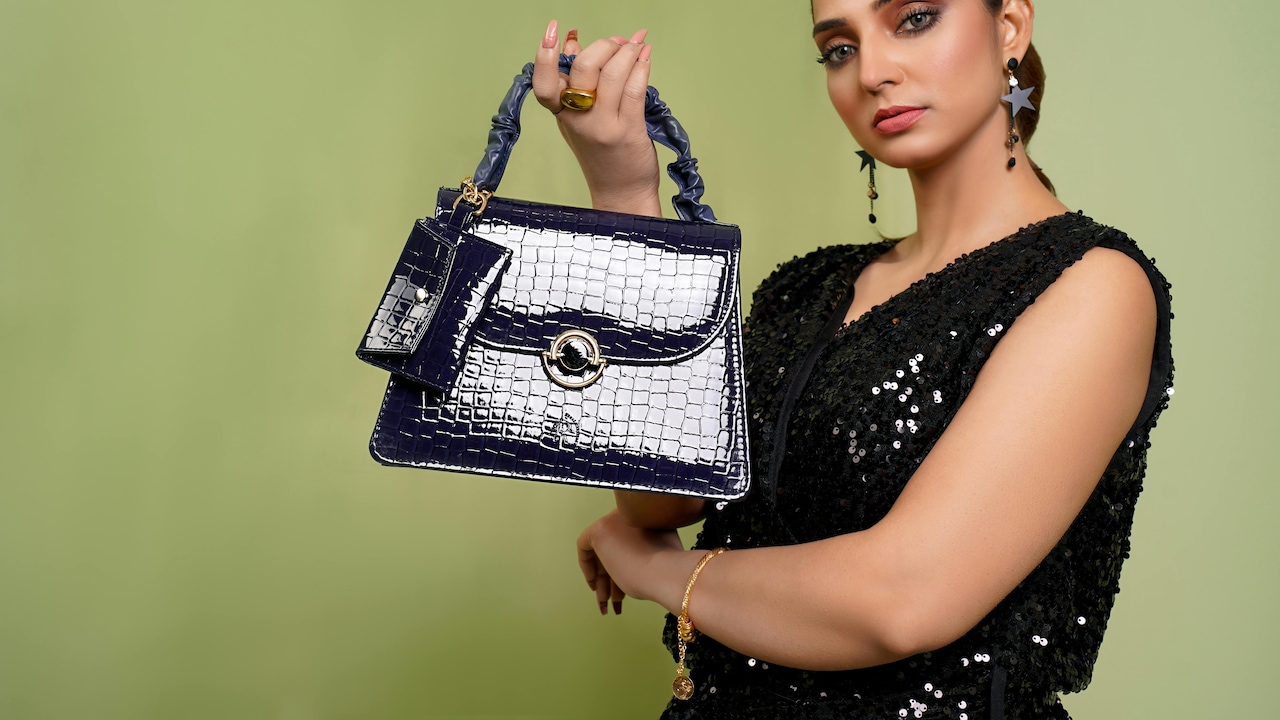
Why Your Handbag Loses Shape Quickly And The Material That Keeps It Firm
A new handbag carries a certain charm. Crisp edges, a confident silhouette, and that quiet promise of staying “put together” no matter how chaotic the day becomes. Yet, within a few months, many bags start to sag, fold, and lose their personality. The once-proud structure softens into something less defined, almost tired. It is a familiar disappointment, especially after spending a fair amount, sometimes ₹3,000 or more, on what seemed like a long-term companion.
This gradual loss of shape is not random. It stems from a mix of material choices, daily habits, and environmental factors that often go unnoticed. Understanding these reasons not only helps in preserving current bags but also guides smarter buying decisions in the future. After all, a handbag is not just an accessory; it quietly reflects personal style, routine, and even mood.
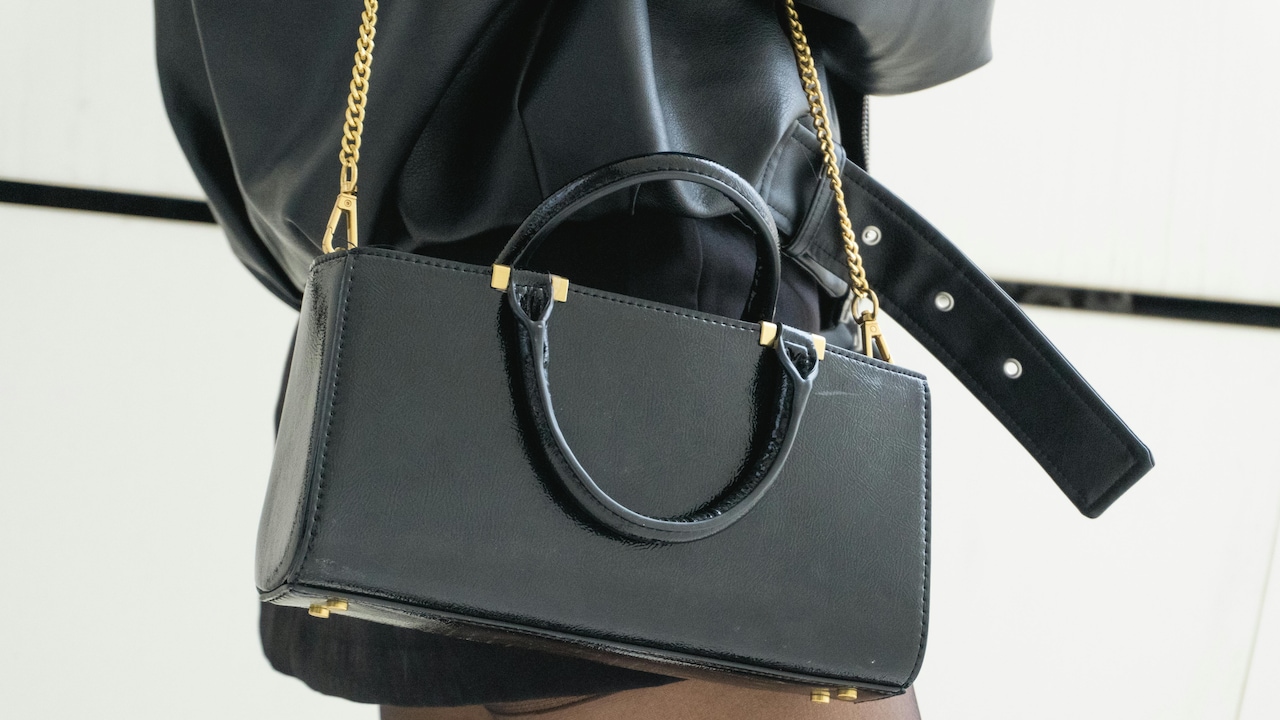
Why Your Handbag Loses Shape Quickly, And The Material That Keeps It Firm; Photo Credit: Pexels
What Really Causes Your Handbag To Lose Shape So Quickly
The Hidden Impact Of Everyday Overloading
Most handbags are designed with a certain weight capacity in mind, yet daily use often stretches those limits. A typical day involves carrying a wallet, phone, keys, charger, makeup pouch, water bottle, and sometimes even a small tiffin. The cumulative weight presses against the bag's structure, especially at the base and corners. Over time, this constant strain weakens the internal support, causing the bag to sag.
This effect becomes more pronounced in softer materials like faux leather or fabric blends. These materials lack the internal rigidity needed to bounce back after being stretched. The bag starts to bulge at the bottom, creating an uneven silhouette. What once looked structured now appears distorted.
The problem rarely feels urgent in the beginning. The change happens gradually, almost unnoticed. But one day, the bag simply stops holding its shape. The lesson here is simple: a handbag is not a storage unit. Respecting its limits goes a long way in preserving its form.
Also Read: 7 Best Handbags for Women: Must-Haves that Elevate Any Outfit, From Puma to Van Heusen
Why Low-Quality Leather Fails Faster
Not all leather is created equal, and this truth often gets overlooked in the excitement of a good deal. Lower-grade leather, often marketed attractively, tends to lose shape much faster. It lacks the density and fibre strength found in full-grain or top-grain leather.
Cheaper leather undergoes heavy processing to mask imperfections. While this gives it a uniform appearance, it also strips away natural strength. As a result, the material becomes prone to creasing, stretching, and sagging. Within months, the bag starts to look worn out, even if handled with care.
In contrast, high-quality leather develops character over time. It may soften slightly, but it does not collapse. Instead, it retains structure while gaining a subtle patina that enhances its appeal. Spending ₹5,000 on a good leather bag often proves more economical than replacing a ₹2,000 bag every few months. The difference lies not just in appearance but in longevity.
The Role Of Poor Internal Structure
A handbag's external material tells only half the story. The internal structure plays an equally important role in maintaining shape. Many affordable bags cut corners by skipping reinforced linings or sturdy base panels.
Without proper internal support, the bag depends entirely on the outer material to hold its form. This creates a fragile setup. As soon as weight is added, the structure begins to weaken. The base may start to dip, and the sides lose their firmness.
Well-constructed bags include features like reinforced bottoms, layered linings, and structured compartments. These elements distribute weight evenly and prevent distortion. Even after months of use, the bag maintains its silhouette.
Ignoring internal construction is like judging a building only by its paint. It may look appealing at first, but without a strong foundation, it cannot stand the test of time.
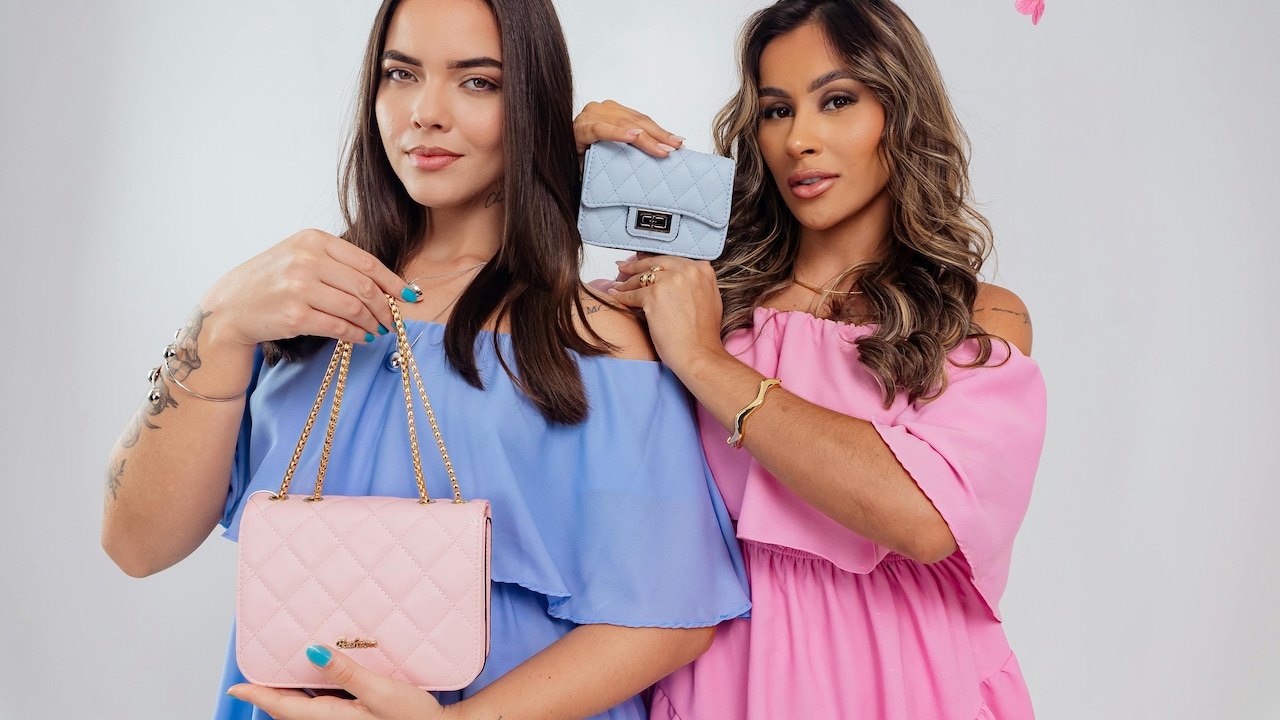
Why Your Handbag Loses Shape Quickly, And The Material That Keeps It Firm; Photo Credit: Pexels
Humidity And Weather Take A Toll
Climate plays a silent yet powerful role in shaping a handbag's lifespan. High humidity levels can soften materials, especially leather and synthetic blends. The moisture in the air seeps into the fibres, making them more pliable and less resistant to pressure.
During monsoon months, this effect becomes even more noticeable. Bags stored in closed spaces absorb moisture, leading to subtle warping. The structure weakens, and the bag loses its crisp form.
On the other hand, excessive heat can dry out materials, causing cracks and stiffness. This imbalance between moisture and dryness disrupts the bag's structural integrity.
Proper storage becomes crucial in such conditions. Keeping bags in breathable dust covers and avoiding damp areas helps maintain their shape. A small step like this can make a noticeable difference in how long a handbag retains its original form.
The Problem With Soft Synthetic Materials
Synthetic materials offer affordability and variety, but they often lack durability. Bags made from soft polyurethane or similar materials tend to lose shape quickly. These materials do not have the natural resilience required to recover from daily stress.
Initially, they feel flexible and lightweight, which makes them appealing. However, this flexibility comes at a cost. Over time, the bag starts to droop, especially around the handles and base.
The issue lies in the material's inability to “remember” its original shape. Once stretched, it rarely returns to form. This leads to permanent deformation.
While synthetic bags serve well for occasional use, relying on them for everyday wear often results in quicker wear and tear. Choosing structured materials, even within synthetic options, can help extend the bag's lifespan.
How Storage Habits Shape The Shape
A handbag's life does not pause when it is not in use. Improper storage can quietly undo months of careful handling. Many bags get stuffed into cupboards, folded awkwardly, or piled under other items.
This kind of storage creates pressure points that distort the bag's structure. The sides may collapse, and the base loses its firmness. Over time, these changes become permanent.
Proper storage involves simple habits. Keeping the bag upright, filling it lightly with paper to maintain shape, and avoiding overcrowded spaces can make a significant difference.
It may seem like extra effort, but preserving a ₹4,000 handbag with a few minutes of care feels far more satisfying than replacing it prematurely. A little attention during storage ensures the bag remains as elegant as it was on day one.
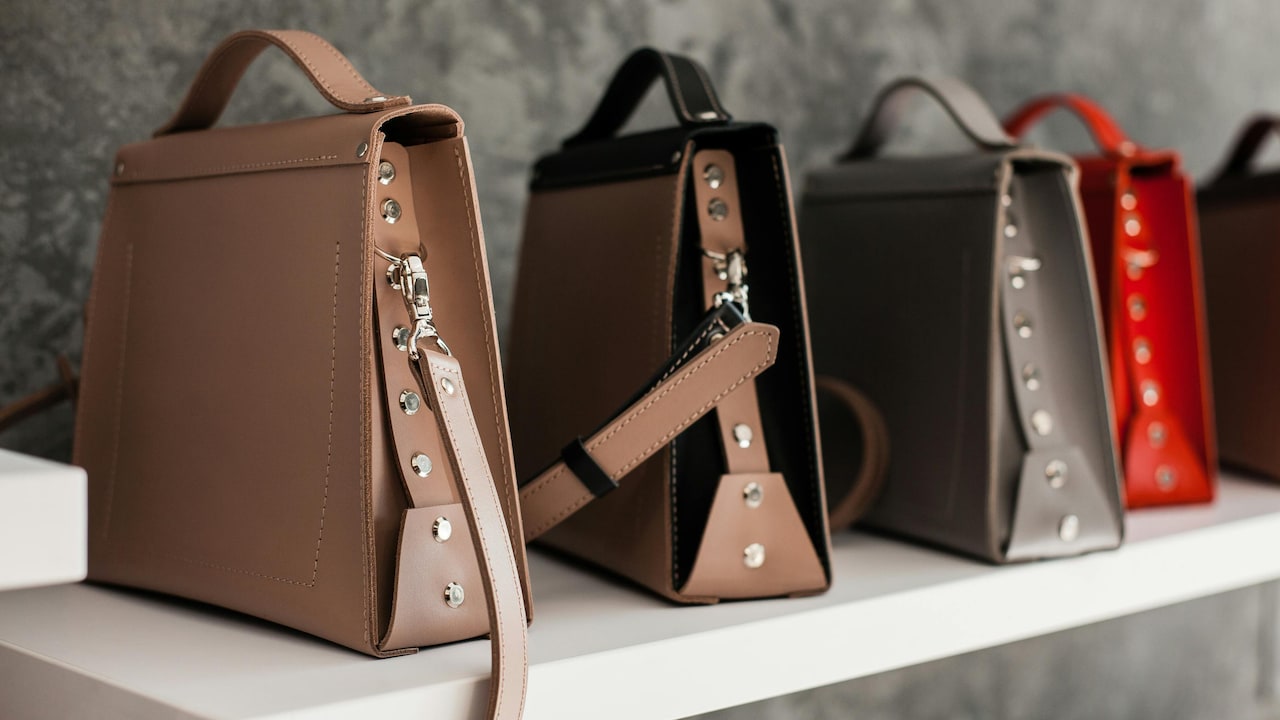
Why Your Handbag Loses Shape Quickly And The Material That Keeps It Firm; Photo Credit: Pexels
Handles And Straps Bear The Brunt
Handles often reveal the first signs of a handbag losing shape. They carry the full weight of the bag and face constant movement. Over time, they begin to stretch, especially if made from weaker materials.
As the handles elongate, they alter the bag's overall structure. The opening widens, and the body starts to sag. This creates a domino effect where one weak point affects the entire design.
Stronger materials like reinforced leather or thick canvas handles perform better under stress. They maintain their form and support the bag's structure more effectively.
Paying attention to handling quality during purchase can prevent future disappointment. After all, a handbag is only as strong as the parts that carry it.
The Importance Of Base Support
The base of a handbag acts as its foundation. Without proper support, the entire structure becomes unstable. Many bags lack a reinforced base, which leads to sagging within months.
A strong base distributes weight evenly and prevents the bag from collapsing. It also protects the contents from shifting awkwardly, which can further distort the shape.
Bags with metal feet or thick base panels tend to retain their structure longer. These features may seem minor, but they play a crucial role in durability.
Ignoring the base is like ignoring the roots of a tree. Without a solid foundation, the rest cannot stand tall for long.
Why Structured Materials Make A Difference
Structured materials, such as full-grain leather or high-quality treated canvas, offer a clear advantage. They resist deformation and maintain their shape even under regular use.
These materials have a natural firmness that supports the bag's design. Unlike softer alternatives, they do not collapse easily. Instead, they hold their silhouette with quiet confidence.
Investing in such materials often means a higher upfront cost. However, the longevity they offer makes them a smarter choice in the long run.
A well-structured handbag does not just look better; it feels reliable. It carries not only belongings but also a sense of assurance that it will not lose its charm anytime soon.
The Material That Holds Structure Longer
Among all options, full-grain leather stands out as the most reliable material for maintaining structure. It retains the natural grain and strength of the hide, making it highly durable.
Unlike processed leather, full-grain leather does not weaken over time. It adapts without losing form, striking a balance between flexibility and firmness. Even after years of use, it holds its shape remarkably well.
High-quality canvas with reinforced backing also performs admirably. It offers structure without the weight of leather, making it suitable for everyday use.
Choosing the right material transforms a handbag from a short-term accessory into a lasting companion. It is not just about aesthetics but about enduring quality.
Products Related To This Article
1. LAVIE Women White Satchel
2. Fastrack Women Purple Shoulder Bag - Regular Size
3. STORITE Women Brown Handbag
4. Fargo Women Brown Hand-held Bag
5. LAVIE Women Blue Satchel
A handbag collection losing its shape is rarely a mystery. It is the result of daily habits, material choices, and environmental factors working together over time. While some wear is inevitable, much of it can be prevented with informed decisions and mindful care.
Understanding what goes into a handbag's structure helps in choosing better and maintaining it longer. A well-made bag does more than carry essentials; it carries consistency, reliability, and style.
In the end, the difference lies not in how often a handbag gets used, but in how well it is made and cared for. A thoughtful choice today ensures that months later, the bag still looks as confident as it did on the first day out.
(Disclaimer: This article may include references to or features of products and services made available through affiliate marketing campaigns. NDTV Convergence Limited (“NDTV”) strives to maintain editorial independence while participating in such campaigns. NDTV does not assume responsibility for the performance or claims of any featured products or services.)