How Watches Became A Major Status Symbol In India Today
India's growing love for watches says more than the time. It reflects ambition, identity, emotion, and the quiet thrill of owning something that feels unmistakably personal.
How Watches Became A Major Status Symbol In India Today
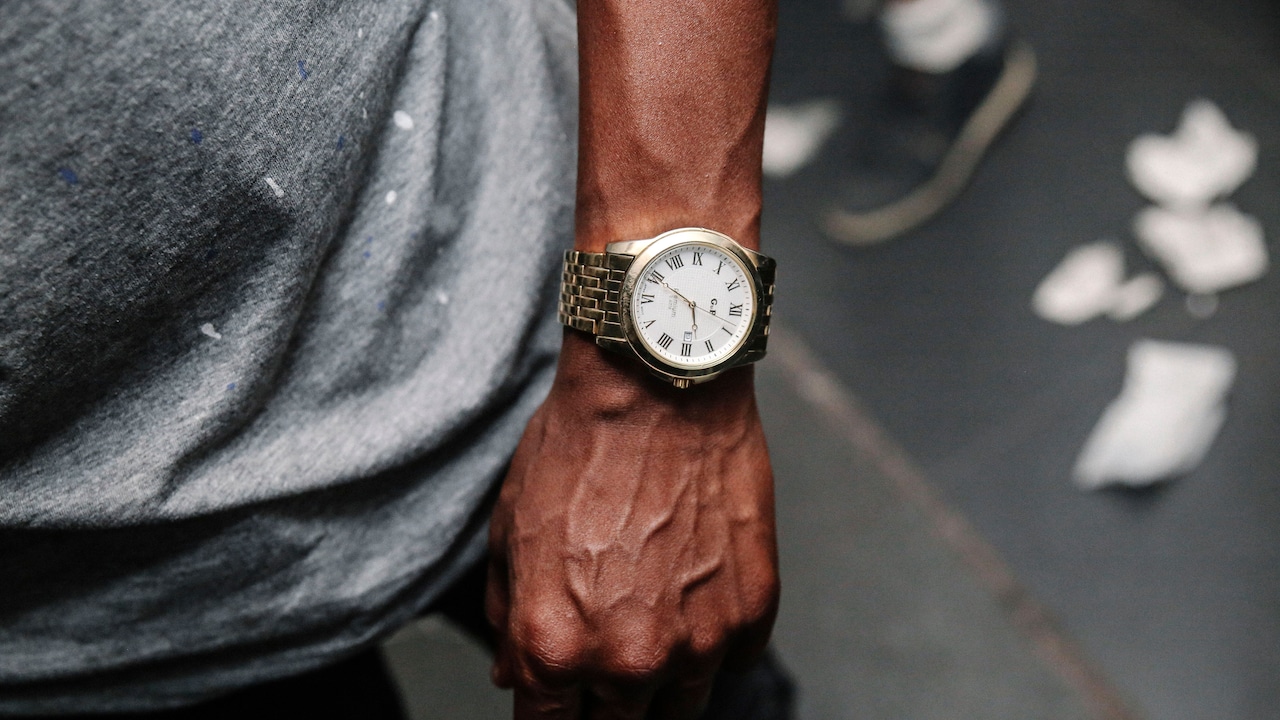
India's relationship with watches has shifted dramatically over the last two decades, evolving from simple timekeeping tools into powerful expressions of personal identity and financial aspiration. As incomes rise and global brands enter the market, people increasingly view wristwatches as statements that blend style, heritage, and subtle sophistication. The modern Indian buyer cares about craftsmanship and the story behind a timepiece as much as its appearance. This emotional shift has quietly transformed watch-wearing into an unspoken marker of presence, confidence, and upward mobility, especially in urban centres.
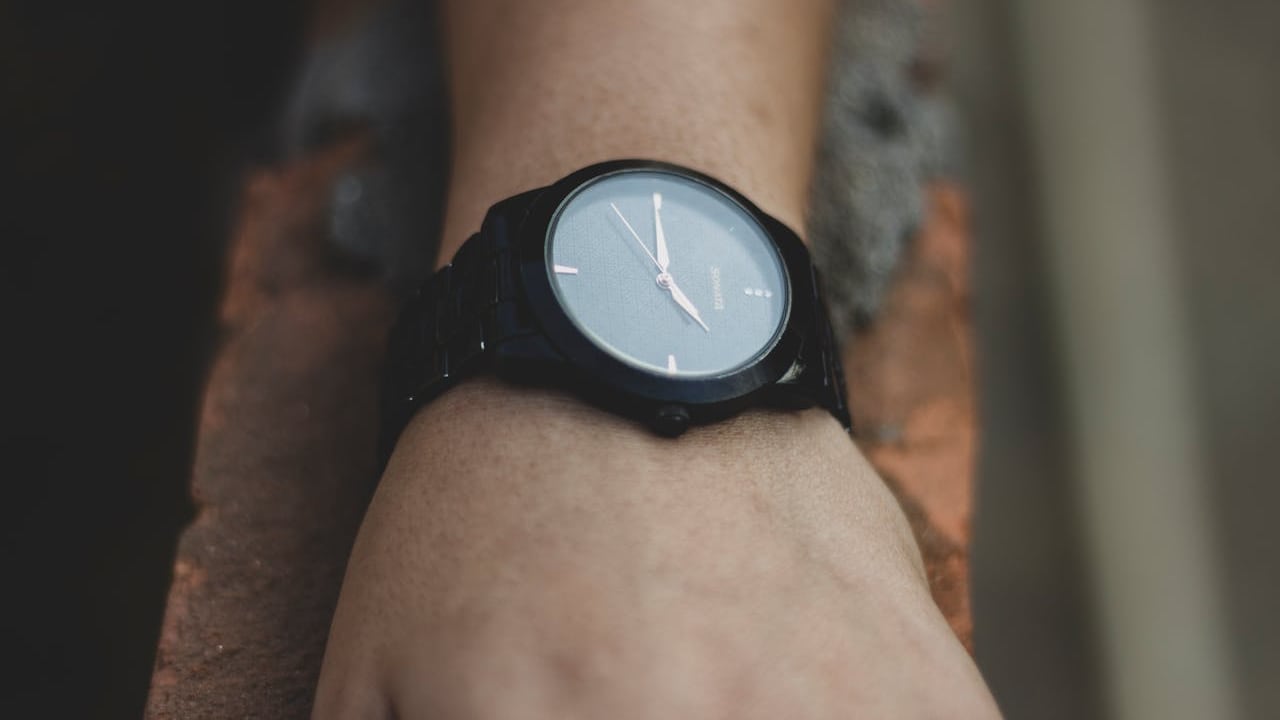
Why Timepieces Tell Bigger Stories Today.
Photo Credit: Pexels
What makes this transformation truly intriguing is how deeply it reflects broader cultural changes across India. From professionals who see watches as markers of success to young consumers discovering the charm of mechanical movements, each segment contributes to a growing watch culture. Influencers, celebrities, and global collaborations also play their part, shaping tastes in surprising ways. With accessibility improving through online retail, premium outlets, and pre-owned marketplaces, watches have become less about utility and more about aspiration. Understanding this evolution reveals the shifting priorities of a fast-modernising nation.
Rising Affluence And Changing Lifestyles
India's expanding middle class has played a defining role in elevating watches to status symbols. As disposable incomes rise and young professionals enter higher-paying industries, spending on lifestyle products naturally grows. Watches fit neatly into this shift because they balance function with aesthetics, offering a visible yet tasteful expression of personal achievement. Moreover, as urban lifestyles become busier and more socially dynamic, people tend to seek accessories that blend practicality with sophistication. The modern Indian consumer often desires objects that communicate ambition without overt display, and a well-chosen timepiece achieves exactly that. This subtle mix of practicality and prestige has helped watches gain cultural and emotional relevance.
Also Read: Expert Watch Picks: Top 10 Unisex Watch From Tissot For Timeless Style In 2025
Influence Of Global Brands And Local Aspirations
The arrival and aggressive expansion of global watch brands in India have significantly shaped tastes, habits, and perceptions. International names such as Fossil, Tissot, Seiko, and Rolex have entered the market with strong brand narratives that appeal to different consumer groups. Their advertising highlights craftsmanship, heritage, and lifestyle, which resonates with Indians seeking products that feel globally relevant. At the same time, established Indian brands like Titan have elevated their positioning to compete with these international players by introducing premium lines and heritage-inspired collections. The coexistence of local confidence and global aspiration has created a vibrant, competitive marketplace where watches naturally symbolise success and cultural openness.
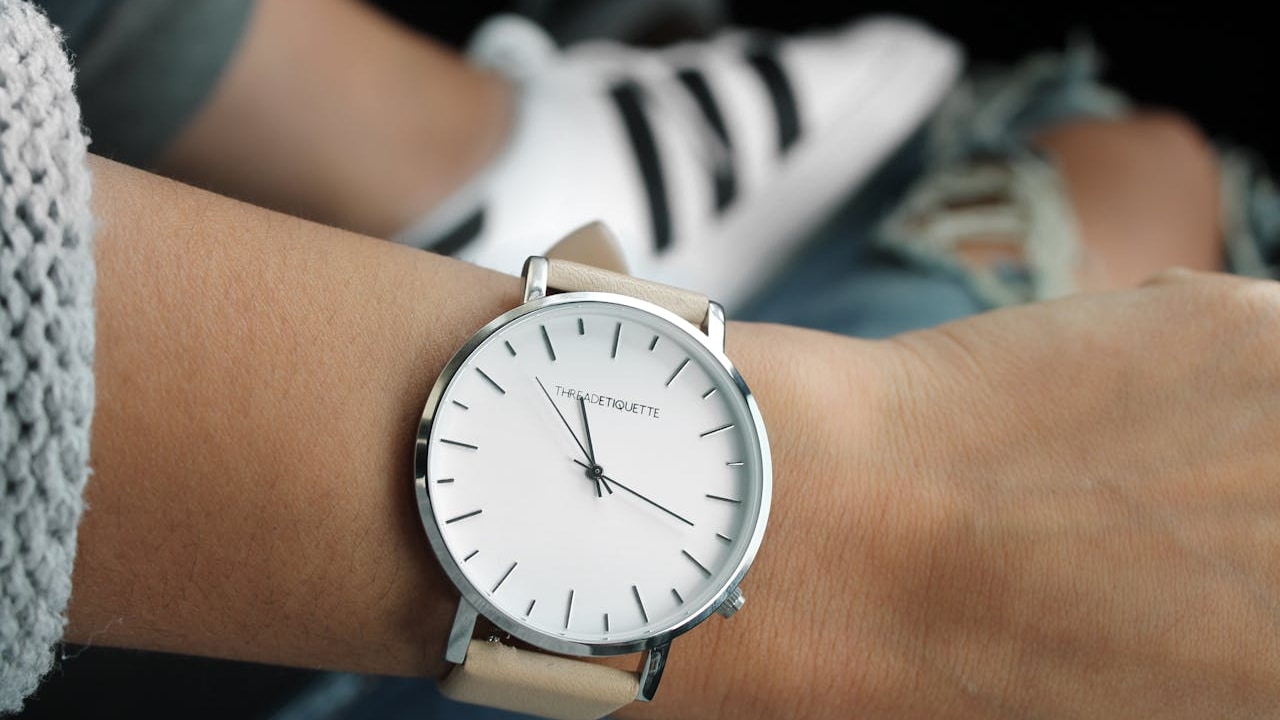
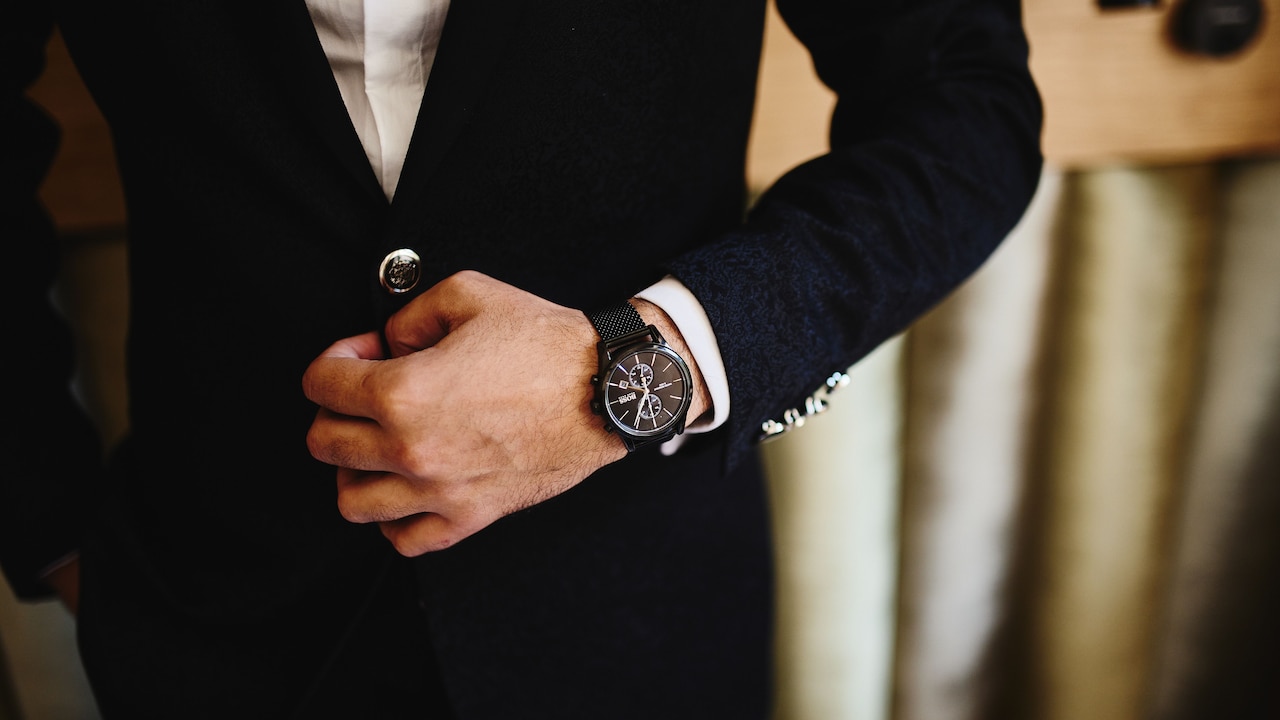
The Watch Boom That Signals A New India.
Photo Credit: Pexels
The Power Of Celebrity Culture And Digital Influence
Indian celebrities, influencers, and sports stars have reshaped how watches are perceived, especially among younger buyers. When an actor is spotted wearing a premium chronograph or a cricketer endorses a luxury brand, it creates instant buzz and curiosity. Social media amplifies these moments, making watches more aspirational and accessible, at least visually. For many consumers, seeing their favourite personalities showcase specific models offers both inspiration and validation. Additionally, content creators now produce detailed watch reviews, unboxings, and style guides, making education easier for first-time buyers. This digital exposure fuels enthusiasm and contributes to a culture where timepieces symbolise lifestyle choices rather than simple accessories.
Also Read: Watches That Look Great On Broad Wrists: Affordable Picks For Men Who Prefer Bigger Dials
The Emergence Of Smartwatches And Hybrid Preferences
While traditional watches continue to hold prestige, smartwatches have dramatically altered purchasing behaviour in India. These devices combine health tracking, connectivity, and sleek design, attracting tech-savvy consumers who want more than aesthetics. Yet interestingly, smartwatches have not replaced classic analog timepieces. Instead, they coexist, often prompting people to own multiple watches for different occasions. A smartwatch may serve daily routines, whereas a traditional watch is chosen for meetings, events, and social occasions that call for subtle elegance. This dual preference reflects evolving consumer priorities and reinforces the overall cultural importance of watches across generations.
The Emotional And Symbolic Value Of Timepieces
Beyond financial or aesthetic considerations, watches hold deep emotional resonance for many Indians. They are gifted during milestones such as graduations, anniversaries, and promotions, symbolising time, progress, and hope. Families may pass watches across generations, turning them into heirlooms that carry stories and memories. For young adults embarking on careers, a first watch often marks independence and identity. This emotional layering elevates watches from simple accessories to objects with lasting significance. Even as trends evolve, this sentimental value ensures that watches retain their place in Indian culture as thoughtful, meaningful, and enduring markers of personal journeys.
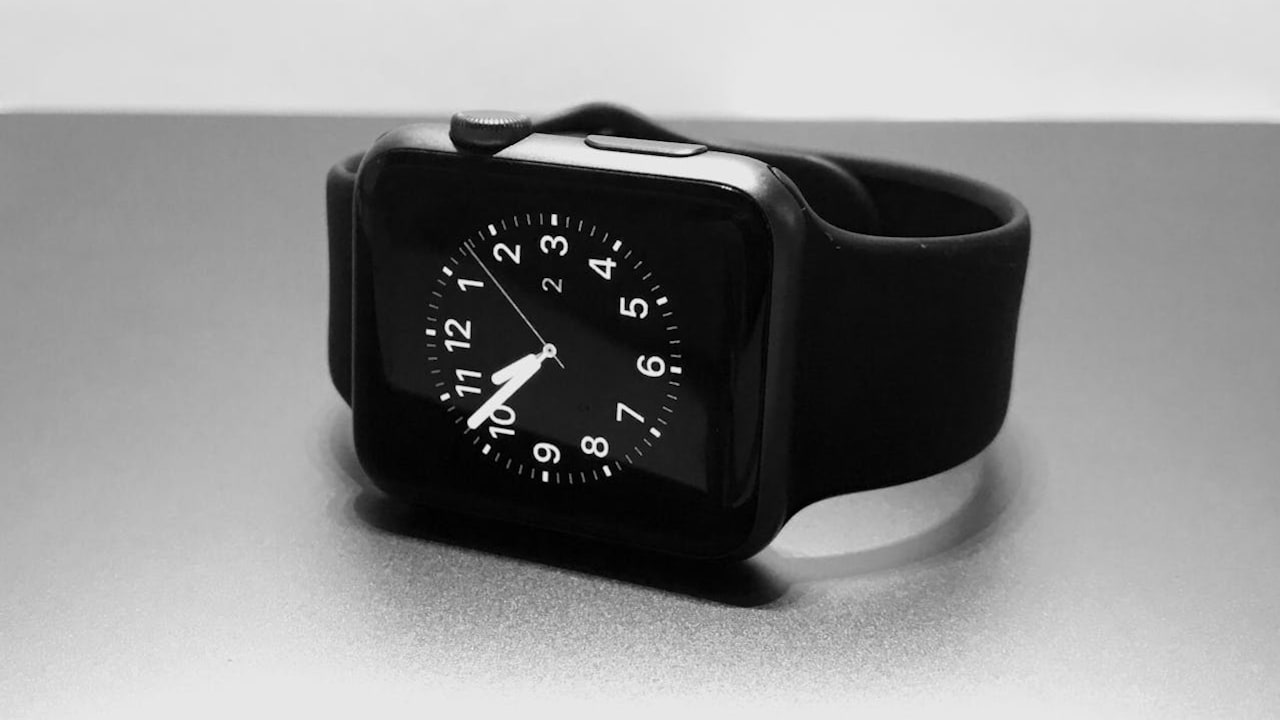
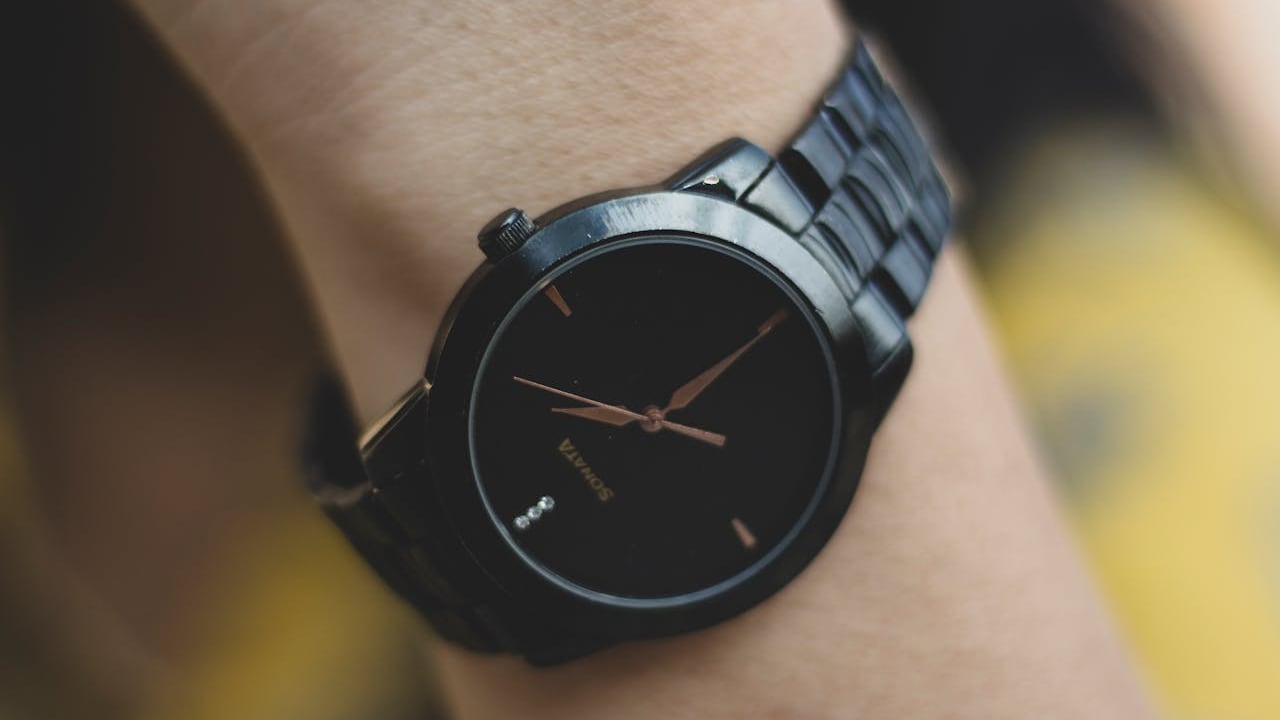
India Now Wears Ambition On Its Wrist
Photo Credit: Pexels
The rise of watches as status symbols in India reflects a blend of cultural evolution, economic growth, and personal aspiration. Whether chosen for craftsmanship, technology, or emotional value, timepieces now serve as expressions of identity and ambition. As global brands expand and Indian consumers become more discerning, the watch market will continue to flourish across price points. What ultimately makes watches special is their ability to remain personal, timeless, and versatile, carrying both function and sentiment. In a fast-changing nation, wearing a watch is no longer just about keeping time. It is about celebrating one's story.
Best Timepieces To Shop Now
1. Fossil Virginia Rose Gold Watch ES3716
2. Titan Raga Showstopper 2.0 Quartz Green Dial Watch for Women-95301YM01
3. Titan Raga Showstopper Quartz Analog Rose Gold Dial Rose Gold Metal Strap Watch for Women - NS95283WM01
4. Titan Quartz Analog with Day and Date Silver Dial Metal Strap Watch for Women-NS2601WM01/NT2601WM01
5. Fossil Analog Gold Dial Women's Watch - ES2811
6. Fossil Modern Courier Analog Red Dial and Band Women's Stainless Steel Watch-BQ3281
7. Titan Raga Showstopper Quartz Analog Mother of Pearl Dial Metal Strap Watch for Women-NS95272WM01
8. Fossil Gwen Analogue Women's Watch (Gold Dial Womens Standard Colored)-Es4879 Gold Plated, Gold Strap - Gold-Plated
9. Titan Karishma Analog Champagne Dial Women's Watch -NM2598YM01 / NL2598YM01
10. Fastrack Vyb Diva with Quartz Analog Pink Dial Rose Gold Alloy with Enamel Fill Strap Watch for Girls - FV60117WM01W
Frequently Asked Questions (FAQs)
Q1. Why are watches becoming more popular in India today?
Watches are gaining popularity because they combine style, aspiration, and practicality in a single accessory. With rising incomes and exposure to global trends, consumers see them as subtle markers of personal success. The growing influence of celebrities and digital content has also added to the appeal.
Q2. Are luxury watches worth buying for Indian consumers?
Luxury watches offer craftsmanship, long-term durability, and strong brand value. For buyers who treat them as investments or heirlooms, they can be meaningful purchases. However, value often depends on personal preference and lifestyle.
Q3. How have smartwatches changed watch-buying habits?
Smartwatches have introduced technology-driven priorities like fitness tracking and connectivity. They appeal to younger and tech-focused buyers while complementing, not replacing, traditional watches. Many people now own both categories for different purposes.
Q4. Do Indian brands compete well with global watchmakers?
Indian brands like Titan and Fastrack have built strong reputations for quality and design. While global brands carry heritage appeal, Indian brands offer excellent value and increasingly sophisticated styling. This balance keeps the market diverse and competitive.
Q5. What factors should someone consider before buying a watch?
Buyers should evaluate purpose, budget, design, and durability before choosing a model. It also helps to consider movement type, brand reputation, and comfort on the wrist. Ultimately, a watch should feel personal and match one's lifestyle.
(Disclaimer: This article may include references to or features of products and services made available through affiliate marketing campaigns. NDTV Convergence Limited (“NDTV”) strives to maintain editorial independence while participating in such campaigns. NDTV does not assume responsibility for the performance or claims of any featured products or services.)