What Should A Groom's Brother Wear To Each Wedding Function
Wondering what a groom’s brother should wear to each wedding function? Get outfit ideas for mehndi, haldi, sangeet, the wedding day and the reception in one guide.
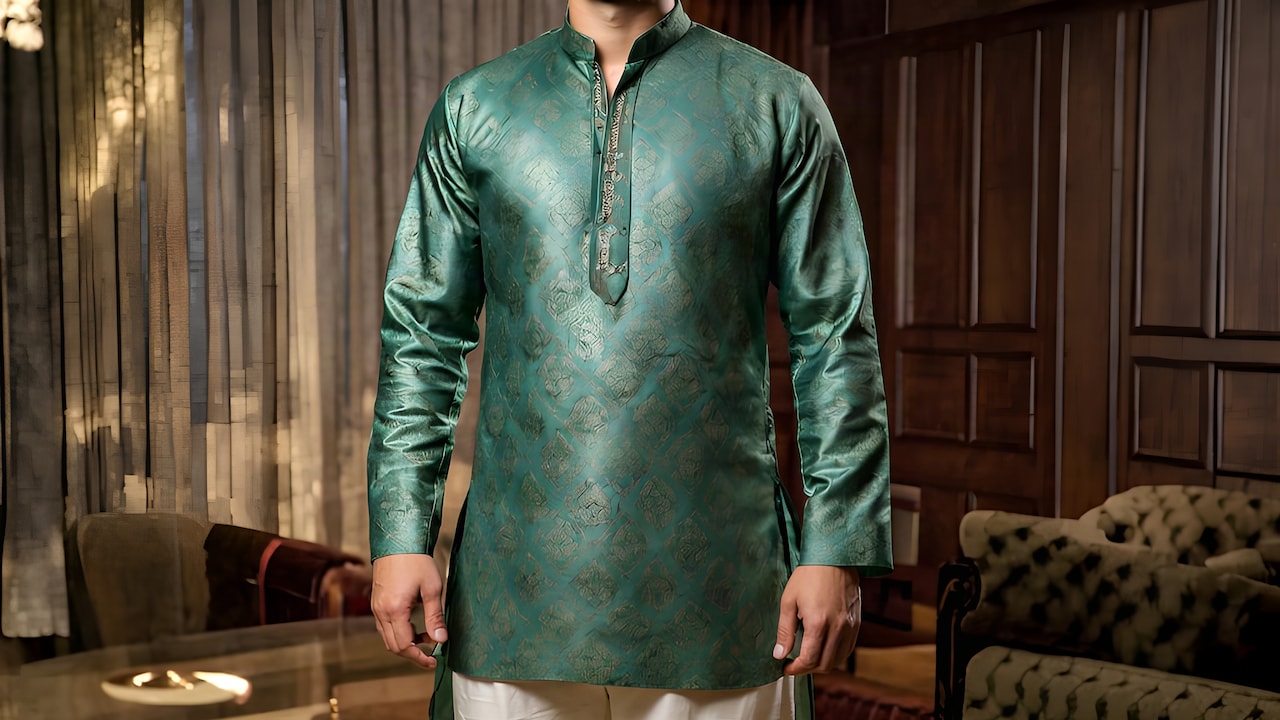
What Should A Groom's Brother Wear To Each Wedding Function
As the brother of the groom, you're in a weird place at a wedding. People notice what you wear and your family, but the day belongs to your brother, so you can't outshine him either. Add a few functions over 3 or 4 days, and the outfit planning is tiring fast. The good news is that it is easier than it sounds. Each event has its own mood, colour and dress code, and once these things are known, it is easy to choose. Here's how to dress well, without stealing the show entirely. Most brothers are worried about two things. Looking too plain and looking too loud. If you plan, that's not a problem. Discuss the groom's colour scheme. Check out the rest of the family's attire. Book your tailor well ahead of time. A little outfit coordination is a long way, and it saves you from panic shopping the week before!
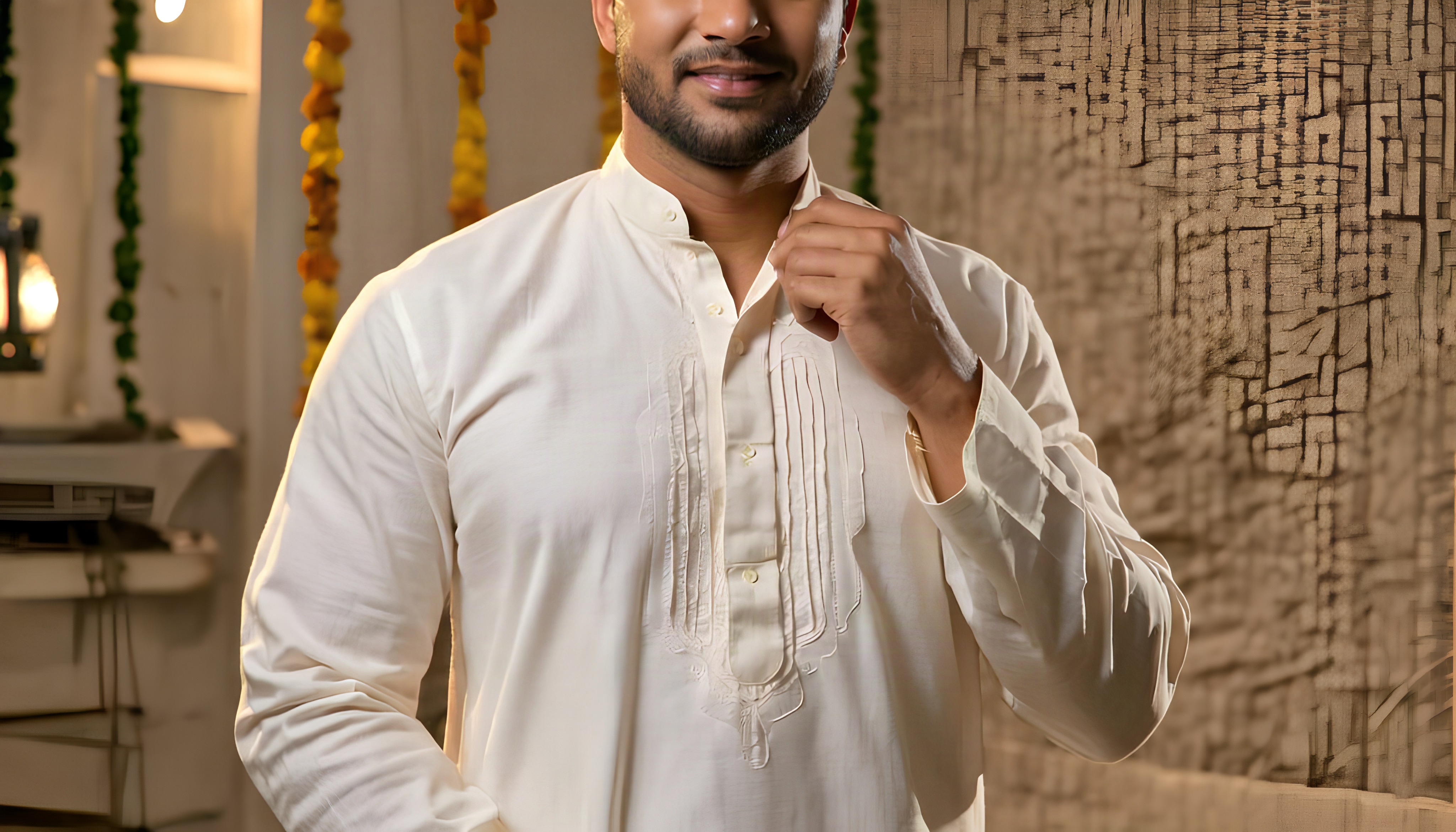
The Basic Rule For A Groom's Brother; Photo Credit: iStock
The Basic Rule For A Groom's Brother
The rule is simple: look sharp, but sit just a step below the groom. Stick to outfits in the same colour family as the wedding theme, keep your embroidery lighter than his, and choose fabrics suited to the weather. Make sure that comfort and fit are as important as the look.
Also Read: Top 5 Ethnic Jackets For Men To Dress Up A Festive Kurta Under ₹2,000
What To Wear For Pre-Wedding Functions
1. Mehndi
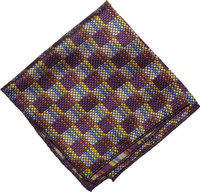
Mehndi is casual and colourful so you can have some fun here. A short kurta in mint, peach or pastel yellow with white churidar or straight pyjamas looks fresh and gives you nice photographs. Cotton or linen blends keep you cool in the afternoon. Skip the hard work and let a simple printed pocket square or light Nehru jacket add the extra detail.
2. Haldi
Haldi is messy, so wear something you don't mind ruining. Yellow is the obvious choice, but white or cream kurta also looks good because the turmeric stands out against them. Pick soft cotton and avoid silk altogether, as stains seldom come out of it. Wear old, comfortable sandals or flip-flops and carry a spare change of clothes for the next function.
3. Sangeet
Sangeet gives you the chance to dress up a bit. For the evening, a bandhgala jacket over a plain kurta or an Indo-western in navy, wine or deep green works well. You will likely be dancing, so choose a fit that allows you to move freely. A subtle brooch can lift the look without trying too hard, and satin or raw silk works well under the stage lights.
What To Wear On The Wedding Day
1. Baraat And Ceremony
This is the big day, so stick with a classic look. A well-fitted sherwani or a silk kurta with a matching jacket in ivory, beige, dusty rose or muted gold looks lovely. The embroidery should be subtle compared to the outfit of the groom. If you are getting married outdoors in the summer months, choose a light fabric and make sure it has a good lining so you stay comfortable during the rituals and the long photo sessions.
2. Footwear
Shoes are easy to forget until the morning. Mojaris or leather juttis in tan, gold or brown embroidery are ideal for most traditional outfits. Break them in a few weeks earlier, or you'll have blisters before the first ritual. Polished leather loafers also go with a sherwani. Sneakers or formal lace-ups, unless specified in the dress code, are a no-no.
3. Accessories
Small details complete the outfit. Usually a matching stole or dupatta, a simple pocket square, cufflinks and a classic watch are perfectly adequate enough. If you want a pagdi, check with the groom first, as he may want to be the only one wearing it. Keep jewellery to a minimum, perhaps just one ring or a thin chain, so that nothing distracts from the main outfit.
Reception And Evening Looks
1. Reception
The reception is generally the most formal of all the evenings. A well-cut charcoal, midnight blue or black suit or tuxedo, with a crisp white shirt and tie or bow tie, is a safe choice. A velvet bandhgala or a long achkan works just as well, if that's what the couple wants. Make sure the trousers are tailored properly, because fit is everything here.
2. Colours To Avoid
Some shades are best avoided. If the bride is wearing ivory, avoid wearing bright white to the wedding and the same colour as the groom. Many families steer clear of Black for daytime ceremonies, so it's best to ask. Finally, steer clear of neon colours and large sequins, as they can distract from the couple in the photos.
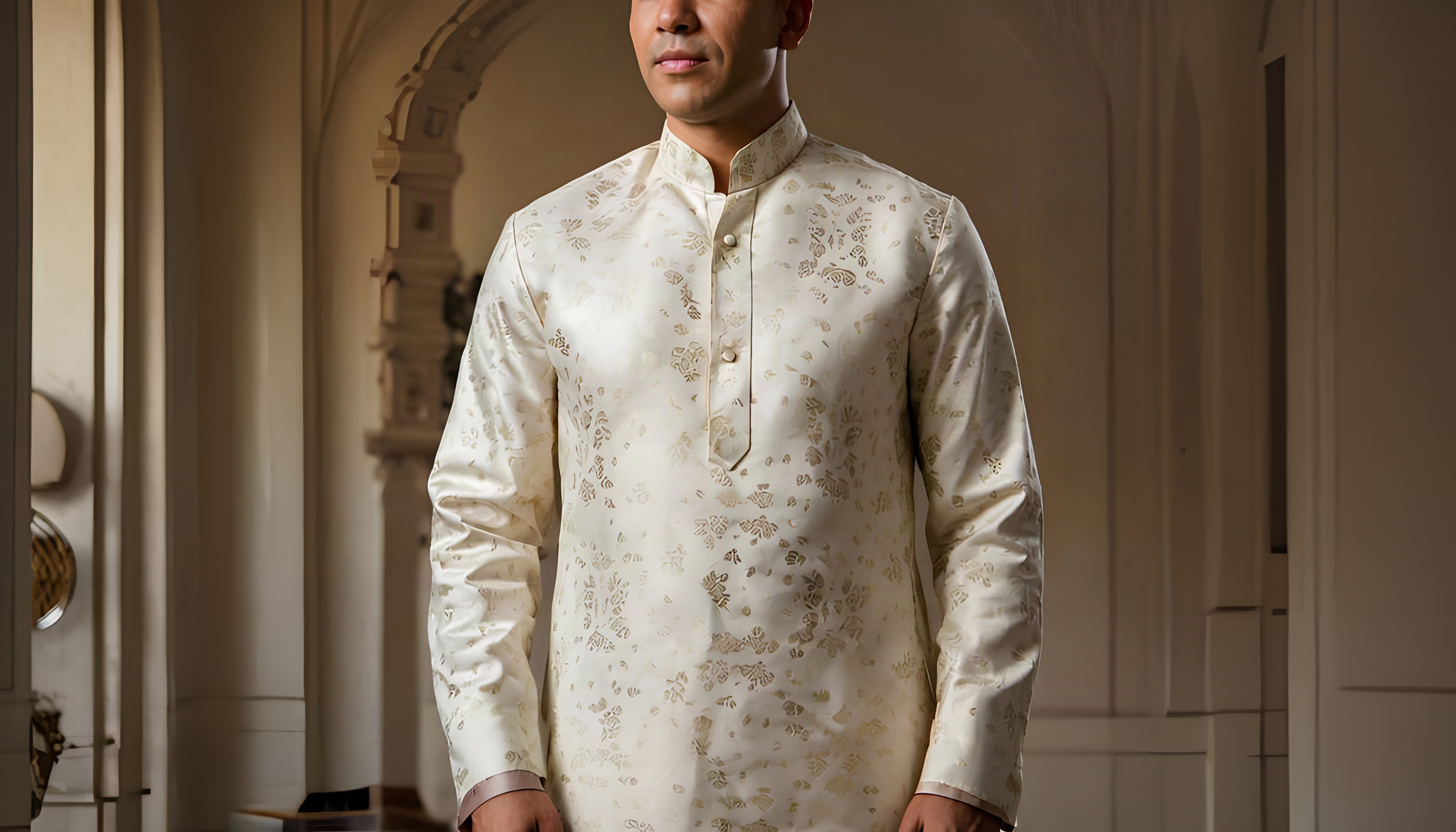
Some Products You May Like to Buy; Photo Credit: iStock
Some Products You May Like to Buy
1. DEELMO Men's Full Sleeve Short Kurta Shirt
2. Ethluxis Men's Kurta Churidar Pyjama
3. Amzira Men's Cotton Silk Printed Sherwani Set
4. Modern Garments Store: Men's Silk Blend Solid Kurta Dhoti Set
5. Zartha Store Men's Solid Cotton Regular Fit Full Sleeve Collared Neck Casual Shirt
6. Trustous Men's Pure Cotton Kurta Dhoti Set
7. Shvaas By Vastramay Men's Cream Cotton Printed Jacket
8. Manyavar Men's Art Silk Blend Jacquard Kurta Set
The groom's brother should dress smartly yet comfortably for every function, balancing tradition with modern style. From vibrant kurtas for haldi to elegant sherwanis for the wedding, each outfit should complement the groom without overshadowing him. The right colours, a perfect fit, and confident styling will ensure a polished look. Shop now on Amazon.
Frequently Asked Questions (FAQs)
1. Can the groom's brother wear a sherwani?
Yes, but keep it simpler than the groom's. Choose a lighter shade or less embroidery so he stands out.
2. Should I match the groom's outfit colour?
Match the palette, not the exact outfit. Coordinated tones look good in photographs, while identical colours can create confusion.
3. What if the invitation mentions a dress code?
Follow it first, then add your own touches through accessories and fabric. If you are unsure, ask the family.
4. When should I start shopping?
Ideally, two to three months ahead, which leaves time for fittings and any alterations.
5. Can I wear a suit on the wedding day?
It depends on the family and the theme. Traditional ceremonies usually call for ethnic wear, while a suit works better at the reception.
(Disclaimer: This article may include references to or features of products and services made available through affiliate marketing campaigns. NDTV Convergence Limited (“NDTV”) strives to maintain editorial independence while participating in such campaigns. NDTV does not assume responsibility for the performance or claims of any featured products or services.)