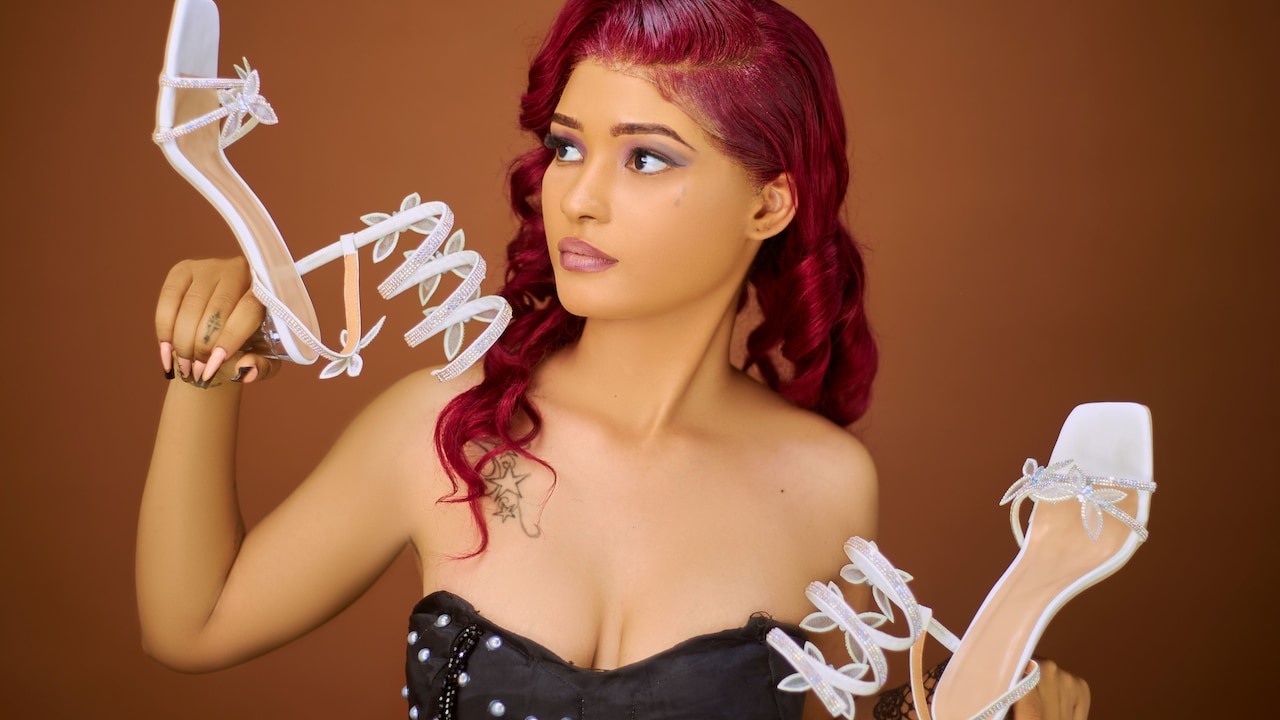
10 Reasons Bomber Jackets Look Bulky Even When The Size Is Right
Does your bomber jacket look bulky despite fitting perfectly? Discover 10 common reasons behind the extra volume and simple styling tricks to create a more balanced silhouette.
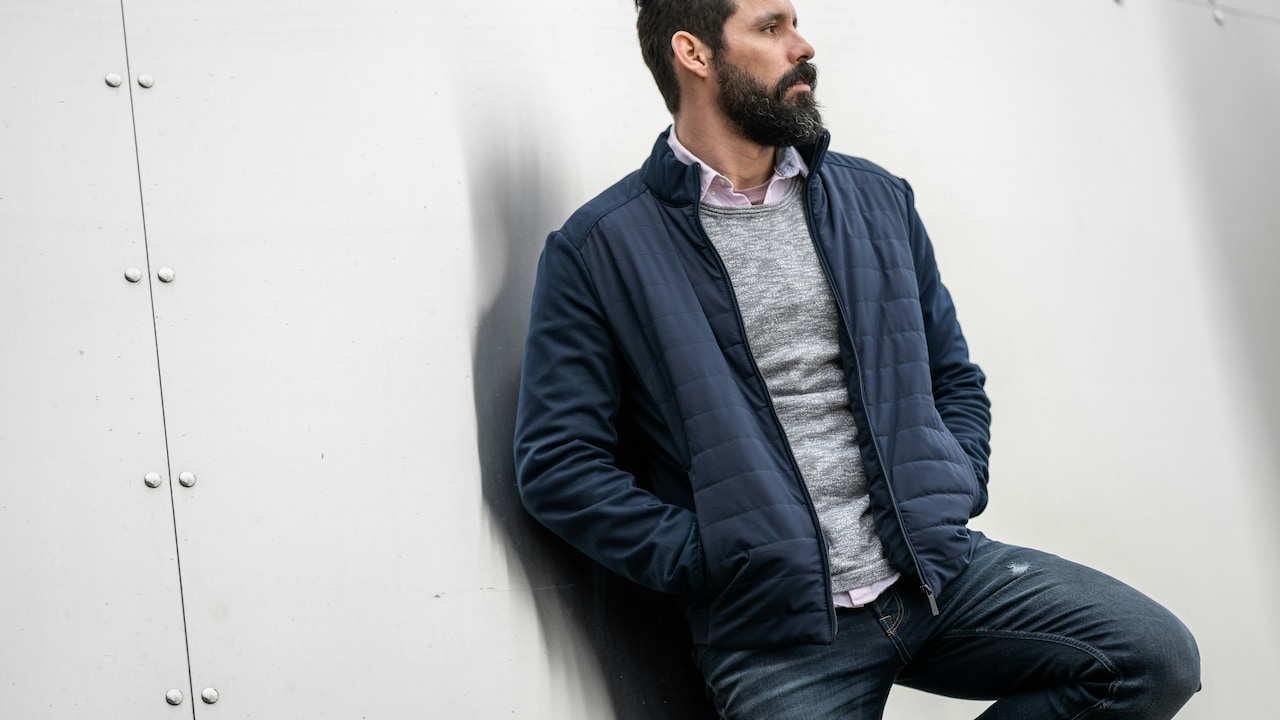
10 Reasons Your Bomber Jacket Looks Bulky Even When It Fits Perfectly
Bomber jackets have a certain effortless charm. Throw one over a plain T-shirt, pair it with denim jeans, and suddenly an ordinary outfit looks more put-together. Their sporty shape, comfortable fit, and versatile designs make them a popular choice for casual outings, weekend plans, and cooler evenings. Yet there's one problem that often leaves people second-guessing their purchase. A bomber jacket can look surprisingly bulky even when the shoulders, sleeves and chest fit perfectly. The obvious reaction is to blame the size. Perhaps going down one size will solve everything? Not necessarily. Bomber jackets have a naturally rounded silhouette, and several design details influence how that shape appears on the body. Fabric thickness, ribbed hems, sleeve construction and even the clothes underneath can create unwanted volume. The good news is that a bulky appearance doesn't always mean the jacket fits poorly. Sometimes, a small styling adjustment makes a noticeable difference. Understanding what creates that extra volume can help you choose better designs, make smarter outfit combinations, and enjoy the relaxed look without feeling swallowed by fabric.

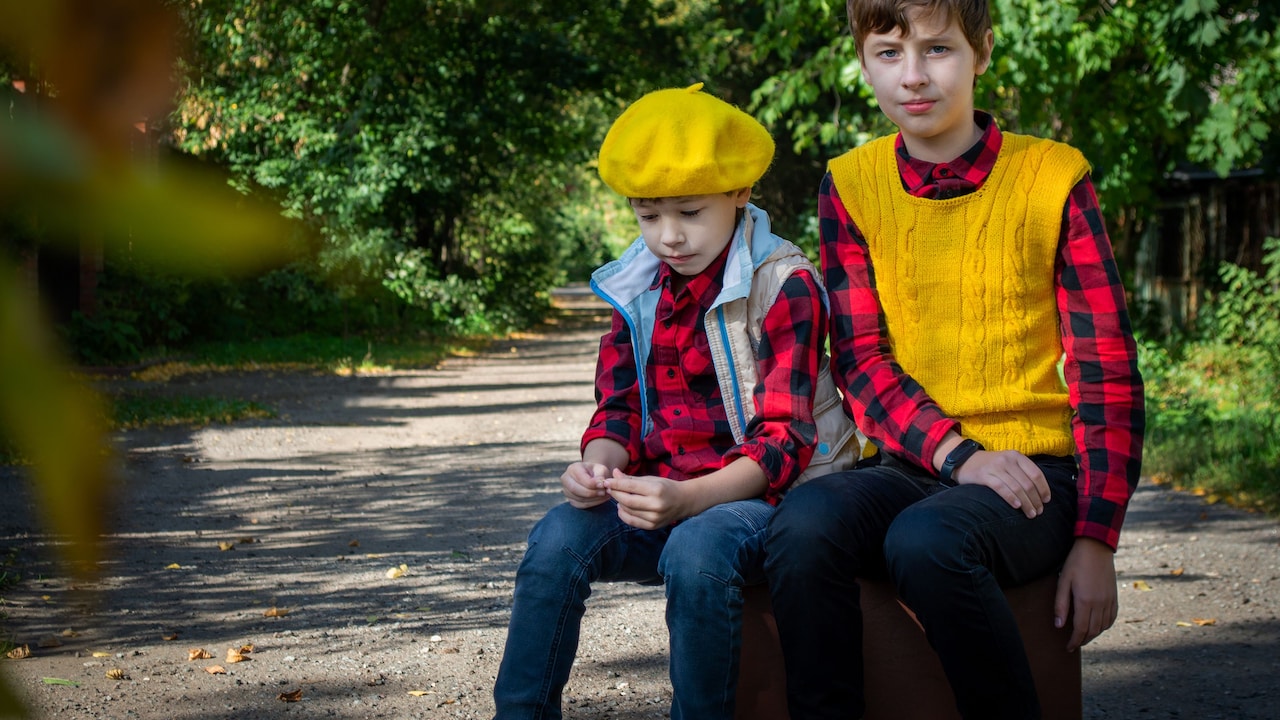
10 Reasons Your Bomber Jacket Looks Bulky Even When It Fits Perfectly; Photo Credit: Pexels
What Makes Bomber Jackets Look Bulky Despite The Right Fit?
1. The Ribbed Waistband Creates A Balloon-Like Shape
One of the most recognisable features of a bomber jacket is its ribbed waistband. This elasticated section helps the jacket sit securely around the waist while creating its signature rounded silhouette. However, it can also make the upper body look wider than it actually is.
When the waistband grips the waist tightly, the fabric above it naturally gathers. This creates a puffed-out appearance around the stomach and lower ribs. The effect becomes more noticeable when the jacket has a generous cut through the torso.
Consider someone wearing a bomber jacket over a fitted T-shirt. The shoulders sit correctly, and the sleeves feel comfortable. Yet the jacket balloons outward just above the waistband. The problem isn't necessarily the size. It's the difference between the loose body and the tighter hem.
A jacket with a softer waistband or a less dramatic taper can create a cleaner silhouette. Designs with slightly longer hems may also distribute the fabric more evenly.
Before buying, zip the jacket completely and check how the fabric settles around the waist. If it forms a pronounced bubble, changing the size may not help. A different waistband construction might solve the problem more effectively.
Also Read: Top 5 Bomber Jackets For A Sporty Street-Style Look Under ₹2,000
2. Thick Padding Adds Volume Around The Chest And Shoulders
A padded bomber jacket sounds like an excellent choice when temperatures drop. It offers warmth, comfort and a cosy feeling without requiring multiple heavy layers. Unfortunately, that same padding can make the jacket appear much larger than the person wearing it.
The amount and distribution of insulation matter more than many shoppers realise. Some designs feature thick padding throughout the chest, back and sleeves. Others concentrate insulation in specific areas. When the padding doesn't compress easily, it creates a stiff, rounded outline.
This becomes particularly noticeable around the shoulders. Even a well-fitting jacket can make the upper body appear unusually broad if the insulation extends into the shoulder seams.
Quilted designs can exaggerate the effect further. Large quilted sections may create raised pockets of fabric that add visual bulk.
For milder winter weather, lightweight padded bombers often provide a better balance between warmth and appearance. Jackets with thinner insulation and flexible outer fabrics tend to follow the body's movements more naturally.
Try raising your arms, sitting down and turning sideways while wearing the jacket. If the material remains unusually rigid, the padding may be responsible for the bulky appearance rather than the fit.
3. Dropped Shoulder Seams Make The Upper Body Look Wider
Dropped shoulders are common in contemporary bomber jackets, particularly oversized and streetwear-inspired designs. Instead of sitting directly on the natural shoulder line, the seam falls further down the upper arm.
This relaxed construction creates a casual, slightly slouchy appearance. However, it can also make the shoulders look wider and the arms appear shorter.
Imagine wearing a bomber jacket with dropped shoulders over a loose sweatshirt. The shoulder line becomes less defined, while the sleeve fabric begins lower on the arm. As a result, the entire upper body may look broader, even though the jacket fits comfortably across the chest.
The effect becomes stronger when the jacket features thick fabric or generous sleeve openings.
People with narrower shoulders may find this particularly noticeable because the garment creates a wider outline than their natural frame.
If a sharper silhouette is the goal, look for bomber jackets with shoulder seams closer to the natural shoulder edge. Raglan sleeves can also offer an alternative, although their appearance depends on the overall cut.
A quick mirror check helps. Observe where the shoulder seam sits rather than focusing only on whether the jacket feels comfortable.
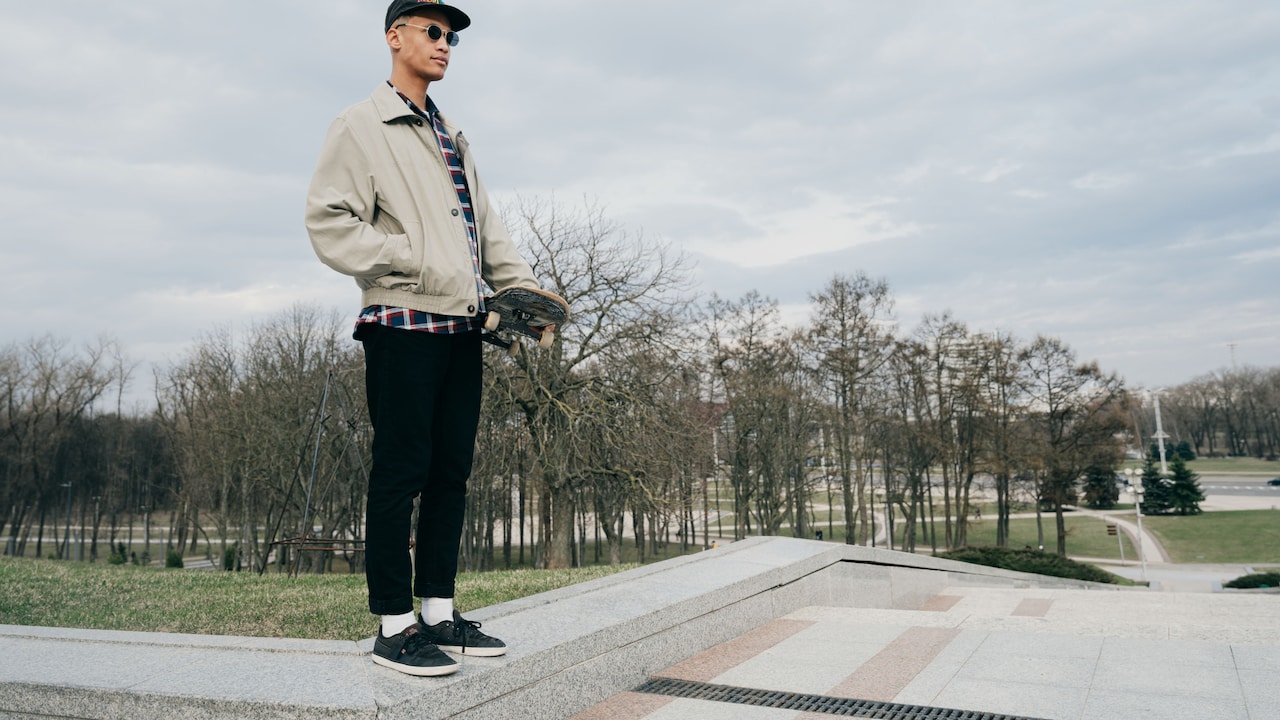
10 Reasons Your Bomber Jacket Looks Bulky Even When It Fits Perfectly; Photo Credit: Pexels
4. Oversized Sleeves Create Unnecessary Volume Around The Arms
Not all bulky bomber jackets look oversized through the body. Sometimes, the sleeves cause most of the trouble.
Traditional bomber jackets often feature roomy sleeves that taper towards ribbed cuffs. This design allows easy movement and creates the characteristic rounded sleeve shape. However, excessive fabric around the upper arms and elbows can make the entire jacket look heavier.
The difference becomes obvious when the arms rest naturally beside the body. Wide sleeves can extend outward, making the torso appear broader than it is.
This effect is especially noticeable with stiff fabrics that don't drape naturally. Instead of falling close to the arms, the material maintains its shape and creates additional width.
A common mistake is judging sleeve fit only by length. Sleeves might reach the wrists perfectly while still carrying too much fabric around the biceps.
When trying on a bomber jacket, examine the sleeves from the front and side. Look for a comfortable shape that allows movement without excessive bunching.
For a neater everyday appearance, choose designs with moderate sleeve volume and flexible fabric. Slightly tapered sleeves often create a more balanced look without sacrificing the bomber jacket's relaxed character.
5. Stiff Outer Fabrics Prevent The Jacket From Draping Naturally
Fabric selection can dramatically change how a bomber jacket looks, even when two jackets share identical measurements.
Some bombers use rigid polyester, heavy nylon, structured cotton or thick synthetic blends. These materials can offer durability and maintain the jacket's shape. However, they may also stand away from the body rather than settling naturally against it.
Picture two bomber jackets in the same size. One uses a soft, lightweight fabric that follows the body's contours. The other has a crisp outer shell that remains slightly inflated. Despite identical measurements, the second jacket may appear considerably bulkier.
This happens because stiff fabrics hold their structure, especially around the chest, sleeves and waist.
The problem often becomes more noticeable when sitting or bending. Instead of folding smoothly, the material forms rigid creases and raised sections.
A simple fabric test can reveal a lot. Gently gather a small section of the jacket in your hand and release it. Softer fabrics usually relax more easily, while structured materials retain their shape.
For a streamlined casual outfit, consider bombers made from supple twill, lightweight cotton blends or softer nylon. The right fabric can deliver the desired silhouette without requiring a tighter fit.
6. Wearing Thick Layers Underneath Distorts The Jacket's Shape
Layering seems straightforward until a bomber jacket starts looking twice its usual size. A chunky sweatshirt, oversized hoodie or thick knitted jumper can add considerable volume underneath an otherwise well-fitting jacket.
The issue isn't always the thickness of the clothing alone. It's how those layers interact with the jacket's construction.
Bomber jackets generally have ribbed cuffs and waistbands that create a more fitted finish. When a bulky sweatshirt sits underneath, its fabric may bunch around the chest, shoulders and stomach. The jacket then pushes outward to accommodate those folds.
Hoodies introduce another challenge. A thick hood can collect around the back of the neck, making the upper back and shoulders appear unusually rounded.
This doesn't mean hoodies and bomber jackets make a poor combination. They simply need compatible proportions.
Try pairing a structured bomber with a lightweight hoodie or a fine-knit jumper. If the jacket already features substantial padding, a fitted cotton T-shirt or thin long-sleeved top may work better.
Also, check whether the inner layer extends below the jacket's waistband. Excess fabric gathering around the hem can create additional bulk and disrupt the overall silhouette.

10 Reasons Your Bomber Jacket Looks Bulky Even When It Fits Perfectly; Photo Credit: Pexels
7. A Short Jacket Length Makes The Torso Appear Boxier
Bomber jackets traditionally finish around the waist or upper hip. This cropped design gives them a distinctive sporty character, but it can also create awkward proportions.
When a jacket ends at the widest part of the torso, its ribbed waistband draws attention to that area. The upper body may consequently appear shorter and wider.
The effect becomes particularly obvious with high-volume bomber jackets. A roomy chest, rounded sleeves and short hem can combine to create a square silhouette.
This doesn't mean cropped bombers are unflattering. Their appearance depends on the wearer's proportions and the clothing underneath.
For example, a short bomber paired with a long, untucked T-shirt may create several horizontal lines around the waist and hips. These competing lengths can make the outfit appear visually crowded.
A jacket that finishes slightly lower on the hip may create a more elongated appearance. Alternatively, pairing a cropped bomber with high-waisted, straight-leg trousers can establish cleaner proportions.
When shopping, don't judge the jacket while standing completely still. Sit down, raise your arms and walk around. A hem that constantly rides upwards may exaggerate the bulky shape during everyday movement.
8. Large Pockets And Decorative Details Add Visual Weight
Bomber jackets rarely rely on fabric alone to create their appearance. Utility pockets, sleeve compartments, oversized zips, embroidered patches and decorative panels often contribute to their sporty appeal.
However, too many design details can make an otherwise well-fitting jacket appear unnecessarily heavy.
Consider a bomber with large flap pockets across the chest and additional compartments on the sleeves. Each raised section creates another layer of fabric. Even when these pockets remain empty, their construction adds visible volume.
Side pockets can also affect the silhouette, particularly when they sit close to the waist. Filling them with a phone, wallet or keys may push the fabric outward and distort the jacket's shape.
Contrast panels and bold horizontal detailing introduce another visual effect. They can draw attention across the width of the body, making the jacket appear broader.
For a cleaner appearance, choose bombers with flat pockets, minimal embellishments and discreet fastenings.
This doesn't mean abandoning statement jackets altogether. A decorative sleeve pocket or a distinctive zip can add character without overwhelming the outfit.
The trick is identifying whether the jacket's details complement its shape or compete with it.
9. The Wrong Trouser Fit Makes The Jacket Look Disproportionately Large
Sometimes, the bomber jacket isn't the real problem. The trousers underneath create an imbalance that exaggerates its size.
A roomy bomber paired with extremely slim trousers can make the upper body appear much larger by comparison. The contrast draws attention to the jacket's width, particularly around the shoulders and chest.
This styling combination isn't necessarily wrong. It can work well for certain streetwear outfits. However, it may not produce the balanced silhouette someone expects from everyday casual clothing.
At the opposite extreme, extremely baggy trousers combined with an oversized bomber can overwhelm the entire outfit. With little definition between the upper and lower body, the clothes may appear heavier than intended.
Straight-fit jeans, relaxed chinos and moderately tapered trousers often work well with classic bomber jackets. They provide enough structure to balance the jacket without creating excessive volume.
Footwear can also influence the overall appearance. Sleek trainers may complement a lightweight bomber, while chunkier shoes can help balance a more substantial jacket.
Before deciding a bomber is too bulky, try it with different trousers. Sometimes, changing the bottom half of the outfit makes the jacket look noticeably better.
10. The Colour And Surface Finish Exaggerate The Jacket's Volume
Colour doesn't physically change a bomber jacket's measurements, but it can influence how large the garment appears.
Bright colours, shiny finishes and bold patterns naturally attract attention. When these features cover a rounded silhouette, they may emphasise the jacket's volume.
Glossy nylon bombers offer a good example. Their reflective surfaces catch light across the chest, sleeves and shoulders. Highlights can make raised sections more noticeable, particularly when the fabric already has a structured finish.
Large prints and contrasting colour blocks can create a similar effect. Horizontal panels across the chest may emphasise width, while oversized graphics can draw attention to the jacket's broadest sections.
Darker colours and matte finishes often create a more subdued appearance. Black, charcoal, navy and deep olive are versatile choices for anyone seeking a less prominent silhouette.
However, darker colours aren't an automatic solution. A heavily padded black bomber can still appear bulkier than a lightweight jacket in a brighter shade.
The most effective approach combines suitable fabric, thoughtful construction and balanced styling. Colour can refine the final appearance, but it cannot compensate for excessive padding or awkward proportions.
Products Related To This Article
1. Roadster Men Navy Solid Bomber
2. Decathlon Domyos - Men Khaki FJA 100 Moisture Managing Fitness Tracksuit Jackets
3. CAHOOT Men Spread Collar Solid Casual Bomber Jacket
4. Roadster The Lifestyle Co. Suede Finish Applique Detail Bomber Jacket
5. Glitchez Relaxed Suede Finish Bomber Jacket
6. HRX by Hrithik Roshan Mock Collar Bomber
7. Allen Solly Textured Mock Collar Fleece Bomber Jacket
A bomber jacket can fit perfectly and still look bulky because sizing is only one part of the equation. Ribbed waistbands, thick padding, dropped shoulders, stiff fabrics, and oversized sleeves all influence its silhouette. Even trouser choices and layering habits can change how the jacket appears.
Rather than immediately buying a smaller size, examine the design and how it works with the rest of your outfit. A few adjustments can make a substantial difference. After all, a good bomber jacket should offer that relaxed, effortlessly stylish look without making you feel like you're wearing an inflated travel pillow.
(Disclaimer: This article may include references to or features of products and services made available through affiliate marketing campaigns. NDTV Convergence Limited (“NDTV”) strives to maintain editorial independence while participating in such campaigns. NDTV does not assume responsibility for the performance or claims of any featured products or services.)