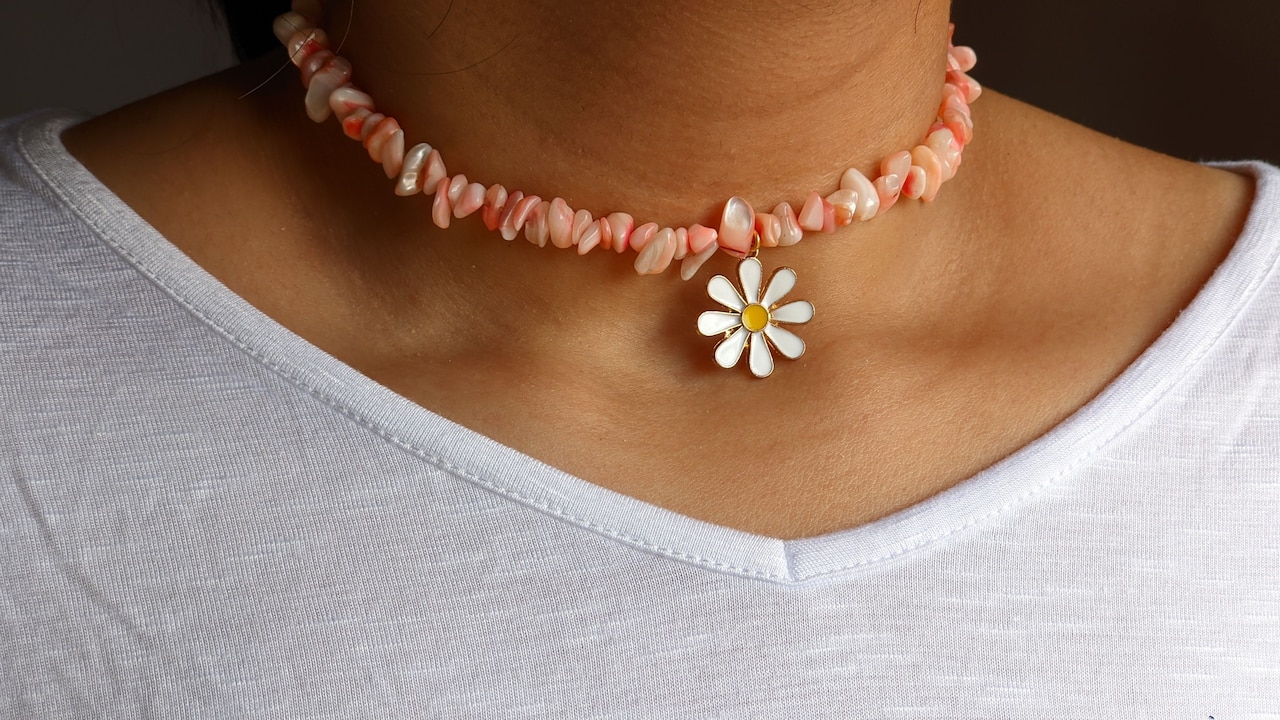
Which Saree Fabric Holds Colour Best After Multiple Washes and Still Looks Fresh and Vibrant
Which saree fabrics hold colour best after repeated washes? This guide compares popular materials like silk, cotton and georgette to help you choose sarees that stay vibrant longer. Learn about saree fabrics that retain colours even after multiple washes.
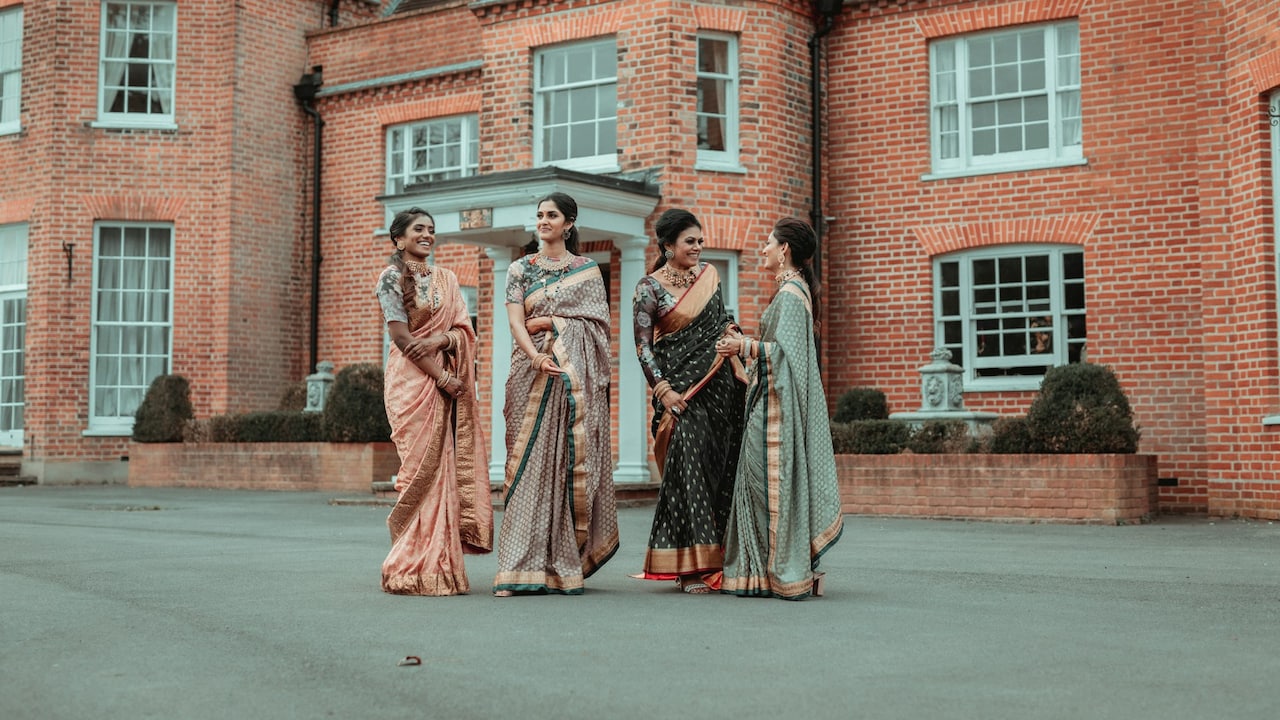
Which Saree Fabric Retains Colour Best After Repeated Washing? A Practical Fabric Guide.
Every wardrobe has that one saree pulled out again and again. It may have seen weddings, temple visits, and Sunday lunches. With each wash, a question quietly appears: will the colour stay the same? Fabric plays a far bigger role in colour retention than many realise. Dye quality, fibre structure, and weave style work together to decide whether a saree fades gracefully or loses charm too soon. Climate, water quality, and washing habits also matter. Hard water in many cities challenges dyes, while frequent handwashing tests patience and fabric strength. Understanding which fabrics naturally hold colour best helps buyers make wiser choices. It also saves money, effort, and emotional attachment.
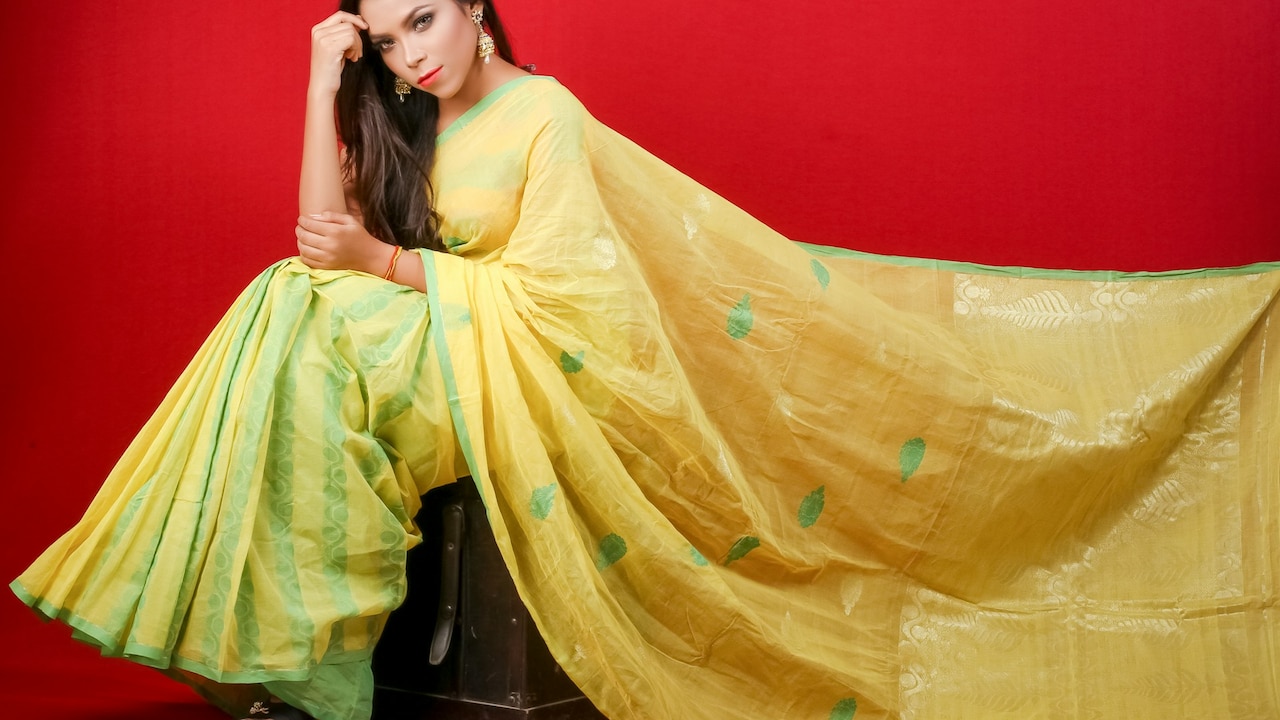
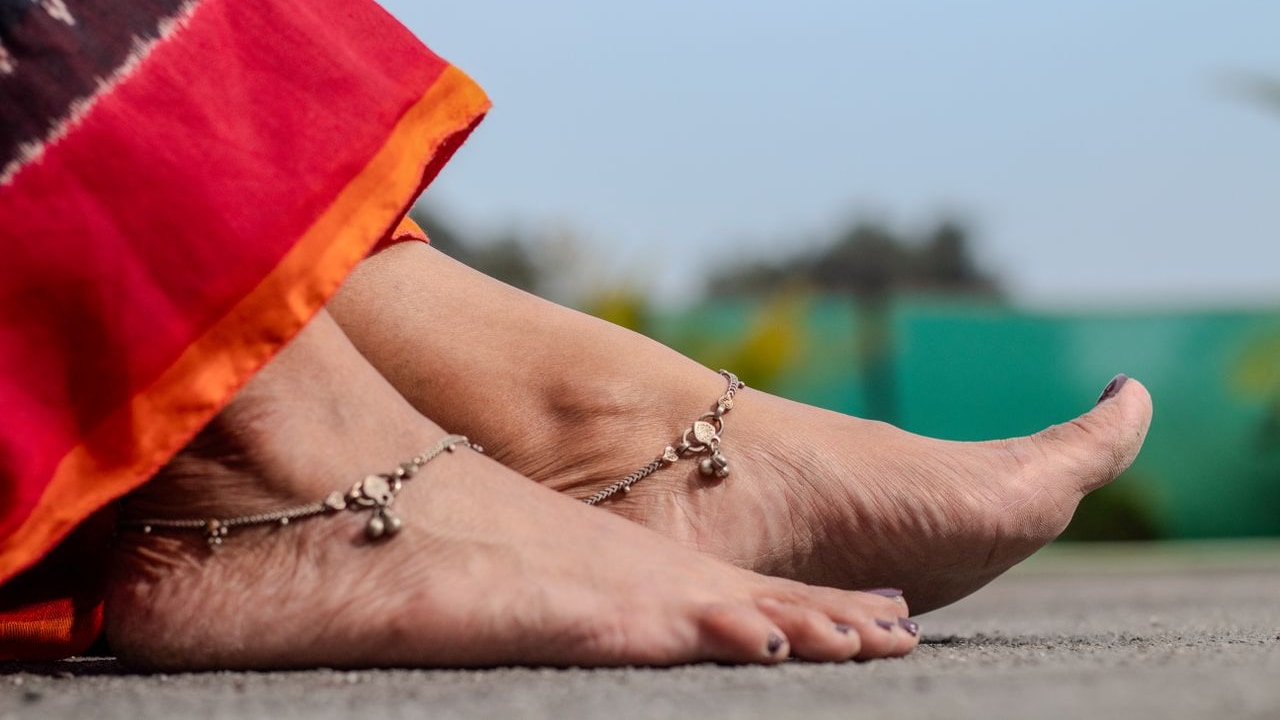
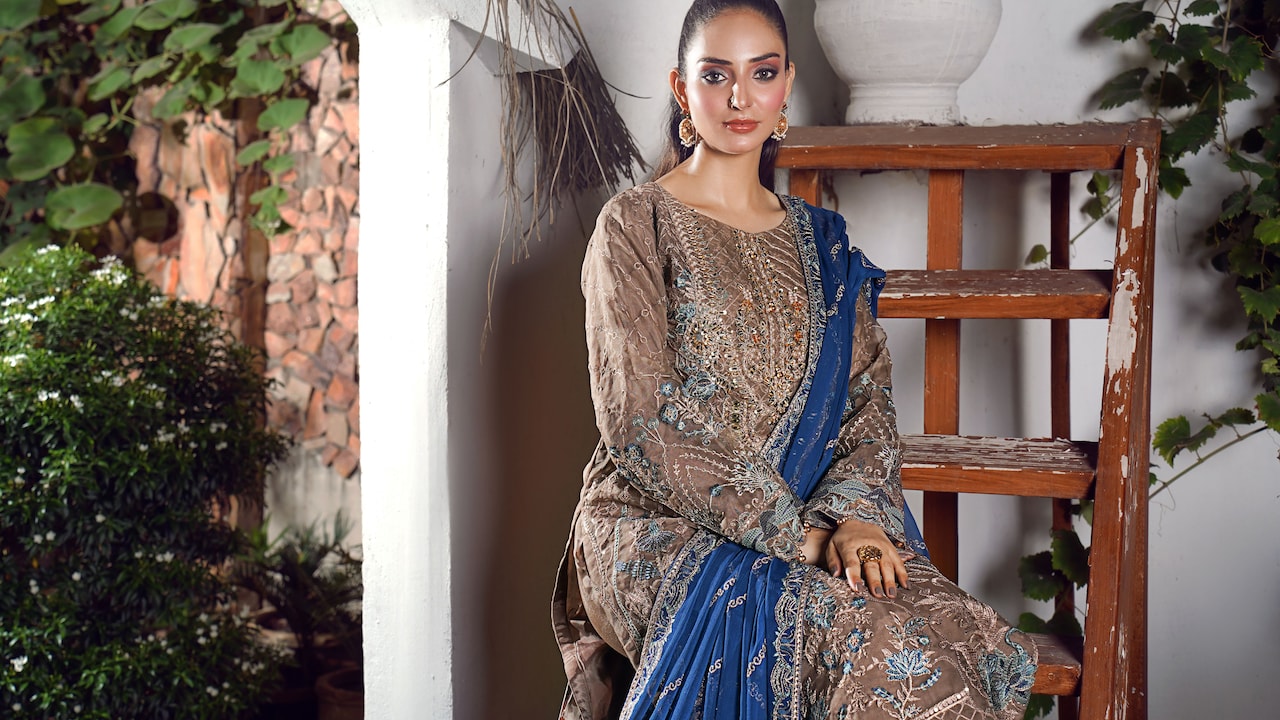
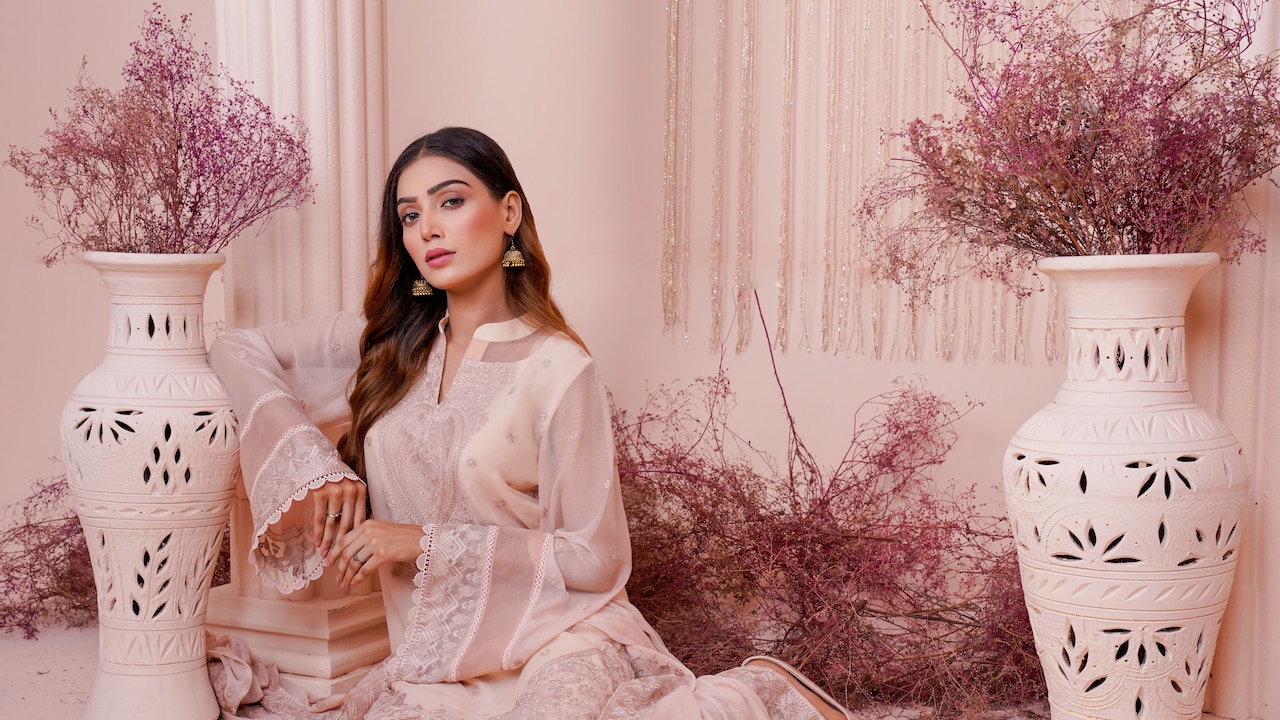
Top things you need to know about saree fabrics to find the one that retains colour after washes; Photo Credit: Unsplash
The sections below explore 10 popular saree fabrics and how they perform when washes become frequent and unavoidable.
Also Read: Everyday Elegance: Top 5 Sarees Under ₹1,000 That Are Easy-To-Wear
What Makes a Saree Fabric Hold Colour After Repeated Washes
1. Silk: Rich Shades That Stand the Test of Time
Silk often tops the list when colour retention comes into question. The natural protein fibres absorb dyes deeply, which allows colours to settle well within the yarn. Artisans often use traditional dyeing methods that strengthen this bond. As a result, silk sarees keep their vibrancy for years when owners wash them gently.
Mulberry silk, in particular, responds well to rich dyes. Deep reds, royal blues, and emerald greens stay loyal after many wears. Families often pass down such sarees, and the colour still looks dignified decades later. Dry cleaning helps, but careful home washing also works when done sparingly.
Silk asks for respect. Harsh detergents and rough handling dull its shine. Cold water and mild soap keep colours intact. Though silk sarees cost more upfront, they repay that amount with longevity. Spending ₹8,000 once often proves wiser than replacing faded sarees every festive season.
2. Cotton: Breathable Comfort with Steady Colour
Cotton feels like home. It suits daily wear and long hours. Colour retention depends on the type of cotton and the dye used. Handloom cottons, dyed slowly and patiently, hold colour better than mass-produced versions.
Dark cotton sarees, such as indigo or maroon, age gracefully. They may soften slightly, but they rarely look tired. The fibres grip dye well, especially when dyers pre-treat the yarn. Regular washing does not scare cotton, which makes it perfect for everyday use.
However, cotton dislikes harsh sunlight when drying. Direct sun pulls colour out faster than washing ever could. Drying in the shade helps greatly. With simple care, cotton sarees continue to look fresh even after years of use. Many households still treasure cotton sarees bought for ₹1,500 that continue to look presentable after countless washes.
3. Linen: Soft Elegance with Surprising Durability
Linen sarees have quietly gained admirers over the years. The fabric feels airy, yet strong. Linen fibres absorb dye evenly, which helps colours settle well. Muted shades like beige, rust, and slate grey hold especially well.
Repeated washing does not weaken linen's colour strength. Instead, the fabric softens and gains character. Many wearers enjoy this change, as the saree begins to drape better over time. Linen handles water better than silk and is less demanding.
Avoid strong detergents, as they strip colour gradually. Mild soap keeps linen looking fresh. Linen sarees suit long summers and humid days, making them practical for frequent wear. A well-chosen linen saree around ₹3,000 often stays dependable for years without losing its charm.
4. Chiffon: Lightness That Needs Gentle Care
Chiffon looks delicate, and its colour behaviour matches that personality. The fabric often uses synthetic fibres like polyester, which hold colour fairly well. Bright hues such as pinks and teals stay vibrant when owners wash them carefully.
However, chiffon reacts poorly to rough washing. Machine cycles and hot water cause colour bleeding and dullness. Handwashing with cold water preserves its beauty. Chiffon sarees, worn occasionally rather than daily, fare better over time.
Printed chiffons tend to retain colour longer than heavily dyed versions. The lightweight nature of the fabric means dyes sit closer to the surface. Gentle handling makes all the difference. Chiffon rewards care with elegance and flow, especially when bought wisely at ₹2,000–₹4,000.
5. Georgette: Modern Colours with Strong Staying Power
Georgette often surprises wearers with its durability. Made from twisted yarns, the fabric grips dye firmly. This twist helps colours stay bright even after repeated washes. Many modern sarees in bold colours rely on georgette for this reason.
Synthetic georgette resists fading better than pure silk georgette. It tolerates machine washing on gentle cycles, which suits busy routines. Bright yellows, corals, and blues often remain lively long after purchase.
That said, strong detergents still cause harm. Mild liquid detergents work best. Avoid soaking for long periods, as colours may bleed. Georgette offers a balance between ease and elegance. Sarees priced around ₹2,500 often outlast expectations and stay visually appealing for years.
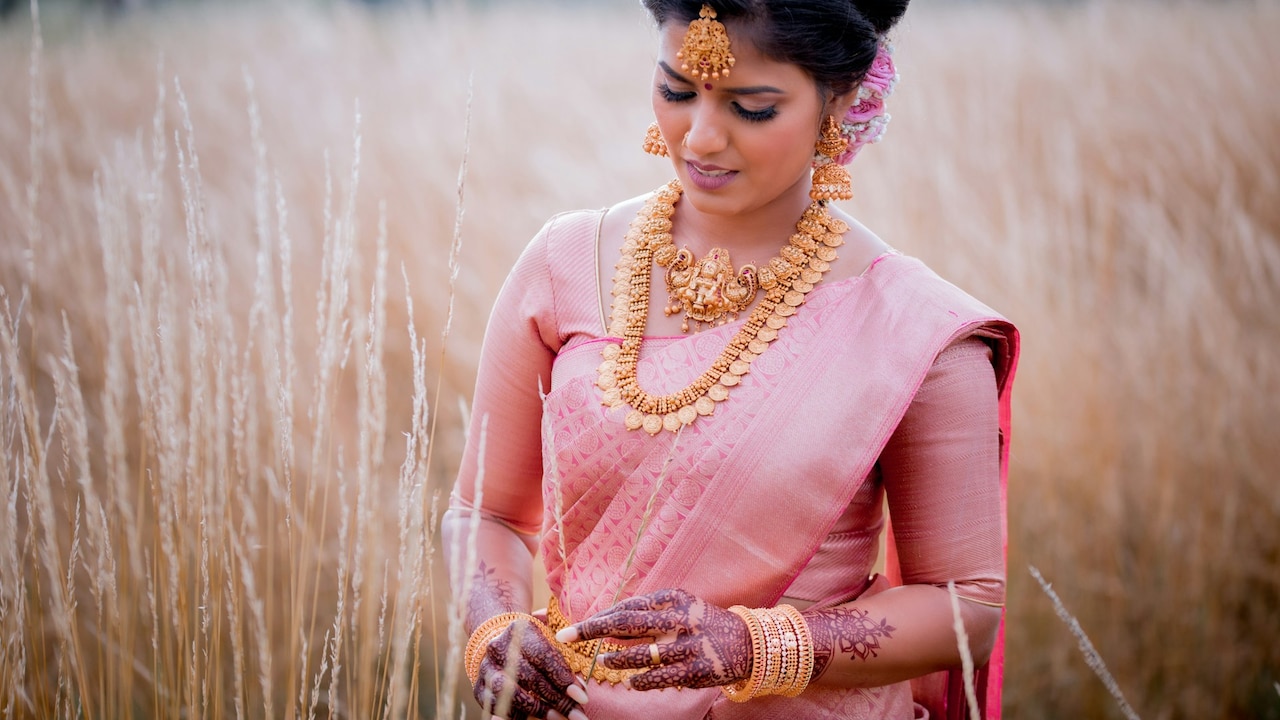
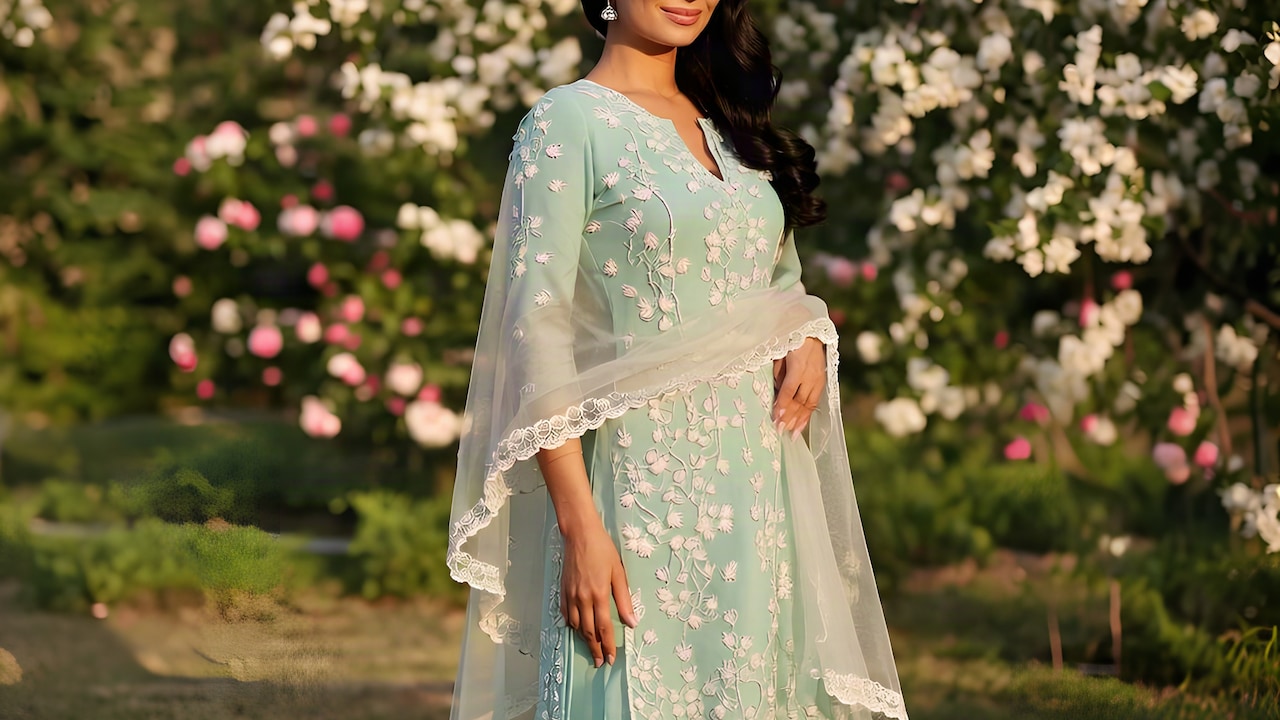
The colours on georgette sarees stay bright even after repeated washes; Photo Credit: Unsplash
6. Crepe: Texture That Protects Colour
Crepe sarees bring texture into play. The crinkled surface hides minor fading better than smooth fabrics. The fibres hold dye well, especially in darker shades. This makes the crepe a practical option for frequent use.
Crepe resists wrinkling and handles washing with ease. The texture reduces friction during washing, which protects the dye layer. Many wearers notice that crepe sarees look almost unchanged even after multiple washes.
However, hot water weakens crepe fibres. Cold water washing keeps both colour and texture intact. Printed crepe sarees show excellent colour life when dried in shade. With prices often around ₹1,800, crepe sarees deliver excellent value and long-term satisfaction.
7. Tussar Silk: Earthy Tones That Age Gracefully
Tussar silk carries a raw charm. Its natural golden tone interacts beautifully with vegetable and natural dyes. These dyes bond well with the coarse fibres, allowing colours to age slowly rather than fade abruptly.
Earthy shades like olive, rust, and mustard shine in tussar silk. Even when colours soften, they retain depth and warmth. Many families prefer tussar for its dignified ageing process rather than bright permanence.
Tussar requires careful washing. Gentle handwashing or dry cleaning keeps colours stable. Though the saree may cost ₹6,000 or more, it often remains wearable for decades. The fabric tells a story through time rather than losing relevance.
8. Organza: Sheer Beauty with Mixed Results
Organza attracts attention with its crisp transparency. Colour retention depends largely on fibre quality. Silk organza holds colour better than synthetic versions. The stiffness of the fabric helps dyes stay in place.
Light shades fare better than dark ones in organza. Pastels retain freshness even after multiple wears. Dark organza may show fading along folds and borders. Gentle handling remains essential.
Organza suits occasional wear rather than frequent washing. Dry cleaning preserves colour best. For those who enjoy statement sarees, organza offers visual drama. A saree priced around ₹5,000 demands care but rewards patience with long-lasting elegance.
9. Banarasi Weaves: Colour and Craft in Harmony
Banarasi sarees combine rich dyes with intricate weaving. The dense weave protects colour by reducing exposure to friction and water. Silk Banarasis, in particular, retain colour exceptionally well.
Zari work also plays a role. Metallic threads reflect light, which reduces visible fading. Even when the base colour softens slightly, the saree still looks regal. Families often store these sarees carefully and bring them out for special occasions.
Dry cleaning remains the safest option. When washed at home, cold water and minimal handling protect the fabric. Though prices often start at ₹10,000, the colour life justifies the investment. Banarasi sarees stand as long-term wardrobe treasures.
10. Synthetic Blends: Budget-Friendly and Colour Stable
Synthetic blends often surprise buyers with their colour strength. Polyester and nylon fibres resist fading and bleeding. Manufacturers use modern dyes that bond tightly with these fibres.
These sarees handle frequent washing with ease. Machine washing rarely harms the colour when owners use gentle settings. Bright prints and solid colours remain sharp for years. This makes synthetic blends ideal for daily office wear and travel.
However, breathability remains limited. Comfort may be reduced during hot weather. Still, for those seeking low-maintenance options, synthetic blends work well. Sarees priced between ₹1,200 and ₹2,000 often deliver excellent colour retention with minimal effort.
Products Related To This Article
1. Mitera Woven Design Zari Pure Cotton Banarasi Saree
2. Silk Land Floral Zari Cotton Jamdani Saree
3. STAVA CREATION Floral Printed Pure Linen Saree With Unstiched Blouse Piece
4. Tikhi Imli Embellished Floral Saree
5. Sangria Dabu Printed Pure Linen Ready To Wear Saree With Unstitched Blouse
6. Kesudi Ethnic Motifs Zari Pure Silk Heavy Work Saree
7. KALINI Floral Saree
8. sourav biswas Saree
Choosing a saree involves emotion, aesthetics, and practicality. Colour longevity often decides whether a saree stays loved or slowly forgotten. Fabrics like silk, cotton, and georgette consistently prove their worth through strong dye retention. Others, such as chiffon and organza, demand care but reward attention with elegance.
Washing habits matter as much as fabric choice. Cold water, mild detergents, and shade drying extend colour life significantly. Investing wisely saves both money and disappointment. When colour stays true, memories stay brighter too. A saree that holds its shade continues to tell its story with confidence, wash after wash.
(Disclaimer: This article may include references to or features of products and services made available through affiliate marketing campaigns. NDTV Convergence Limited (“NDTV”) strives to maintain editorial independence while participating in such campaigns. NDTV does not assume responsibility for the performance or claims of any featured products or services.)