Why Adjustable Rings Bend Out Of Shape and How To Choose Ones That Last
Adjustable rings often lose their shape faster than expected. This guide explains why they bend and how to choose durable designs that stay comfortable, stylish, and intact with everyday wear.
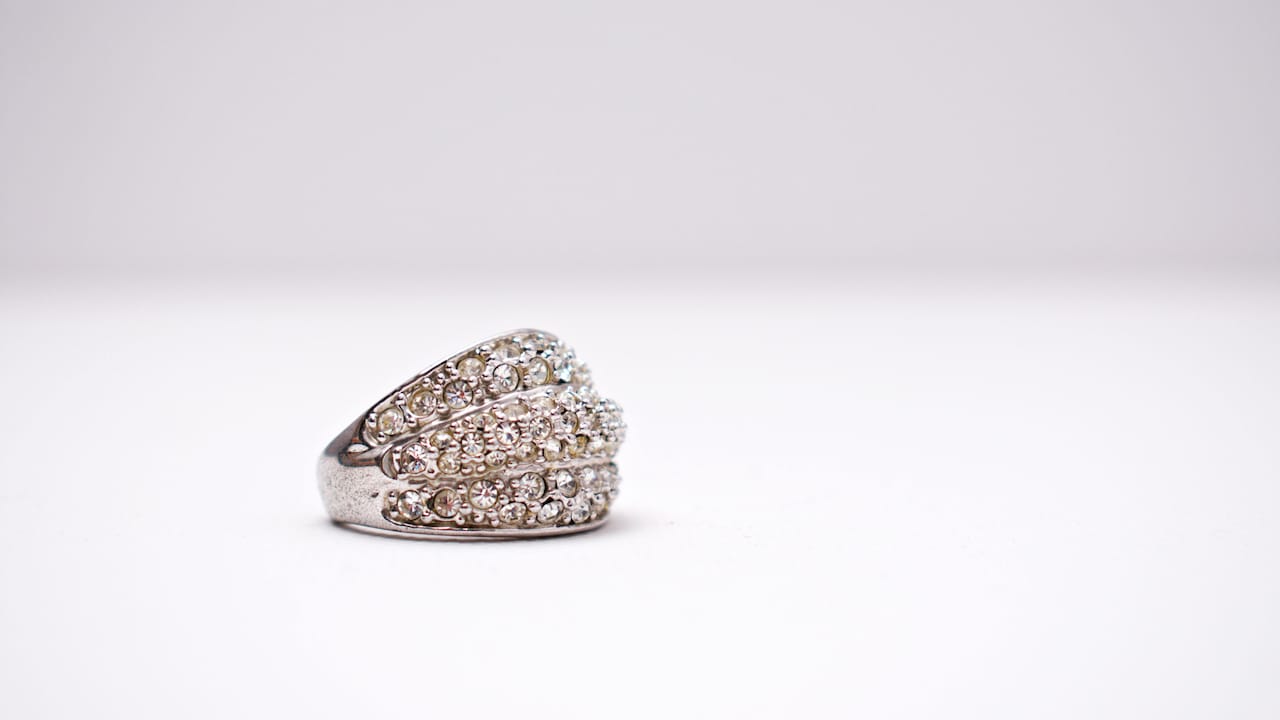
Your Adjustable Rings Bending Out Of Shape? Here Is How To Choose The Ones That Last Longer.
Adjustable rings feel like a small miracle. One ring, many fingers, no trips to the jeweller for resizing. They slip on easily, work as gifts, and seem perfect for daily wear. Yet there's a familiar heartbreak. A favourite ring starts to gape too wide, pinch awkwardly, or twist into a shape no finger ever asked for. Suddenly, that flexible design feels flimsy. This bending problem frustrates many jewellery lovers.
Understanding adjustable rings goes beyond surface shine. It involves knowing how metals behave, how designs distribute pressure, and how daily habits affect jewellery. With a little insight, adjustable rings can stay stylish, sturdy, and comfortable for a long time. The following sections break down exactly how to choose adjustable rings that resist bending and keep their shape, even with regular wear. So, without much ado, here is why adjustable rings bend out of shape and how to choose the ones that last much longer.
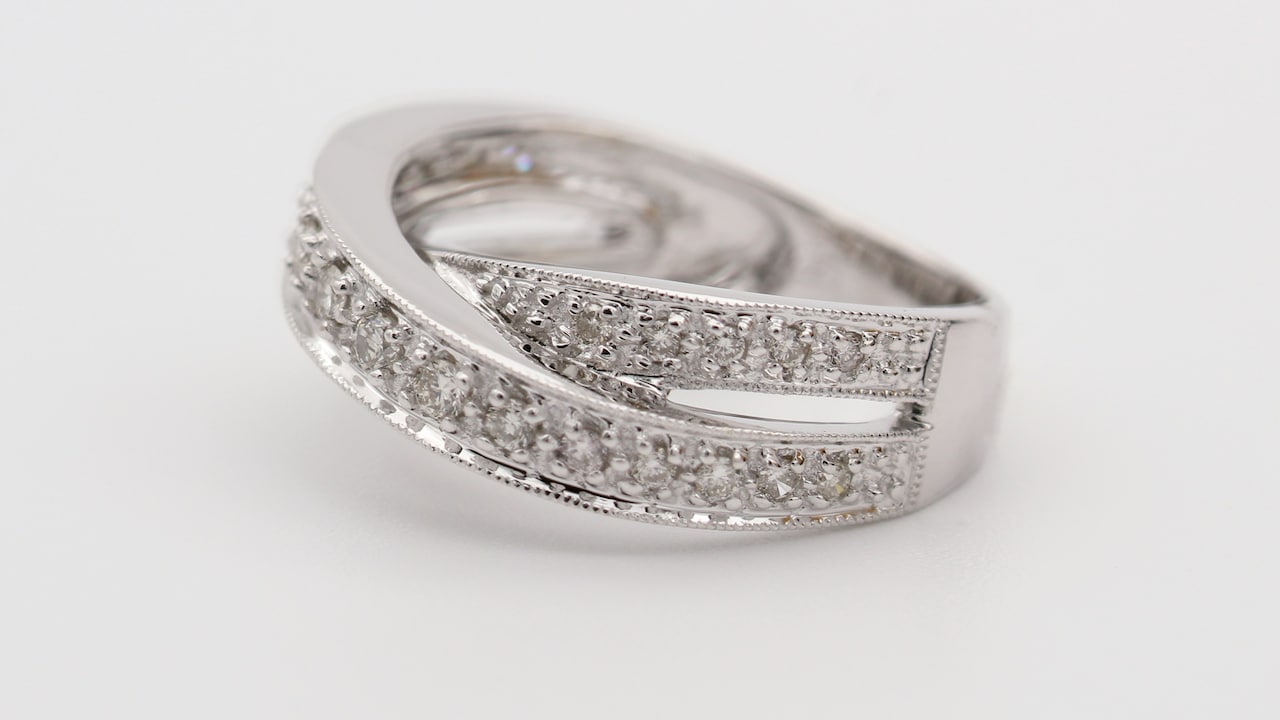
Why Adjustable Rings Bend Out Of Shape and How To Choose Ones That Last; Photo Credit: Pexels
Key Factors That Determine The Durability Of Adjustable Rings
1. Understanding Why Adjustable Rings Bend So Easily
Adjustable rings bend because flexibility sits at the heart of their design. Unlike closed bands, these rings rely on an open gap that allows resizing. This gap becomes the weakest point. Every small adjustment puts stress on the metal. Over time, that stress adds up.
Thin bands worsen the problem. Many adjustable rings focus on delicate looks rather than structural strength. A slender strip of metal may look elegant, but it struggles to handle daily pressure. Even gentle squeezing or accidental knocks can distort the shape.
Metal memory also matters. Some metals bounce back after bending, while others stay warped. Poor-quality alloys lack resilience. They bend once and never quite recover. Add frequent resizing into the mix, and distortion becomes inevitable.
Everyday habits play a part too. Rings face pressure while gripping railings, opening doors, or carrying heavy bags. These actions apply force exactly where the adjustable rings remain weakest. Understanding these factors helps buyers make smarter choices right from the start.
2. Metal Matters: Choosing Strength Over Shine
The metal determines how long an adjustable ring keeps its shape. Many buyers focus on colour and polish, but strength deserves equal attention. Softer metals bend easily, especially in adjustable designs.
Pure silver, for example, looks beautiful but bends faster than expected. Sterling silver offers better strength due to added alloys. Brass and copper feel sturdy but may still warp if too thin. Stainless steel stands out for durability, though it lacks the traditional jewellery feel for some.
Gold-plated adjustable rings often hide a weaker base metal underneath. The shine fades, and the band bends. Solid gold resists corrosion but bends easily unless alloyed properly. Higher karat gold increases softness, which increases bending risk.
Choosing rings labelled as reinforced or alloyed improves longevity. Asking about metal composition helps too. A well-chosen metal balances beauty with resilience, ensuring the ring handles daily wear without turning into an abstract art piece.
Also Read: 5 Best Adjustable Rings That Look Expensive: Budget-Friendly Picks for Everyday Style
3. Thickness Isn't a Flaw, It's a Feature
Thin rings dominate trend charts. They stack beautifully and feel light. Yet thin adjustable rings rarely survive long-term wear. Thickness plays a major role in maintaining shape.
A slightly thicker band distributes pressure more evenly. It resists bending during everyday movements. Even a small increase in width or depth adds significant strength. This doesn't mean bulky or heavy designs. Many clever designs hide thickness under decorative elements.
Shank thickness matters more than top design. A ring with a chunky motif but a thin band still bends easily. Checking the underside reveals the truth about durability.
Comfort also improves with thickness. The ring sits securely without digging into the skin. While ultra-thin rings look tempting, choosing a balanced thickness saves money and frustration in the long run.
4. The Gap Design Makes or Breaks Durability
The adjustable gap defines how a ring resizes. Some designs feature wide gaps that invite constant bending. Others use minimal openings that maintain structural integrity.
A narrow, well-finished gap reduces stress on the metal. Rounded edges at the opening prevent cracks from forming. Sharp edges create pressure points that lead to bending and breakage.
Some adjustable rings include overlapping ends instead of open gaps. This design allows size adjustment without exposing weak spots. Others use hidden springs or internal mechanisms, offering flexibility without distortion.
Examining the gap closely before buying reveals much about durability. If the gap looks uneven or flimsy, the ring likely bends quickly. A thoughtfully designed gap keeps the ring adjustable without sacrificing strength.
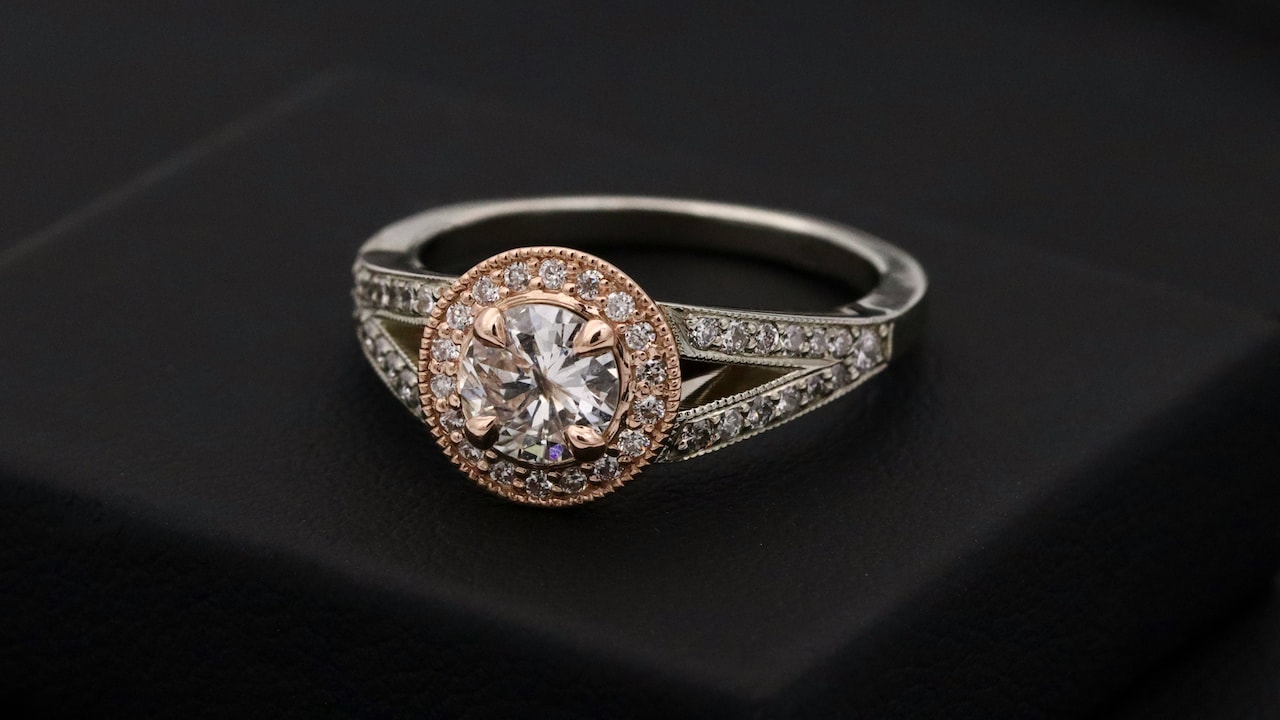
Why Adjustable Rings Bend Out Of Shape and How To Choose Ones That Last; Photo Credit: Pexels
5. Craftsmanship Counts More Than Brand Names
Big names don't always guarantee quality. Craftsmanship matters more than logos or fancy packaging. Well-crafted adjustable rings show attention to detail in soldering, finishing, and balance.
Poor solder joints weaken adjustable rings. Even a slight flaw invites bending at stress points. Smooth finishing reduces micro-cracks that grow with repeated adjustments.
Hand-finished rings often outperform mass-produced pieces. Skilled artisans understand how to balance flexibility with strength. They reinforce vulnerable areas without compromising design.
Checking for symmetry helps too. An uneven ring bends faster because pressure is distributed unevenly. A well-crafted ring feels balanced, smooth, and solid despite its adjustable nature.
6. Design Choices That Support Longevity
Certain designs naturally resist bending. Rings with central motifs connected firmly to the band add strength. Wide bases under stones prevent twisting and warping.
Minimalist designs with thin, plain bands bend more easily. Adding texture, engravings, or layered elements increases rigidity. Even subtle ridges strengthen the structure.
Open-ended designs benefit from capped ends rather than raw metal tips. Caps reduce stress concentration and protect against accidental snagging.
Choosing designs that combine aesthetics with engineering ensures the ring remains wearable. Beauty and durability don't compete when design choices support both.
7. How Daily Wear Habits Affect Adjustable Rings
Jewellery faces daily challenges. Adjustable rings suffer more due to their flexible nature. Simple habits make a big difference in longevity.
Wearing rings during heavy tasks increases bending risk. Activities like cleaning, lifting groceries, or gym workouts apply pressure that slowly distorts the band. Removing rings during such moments helps preserve shape.
Frequent resizing also weakens metal. Adjusting the size once and leaving it avoids repeated stress. Constant fiddling may feel harmless, but adds cumulative damage.
Storage matters too. Tossing rings into cluttered boxes leads to bending. Storing rings separately or in soft pouches maintains their shape between wears.
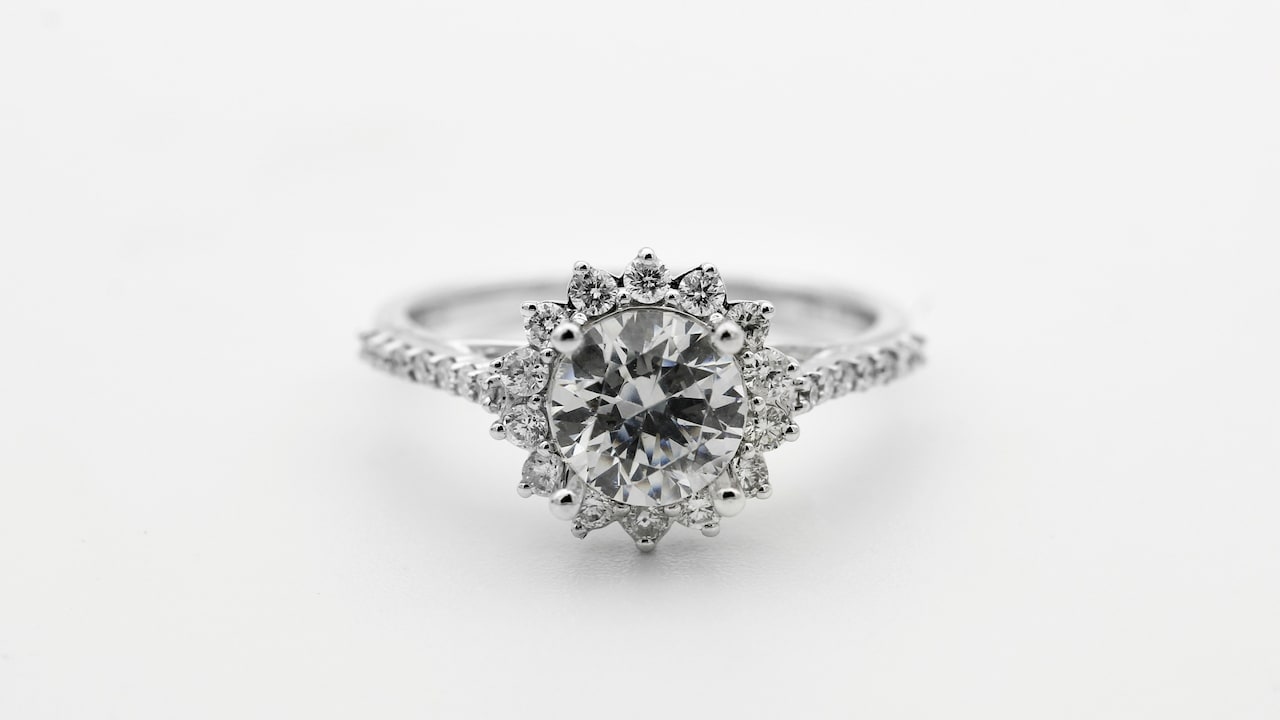
Why Adjustable Rings Bend Out Of Shape and How To Choose Ones That Last; Photo Credit: Pexels
8. Price Isn't Everything, But Too Cheap Is a Warning
Budget-friendly jewellery attracts many buyers. However, extremely low prices often signal compromised materials or workmanship. Adjustable rings at throwaway prices bend faster than expected.
Quality metals and skilled labour cost more. A slightly higher investment often results in a ring that lasts years rather than weeks. This doesn't mean luxury pricing. It means realistic pricing.
Comparing similar designs across price ranges reveals differences in weight, finish, and strength. Heavier rings usually indicate better material quality.
Spending wisely upfront avoids repeated replacements. A durable adjustable ring offers better value than several bent ones cluttering drawers.
9. Caring for Adjustable Rings the Right Way
Proper care extends the life of adjustable rings. Gentle cleaning preserves metal strength. Harsh chemicals weaken alloys and accelerate bending.
Using mild soap and soft cloths works best. Avoid bending the ring while cleaning. Dry thoroughly before storage to prevent corrosion.
Avoid sleeping with adjustable rings. Night-time movements apply unpredictable pressure. Rings often bend during sleep without notice.
Regular inspection helps too. Spotting early signs of bending allows gentle correction before permanent damage sets in. Care transforms adjustable rings from short-term accessories into lasting companions.
10. When Adjustable Rings Make Sense and When They Don't
Adjustable rings shine in certain situations. They suit gifting, occasional wear, and fashion-forward styling. They adapt to finger size changes caused by weather or lifestyle shifts.
For daily wear, sturdier designs or fixed-size rings may work better. Adjustable rings struggle under constant stress. Choosing them for lighter use extends their life.
Stacking adjustable rings increases bending risk. Each ring presses against the others, amplifying pressure. Mixing adjustable and fixed rings reduces this effect.
Knowing when to choose adjustable designs ensures satisfaction. They offer flexibility and charm when used thoughtfully, without unrealistic expectations.
Products Related To This Article
1. GIVA 925 Silver Anushka Sharma Vintage Couple Band
2. THE MARKETVILLA 925 Silver Rings for Women Pure Silver
3. Clara Pure Real 925 Sterling Silver Adjustable Ring Band
4. GIVA 925 Sterling Silver Zircon Beachy Waves Ring For Women
5. ZAVYA 925 Pure Silver Finger Ring Rhodium Plated Minimal Ring Jewelry For Women
6. 925 Pure Sterling Silver Adjustable Rings for Women
7. Celestial Stacking Ring
Adjustable rings offer convenience and versatility, but they demand informed choices. Choosing the right metal, thickness, and design makes all the difference. Craftsmanship outweighs brand hype. Small care habits protect rings from everyday damage. Adjustable rings work best when chosen with intention and worn with awareness. With the right approach, adjustable rings can remain stylish, comfortable, and dependable.
(Disclaimer: This article may include references to or features of products and services made available through affiliate marketing campaigns. NDTV Convergence Limited (“NDTV”) strives to maintain editorial independence while participating in such campaigns. NDTV does not assume responsibility for the performance or claims of any featured products or services.)