10 Reasons Backpack Straps Can Feel Uncomfortable Despite Thick Padding
Thick padding does not always mean better comfort. Poor strap design, uneven weight, wrong adjustment and heat build-up can still leave your shoulders sore. Here are 10 common reasons backpack straps feel uncomfortable.

Why Backpack Straps Feel Uncomfortable Despite Extra Padding
A backpack can look like the picture of comfort in a shop. The straps feel soft when pressed between two fingers, the back panel resembles a miniature mattress, and everything seems ready for a long commute. Then comes reality. Twenty minutes into a crowded train journey or a walk from the bus stop, those supposedly comfortable straps begin digging into the shoulders. One side starts feeling heavier. The neck tightens. By lunchtime, taking the bag off feels almost as satisfying as removing tight formal shoes after a wedding. The problem is that comfortable backpack straps involve far more than padding. A thick layer of foam can soften pressure, but it cannot correct poor proportions, uneven weight, awkward positioning or unsuitable materials. In some cases, extra padding actually creates new problems. Understanding what makes backpack straps uncomfortable can help when choosing a new bag and when adjusting the one already hanging behind the bedroom door. Here are ten common reasons thick straps do not always translate into happy shoulders.

Why Backpack Straps Feel Uncomfortable Despite Extra Padding; Photo Credit: Pexels
Why Padded Backpack Straps Still Cause Discomfort
1. The Straps Are Too Narrow
A strap can contain plenty of padding and still feel uncomfortable if it is simply too narrow.
Narrow straps concentrate the backpack's weight over a smaller area of the shoulder. Imagine carrying a heavy grocery bag with thin handles. Even if those handles contain soft foam, they can still dig into the hand because the pressure remains focused on a tiny area. Backpack straps work in much the same way.
Wider straps spread the load across more of the shoulders and upper chest. This becomes especially important when carrying a laptop, charger, water bottle, notebooks and the mysterious collection of cables that somehow accompanies modern life.
The ideal width also depends on body size. A very broad strap may overwhelm a smaller frame, while a narrow one may feel inadequate on broader shoulders.
Padding should therefore work together with sensible strap width. When comparing backpacks, do not judge comfort by squeezing the foam alone. Put the bag on, add some weight and notice how much of the shoulder actually supports the strap.
Also Read: Shop Backpacks For Work, College, And Adventure Trips At Up To 80%
2. The Padding Is Too Soft
Soft padding sounds luxurious, but extremely soft foam can become surprisingly uncomfortable under weight.
When a heavily loaded backpack presses down, very soft padding compresses quickly. Once flattened, it offers less support than expected. The strap may then feel as though the weight is pushing straight through the foam and into the shoulder.
There is another problem. Squishy straps can move around more easily. During a brisk walk to the station or a dash across campus before the rain starts, the straps may shift with every step. That constant movement creates rubbing and makes the backpack feel less stable.
Good padding usually needs some structure. It should compress enough to cushion the shoulder while remaining firm enough to distribute pressure. Think of the difference between sitting on a supportive sofa cushion and sinking into an ageing beanbag. One supports; the other simply collapses.
So, thicker does not necessarily mean better. Dense, resilient foam often provides greater comfort than enormous straps filled with material that turns pancake-flat the moment a loaded backpack goes on.
3. The Backpack Is Carrying Too Much Weight
Sometimes the straps are innocent. The backpack is simply too heavy.
A beautifully designed pair of padded straps cannot perform magic when asked to support a bag packed like luggage for a week-long holiday. Laptops, power banks, lunch boxes, books, gym clothes and large water bottles add weight faster than expected.
Heavy loads increase downward pressure on the shoulders. Padding may soften the contact point, but the muscles still have to support and stabilise the weight. After enough time, fatigue develops around the shoulders, upper back and neck.
This often explains why a backpack feels perfectly comfortable during a short trial in a shop but unpleasant during the Monday commute. The display model contains tissue paper. The real version contains half the household.
Regularly clearing unnecessary items can make a bigger difference than buying thicker shoulder straps. Old receipts weigh almost nothing, of course, but spare chargers, forgotten notebooks and a second water bottle certainly do.
Comfort begins with sensible packing. Even excellent straps can only compensate for so much weight before the shoulders start filing formal complaints.
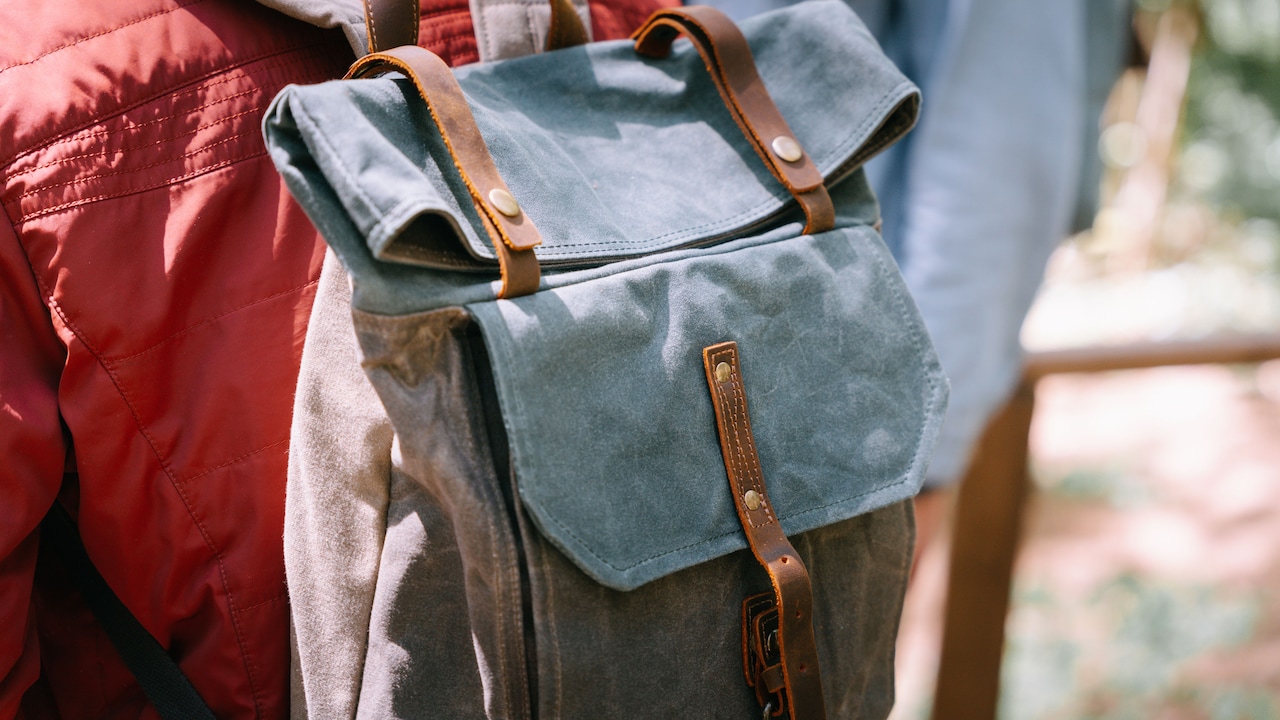
Why Backpack Straps Feel Uncomfortable Despite Extra Padding; Photo Credit: Pexels
4. The Straps Are Adjusted To The Wrong Length
Many uncomfortable backpacks need an adjustment rather than an upgrade.
When shoulder straps are too loose, the backpack hangs low and pulls backwards. That movement forces the shoulders to resist the load instead of allowing the bag to remain close to the body. The result can be pressure around the shoulders and tension through the upper back.
Pull the straps excessively tight, however, and another problem appears. The backpack may press firmly against the back while the straps pinch around the shoulders or underarms. Movement can then feel restricted, particularly while climbing stairs or reaching for an overhead train handle.
The correct setting usually keeps the backpack comfortably close without crushing the shoulders. Both straps should also sit at roughly equal lengths.
This sounds obvious, yet backpacks often spend months with one strap slightly longer than the other. Perhaps someone once loosened it to swing the bag off quickly and never readjusted it.
Those few centimetres matter. Before blaming the padding, spend a minute changing the strap length while the backpack contains its usual load. Small adjustments can produce surprisingly large improvements.
5. The Strap Shape Does Not Match Your Shoulders
Shoulders do not arrive in one standard shape, yet backpack straps sometimes appear to assume otherwise.
Some people have broad shoulders. Others have narrow or sloping ones. Chest width, torso length and posture also affect how straps naturally sit. A strap design that feels brilliant for one person can feel irritating for another.
Straight straps, for example, may sit comfortably on certain frames but rub against the neck on narrower shoulders. Curved or contoured straps often follow the body more naturally, although even these must match the wearer's proportions.
When the shape is wrong, padding cannot fully solve the problem. The foam may feel wonderfully soft, but pressure develops in the wrong places. One edge may dig near the neck while another section barely touches the shoulder.
This is why trying on a backpack matters. Online dimensions and photographs reveal plenty, but they cannot show exactly how a strap follows a particular body shape.
A backpack should feel as though the straps belong on the shoulders rather than merely resting somewhere in their general neighbourhood.
6. The Load Inside The Bag Is Uneven
The way a backpack is packed can quietly sabotage otherwise comfortable straps.
Place a heavy laptop, large bottle and power bank towards one side, and the bag may start pulling unevenly. One shoulder then carries more pressure while the other strap feels oddly loose. After an hour, the imbalance becomes difficult to ignore.
Loose items can also shift while walking. A bottle rolling towards one corner or a stack of books leaning backwards changes the backpack's centre of gravity. The shoulders and back constantly make small corrections to keep everything stable.
Packing heavier items close to the back usually helps the backpack sit more naturally. Spreading weight evenly between the left and right sides also reduces unwanted pulling.
Compartments can make this easier, but they need sensible use. A backpack with twelve pockets encourages the delightful temptation to fill all twelve.
Before adjusting straps repeatedly, place the bag on a table and examine its contents. Rearranging a laptop, lunch box and bottle may improve comfort without spending a single rupee. Sometimes the real culprit is not the strap but what is happening behind it.
7. The Strap Edges Are Too Stiff
The middle of a backpack strap may feel wonderfully soft while its edges cause all the trouble.
Manufacturers often reinforce straps with strong stitching, binding or synthetic edging so they maintain their shape and survive daily use. That construction improves durability, but stiff edges can rub against the neck, shoulders or upper arms.
The irritation becomes more noticeable in hot weather. A thin T-shirt offers less protection than a jacket, while sweat increases friction. Suddenly, a strap that seemed perfectly pleasant in an air-conditioned shop feels rather less charming during a humid afternoon commute.
Check the entire strap rather than pressing only its padded centre. Run a hand along the seams and edges. Rough stitching, hard piping or sharp transitions between materials can reveal potential pressure points.
New backpacks sometimes soften slightly with use, but uncomfortable construction rarely transforms completely.
Good shoulder straps need more than cushioning. Their edges should flex naturally and feel smooth against clothing. After all, the softest pillow would not be particularly inviting if somebody stitched a rigid plastic rim around it.
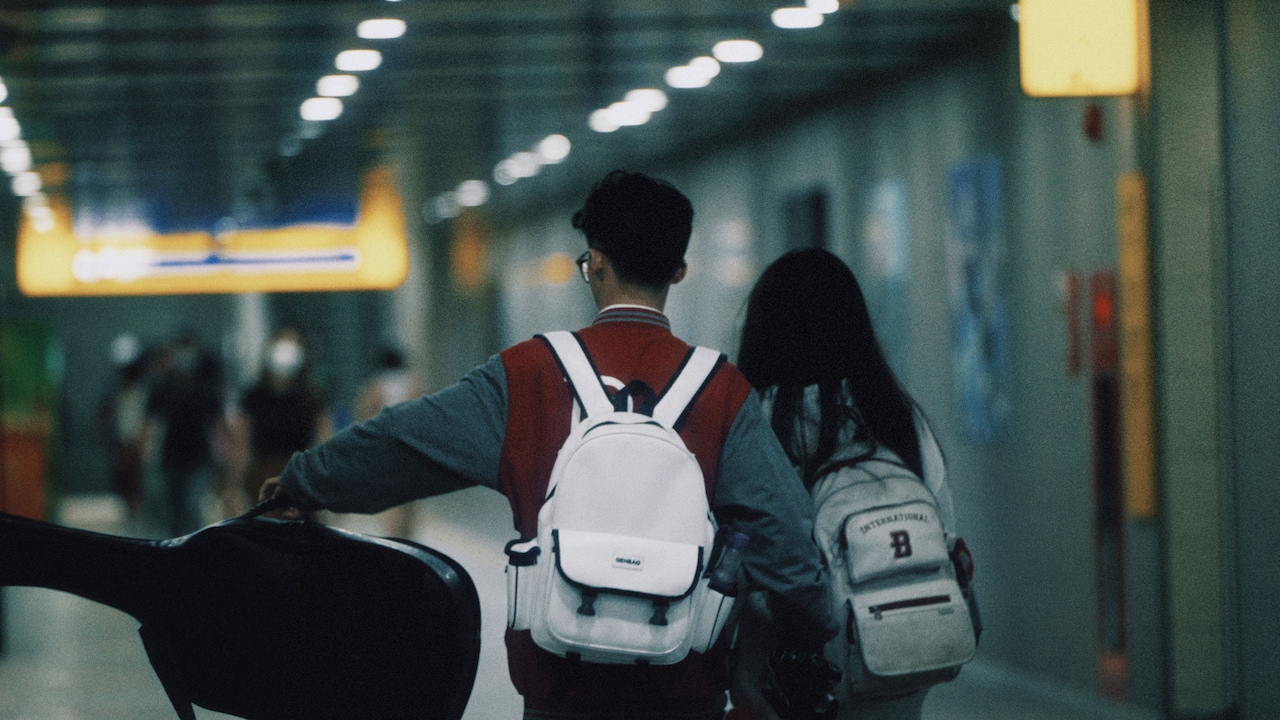
Why Backpack Straps Feel Uncomfortable Despite Extra Padding; Photo Credit: Pexels
8. Poor Breathability Makes The Straps Feel Worse
Comfort is not only about pressure. Heat and moisture matter too.
Thick shoulder padding can trap warmth, especially when covered with dense synthetic fabric. During a summer commute, the area beneath the straps may quickly become sweaty. Once moisture builds up, the straps can start feeling sticky and abrasive.
This explains why some backpacks feel comfortable for ten minutes but irritating after forty. Nothing about the padding has changed, yet the skin, clothing and strap surface now interact differently.
Breathable mesh can help by allowing more airflow around the shoulders. Moisture-wicking materials may also reduce the clammy sensation that develops during long walks or scooter rides.
There is a trade-off, though. Coarse mesh can create friction of its own, particularly against delicate clothing. A breathable strap still needs a smooth surface.
People who regularly carry backpacks outdoors should pay attention to ventilation as closely as padding thickness. A centimetre of extra foam sounds impressive on a product tag, but a cooler, drier strap may feel far better after an hour beneath the afternoon sun.
9. The Backpack Sits Too Low On Your Back
A backpack hanging near the hips may look relaxed, but the shoulders may disagree with that styling choice.
When the bag sits too low, its weight moves farther away from the upper body's natural centre of support. The backpack then tends to pull backwards, placing greater strain on the shoulder straps and encouraging the wearer to lean forwards slightly.
That posture might not feel dramatic at first. Over a long commute, however, the constant pull can create fatigue around the shoulders and upper back.
Shortening the straps usually lifts the bag into a more stable position. The backpack should generally sit close to the back rather than bouncing behind it with every step.
Torso length also matters. Some backpacks are simply too long for smaller frames, meaning even fully tightened straps cannot position the bag correctly.
Watch how the bag moves while walking. If it swings, bounces or repeatedly pulls away from the body, its position may be causing more discomfort than the padding itself.
A well-positioned backpack should move with the wearer, not trail behind like an unwilling travel companion.
10. The Backpack Lacks Proper Load Support
Shoulder straps should not always do all the work.
Larger backpacks often include features such as sternum straps, supportive back panels or hip belts. These components help stabilise the bag and distribute weight across different parts of the body. Without them, even thick shoulder padding may struggle with heavier loads.
A sternum strap connects the two shoulder straps across the chest, helping prevent them from sliding outwards. This can make a backpack feel noticeably steadier during long walks.
Hip belts become particularly useful with bigger travel or trekking bags. When fitted correctly, they allow part of the load to rest around the hips instead of hanging entirely from the shoulders.
Everyday office or college backpacks may not require elaborate harness systems, but basic structure still matters. A flimsy back panel and two enormous padded straps do not automatically create good support.
Think of the backpack as a complete system. Straps, back panel, compartments and stabilisers need to cooperate.
Great padding can soften pressure. Good design prevents excessive pressure from developing in the first place. That distinction often separates a merely plush backpack from a genuinely comfortable one.
Products Related To This Article
1. Allen Solly Brand Logo Printed Backpack
2. Wildcraft Women Printed Backpack
3. StyleCast x Revolte Women Geometric Backpack
4. Kenneth Cole Women Brand Logo Printed Backpack
5. WROGN ASHPER Ergonomic Water Resistant Backpack with USB Charging Port & Rain Cover 31L
6. ZOUK Women Black Floral Printed Vegan Leather Backpack With Compression Straps-Up to 16 inch
7. AMERICAN TOURISTER Unisex Colourblocked Backpack - 27L
Thick backpack straps certainly have their place. Nobody wants thin pieces of webbing digging into the shoulders during a morning commute. Yet padding represents only one part of backpack comfort.
Strap width, foam density, body shape, adjustment and bag position all influence how pressure reaches the shoulders. Packing habits matter too. A poorly balanced collection of electronics, books, bottles and snacks can defeat even thoughtfully designed straps.
Before replacing an uncomfortable backpack, experiment with the simple things. Remove unnecessary weight, distribute the remaining items evenly and adjust both shoulder straps carefully. Notice whether the bag sits close to the body and whether stiff edges or sweaty materials are causing irritation.
When buying a new backpack, resist judging comfort with the traditional shop-floor squeeze test. Load it if possible. Wear it. Walk around. Pay attention to where the straps touch and how the weight feels.
The most comfortable backpack is not necessarily the one with the fattest straps. It is the one that spreads weight sensibly, follows the body naturally and quietly does its job without making the shoulders demand attention. Explore the wide collection available on Myntra today to find the right backpack for you.
(Disclaimer: This article may include references to or features of products and services made available through affiliate marketing campaigns. NDTV Convergence Limited (“NDTV”) strives to maintain editorial independence while participating in such campaigns. NDTV does not assume responsibility for the performance or claims of any featured products or services.)