Why Banarasi Sarees Are Timeless: The Craft, Culture and Meaning Behind the Weave
Banarasi sarees are timeless weaves that celebrate craftsmanship, culture, and the deeper meaning behind their enduring appeal. Here are 10 reasons that make Banarasi sarees a timeless wardrobe piece.
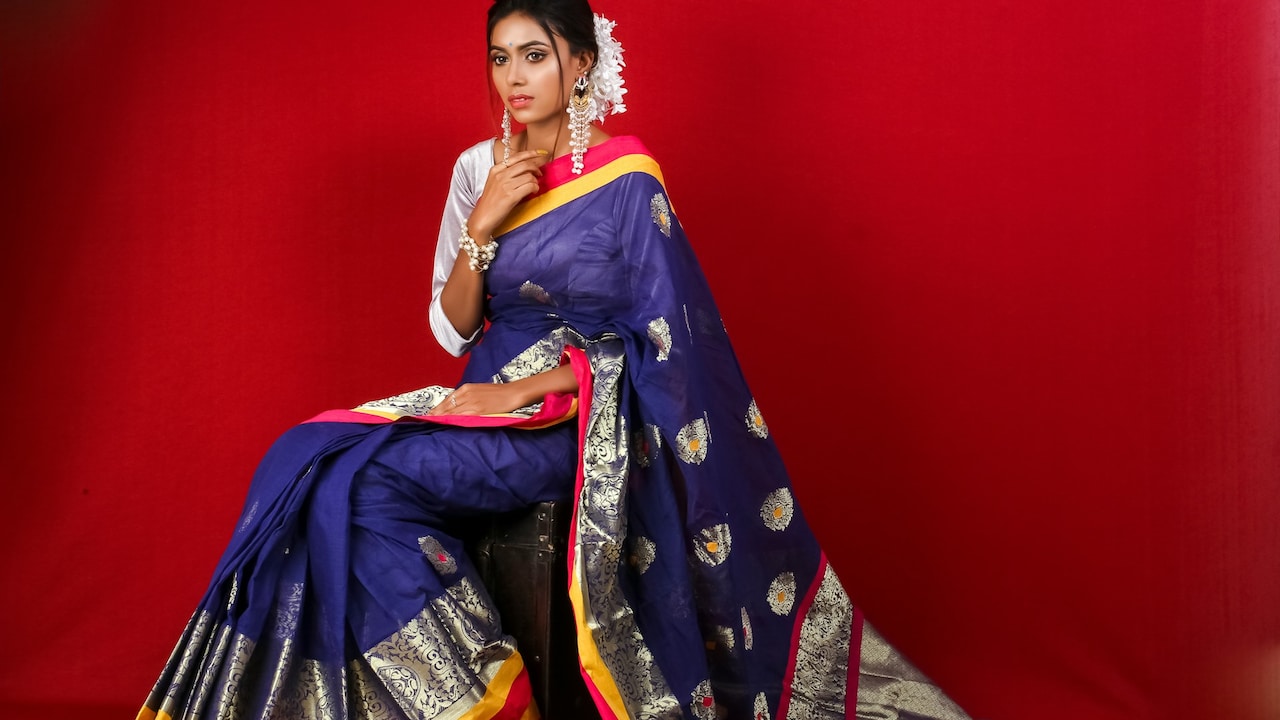
The Weight, The Weave, The Story: What Makes Banarasi Sarees Timeless.
Some garments never shout for attention. A Banarasi saree belongs to that rare league. It does not rely on novelty or reinvention to stay relevant. It draws strength from continuity. Generations recognise its gleam instantly, often before learning its name. A wedding trousseau feels incomplete without it. A festive morning somehow feels warmer when silk rustles softly with every step. Banaras, with its narrow lanes and early morning looms, has shaped this saree over centuries. Yet the fabric travels far beyond the city. It appears at weddings in Jaipur, pujas in Kolkata, milestones in Chennai and celebrations in small towns where jewellery stays modest but sarees speak loudly.
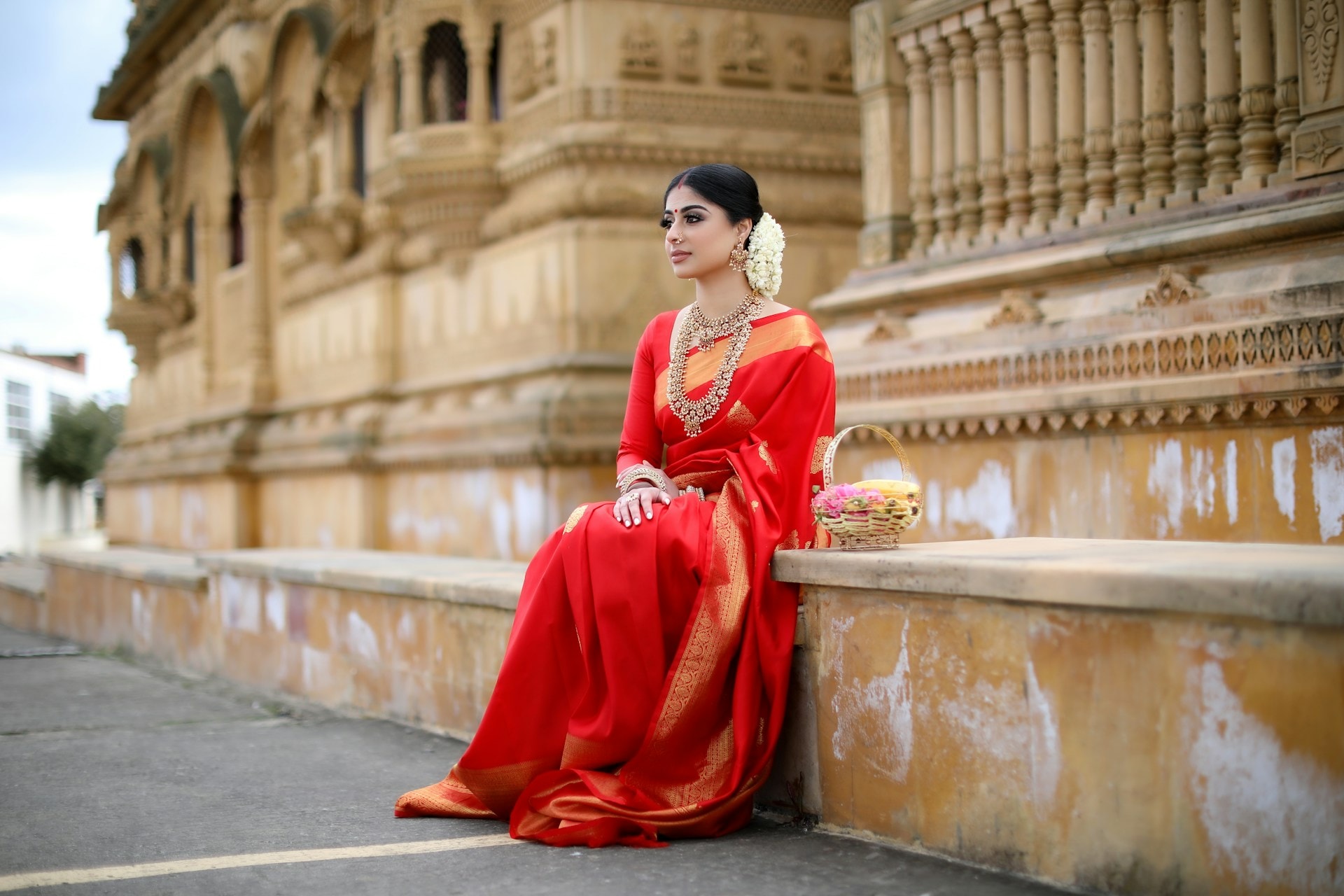
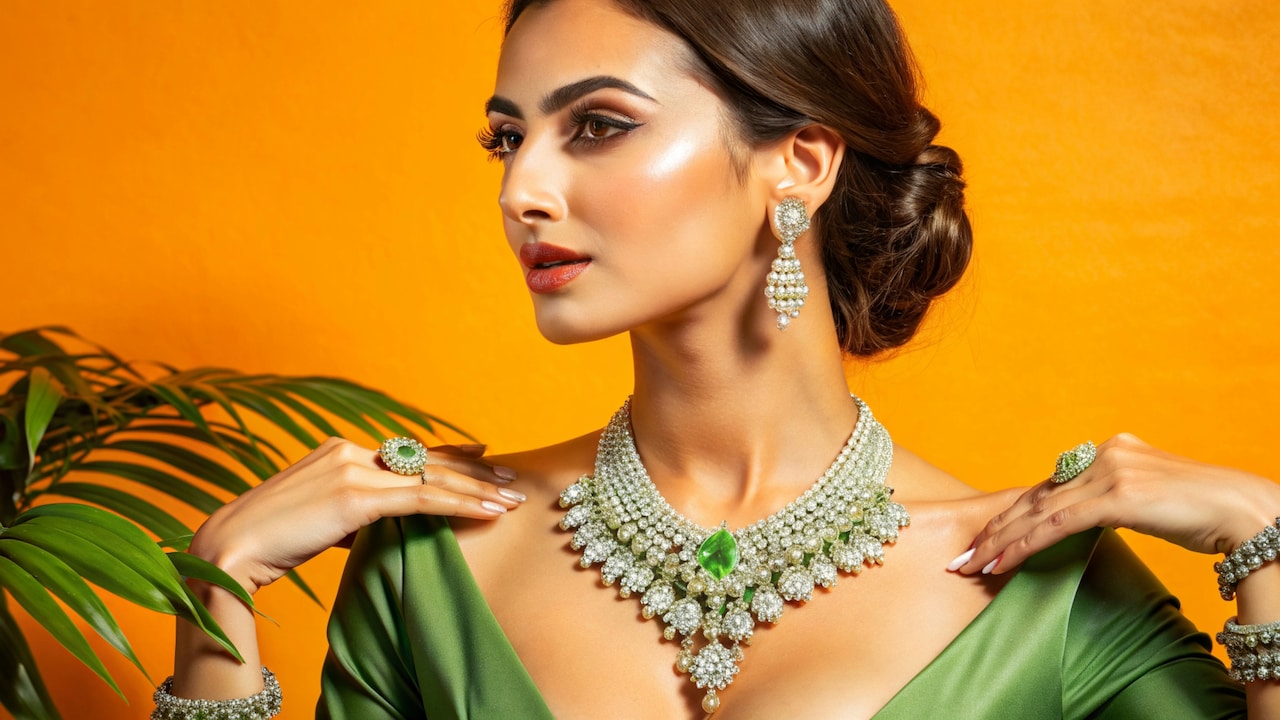
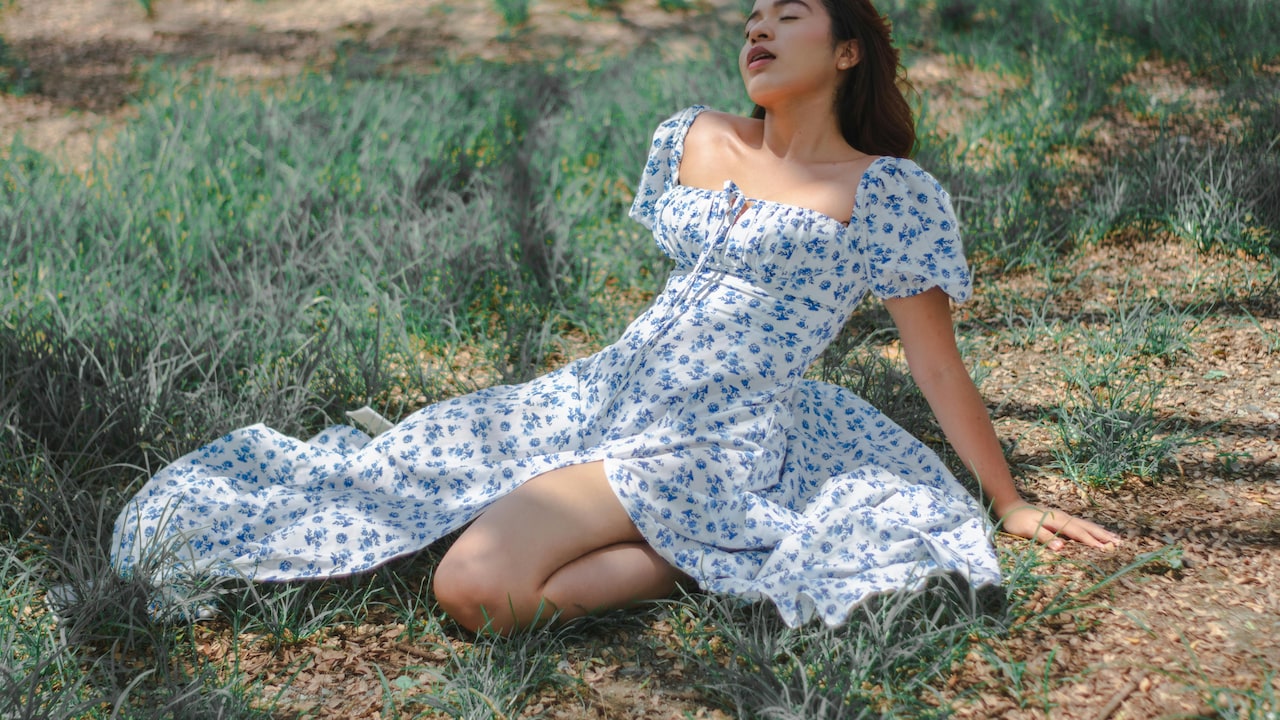
Discover all about Banarasi sarees and what makes them iconic; Photo Credit: Unsplash
Timelessness does not arrive by accident. It grows through craft, discipline and emotion. The Banarasi saree holds all three. To understand its enduring appeal, know why Banarasi sarees are timeless - 10 reasons from the craft, culture and meaning behind the weave.
More Than Silk: The Elements That Make a Banarasi Endure
1. The Weight That Grounds and Glorifies
A Banarasi saree announces itself the moment it rests on the arm. The weight feels deliberate, never accidental. That heaviness comes from pure silk, dense weaving and generous zari. It does not aim for ease alone. It aims for presence.
That weight changes posture. Shoulders straighten. Movements slow down. The wearer becomes conscious of space and grace. At weddings, elders often remark that a bride looks “settled” in a Banarasi. The fabric supports that feeling, both literally and emotionally.
Unlike lighter silks that float, Banarasi silk anchors. It suits rituals that demand stillness, patience and time. The saree stays firm through hours of ceremonies, photographs and blessings. No constant tugging or adjusting breaks the moment.
In households, mothers often pass on Banarasi sarees with the same care as gold.
The logic stays simple. A heavy saree lasts. It resists wear. It ages slowly. Even after decades, the silk holds its shape, and the zari keeps its shine. That reassuring weight turns the saree into an heirloom rather than a trend.
2. The Weave That Rewards Patience
Every Banarasi saree begins long before it reaches a showroom. The loom sets the pace. Hands follow the rhythm. Eyes stay alert. The weave demands patience that modern machines cannot replicate.
Weavers often spend weeks on a single saree. Each motif requires focus. Each thread demands accuracy. A missed count can distort the entire design. This discipline shows in the final fabric. Patterns align perfectly. Borders feel deliberate, not rushed.
The weaving technique allows complexity without chaos. Floral jaals spread evenly. Paisleys sit balanced. Geometric patterns maintain harmony. The saree feels rich but never cluttered.
This patience reflects in how people treat the garment. Owners rarely rush to wear it casually. They choose moments that matter. Festivals. Weddings. Anniversaries. The saree teaches the value of waiting.
In a world obsessed with speed, the Banarasi weave quietly resists urgency. It proves that beauty often arrives slowly. That truth gives the saree relevance even today, when mindfulness and craft regain importance in conversations around clothing.
3. Zari That Carries Quiet Power
Zari defines the Banarasi saree. Gold and silver threads do more than decorate. They tell stories of wealth, devotion and celebration.
Earlier, artisans used real gold and silver, beaten into fine wires and wrapped around silk. While modern versions often use tested alloys, the visual impact remains striking. Light catches the zari differently throughout the day. Morning sun softens it. Evening lamps deepen their glow.
Zari motifs often draw from nature and architecture. Creepers, lotuses and mango shapes appear frequently. These patterns echo temple carvings and palace walls. The saree becomes a moving canvas of cultural memory.
Unlike flashy embellishments, zari holds restraint. It shines without screaming. That balance allows the saree to suit both grand weddings and dignified rituals.
Many families recall a grandmother's saree with thicker zari, heavier borders and deep hues. Those sarees often survive decades with care. The zari does not fade easily. It stands as proof that craftsmanship, when respected, outlasts time and trend.
4. Colours That Speak Without Words
Banarasi sarees rarely rely on experimental shades. They favour depth over novelty. Rich reds, royal blues, emerald greens and warm maroons dominate wardrobes. These colours carry symbolism rooted in ritual and emotion.
Red often marks beginnings. Brides gravitate towards it instinctively. Green suggests prosperity. Yellow reflects joy. Ivory suits solemn ceremonies. Each shade fits into moments of life, not seasons of fashion.
Dyeing silk requires expertise. Too much pigment dulls the sheen. Too little weakens impact. Skilled dyers achieve balance, allowing silk to glow rather than glare.
These colours age gracefully. Even after years, they retain richness. A Banarasi saree worn by a mother years ago still photographs beautifully today. The colour story stays relevant across generations.
Designers may experiment with pastels or unusual combinations, but classics continue to dominate. That consistency reassures buyers. When investing ₹50,000 or more, predictability brings a sense of comfort. The saree promises beauty today and tomorrow, without demanding constant validation from trends.
5. Motifs That Preserve Memory
Motifs give Banarasi sarees their language. Each pattern holds meaning shaped by history, religion and daily life.
The kalga and bel motifs draw from Mughal influence. Shikargah designs depict hunting scenes, rare and prized. Floral jaals symbolise abundance. Geometric borders reflect order and balance.
These motifs pass from one generation of weavers to the next. Many families guard pattern books like treasures. Losing a motif means losing a story.
Wearers often form an emotional connection with certain designs. A lotus may remind someone of a wedding ritual. A mango motif might recall a grandmother's favourite saree. The fabric becomes personal, not generic.
Unlike printed designs, woven motifs feel alive. Fingers trace the pattern absentmindedly. Eyes follow the rhythm of repetition. The saree invites touch and attention.
This intimate connection keeps Banarasi sarees relevant. They do not rely on external validation. They carry meaning within, waiting for someone to recognise and cherish it.
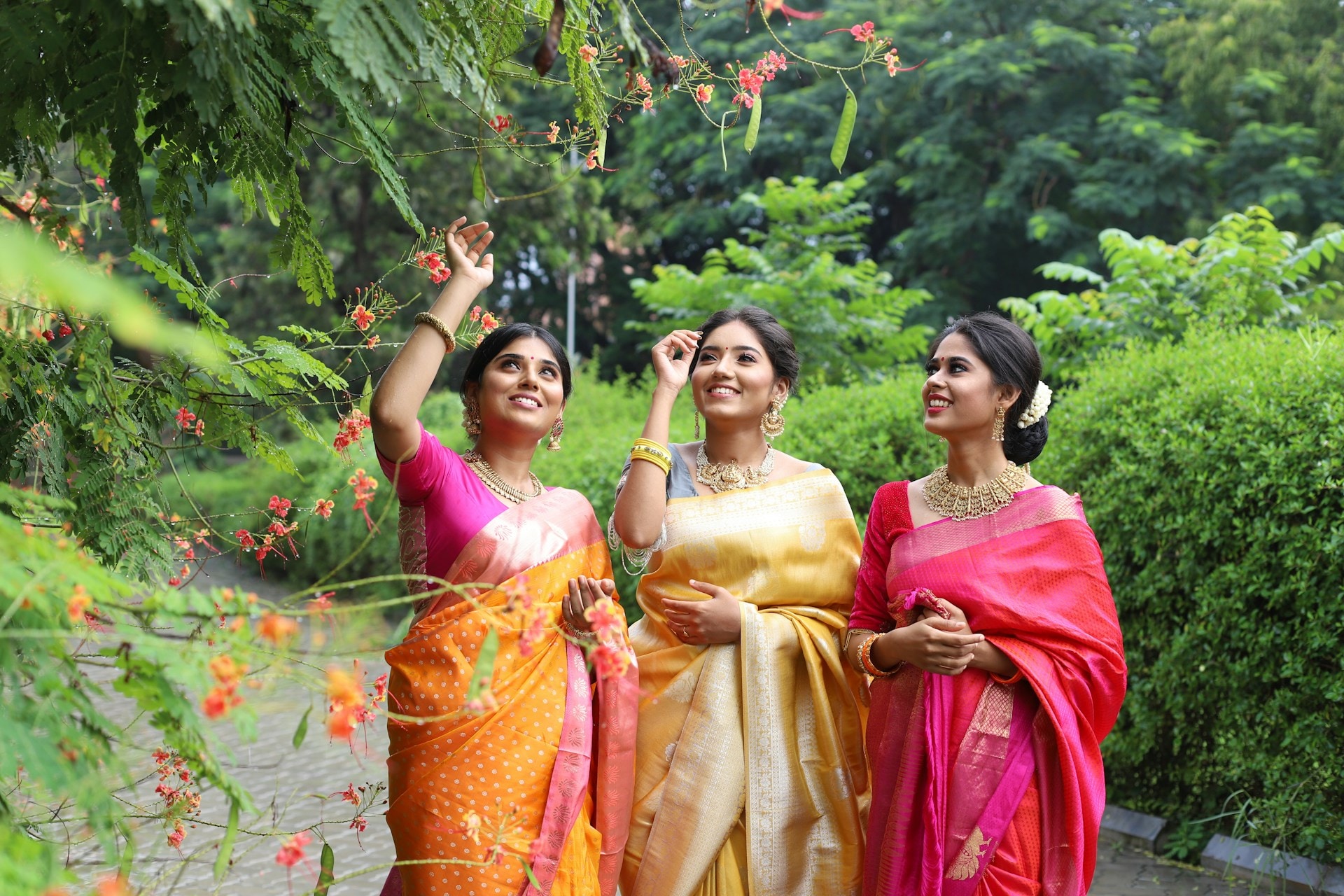
Banarasi sarees feature motifs inspired by history, culture, and daily life; Photo Credit: Unsplash
6. Occasion-Wear That Refuses to Retire
Many garments limit themselves to specific occasions. Banarasi sarees break that rule subtly. While they shine at weddings, they also suit quieter moments.
A simple Banarasi with minimal zari works beautifully for pujas, milestone birthdays and formal gatherings. Paired with a plain blouse, it feels elegant rather than excessive.
Modern wardrobes often mix tradition with ease. Women now style Banarasi sarees with contemporary blouses, belts or minimal jewellery. The saree adapts without losing identity.
This versatility extends lifespan. The saree does not sit untouched for years. It steps out often, collecting new memories.
Retailers notice this shift. Lighter Banarasi weaves now attract younger buyers who want heritage without heaviness. Prices range widely, from ₹15,000 to several lakhs, making entry easier.
By refusing retirement, the Banarasi saree proves timelessness does not mean stiffness. It evolves quietly, allowing each generation to wear it their way.
7. A Family Heirloom in Waiting
Few garments inspire the urge to pass them on. Banarasi sarees do so naturally. Mothers often speak about saving one special saree for a daughter's wedding. That intention gives the fabric emotional weight.
Storage rituals reflect respect. Sarees rest in a muslin cloth. Neem leaves protect them. Annual airing becomes a small ceremony. Each fold carries memory.
When the saree reappears years later, it brings stories with it. “This one was worn at…” Conversations begin. Younger members listen. History transfers gently.
Unlike jewellery, sarees show age with grace. Minor creases, softened silk and mellowed zari add character. They do not signal decline. They signal life lived.
This heirloom quality justifies the investment. Spending ₹80,000 feels reasonable when the saree promises decades of relevance. It does not chase trends. It creates continuity, binding generations through fabric rather than words.
8. Craftsmanship That Demands Respect
Behind every Banarasi saree stands a community of skilled artisans. Their expertise comes from years of learning, not shortcuts.
Weaving silk with zari strains the body. Long hours at the loom test eyesight and posture. Yet pride sustains the effort. Each finished saree represents mastery.
Buyers who understand this craft often treat the saree differently. Care instructions matter. Dry cleaning happens sparingly. Storage remains thoughtful.
Supporting authentic craftsmanship also protects livelihoods. Handwoven Banarasi sarees compete with power loom imitations that cost less. Recognising quality becomes essential.
Authentic pieces show subtle irregularities that machines cannot replicate. The fabric breathes. The weave feels alive.
Choosing handwoven Banarasi sarees becomes a conscious act. It values skill over speed. That respect strengthens the saree's timeless appeal, anchoring it in ethics as well as beauty.
9. Modern Lives, Ancient Threads
Urban lifestyles change rapidly. Yet Banarasi sarees find space within them. Corporate professionals wear them to formal events. Artists drape them casually. Brides mix them with minimal makeup and bold confidence.
Social media introduces Banarasi sarees to younger audiences. Styling videos, heritage stories and behind-the-loom glimpses spark curiosity. The saree no longer feels intimidating.
Designers collaborate with weavers to create lighter versions, contemporary palettes and innovative borders. These adaptations attract first-time buyers without diluting the essence.
This dialogue between past and present keeps the saree alive. It does not fossilise. It converses.
The Banarasi saree proves tradition thrives when it listens. It respects roots while welcoming change. That flexibility ensures relevance, not as nostalgia but as lived experience in modern wardrobes.
10. Emotion Woven Into Every Fold
Ultimately, Banarasi sarees endure because of emotion. They mark beginnings. They witness vows. They absorb blessings.
Many remember the first time they wore one. The mirror moment. The compliment from an elder. The feeling of stepping into something bigger than oneself.
These emotional imprints stay long after the saree returns to storage. The fabric becomes a reminder of confidence, celebration and belonging.
Unlike disposable fashion, Banarasi sarees encourage attachment. Owners name them. “The red wedding saree.” “The blue anniversary one.” The garment gains identity.
That emotional depth resists obsolescence. Trends fade. Feelings endure. As long as people seek meaning in what they wear, Banarasi sarees will continue to matter, whispering stories through silk and zari.
Products Related To This Article
1. Anouk Woven Design Zari Banarasi Saree
2. KALINI Women Silk Blend Woven Banarasi Saree With Blouse Piece
3. RUPSHIKA Woven Design Zari Art Silk Banarasi Saree
4. Silk Land Yellow & Turquoise Blue Ethnic Motifs Zari Art Silk Banarasi Saree
5. Mitera Ethnic Motifs Zari Designer Banarasi Saree
6. KALINI Maroon & Gold Ethnic Motifs Zari Silk Blend Banarasi Saree
7. Sangria Solid Banarasi Saree With Blouse Piece
Timelessness rarely announces itself loudly. It settles in quietly, through consistency, craft and connection. The Banarasi saree embodies all three. Its weight grounds. Its weave rewards patience. Its stories bind generations. The Banarasi saree does not belong to a moment. It belongs to memory, ritual and continuity.
(Disclaimer: This article may include references to or features of products and services made available through affiliate marketing campaigns. NDTV Convergence Limited (“NDTV”) strives to maintain editorial independence while participating in such campaigns. NDTV does not assume responsibility for the performance or claims of any featured products or services.)