Why Cheap Formal Trousers Start Shining After Repeated Wear
Cheap formal trousers often develop shiny patches after repeated wear. Friction, heat from ironing, and low-quality fabric blends flatten fibres over time, causing the cloth to reflect light and lose its original matte appearance.
Why Cheap Formal Trousers Start Shining After Repeated Wear: The Real Reasons Explained.
A freshly purchased pair of formal trousers often brings quiet satisfaction. The fabric looks smooth, the colour appears deep, and the crease down the leg feels sharp enough to signal professionalism. For many office-goers, affordable trousers provide a practical solution. Spending ₹900 or ₹1,500 on workwear feels sensible when wardrobes must balance budgets, weddings, school fees, and weekend groceries.
Yet something curious happens after months of regular use. The once-elegant trousers begin to shine in strange places. The seat looks glossy under office lights. The knees reflect sunlight during the commute. Even the pockets gain a faint polish that no one asked for.
This transformation does not signal luxury or sophistication. Instead, it hints at fabric fatigue. Cheap formal trousers often reveal their limitations over time. Friction, ironing habits, heat, and fabric blends slowly alter the surface of the cloth. The result feels almost ironic: trousers bought to appear professional begin to look worn out far too quickly.
Understanding why this shine develops requires a closer look at fabric science, everyday routines, and the realities of affordable clothing. Several factors quietly contribute to the glossy effect, each playing a small role in turning matte fabric into an unwanted mirror.
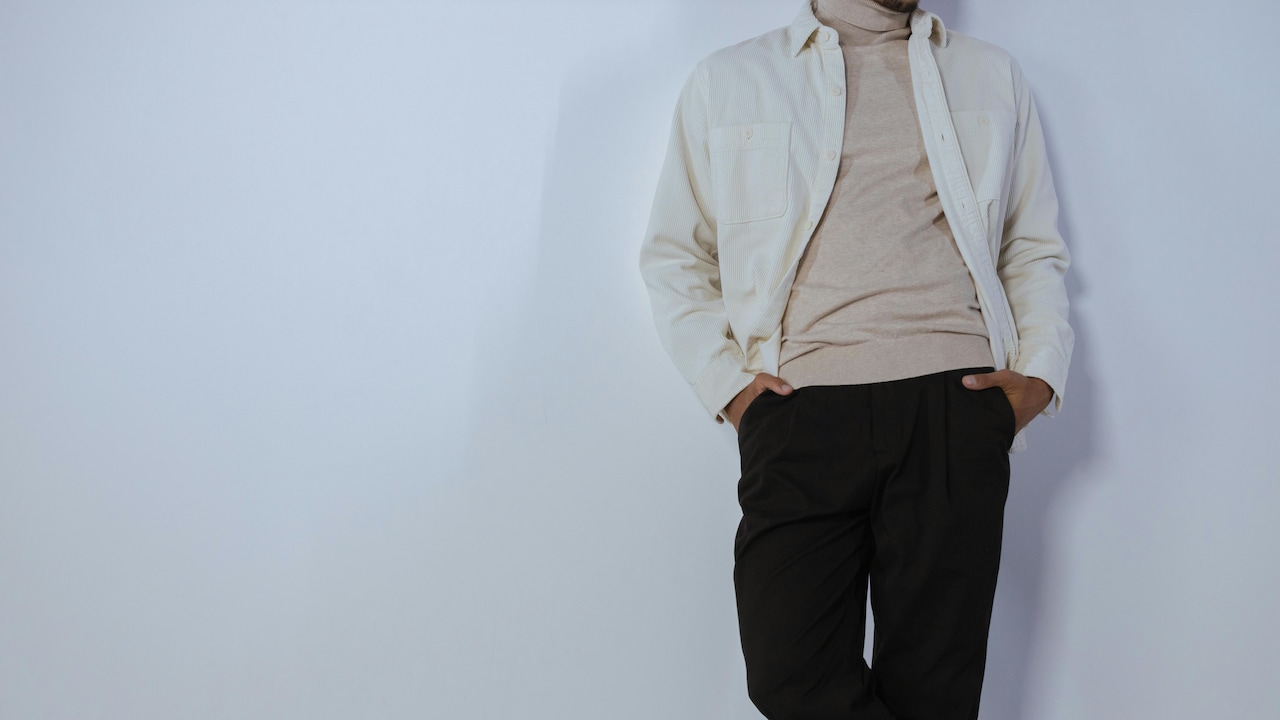
Why Cheap Formal Trousers Start Shining After Repeated Wear; Photo Credit: Pexels
Key Reasons Cheap Formal Trousers Develop Shine Over Time
The Fabric Quality Makes The First Difference
Cheap formal trousers often begin their journey with compromised fabric quality. Manufacturers aiming to keep prices around ₹800 or ₹1,200 rarely use premium fibres. Instead, they rely on synthetic blends such as polyester mixed with viscose or low-grade cotton.
These materials look presentable at first glance. The colour appears rich, and the texture feels smooth when new. However, cheaper fibres lack the durability and resilience of higher-quality fabrics. The surface fibres sit loosely and flatten easily when exposed to friction.
With repeated wear, those fibres compress instead of bouncing back. The flattened surface begins reflecting light differently. That reflection creates the shiny patches many people notice on older trousers.
Better fabrics maintain texture because their fibres twist tightly and resist compression. Wool blends, for instance, hold their structure for years. Synthetic blends in cheaper trousers struggle to do the same.
The difference becomes obvious after a few months of daily commuting, sitting on office chairs, and walking across tiled corridors. What once looked sharp slowly begins to resemble a polished surface rather than woven fabric.
Friction Slowly Polishes The Fabric
Daily life quietly polishes cheap trousers. Friction plays a powerful role in creating shine.
Every movement produces small rubbing motions. Sitting at a desk, sliding into a car seat, or climbing stairs creates constant contact between the fabric and surrounding surfaces. Over time, this friction presses the fibres flat.
The process resembles polishing leather shoes. Repeated rubbing smooths rough textures and creates shine. Fabric behaves in a surprisingly similar way.
Areas that experience the most contact show the earliest signs of gloss. The seat of the trousers often shines first because office chairs create constant pressure. Knees follow soon after due to bending and stretching. Even the front thighs develop a sheen from desk edges or laptop bags brushing against the cloth.
Cheap fabrics lack a protective fibre structure, so friction affects them faster. Within a few months, trousers that once looked professional start catching light in awkward ways during meetings or presentations.
Also Read: 7 Best Men's Trousers For Long Commutes That Balance Comfort And Style
Excessive Ironing Adds Unwanted Gloss
Ironing helps maintain crisp clothing. Yet excessive heat often contributes to the shine problem.
Many affordable trousers contain polyester or synthetic blends. These fibres respond poorly to high temperatures. When exposed to direct heat from an iron, the fibres soften slightly and flatten.
Repeated ironing presses the fabric surface more smoothly than intended. Instead of preserving texture, heat compresses the fibres permanently. Light then reflects evenly off the flattened area, creating shine.
Office workers who iron trousers daily sometimes accelerate this effect without realising it. The front thigh, seat, and pocket areas receive repeated pressing. After weeks of heat exposure, these spots begin to glow faintly under light.
Professional tailors often recommend placing a thin cotton cloth over trousers before ironing. This protective layer diffuses heat and prevents fibre compression. Unfortunately, rushed morning routines rarely allow such careful steps.
Over time, ironing meant to maintain elegance quietly turns affordable trousers glossy.
Cheap Dye And Finishing Treatments Wear Off
The colour and finish applied during manufacturing also influence how trousers age.
Budget clothing brands often use economical dyeing and finishing methods to control costs. These treatments initially give fabric a matte, uniform appearance. Some even include light chemical coatings that reduce shine when new.
However, repeated washing and wear gradually remove these coatings. Once the protective finish disappears, the underlying synthetic fibres become more visible.
These fibres reflect light more easily than natural materials like wool. As the surface treatment fades, the trousers begin to look shinier even without obvious damage.
People sometimes mistake this change for fabric thinning. In reality, the structure remains intact. The disappearance of the matte finish simply exposes the true nature of the synthetic blend.
The effect often becomes noticeable after ten to fifteen washes, particularly when strong detergents enter the laundry routine.
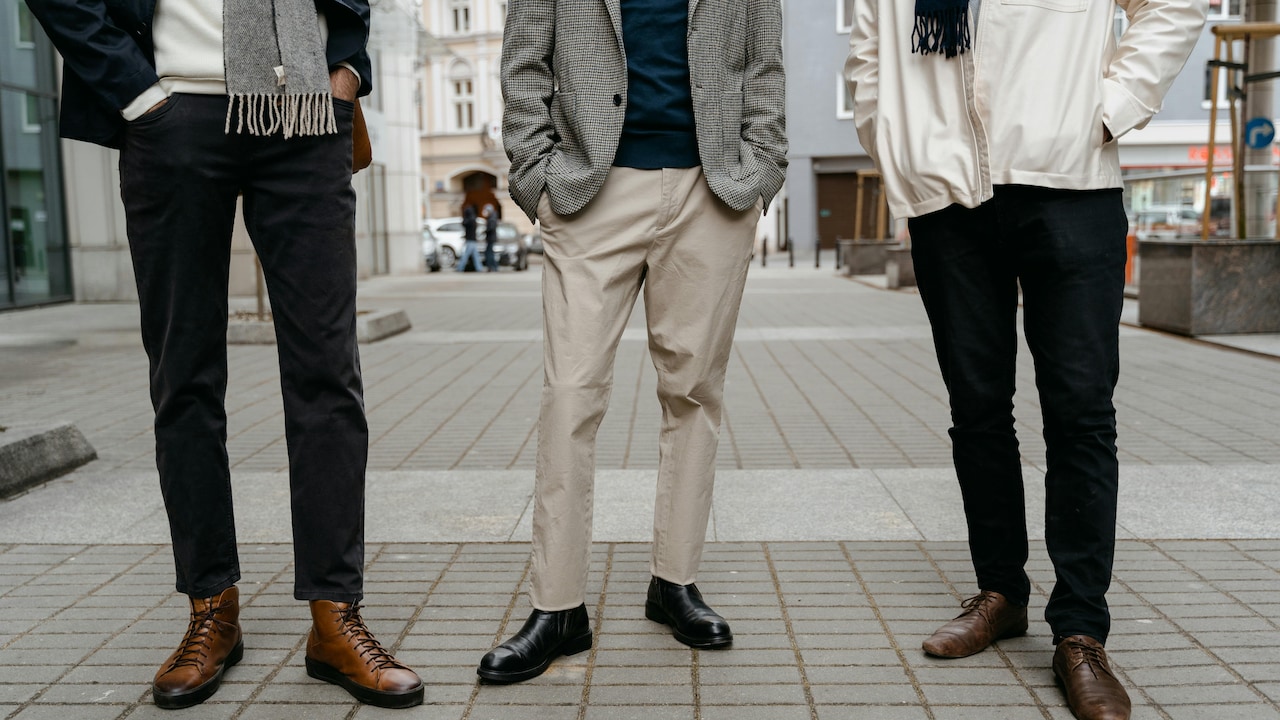
Why Cheap Formal Trousers Start Shining After Repeated Wear; Photo Credit: Pexels
Heat And Humidity Affect Fabric Behaviour
Climate conditions quietly influence how trousers age. Warm temperatures and humidity affect fabric fibres in subtle ways.
Synthetic materials soften slightly when exposed to heat. This softening makes fibres more susceptible to flattening under pressure. Commuters travelling in crowded trains or buses experience constant contact with seats and other passengers.
Sweat also plays a role. Moisture from the body dampens the fabric, making it more flexible. When damp fibres experience pressure, they flatten faster and remain compressed after drying.
Over time, this repeated cycle of heat, moisture, and pressure enhances the polished appearance of cheap trousers. The seat and thigh areas often show the strongest effect because they trap the most heat during long office hours.
While climate alone does not cause the shine, it accelerates the process when combined with friction and low-quality fibres.
Frequent Washing Weakens Fabric Texture
Laundry habits influence the lifespan of formal trousers more than many realise.
Cheap fabrics struggle to handle frequent machine washing. Aggressive spinning and strong detergents slowly weaken the fibre structure. As fibres lose strength, they become easier to flatten.
Each wash cycle removes microscopic surface fibres that help maintain a matte texture. Over time, the remaining fibres lie flatter against each other.
This flattened surface reflects light more efficiently, creating the familiar shine across worn areas.
Hot water worsens the effect. Heat softens synthetic fibres and encourages them to compress during the wash cycle.
People who wash trousers after every wear often notice the shine appearing sooner. Less frequent washing, combined with gentle detergents, can delay the process.
Simple habits sometimes extend the life of affordable clothing far more than expected.
Tight Fits Increase Surface Pressure
Modern fashion often favours slim or narrow cuts. While stylish, tight trousers experience greater pressure across the fabric surface.
When fabric stretches around the thighs or seat, the fibres remain under constant tension. This tension reduces the natural spacing between fibres and pushes them closer together.
As the wearer sits or moves, the stretched fabric rubs more intensely against chairs and other surfaces. The pressure and friction combination flattens the fibres rapidly.
Cheap fabrics rarely recover their original texture after this compression. Instead, they develop shiny patches exactly where the fabric stretches the most.
A looser fit distributes pressure more evenly. The fibres move naturally instead of staying under constant tension.
Slim cuts may look sharp when new, but affordable fabrics often struggle to maintain that appearance over months of wear.

Why Cheap Formal Trousers Start Shining After Repeated Wear; Photo Credit: Pexels
Office Chairs Become Unexpected Culprits
The humble office chair quietly contributes to the shine problem.
Many workplaces use chairs covered in synthetic materials such as vinyl or polyester mesh. These surfaces create significant friction against clothing.
Every shift in posture rubs the trousers against the chair surface. Eight hours of sitting multiplies this contact dramatically.
Unlike soft fabrics at home, office chairs rarely allow fibres to breathe or recover. Instead, they press against the same areas repeatedly throughout the day.
Over weeks and months, the seat of the trousers begins to look polished. The effect becomes especially noticeable under bright fluorescent office lighting.
Workers often blame laundry habits or fabric quality alone. Yet the daily relationship between chair and cloth plays a surprisingly large role.
The shine sometimes appears exactly where the chair edge meets the fabric.
Cheap Blends Contain More Synthetic Fibres
Affordable trousers rely heavily on synthetic materials for cost control.
Polyester offers durability and wrinkle resistance at a low price. However, polyester fibres possess smooth surfaces that reflect light easily when compressed.
Natural fibres like wool or high-quality cotton scatter light due to their irregular surfaces. This scattering prevents a strong shine even after long use.
Synthetic blends behave differently. Once flattened, the fibres align smoothly and reflect light like polished plastic.
Many budget trousers contain 60–80 per cent polyester. This composition explains why shine appears quickly compared with premium wool trousers that cost ₹4,000 or more.
The higher the polyester content, the greater the likelihood of glossy patches developing after months of wear.
While synthetic blends offer affordability, they sacrifice long-term visual quality.
Lack Of Fabric Recovery Causes Permanent Shine
One of the biggest differences between cheap and premium fabrics lies in recovery ability.
High-quality fibres spring back after compression. When someone stands up from a chair, the fabric gradually regains its original texture.
Cheap fibres struggle with this recovery process. Once flattened, they remain pressed together.
This permanent compression creates a surface that reflects light consistently. The shine therefore stays visible even after washing or resting the trousers for several days.
Many people attempt to remove the shine through brushing or steaming. While these methods may reduce the gloss slightly, the flattened fibres rarely return to their original shape.
The result becomes a permanent reminder of months of daily wear.
Products Related To This Article
1. Tashanbaaz Straight Fit Men Black Trousers
2. Indiclub Relaxed Men Grey Trousers
3. Streetvibes Regular Fit Men Khaki Trousers
4. Fubar Regular Fit Men Green Trousers
5. Pesado Slim Fit Men Blue Trousers
Shiny patches on cheap formal trousers often appear mysterious at first. The change seems sudden, yet the process develops gradually through everyday habits.
Low-quality fabric, friction, ironing heat, frequent washing, tight fits, and synthetic blends all contribute to the glossy transformation. Each factor flattens the fabric fibres a little more until the trousers begin reflecting light.
For many professionals balancing work and budgets, affordable trousers remain a practical choice. Spending ₹1,200 instead of ₹4,500 on office wear often makes financial sense. However, understanding how fabric behaves helps extend the life of those purchases.
Gentler washing, moderate ironing, and rotating multiple pairs can delay the shine. Choosing slightly better fabric blends also improves durability without dramatically increasing cost.
Clothing quietly reflects daily routines. Even a simple pair of trousers tells a story about movement, workdays, and long hours spent chasing deadlines. With a little awareness, that story can remain sharp and polished without turning unexpectedly glossy.
(Disclaimer: This article may include references to or features of products and services made available through affiliate marketing campaigns. NDTV Convergence Limited (“NDTV”) strives to maintain editorial independence while participating in such campaigns. NDTV does not assume responsibility for the performance or claims of any featured products or services.)