Why Some Colours Look Better Indoors But Not Outdoors
Colours can look completely different indoors and outdoors due to lighting, surroundings, and scale. This is why your perfect shade sometimes disappoints, and how to choose wisely.
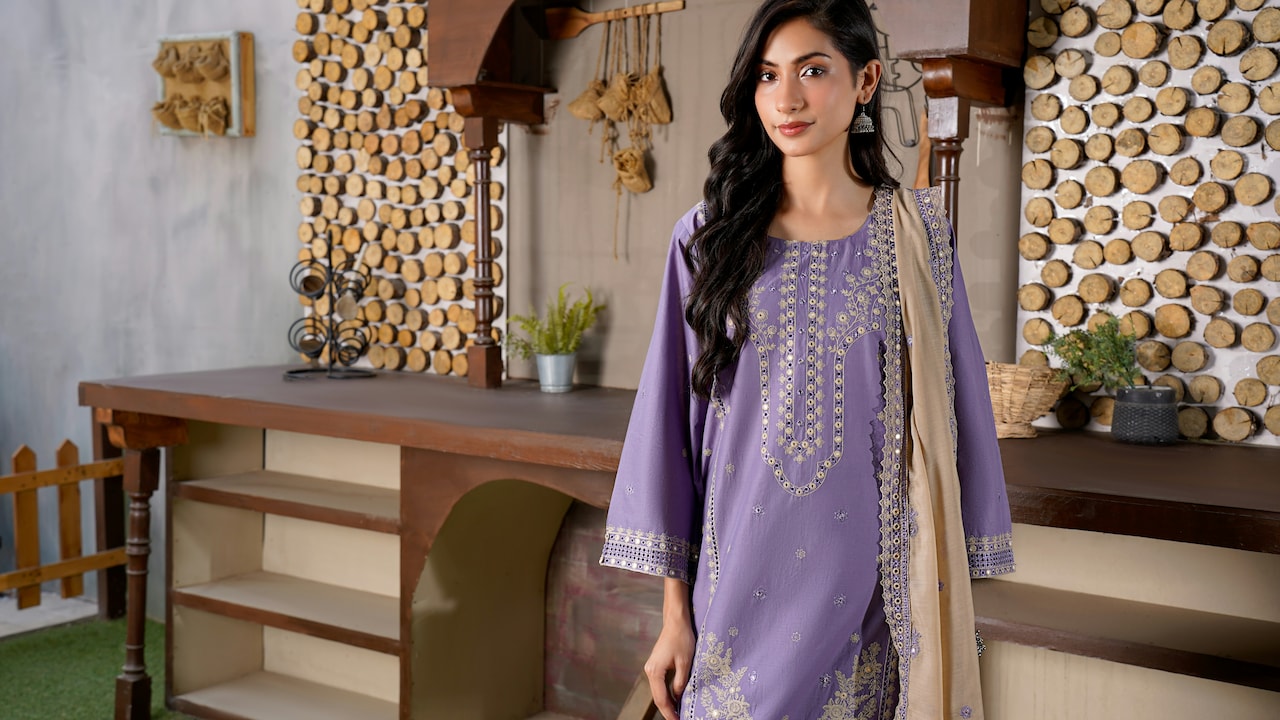
Why Colours Look Different Indoors vs Outdoors: Know The Science Behind It.
Choosing a colour often feels like falling in love at first sight. A soft beige in a showroom whispers sophistication. A deep blue promises elegance. Yet, once applied, the same shade can feel strangely off. That comforting beige turns dull, and the elegant blue suddenly appears too loud under the sun.
This puzzling transformation does not happen by chance. Colours respond to their environment, and the difference between indoor and outdoor settings is more dramatic than it seems. Light, texture, surrounding colours, and even the time of day shape how a shade appears.
Understanding this shift can save more than just a repainting cost; it can prevent that familiar sigh after spending ₹20,000 on a makeover that did not quite land right. So, why do some colours behave like perfect guests indoors but lose their charm outdoors? The answer lies in a fascinating mix of science and perception.
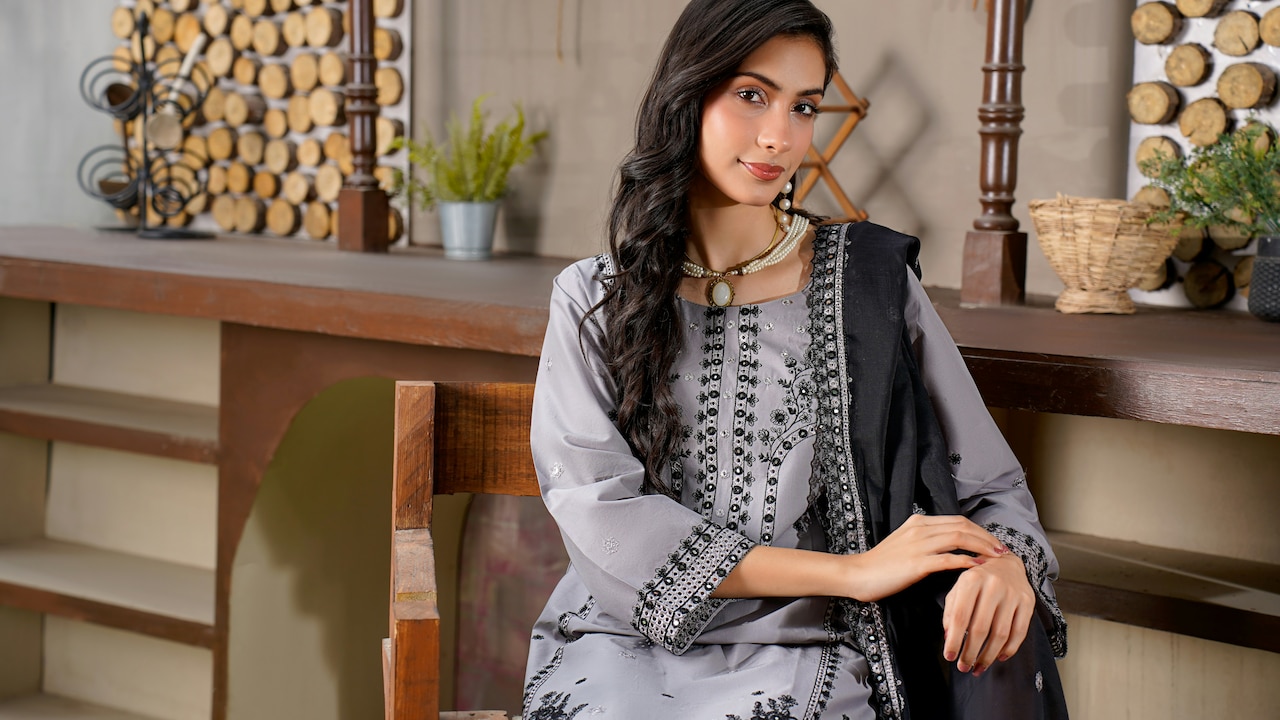
Why Some Colours Look Better Indoors But Not Outdoors; Photo Credit: Pexels
Understanding Why Colours Shift Between Indoor And Outdoor Spaces
Natural Light Changes Everything
Sunlight is powerful, unpredictable, and brutally honest. Indoors, light often feels softer and controlled. Curtains filter it, bulbs warm it, and walls bounce it gently across the room. A pastel shade thrives in this environment, appearing calm and balanced.
Step outside, however, and that same colour meets direct sunlight. Suddenly, it looks washed out or overly bright. The sun does not soften edges; it sharpens them. A gentle cream can appear stark, while a muted green may look almost fluorescent at noon.
Morning and evening light also play tricks. Early sunlight adds warmth, while harsh afternoon rays strip colours of subtlety. This constant shift means outdoor colours rarely stay consistent.
Indoors, predictability rules. Lighting remains steady, allowing colours to maintain their character. Outdoors, colours must withstand nature's mood swings. Some manage this gracefully, while others lose their charm under the sun's unforgiving gaze.
Artificial Lighting Creates Illusions
Indoor lighting does more than illuminate; it transforms. Warm yellow bulbs can make earthy tones feel richer and more inviting. Cool white lights, often found in modern homes, can make colours appear sharper and slightly colder.
This controlled lighting creates an illusion of perfection. A grey wall may look sleek under LED lighting, but take that same shade outdoors, and it may suddenly feel flat or lifeless. The absence of artificial enhancement reveals its true nature.
Shops often use carefully designed lighting to make colours look appealing. That soft peach paint seen under showroom lights may carry a hidden vibrancy that only reveals itself in daylight.
At home, lighting choices act like filters on a photograph. Outdoors, no such filters exist. Colours must stand on their own, without the help of strategically placed bulbs. That is where many shades falter, exposing how much they relied on indoor lighting to look their best.
Also Read: Elegant And Easy: Top 5 Knee-Length Ethnic Dresses Under ₹999 For Spring
Surrounding Colours Influence Perception
Colours never exist in isolation. Indoors, they interact with furniture, décor, and flooring. A navy wall paired with light wooden furniture feels balanced and elegant. Remove those elements, and the same navy may feel overpowering.
Outdoors, the surroundings expand dramatically. Trees, sky, neighbouring buildings, and even parked vehicles contribute to the visual experience. A colour that looked harmonious indoors may clash with greenery or appear too dull against a bright blue sky.
For example, a soft pink wall inside a bedroom feels cosy and warm. Outside, that same pink may look faded when placed next to vibrant plants or bold architectural features nearby.
Indoors, surroundings are curated. Outdoors, they are unpredictable. Colours that depend heavily on context often struggle once removed from their controlled environment. This interplay explains why some shades feel perfectly at home inside but slightly misplaced outside.
Surface Texture Alters Appearance
A smooth indoor wall reflects light evenly, allowing colours to appear consistent. Matte finishes soften tones, while glossy surfaces enhance brightness. This controlled texture helps maintain a colour's intended look.
Outdoor surfaces, however, tell a different story. Rough textures, uneven plaster, and exposure to dust alter how light interacts with colour. A shade that looked smooth and refined indoors may appear patchy or inconsistent outside.
The weather also plays a role. Heat, humidity, and pollution gradually dull colours, especially on exterior walls. A rich terracotta might fade into a tired orange over time.
Texture influences not just appearance but perception. Indoors, a polished finish can make even bold colours feel sophisticated. Outdoors, the same colour may lose depth due to surface irregularities.
Choosing colours without considering texture often leads to disappointment. A shade that thrives on smooth surfaces may struggle to maintain its appeal when exposed to the rough realities outside.

Why Some Colours Look Better Indoors But Not Outdoors; Photo Credit: Pexels
Scale Changes Colour Impact
A small swatch can be deceiving. Indoors, colours often cover limited areas, an accent wall, a piece of furniture, or décor elements. In these settings, even bold colours feel manageable.
Outdoors, scale increases dramatically. Entire façades, boundary walls, and gates carry the colour. What looked subtle in a sample can become overwhelming when expanded across a large surface.
A deep maroon may appear luxurious on a sample card. Applied to an entire exterior wall, it can feel heavy and imposing. Conversely, a light shade that looked underwhelming indoors may appear perfect when spread across a larger outdoor area.
Scale amplifies colour behaviour. Indoors, restraint keeps things balanced. Outdoors, expansiveness demands careful selection. Colours that work beautifully in small doses may struggle when given too much space to dominate.
Weather Conditions Affect Colour Longevity
Indoors, colours enjoy protection. They remain shielded from rain, heat, and dust. Their appearance stays consistent for years, barring minor wear and tear.
Outdoors, colours face constant challenges. Sunlight fades pigments, rain washes away vibrancy, and pollution adds a layer of dullness. Even the most carefully chosen shade can lose its charm over time.
Bright colours often fade faster, while darker shades absorb heat, leading to quicker deterioration. A vibrant yellow exterior may look cheerful at first, but lose its brightness within a year or two.
This gradual change alters how colours are perceived. What starts as a bold statement may turn into a muted version of itself. Indoors, colours remain loyal. Outdoors, they evolve, sometimes not in the desired direction.
Psychological Comfort Plays A Role
Colours evoke emotions, and those emotions shift depending on the setting. Indoors, people seek comfort and calm. Soft tones, warm hues, and muted shades create a sense of relaxation.
Outdoors, expectations differ. Bold colours often feel more appropriate, as they need to stand out in open spaces. A pale shade that feels soothing inside may appear dull and lifeless outside.
The mind associates indoor spaces with intimacy and outdoor spaces with openness. This psychological shift influences how colours are perceived. A deep green wall indoors may feel cosy, but outdoors it may blend too much with natural surroundings.
Comfort indoors allows subtlety to shine. Outdoors, visibility becomes key. Colours must assert themselves without overwhelming the space, striking a delicate balance between presence and harmony.
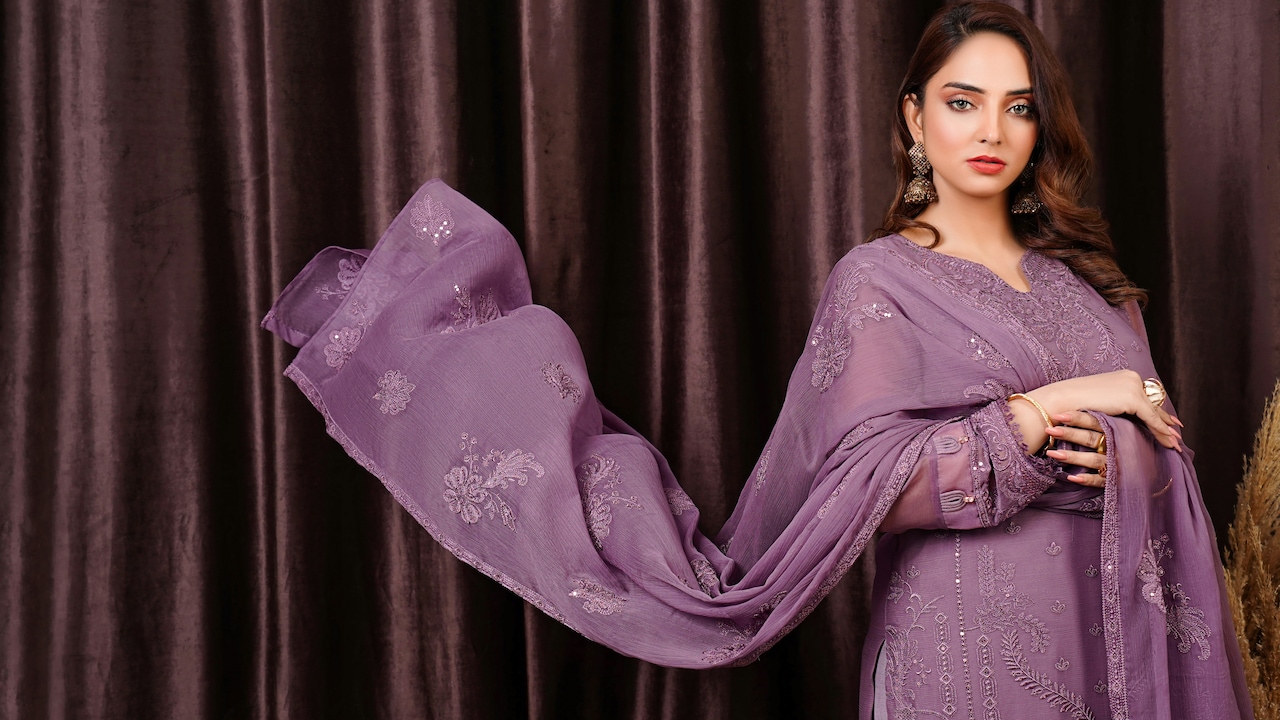
Why Some Colours Look Better Indoors But Not Outdoors; Photo Credit: Pexels
Time Of Day Alters Visual Experience
Indoor lighting remains relatively stable, but outdoor lighting changes throughout the day. Morning light brings warmth, afternoon light intensifies brightness, and evening light softens everything.
A colour that looks perfect in the morning may feel too harsh at noon and too dull by evening. This constant variation makes outdoor colours unpredictable.
Indoors, artificial lighting ensures consistency. A chosen shade maintains its character regardless of the time. Outdoors, colours perform differently at each hour, almost like actors adjusting to changing scenes.
This dynamic nature adds complexity to colour selection. A shade must look good not just once, but across multiple lighting conditions. Many colours fail this test, appearing appealing at one moment and awkward the next.
Cultural And Contextual Associations Matter
Colours carry meaning shaped by surroundings and experiences. Indoors, they often reflect personal taste and interior trends. A muted palette may signal elegance and modernity.
Outdoors, colours interact with the broader environment. Bright shades often feel lively and welcoming, especially in bustling neighbourhoods. Subtle tones may appear too understated in comparison.
Festive decorations, street scenes, and everyday surroundings influence how colours are perceived. A vibrant orange may feel celebratory outside, but overwhelming inside a living room.
Context shapes acceptance. What feels stylish indoors may not translate well outdoors because expectations differ. Colours must align not just with aesthetics but with the environment's character and energy.
Paint Finish And Material Differences
Indoor paints often prioritise appearance and texture. Matte, satin, and glossy finishes allow for creative expression. These finishes enhance colour depth and richness.
Outdoor paints focus on durability. They are designed to withstand weather conditions, often sacrificing subtle tonal variations. This difference affects how colours appear once applied.
A shade chosen from an indoor palette may not look identical when used with exterior paint formulations. Slight variations in pigment and finish can alter the final result.
Materials also matter. Concrete, wood, and metal surfaces each interact differently with paint. A colour that looks vibrant on one surface may appear muted on another.
Understanding these differences prevents mismatched expectations. The same colour name does not guarantee the same visual outcome across different settings and materials.
Products Related To This Article
1. June 9 Clothing Women Wrap Mini Dress
2. DAMENSCH Solid Textured Polo T-Shirts
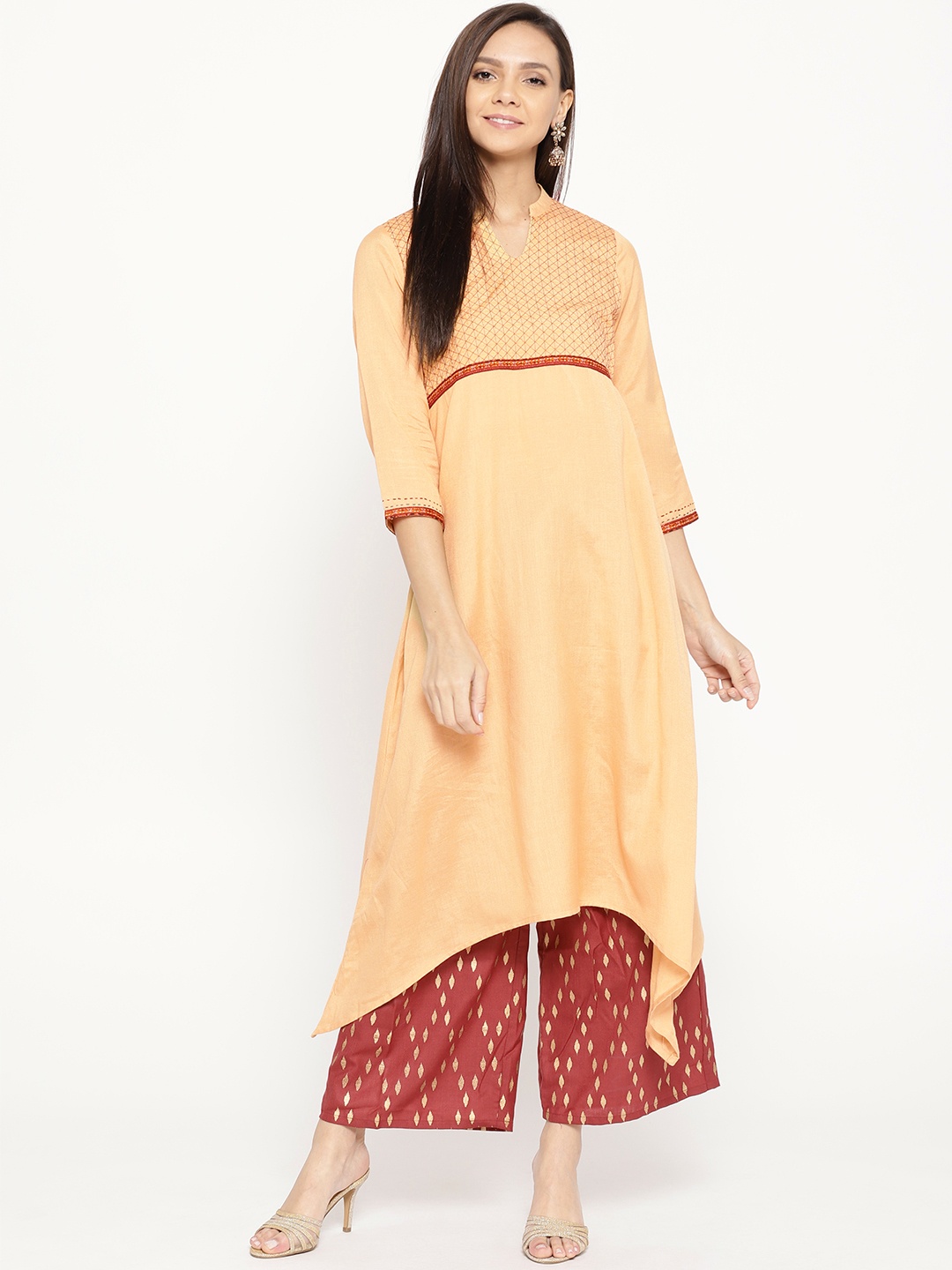
3. Libas Women Peach-Coloured Floral Kurta with Trousers & Dupatta
4. Campus Sutra Men Self Design Polo Collar Cotton T-shirt
5. Anouk Women Printed Regular Mirror Work Pure Cotton Kurta with Palazzos & With Dupatta
Colours behave like storytellers, adapting their tone based on where they are placed. Indoors, they benefit from controlled lighting, curated surroundings, and stable conditions. Outdoors, they face unpredictability, changing light, weather, and scale.
This contrast explains why a shade that feels perfect inside may lose its appeal outside, and vice versa. Choosing the right colour requires more than instinct; it demands awareness of how the environment shapes perception.
A thoughtful approach can save both money and frustration. Testing colours in real conditions, observing them at different times, and considering surroundings can make all the difference.
In the end, colours are not just about appearance. They shape mood, define spaces, and influence daily experiences. Understanding their behaviour ensures they tell the right story, whether within four walls or under an open sky.
(Disclaimer: This article may include references to or features of products and services made available through affiliate marketing campaigns. NDTV Convergence Limited (“NDTV”) strives to maintain editorial independence while participating in such campaigns. NDTV does not assume responsibility for the performance or claims of any featured products or services.)