Why Comfortable-Looking Shoes Often Hurt And How To Choose The Right Footwear
Comfortable-looking shoes can still hurt because softness alone does not mean support. Poor fit, weak arches, tight toe boxes and flimsy soles often turn a promising pair into foot pain within an hour.
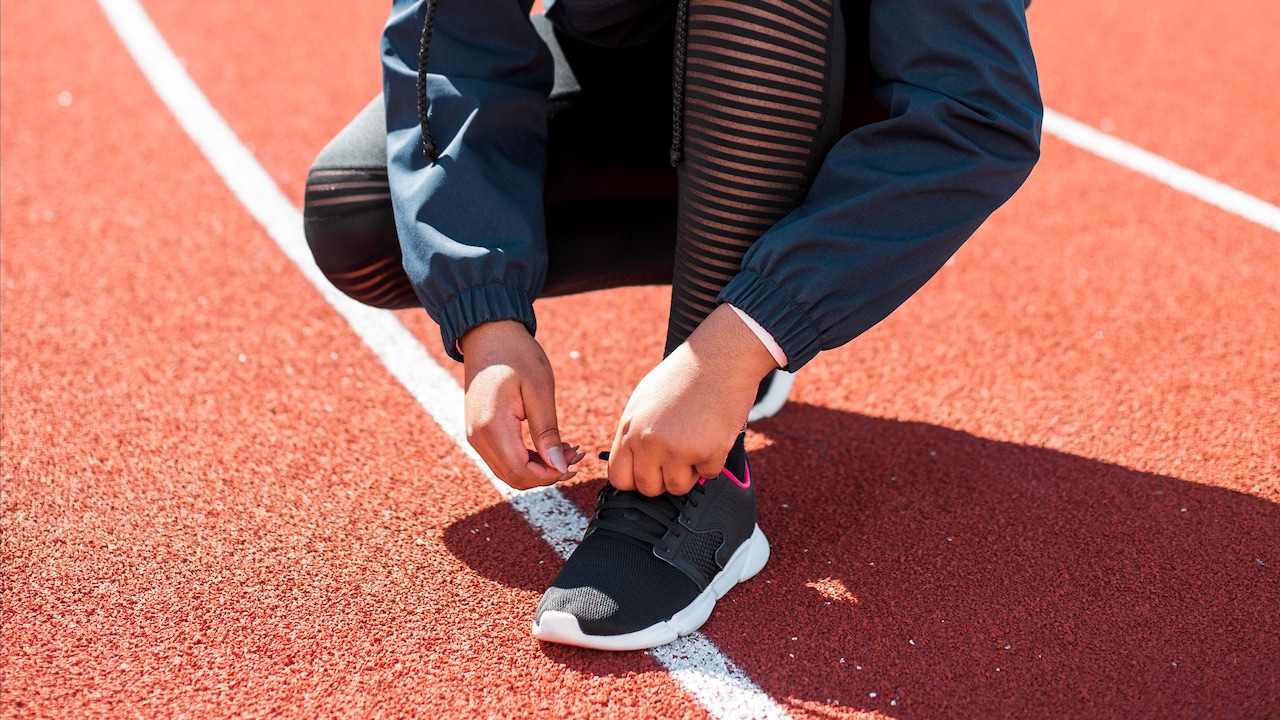
Why Comfortable Shoes Hurt After One Hour: 10 Common Reasons
Some shoes look like they belong in a comfort advertisement. They have thick soles, rounded toes, gentle colours and that promising “cloud-like” feel when tried inside a store. The salesperson smiles. The mirror approves. The first few steps feel harmless. Then one hour later, the heel starts protesting, the toes feel trapped, and the sole begins to behave like a wooden plank disguised as kindness. This happens more often than people admit. A pair bought for ₹2,999 from a mall, sneakers ordered during a festive sale, loafers chosen for office wear, sandals picked for a wedding season marathon- all can start well and end badly. The trouble is that shoes can look comfortable without actually supporting the foot. Much like a soft sofa that ruins the back, a soft shoe can fool the body before revealing its true nature. Comfort does not come from padding alone. It comes from shape, balance, flexibility, breathability, and how well the shoe understands the foot wearing it.
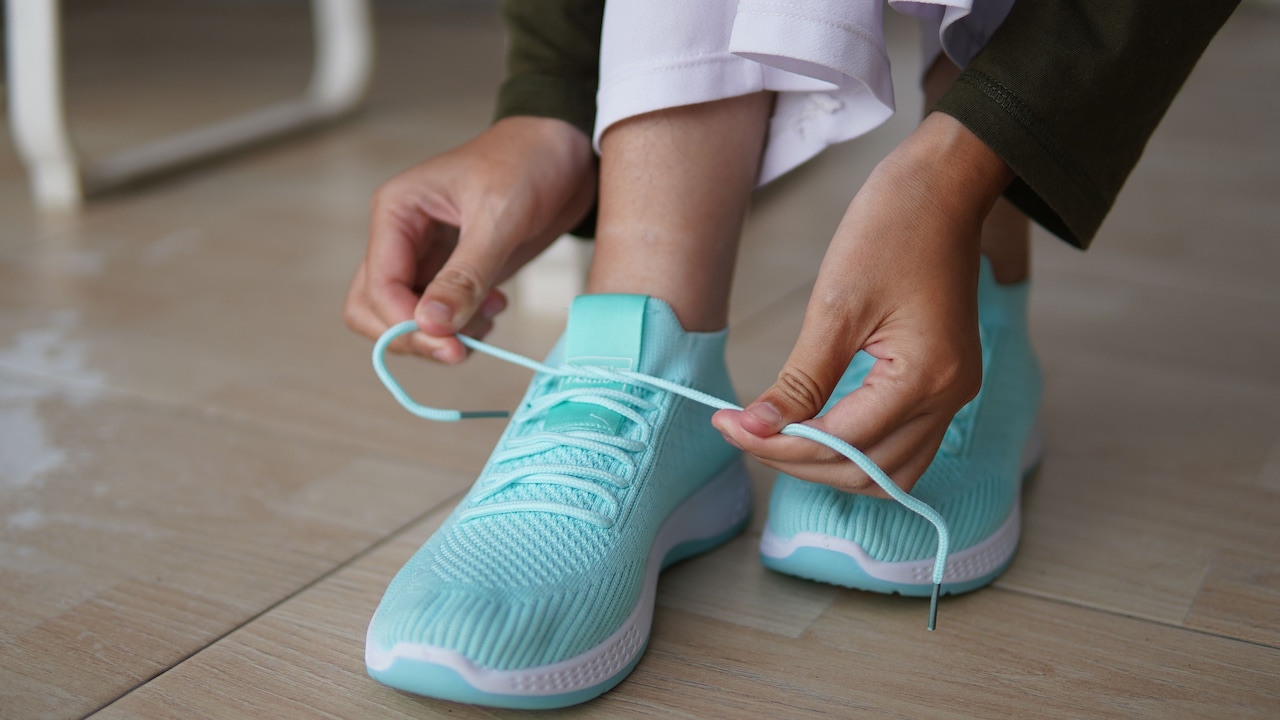
Why Comfortable Shoes Hurt After One Hour: 10 Common Reasons; Photo Credit: Pexels
Reasons Comfortable-Looking Shoes Start Hurting So Quickly
Soft Cushioning Can Trick The Feet
A soft shoe often wins the first impression. Press the insole with a thumb, and it sinks in politely. Walk ten steps in the showroom, and it feels plush. That softness can feel like luxury, especially after years of hard sandals, stiff school shoes or formal pairs that creak like old doors.
But too much softness can become a problem. Feet need support, not just a mattress. When the sole compresses too much, the foot works harder to stay stable. Tiny muscles around the arch, ankle, and toes keep adjusting with every step. At first, this extra work goes unnoticed. After an hour, fatigue arrives like an unpaid bill.
This explains why some thick sneakers hurt during a shopping trip, while a simpler pair feels better on a long railway platform walk. Foam that collapses under body weight cannot guide movement. It only absorbs pressure for a while. The foot then sinks unevenly, the ankle rolls slightly, and the knees may join the complaint committee. A comfortable-looking shoe should cushion impact, but it should not behave like wet sponge cake.
Also Read: Top 5 Running Shoes For Rainy Conditions Under ₹1,100
The Wrong Size Often Hides In Plain Sight
Many people wear the wrong shoe size for years and call it normal. A toe brushing the front becomes “new shoe tightness”. A heel slipping out becomes “just needs a thicker sock”. A painful little toe becomes “fashion ka chakkar”. The foot, meanwhile, keeps sending clear messages.
Size is not only about length. Width matters just as much. A person with broad feet may buy the correct number on the box and still suffer because the shoe squeezes the sides. Another person may choose a larger size for width, then face heel slip and unstable walking. Both cases create pain within an hour.
Feet also change throughout the day. Heat, walking, standing, and humidity can make them swell. A pair bought in the morning may feel different during an evening commute. This matters in cities where people move from home to auto, metro, office, market, and back again. A shoe should leave enough room for toes to spread naturally. If the front feels narrow while standing, walking will only make matters worse. Comfort begins when the foot sits inside the shoe, not when the shoe merely fits the eye.
Arch Support Makes Or Breaks The Walk
The arch of the foot does quiet work. It absorbs shock, balances weight, and helps the body move smoothly. When a shoe ignores the arch, the rest of the body has to compensate. That compensation can turn into heel pain, knee strain, or a dull ache under the foot after an hour.
Some people have high arches. Some have low arches. Some have one foot slightly different from the other. Yet many shoes follow one standard shape, as if every foot came from the same factory mould. A flat slip-on may look neat and harmless, but it can leave the arch unsupported. A trendy sneaker may have a thick outer sole, yet offer almost no structure inside.
This does not mean every person needs medical footwear. It simply means the shoe must match the foot's natural shape. A good arch area should feel gently supportive, not like a lump poking from below. When support feels right, walking feels easier and less tiring. When it feels wrong or absent, the body notices soon. The mirror may admire the shoe, but the arch has the final vote.
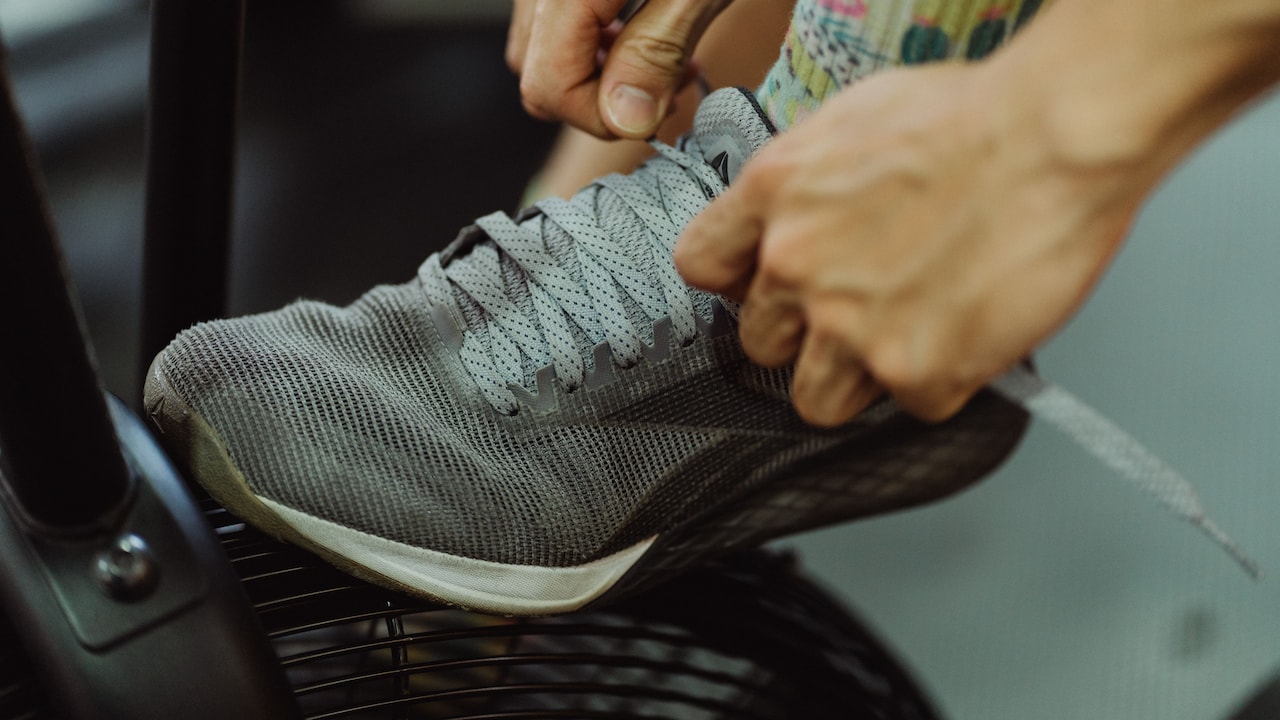
Why Comfortable Shoes Hurt After One Hour: 10 Common Reasons; Photo Credit: Pexels
Toe Boxes Can Look Roomy Yet Feel Cruel
The front part of a shoe can be deceptive. From the outside, it may look rounded and spacious. Inside, the toe box may slope sharply, narrow suddenly or press down from above. Toes do not enjoy being arranged like passengers in an overcrowded shared auto.
During walking, toes spread and push against the ground. They help with balance and forward movement. When a shoe restricts that movement, pressure builds. The big toe may rub against the side. The little toe may fold inward. The nails may hit the front. After an hour, the wearer starts walking differently to avoid pain, which creates fresh discomfort elsewhere.
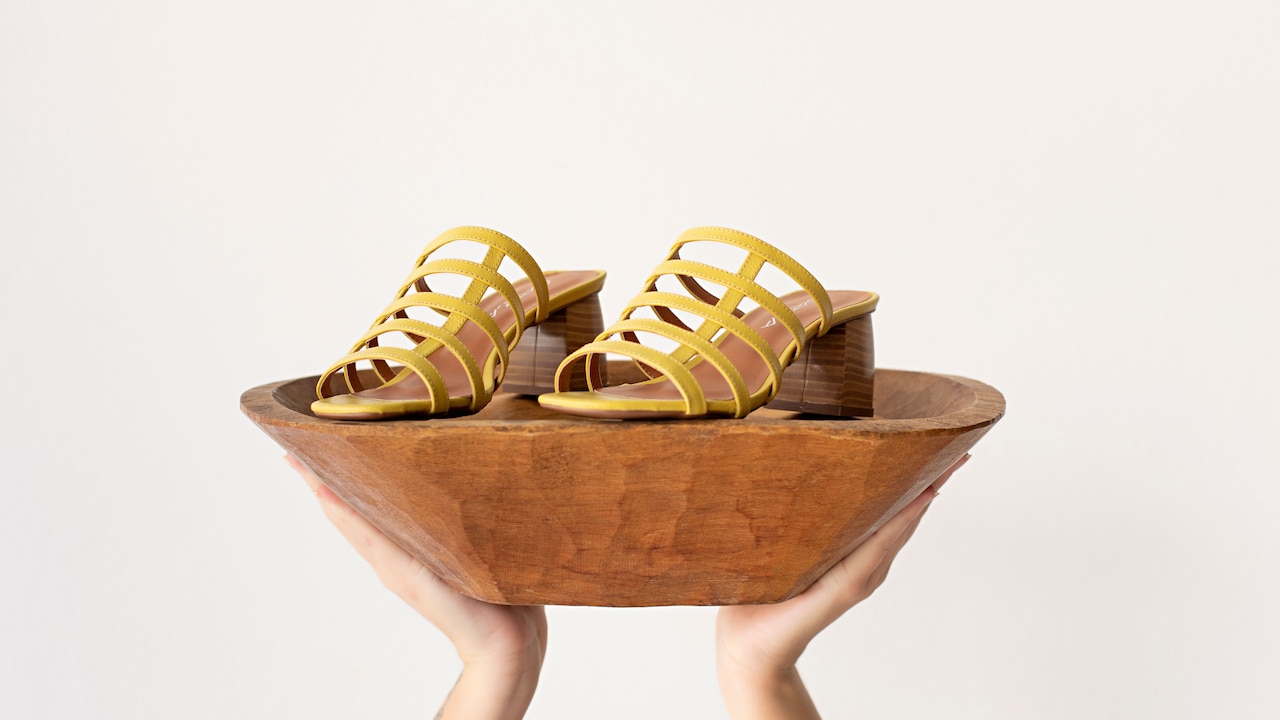
Pointed flats, slim sneakers, narrow loafers and some embellished sandals often cause this trouble. Wedding footwear deserves special mention. Many pairs look beautiful under lehengas, sarees and sherwanis, but they treat toes like decorative extras. A healthy toe box should allow movement without making the shoe look oversized. The toes should not fight for territory. If they cannot wiggle slightly while standing, they will not forgive during a long function, office day or market round.
Flat Soles Are Not Always Friendly
Flat footwear looks simple, practical and easy. Many people choose flat sandals or ballet-style shoes because heels have earned such a bad reputation. Yet flat does not always mean healthy. A completely flat sole can strain the heel, arch and calf, especially during long walking or standing.
The foot naturally works best with some structure. A slight heel-to-toe difference, good arch support, and a stable sole help distribute pressure. Without that, the heel may absorb too much impact. The arch may stretch more than it should. The calf muscles may feel tight by evening.
This explains why a pair of thin flats can hurt more than modest wedges or well-designed sneakers. The issue is not height alone; it is balance. A cheap flat sandal from a street stall may feel convenient for a quick errand, but a full day in it can leave the soles burning. Even premium flats can fail if the sole bends too much or offers no support. The best flat shoes do not feel like cardboard under the foot. They guide the step quietly and steadily.
Materials Matter More Than The Mirror Shows
A shoe's material can make or ruin comfort. Synthetic uppers may look polished and modern, but some trap heat and moisture. In warm weather, that turns feet sweaty, swollen and irritated. What felt fine in an air-conditioned shop may feel like a pressure cooker near a bus stop at 3 pm.
Stiff materials create another issue. They may not bend where the foot naturally bends. They can rub against the heel, scrape the ankle or press across the top of the foot. People often wait for such shoes to “open up”. Sometimes they do. Sometimes they simply train the skin to develop blisters.
Breathable fabrics, soft leather, flexible knits and well-lined interiors usually feel better over time. But even soft materials need structure. A flimsy fabric shoe may stretch too much and stop holding the foot properly. A good shoe balances comfort and control. It lets the foot breathe, flex and move, while still keeping it aligned. Looks reveal colour, shine and style. They do not reveal how the material behaves after sweat, dust, heat and one long walk to the parking area.
The Sole May Bend In The Wrong Place
A shoe should bend, but not everywhere. Many comfortable-looking shoes fail this simple test. They twist easily in the middle, fold like a papad, or bend far behind the toes. That may feel flexible in the hand, but it can strain the foot during walking.
The foot bends mainly at the ball, near the base of the toes. A shoe that bends there supports natural movement. A shoe that collapses through the arch gives poor stability. This matters during daily activities such as climbing stairs, walking on uneven pavements, standing in metro queues or navigating monsoon-damaged roads.
A stiff sole causes a different problem. If it refuses to bend at all, the foot fights it with every step. The calf and toes work harder to push forward. After one hour, that effort shows up as tiredness or pain. The ideal sole has a firm middle, a flexible forefoot and enough grip for real surfaces. A shoe designed only for smooth showroom flooring may lose its charm on broken footpaths, polished office tiles and slippery station platforms.
Heel Design Can Create Hidden Pressure
Heels are not limited to high stilettos. Every shoe has a heel area, and its design affects comfort. A back section that feels slightly loose can cause rubbing. A tight heel counter can dig into the skin. A raised back edge can bite the Achilles tendon. Even sneakers can create heel pain if the rear structure does not match the foot.
Many people blame the newness when the heel hurts. They add a plaster, adjust socks or walk with shorter steps. These tricks may help briefly, but they do not solve a poor heel fit. The heel should feel secure without pinching. It should hold the foot in place as the body moves forward. If it slips, the toes grip harder to stop the shoe from flying off. That toe-gripping can cause cramps and forefoot pain.
Backless footwear brings its own drama. Slides and loose sandals may seem relaxed, but they ask the toes to hold on constantly. That effort can tire the foot fast. The heel area may look like a small detail, yet it controls how confidently the whole foot moves.
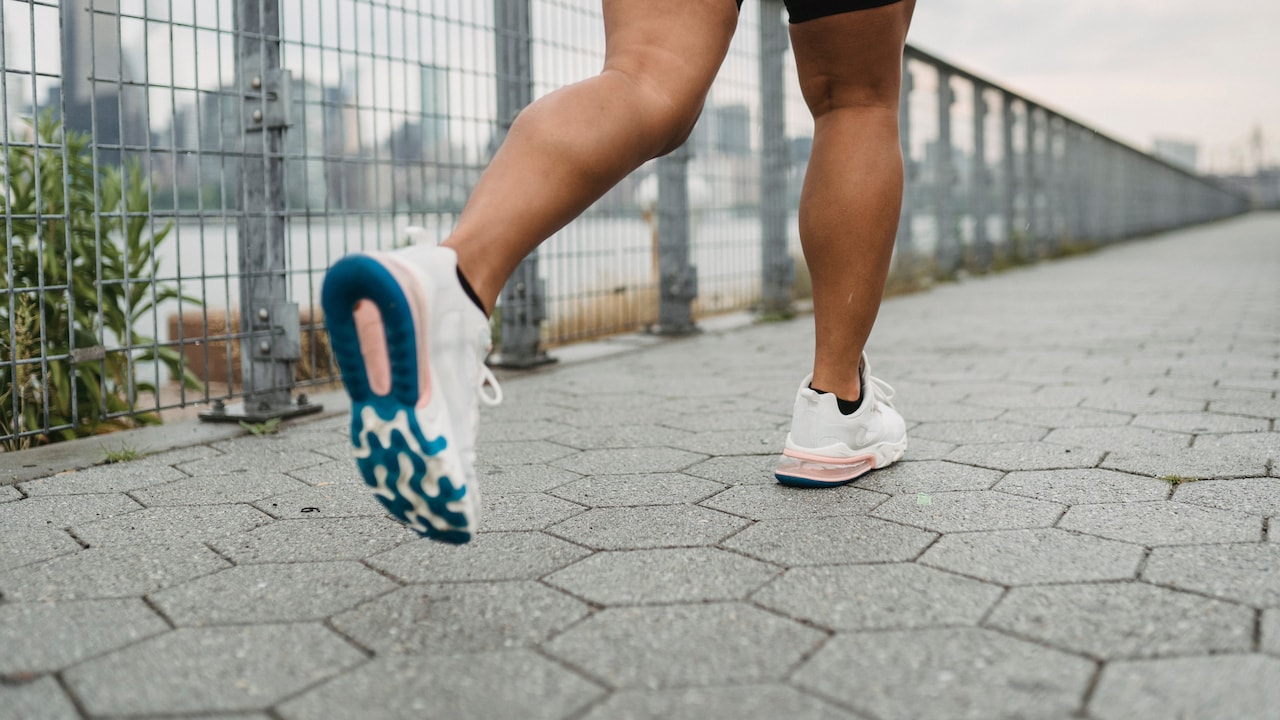
Why Comfortable Shoes Hurt After One Hour: 10 Common Reasons; Photo Credit: Pexels
Lifestyle Can Expose A Shoe's Weakness
A shoe may suit one life and fail in another. Someone who drives to the office and sits most of the day may enjoy a pair that hurts a teacher, doctor, salesperson or event manager within an hour. Comfort depends on routine, not just design.
Daily surfaces also matter. Smooth mall floors, rough pavements, marble corridors, office carpets and railway bridges all challenge shoes differently. A pair that feels fine during a café outing may fail during a long market walk before Diwali. A sandal that works for a short visit may punish the foot during a family wedding where standing, greeting, dancing and searching for missing cousins all happen together.
The weight carried also changes comfort. A laptop bag, grocery load or child on the hip adds pressure to the feet. The shoe must manage that extra force. Climate plays a role too. Heat makes feet swell. Rain changes grip. Dust affects friction. A shoe that looks comfortable in an online photo cannot answer these questions. Real comfort shows up only when the shoe meets real life, with all its traffic, queues, stairs and sudden plans.
Cheap Comfort Features Can Wear Out Quickly
Some shoes feel wonderful for the first few wears because their comfort features sit right on the surface. A soft insole, padded collar or squishy foam can create instant delight. But low-quality padding often flattens quickly. Once that happens, the shoe loses its charm, and the foot starts feeling every flaw.
This can disappoint buyers who spent ₹1,499, ₹2,499 or even ₹4,999 expecting long-term comfort. Price alone does not guarantee quality, but very low-cost construction often cuts corners in the midsole, lining, glue, stitching or heel support. The shoe may look almost identical to a better-made pair, yet age much faster.
Wear patterns reveal the truth. If one side of the sole thins quickly, the shoe may encourage uneven pressure. If the insole forms deep dents, it may no longer support the foot. If the upper stretches out, the foot may slide around. Comfort should survive more than a few outings. A good shoe ages gracefully. A poor one behaves like a festive decoration: lovely at first, tired after the season ends.
The Break-In Myth Causes Too Much Suffering
The phrase “it will loosen after a few wears” has caused endless foot misery. Some shoes do soften slightly. Leather may mould, straps may relax, and small stiffness may reduce. But serious pain rarely transforms into comfort. If a shoe hurts sharply within one hour, it has already given its review.
Breaking in should never mean surviving blisters, numb toes or burning soles. A small adjustment period feels different from a warning sign. Mild stiffness near the upper may improve. A narrow toe box will not magically become generous. Poor arch support will not suddenly develop wisdom. A hard heel counter will not learn kindness because the wearer suffered through three outings.
This myth survives because people hate admitting a purchase failed. After spending hard-earned money, nobody wants to leave a stylish pair unused in the cupboard. Still, the foot deserves honesty. Better to use painful shoes for short occasions than force them into daily duty. Comfort should not demand a bravery award. Shoes should support the day, not become the day's main struggle.
Top-Rated Shoes For Men And Women You May Like On Amazon
1. Boldfit Sneakers for Men Lightweight Shoes
2. Campus Women Stacy Running Shoes
3. Reebok Men's Running Shoes Lightweight Rubber Outsole Sports Shoes for Men
4. SPARX Women's Shoes
5. Campus Men's FEROX Running Shoes
6. Puma | Smashic Comfort Casual Sneakers
7. Bacca Bucci Men's Lace-Up Running Shoes
Comfortable-looking shoes hurt after one hour because looks tell only a small part of the story. Cushioning, size, width, arch support, toe room, sole flexibility, material, heel fit, lifestyle, and durability all decide how the foot feels once the first impression fades.
The best shoe does not always look the softest or the trendiest. It feels stable, roomy, breathable, and supportive. It lets toes move, holds the heel gently, and bends where the foot needs it. It handles real routines, from office corridors to market lanes, from metro stairs to wedding lawns.
A wise shoe purchase needs more than a mirror check. Walk around properly before buying. Notice pressure points. Try footwear later in the day when feet feel fuller. Wear the kind of socks used in daily life. Question any pair that needs too much faith.
Feet carry long days, rushed mornings, family errands, festival shopping, and quiet walks home. They deserve shoes that do more than look comfortable. They deserve shoes that stay comfortable after the first hour, as the truth has been told.
(Disclaimer: This article may include references to or features of products and services made available through affiliate marketing campaigns. NDTV Convergence Limited (“NDTV”) strives to maintain editorial independence while participating in such campaigns. NDTV does not assume responsibility for the performance or claims of any featured products or services.)