Why Your Cotton Dresses Lose Shape by Noon: The Hidden Reason Beyond the Fabric
A cotton dress may look crisp in the morning but lose its shape by noon. The reason isn’t just the fabric. Humidity, body movement, washing habits, and garment construction all quietly affect how cotton behaves through the day.

Are All Your Cotton Dresses Losing Shape Too Fast? It Happens Because of These Reasons.
A freshly ironed cotton dress holds a special kind of optimism. The fabric feels light, the silhouette looks sharp, and the mirror reflects a clean, structured look ready for the day ahead. By midday, however, that same dress may tell a different story. The waistline loosens, the hem twists slightly, and the crisp shape softens into something far less polished.
Many assume the culprit lies in poor fabric quality. Sometimes that proves true, but the explanation rarely ends there. Cotton behaves like a living material. It reacts to moisture, movement, heat, and even the way the garment was stitched together. Climate adds another layer of complexity, especially in cities where humidity creeps in before breakfast.
The result? A garment that quietly transforms as the hours pass.
Understanding why cotton dresses lose shape during the day requires a closer look at how cotton fibres behave in real life. Small habits, design details, and environmental factors often play a far greater role than expected. Once these hidden influences come to light, keeping cotton dresses looking fresh for longer becomes far easier.
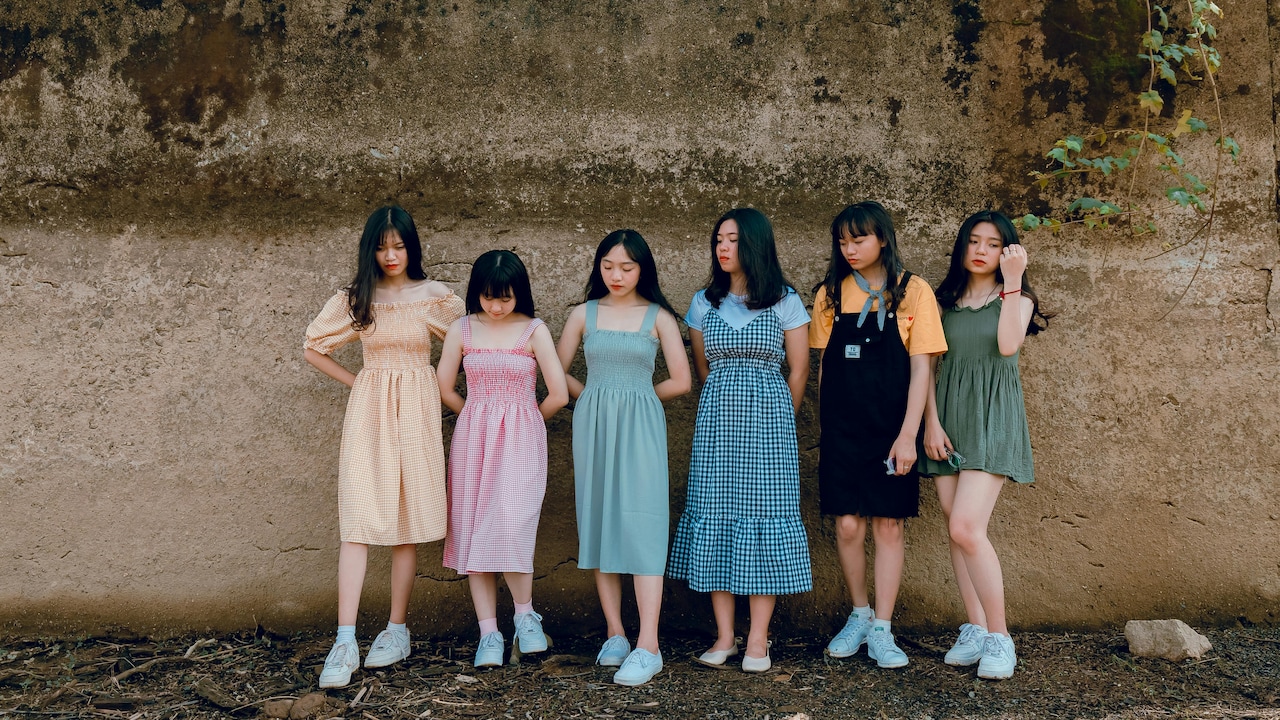
Why Your Cotton Dresses Lose Shape by Noon: The Hidden Reason Beyond the Fabric
Photo Credit: Pexels
The Morning Illusion Of Freshly Pressed Cotton
The day usually begins with a dress that looks perfectly structured. An iron smooths the fibres, heat removes moisture, and the garment holds a temporary firmness. That crisp appearance creates the illusion that the shape will last all day.
Cotton fibres, however, hold a natural softness. Heat from ironing forces them into alignment, but the effect rarely lasts once the fabric meets the real world. Movement, body heat, and surrounding humidity quickly relax those fibres again.
Within a few hours, the dress slowly returns to its natural state. Waistlines relax, pleats soften, and seams shift slightly as the fibres loosen.
Many wardrobes blame the fabric quality, yet even premium cotton behaves this way. A ₹2,500 dress from a boutique and a ₹600 market find may wrinkle at a similar pace if the fibres experience the same conditions.
The morning crispness, therefore, works more like a temporary styling trick rather than a permanent state. Cotton never truly holds the rigid structure that synthetic fabrics often maintain.
Humidity: The Silent Shape Shifter
Few factors influence cotton more dramatically than humidity. Warm air filled with moisture encourages cotton fibres to absorb water from the environment. Once that happens, the fabric begins to relax.
This effect explains why dresses look neat inside air-conditioned rooms but appear rumpled after a short walk outdoors. Cotton acts like a sponge. Moisture enters the fibres and reduces their stiffness.
Cities with coastal weather make this effect even more noticeable. Step outside during late morning, and the fabric slowly expands as the humidity settles into the threads.
A cotton dress worn during a humid day therefore behaves differently from the same dress worn during dry winter weather. The fibres swell slightly, seams loosen their hold, and the garment gradually shifts shape.
Many wardrobes overlook this invisible factor. Yet humidity alone can transform the appearance of cotton before lunchtime arrives.
Body Heat And Natural Movement
A dress does not remain on a hanger once the day begins. Walking, sitting, stretching, and turning constantly reshape the fabric. Each movement places tension on specific areas of the garment.
Cotton responds to that tension quickly. Knees bend, shoulders rotate, and waistlines flex. The fibres stretch slightly with every motion.
Body heat adds another layer to this process. Warmth from the skin softens cotton fibres, which encourages them to relax further. Once softened, they adapt to the body's movement rather than returning to their original structure.
Consider the waist area of a cotton dress during a busy day of commuting, office work, and errands. Repeated sitting and standing gradually reshape the fabric around that zone.
By midday, the dress reflects the story of the morning's movement. It no longer mirrors the mannequin-like structure seen in the mirror at home.
The Role Of Fabric Weave
Not all cotton behaves the same way. The weave structure influences how well the fabric holds its form.
Lightweight cotton weaves, such as voile or lawn, prioritise breathability and softness. These fabrics drape beautifully but surrender their structure quickly. Within hours, the fibres relax and create a slightly rumpled look.
Denser weaves, such as poplin or twill, offer greater stability. Their tighter thread structure resists stretching and wrinkling for longer periods.
Many everyday dresses rely on lighter weaves because they feel cooler and softer against the skin. The trade-off appears later in the day when the fabric begins to lose its crisp shape.
Fabric labels rarely highlight this detail clearly. Shoppers, therefore, judge cotton purely by touch or price rather than weave type.
Understanding weave structure often explains why one cotton dress still looks neat by evening while another seems defeated before lunch.
Washing Habits That Soften The Structure
Laundry routines quietly influence how cotton behaves throughout the day. Frequent washing gradually relaxes the fibre structure.
Detergents remove natural oils and soften the threads. Over time, repeated cycles make the fabric more flexible. While that softness feels pleasant, it also reduces the garment's ability to hold shape.
Water temperature also matters. Hot water encourages fibres to swell and loosen. Each wash, therefore, nudges the fabric slightly further away from its original firmness.
Many wardrobes treat cotton as a fabric that thrives on constant washing. In reality, excessive washing accelerates the softening process.
A dress that once held its silhouette beautifully may begin to droop after dozens of wash cycles. The change happens slowly, so the shift often escapes attention until the midday slump becomes routine.
The Influence Of Garment Construction
Fabric quality alone does not determine how a dress behaves. Construction plays a crucial role.
Well-constructed dresses include reinforced seams, structured waistlines, and carefully placed darts. These details anchor the fabric and guide its shape throughout the day.
Mass-produced garments sometimes skip these structural elements to reduce cost. Without proper reinforcement, cotton fibres carry the entire burden of maintaining the silhouette.
As the fabric relaxes, the dress loses its form more quickly. The waist may stretch slightly, the skirt may twist, and the neckline may droop.
Even a beautiful cotton fabric struggles without thoughtful tailoring. A ₹1,200 dress with strong construction may outperform a ₹3,500 garment stitched without structural support.
Garment architecture, therefore, matters just as much as the material itself.
Fabric Blends And The Stability Factor
Pure cotton offers breathability and comfort, yet blended fabrics often hold their shape better.
Small additions of elastane, polyester, or viscose introduce stability into the weave. These fibres resist stretching and help the garment bounce back after movement.
Many modern cotton dresses quietly include a small percentage of stretch fibre for this reason. A blend containing even two or three percent elastane can significantly improve shape retention.
Some wardrobes hesitate to embrace blends, believing pure cotton always represents the superior option. In reality, carefully designed blends often provide the best balance between comfort and structure.
The result feels like cotton but behaves with greater resilience throughout the day.
The Midday Effect Of Sitting And Commuting
Daily routines place unexpected stress on clothing. Long commutes, crowded transport, and hours at a desk compress cotton fibres repeatedly.
A dress worn during a morning train ride or an auto journey experiences constant pressure. The fabric folds and bends against seats, bags, and armrests.
Later, office chairs create another challenge. Sitting for extended periods presses the fabric at the hips and waist, encouraging wrinkles and shape shifts.
Cotton rarely springs back instantly from these pressures. Instead, the fibres settle into the new positions created by the movement.
By lunchtime, the dress carries the imprint of the morning's commute and desk time.
This subtle mechanical stress often explains why a cotton dress appears perfectly neat at home yet noticeably softer once the day unfolds.
Storage Habits That Affect Daily Performance
Even wardrobe storage can influence how cotton behaves during wear.
Garments stored tightly in crowded cupboards develop minor fibre stress. Folding also creates memory lines within the fabric.
When worn, these stressed fibres respond more quickly to movement and moisture. The dress, therefore, begins the day with less structural resilience.
Hanging cotton dresses with enough space allows the fibres to relax naturally. This simple change often improves how the garment holds its shape throughout the day.
Steam from a quick shower or a gentle garment steamer can also revive cotton fibres before wearing.
Small storage habits, therefore, shape the performance of cotton long before the dress leaves the wardrobe.
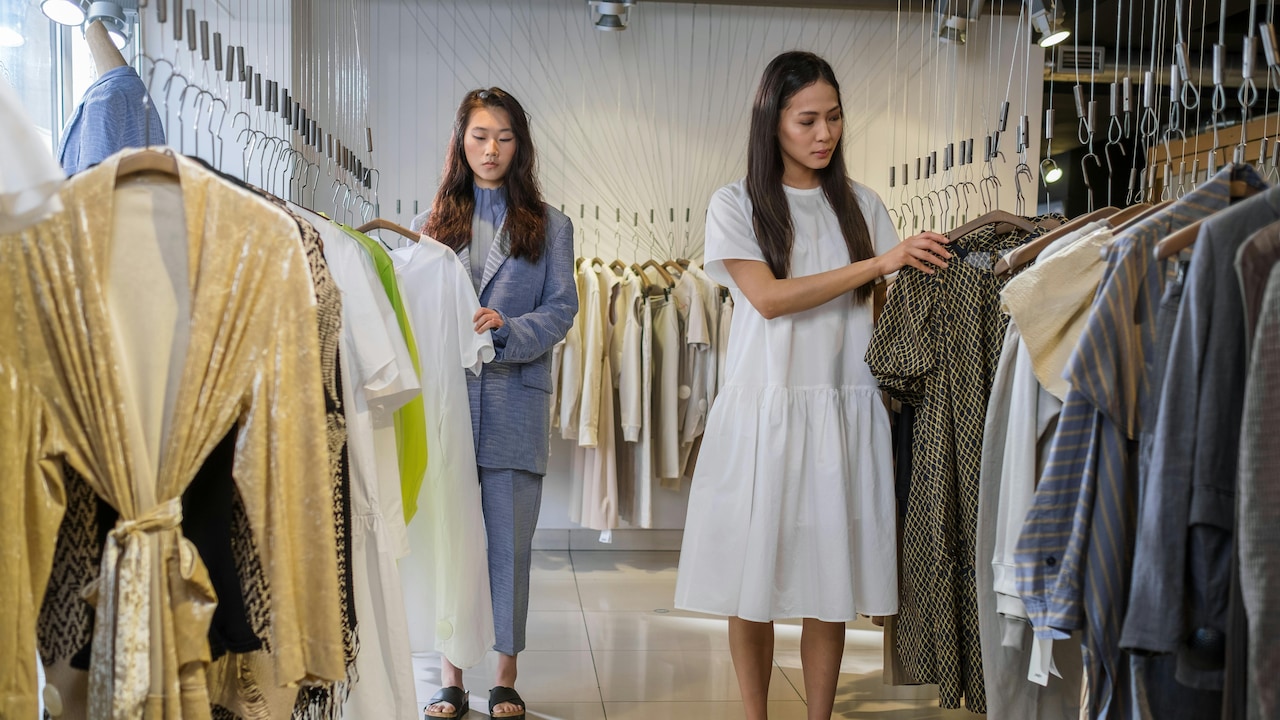
Why Your Cotton Dresses Lose Shape by Noon: The Hidden Reason Beyond the Fabric
Photo Credit: Pexels
Why Expectations Often Clash With Reality
Cotton carries a reputation for effortless elegance. Fashion campaigns often show crisp cotton dresses that look structured from morning to evening.
Real life tells a different story. Cotton thrives as a breathable, natural fabric rather than a rigid one. Its comfort comes from flexibility and softness.
Expecting it to behave like synthetic materials creates disappointment. Cotton changes with the day, responding to the body and environment around it.
Once expectations shift, the midday transformation no longer feels like a failure. Instead, it becomes part of the fabric's natural charm.
Many wardrobes rediscover appreciation for cotton once this behaviour becomes clear.
Products Related To This Article
1. Anayna Printed Halter Neck Dress
2. Rain & Rainbow White Printed Fit & Flare Ethnic Dress
3. Sangria Floral Printed Pure Cotton Tiered Maxi Dress
4. AKKRITI BY PANTALOONS Floral Print A-Line Midi Dress
5. Anouk Print Puff Sleeve A-Line Dress
Cotton dresses rarely lose shape by noon because of poor fabric alone. A complex mix of humidity, body heat, movement, weaving style, garment construction, and washing habits quietly shapes their behaviour throughout the day.
Each factor influences the fibres in subtle ways. Together, they explain why a dress that looks crisp in the morning softens as the hours pass.
Understanding these hidden influences offers a new perspective on cotton clothing. Choosing the right weave, paying attention to construction, adjusting laundry habits, and considering blended fabrics can dramatically improve how garments perform.
Most importantly, cotton deserves recognition for what it truly offers: breathable comfort, natural softness, and effortless wearability in warm climates.
A little midday relaxation in the fabric may simply signal that the dress has adapted perfectly to the rhythm of the day.
(Disclaimer: This article may include references to or features of products and services made available through affiliate marketing campaigns. NDTV Convergence Limited (“NDTV”) strives to maintain editorial independence while participating in such campaigns. NDTV does not assume responsibility for the performance or claims of any featured products or services.)