Why Some Denim Jackets Feel Too Heavy And Best Lightweight Denim Jackets For Daily Wear
Denim jackets sometimes feel bulky due to heavy fabric, dense weaving, and lining. This guide explains why and explores lightweight denim jackets that offer comfort, breathability, and everyday style.
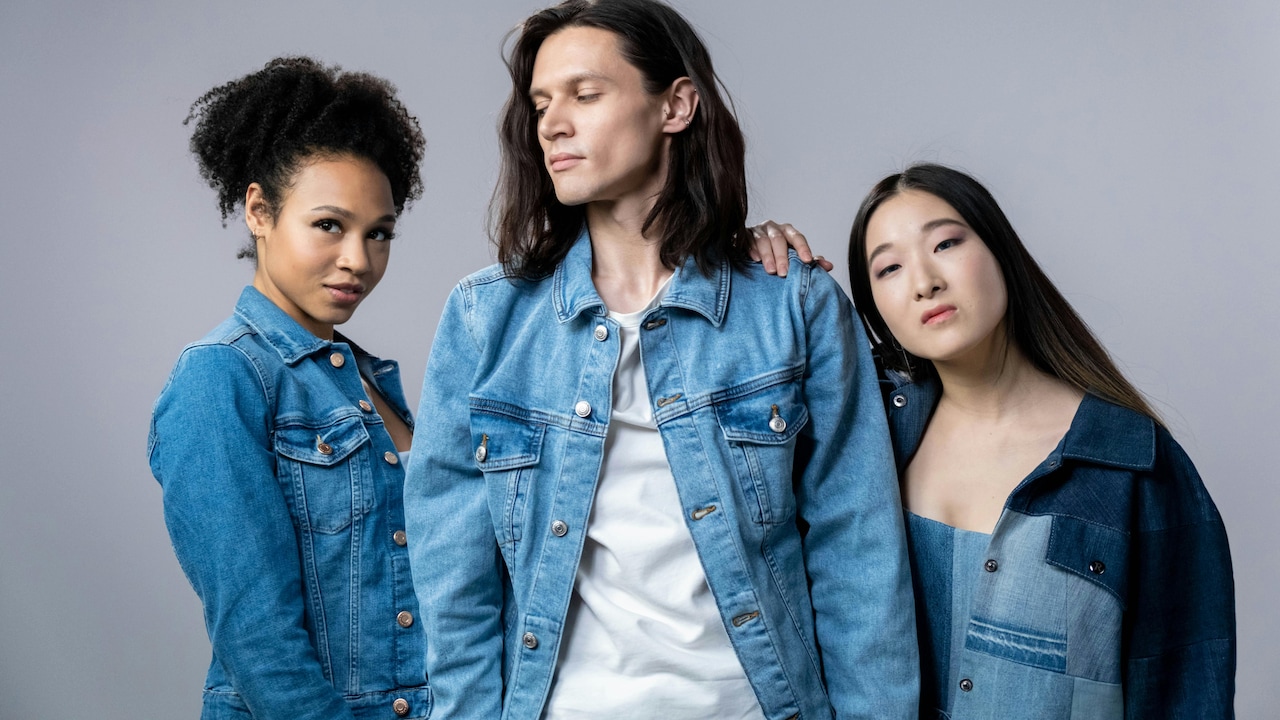
Know Why Denim Jackets Feel Heavy And How To Pick Lightweight Alternatives For Comfortable Daily Wear.
Few wardrobe staples carry the quiet confidence of a denim jacket. It slips effortlessly into casual evenings, long train rides, weekend café visits, and late-night street food runs. Pair it with a T-shirt, throw it over a kurta, or layer it on a breezy winter morning, and the outfit instantly looks sharper.

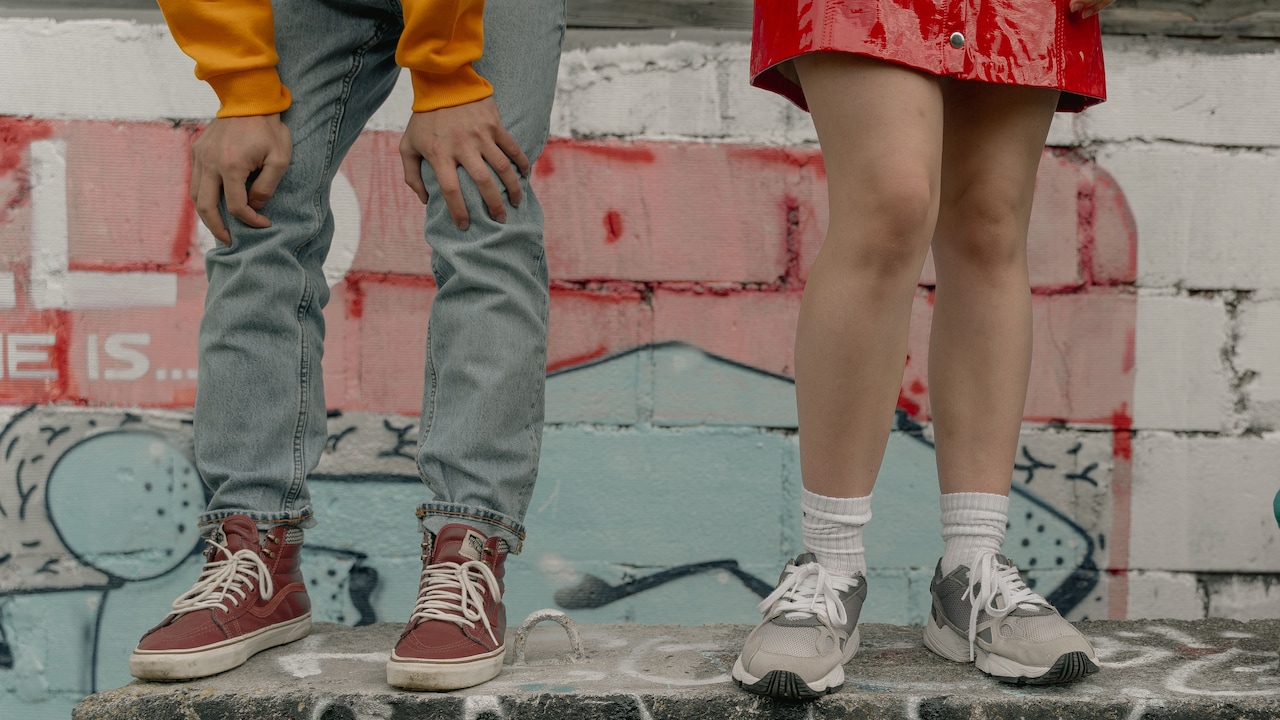
Discover why some denim jackets feel heavy and how to find lightweight options; Photo Credit: Pexels
However, not every denim jacket earns that kind of loyalty. Some feel surprisingly heavy the moment they land on the shoulders. The sleeves resist movement, the fabric feels rigid, and within minutes, the jacket seems better suited for a fashion shoot than everyday life.
The difference rarely comes down to style alone. Fabric weight, yarn density, finishing methods, and climate all influence how comfortable a denim jacket feels. In a country where temperatures swing from humid afternoons to breezy evenings, choosing the right weight becomes especially important.
Lightweight denim jackets have quietly become the hero of daily wardrobes. They offer the same rugged charm without the stiffness. Breathable fabric, softer construction, and thoughtful tailoring turn denim from a heavy layer into something that feels almost effortless.
Understanding what makes denim heavy or light can make shopping far easier. The following sections explore the reasons behind bulky jackets and reveal what truly defines a comfortable, lightweight denim jacket for daily wear.
Also Read: Denim Jackets To Bomber Jackets, Know How To Style Them for Every Season
Why Fabric, Fit And Construction Affect The Weight Of A Denim Jacket
Fabric Weight Plays A Major Role
The first reason some denim jackets feel heavy lies in the fabric weight. Denim weight gets measured in ounces per square yard. Traditional denim often ranges between 12 oz and 16 oz, which works beautifully for durable jeans but can feel quite substantial when used for jackets.
Heavyweight denim was originally developed for workwear. Labourers needed clothing that could survive rough environments, dust, and constant friction. Thick yarns and dense weaving created fabric that lasted years, but comfort never topped the priority list.
When this heavy material appears in jackets, the result often feels stiff. The shoulders carry extra weight, the sleeves feel rigid, and movement becomes slightly restricted. It may look stylish, but daily wear can quickly turn tiring.
Lightweight denim jackets usually sit between 6 oz and 10 oz. This lower weight creates a noticeable difference. The fabric drapes naturally, breathes better, and allows easier movement.
Imagine stepping out for an evening stroll after a humid afternoon. A heavy jacket feels like carrying extra luggage, while a lighter version simply becomes part of the outfit. The visual appeal stays the same, yet comfort improves dramatically.
Understanding fabric weight alone can solve half the mystery behind uncomfortable denim jackets.
Dense Weaving Can Make Denim Stiff
Another hidden culprit behind heavy-feeling jackets is the weave density. Denim uses a twill weave, which creates the familiar diagonal pattern seen on most pieces. When manufacturers pack the threads tightly, the fabric becomes stronger but also noticeably stiffer.
Dense weaving produces that rugged structure many people associate with classic denim. It looks durable and structured on the rack. Yet once worn, the stiffness becomes obvious. The jacket may hold its shape like cardboard rather than adapting to the body.
This stiffness often leads people to believe the jacket is heavy, even when the weight itself sits within normal limits. The rigidity simply exaggerates the sensation.
Lightweight jackets usually feature a looser weave or softer yarns. This allows the fabric to move naturally with the wearer. Instead of resisting movement, the jacket bends and folds comfortably.
Picture sitting on a local train during a morning commute. A stiff denim jacket pushes against the seat and shoulders awkwardly. A softer weave, on the other hand, settles easily without demanding constant adjustment.
Manufacturers increasingly recognise this difference. Modern lightweight denim focuses on flexibility and comfort while still preserving the iconic twill texture.
Traditional Raw Denim Feels Heavier
Raw denim often excites fashion enthusiasts, yet it frequently causes discomfort for everyday wear. This type of denim skips the washing and softening processes usually applied during manufacturing.
Because the fabric remains untreated, it feels thick and rigid straight from the store. Raw denim jackets slowly soften with time and wear, but the initial phase can feel quite unforgiving.
The stiffness adds a perceived heaviness. Even when the weight matches regular denim, the untreated fibres resist movement. Sleeves may feel tight, and the jacket may take weeks before becoming truly comfortable.
For someone running errands, travelling across the city, or grabbing tea at a roadside stall, that break-in period can feel inconvenient. Most people prefer something comfortable immediately.
Lightweight denim jackets typically undergo washing and enzyme treatments during production. These processes soften the fibres and reduce stiffness before the jacket reaches the customer.
The result feels noticeably lighter. The fabric flows naturally, almost like a well-worn favourite from the first day.
Raw denim certainly carries charm for enthusiasts who enjoy the ageing process. Yet for daily wear, softer, lightweight denim often delivers a far more practical experience.
Climate Influences How Heavy Denim Feels
Weather plays a surprisingly large role in how heavy clothing feels. Denim jackets designed for colder climates often use thicker fabric to trap warmth.
In warm or humid conditions, the same jacket suddenly feels much heavier than expected. The fabric absorbs heat, airflow is reduced, and discomfort appears quickly.
A jacket that feels perfect during a cool evening might become unbearable during a sunny afternoon. This explains why some wardrobes include denim jackets that rarely leave the hanger.
Lightweight denim addresses this challenge beautifully. Thinner fabric allows better airflow, preventing the jacket from trapping too much heat. Breathability improves comfort, especially during transitional weather.
Imagine walking through a busy market during early evening. The temperature drops slightly, but humidity still lingers. A heavy jacket turns the walk into a sweaty ordeal. A lightweight denim layer, however, provides style without overheating.
Designers increasingly consider warmer climates when producing modern denim jackets. Lightweight fabrics now dominate collections aimed at everyday wear.
Choosing a jacket that suits the climate transforms denim from occasional fashion into a reliable daily companion.
Excessive Hardware Adds Unexpected Weight
Metal hardware rarely gets attention during shopping, yet it contributes noticeably to a jacket's weight. Buttons, rivets, zippers, and decorative elements often appear in abundance on classic denim jackets.
Each small piece of metal may seem insignificant alone. Together, however, they can add surprising bulk. Large brass buttons, thick zippers, and heavy rivets slowly increase the overall weight.
Traditional designs often feature double chest pockets with thick metal buttons. Add sturdy cuffs, waist adjusters, and decorative studs, and the jacket becomes heavier than expected.
Lightweight denim jackets tend to simplify hardware. Smaller buttons, lighter metals, or even hidden fastenings reduce unnecessary bulk.
The difference becomes obvious after a few hours of wear. A jacket loaded with heavy hardware begins to pull on the shoulders. A streamlined version feels far more balanced.
Daily wear demands comfort above all else. Simplified design not only reduces weight but also creates a cleaner, more versatile look.
Sometimes the lightest jackets succeed not because of revolutionary fabrics but because they simply avoid unnecessary metal decorations.

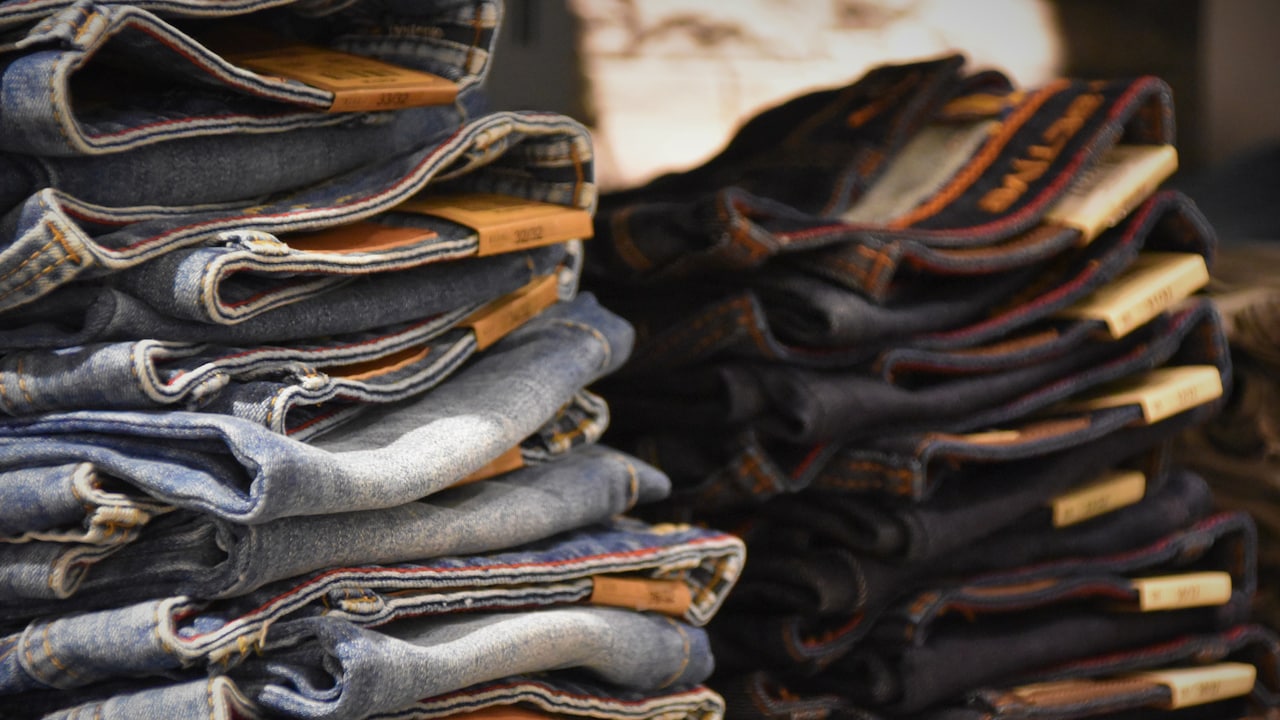
Jackets with buttons, rivets, zippers, and decorative elements can carry more weight than simple options; Photo Credit: Unsplash
Lining Materials Increase Bulk
Many denim jackets include interior lining for warmth or structure. While this feature proves useful during cooler months, it often adds significant bulk.
Common lining materials include fleece, flannel, or quilted polyester. These fabrics create insulation but also trap heat and add layers beneath the denim shell.
A lined jacket may feel comfortable during winter evenings, yet it quickly becomes overwhelming in milder weather. The extra layers increase thickness and restrict airflow.
Lightweight denim jackets usually skip heavy lining altogether. Some versions include only thin cotton lining or none at all. This keeps the jacket breathable and easier to wear throughout the day.
Consider a simple scenario. A person heads out for dinner wearing a lined denim jacket. The restaurant feels warm, and suddenly the jacket feels like winter armour. Removing it becomes the only option.
Unlined or lightly lined denim avoids that problem. It adapts easily to changing temperatures without feeling bulky.
For daily wear, especially in regions where winter remains mild, skipping heavy lining often makes the jacket far more practical.
Stretch Denim Improves Comfort And Reduces Weight
Modern textile technology introduced stretch denim, which quietly transformed everyday clothing. By blending cotton with a small percentage of elastane or spandex, manufacturers create fabric that stretches slightly during movement.
This stretch allows the fabric to remain thinner without sacrificing comfort. The result feels lighter while still maintaining durability.
Traditional denim relies purely on cotton. Without elasticity, manufacturers often use thicker yarns to maintain strength. Stretch denim solves this limitation.
When worn in jackets, stretch denim allows better mobility in the shoulders and arms. Reaching for a bag, riding a scooter, or carrying groceries becomes easier.
The fabric also adapts naturally to the body's movement rather than resisting it. This flexibility reduces the sensation of heaviness.
A lightweight stretch denim jacket often feels closer to a casual shirt than a traditional workwear piece. Yet it still maintains the iconic denim appearance.
For daily wear, stretch denim offers one of the most practical solutions. Comfort improves significantly without compromising style.
Soft Washing Techniques Create Lighter Jackets
Manufacturing techniques also shape how heavy a denim jacket feels. Soft washing processes play a crucial role here.
Enzyme washing, stone washing, and garment washing break down rigid fibres within denim. These treatments remove stiffness and create a softer texture.
Without these processes, denim remains rigid and structured. Even moderate fabric weight may feel heavy due to the lack of flexibility.
Soft washing transforms the experience completely. The fabric relaxes, folds naturally, and becomes comfortable against the skin.
Many modern lightweight denim jackets undergo multiple washing stages before reaching stores. This ensures the jacket feels broken-in rather than brand new and stiff.
Picture slipping on a jacket that already feels familiar and comfortable. No awkward break-in period, no rigid sleeves, no resistance while moving.
Soft washing also enhances breathability because relaxed fibres allow slightly better airflow.
This combination of comfort and flexibility explains why pre-washed denim jackets often feel noticeably lighter than untreated versions.
Tailoring And Fit Influence Perceived Weight
Fit affects comfort more than most people realise. A poorly tailored denim jacket can feel heavy even when the fabric itself remains light.
Oversized designs sometimes carry excess material across the shoulders and sleeves. This extra fabric bunches during movement, creating a bulky feeling.
Similarly, extremely tight jackets restrict motion, making the wearer constantly aware of the garment's presence.
Lightweight denim jackets usually focus on balanced tailoring. Slightly relaxed shoulders, well-cut sleeves, and a comfortable torso fit allow natural movement.
When a jacket fits properly, the body supports the weight evenly. The garment almost disappears into the outfit rather than dominating it.
Good tailoring also prevents constant adjusting. No tugging at sleeves, no pulling at the collar, no awkward folds around the waist.
The result feels effortless. The jacket becomes something worn without thinking about it.
In everyday life, that subtle comfort matters far more than dramatic fashion statements.
Choosing Lightweight Denim For Daily Wear
Finding the right lightweight denim jacket becomes easier once these factors come into focus. Fabric weight, weave softness, minimal hardware, and breathable construction all contribute to comfort.
A good lightweight jacket feels easy the moment it lands on the shoulders. Movement remains natural, the fabric drapes smoothly, and the body stays comfortable even during long days.
Versatility also matters. Lightweight denim pairs easily with casual outfits, office-casual looks, and weekend wear. One jacket can handle multiple situations without feeling out of place.
Imagine a typical day: morning coffee, office commute, evening meet-up with friends. A well-chosen lightweight denim jacket moves effortlessly through all these moments.
Budget options around ₹2,000 to ₹3,500 often deliver excellent lightweight designs today. Many brands now prioritise comfort because modern shoppers value wearability over rigid heritage styles.
The key lies in trying the jacket, moving around, and noticing how it feels after a few minutes. True lightweight denim rarely draws attention to itself. It simply feels right.
Products Related To This Article
1. Klyro Full Sleeve Washed Men Denim Jacket
2. Kashian Full Sleeve Solid Men Denim Jacket
3. Jeancherry Full Sleeve Solid Men Denim Jacket
4. Kashian Full Sleeve Solid Men Denim Jacket
5. Moda Rapido Full Sleeve Solid Men Denim Jacket
Denim jackets carry timeless appeal, yet not every version suits daily wear. Heavy fabric, dense weaving, untreated denim, excessive hardware, thick lining, and poor tailoring often combine to create jackets that feel far heavier than expected.
Lightweight denim offers a refreshing alternative. Softer fabrics, breathable construction, stretch fibres, and thoughtful design transform the classic jacket into something far more comfortable.
The charm of denim remains untouched. The rugged texture, the versatile styling, and the relaxed confidence stay firmly intact.
The difference lies in how the jacket feels throughout the day. Instead of feeling like a burden, a lightweight denim jacket becomes an effortless layer that adapts to everyday life.
For those searching for a reliable wardrobe staple, lightweight denim quietly proves its worth. Comfortable, stylish, and adaptable, it turns a timeless classic into something truly practical for daily wear.
(Disclaimer: This article may include references to or features of products and services made available through affiliate marketing campaigns. NDTV Convergence Limited (“NDTV”) strives to maintain editorial independence while participating in such campaigns. NDTV does not assume responsibility for the performance or claims of any featured products or services.)