How To Stop Cotton-Blend Hoodies From Stretching After Washing? Causes, Care Tips And Fixes
Cotton-blend hoodies often lose shape after washing due to fibre behaviour, heat, and drying habits. Learn why stretching happens and how simple care steps can keep your hoodie looking new.

Cotton-Blend Hoodies Losing Shape: Why They Stretch After Washing And How To Maintain Them.
Hoodies have quietly become everyday heroes. They travel from morning walks to late-night chai breaks, from college campuses to airport lounges. Cotton-blend hoodies, in particular, feel like a safe bet. They promise comfort without the stiffness of pure synthetics and durability beyond 100% cotton. Yet many people notice a familiar frustration. After a few washes, that neat silhouette softens in all the wrong ways. Sleeves stretch past wrists. Shoulders slump. The hoodie feels older than its actual age. This can be puzzling, especially when washing feels routine and harmless. The truth lies in how cotton behaves, how blends respond to water and heat, and how modern laundry habits quietly sabotage fabric structure. Here is how to stop cotton-blend hoodies from stretching and losing shape after washing.

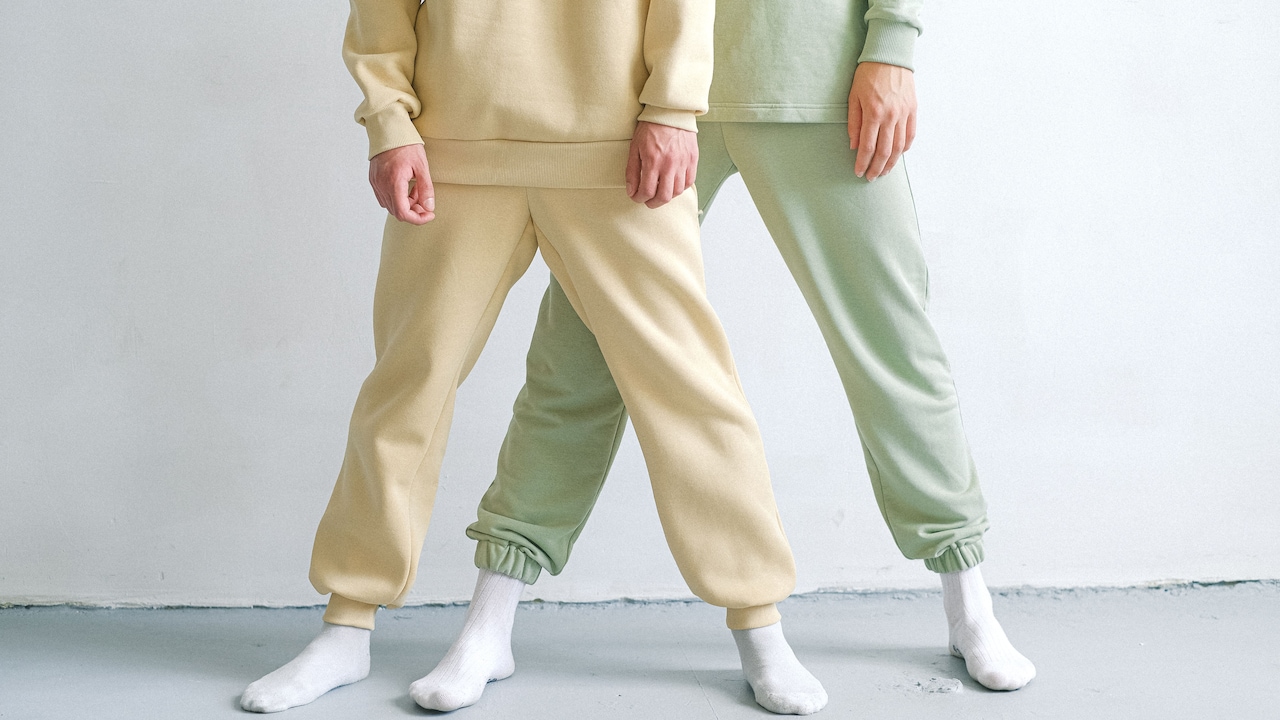
Explore top tips to prevent cotton hoodies from stretching after gradual use; Photo Credit: Unsplash
A hoodie doesn't need babying, just a little respect. With the right care, that trusted layer can survive monsoons, winters, and countless washes without losing its charm.
Also Read: Trendy Zipper Hoodies For Men: Stay Warm And Stylish With These Winter Fashion Picks
Why Cotton-Blend Hoodies Change Shape Over Time
1. The Nature of Cotton Fibres: Comfort with a Catch
Cotton feels breathable, soft, and friendly on the skin. That comfort comes from its natural fibres, which absorb moisture easily. Unfortunately, this same quality makes cotton vulnerable. When cotton fibres absorb water during washing, they swell. As the fibres swell, they loosen their grip on the yarn structure. This process weakens the fabric's original shape.
Blended hoodies usually combine cotton with polyester or elastane. While the synthetic fibres aim to add strength, cotton still dominates how the fabric reacts to washing. When wet, cotton relaxes. Add agitation from a washing machine, and the fibres shift even more. Once dried incorrectly, they may not return to their original alignment.
This explains why hoodies often stretch in length or width after washing. The fabric hasn't shrunk in quality, but it has changed structure. Cotton prefers gentle handling. Without it, the hoodie slowly forgets the shape it was tailored into. Comfort remains, but crispness quietly disappears.
2. Blended Fabrics: When Fibres Disagree
Cotton blends sound ideal on paper. Natural comfort meets synthetic durability. In reality, blended fabrics behave like a group project where everyone works at a different pace. Cotton absorbs water quickly. Polyester resists moisture. Elastane stretches and snaps back. During washing, these fibres react differently to the same conditions.
This uneven reaction creates tension within the fabric. Cotton relaxes and expands. Polyester stays firm. Elastane stretches under stress. Over repeated washes, this internal tug-of-war leads to distortion. Areas like cuffs, hems, and shoulders suffer most because they already experience daily pulling.
This is why some hoodies stretch sideways while others grow longer. The blend ratio matters too. A hoodie with 80% cotton behaves very differently from one with 60%. Understanding this helps manage expectations. A cotton-blend hoodie offers balance, not perfection. Treating it like pure cotton or full synthetic often leads to disappointment.
3. Hot Water: The Silent Shape Shifter
Hot water feels satisfying. It promises cleanliness and freshness. For cotton-blend hoodies, however, it acts like an overenthusiastic gym trainer. Heat weakens cotton fibres by breaking hydrogen bonds within the fabric. When those bonds loosen, fibres stretch more easily under movement.
Many people assume hot water shrinks clothes. While this can happen with untreated cotton, blends often respond differently. Heat combined with agitation encourages fibres to relax permanently. Once stretched in hot water, the fabric sets into its new shape as it cools.
Warm or cold water works far better for hoodies. It cleans effectively without stressing fibres. In climates where dust and sweat are common, cold washes still do the job when paired with a good detergent. Saving hot water for towels and bedsheets can quietly extend a hoodie's lifespan by years.
4. Overloading the Washing Machine
Laundry days often involve ambitious loads. Hoodies get thrown in with jeans, towels, and heavy garments. This creates friction and pressure during the wash cycle. Cotton-blend hoodies, already softened by water, stretch under the load.
When heavy items spin, they pull on lighter fabrics. Sleeves get trapped. Hems twist. The hoodie stretches unevenly, especially at stress points. This damage doesn't show after one wash. It builds slowly, wash after wash, until the hoodie feels misshapen.
Giving hoodies breathing space helps. Washing them with similar-weight garments reduces strain. Turning them inside out also protects the outer surface. A smaller load may feel inefficient, but it costs less than replacing a ₹1,500 hoodie every few months.
5. The Spin Cycle: Too Much of a Good Thing
High-speed spin cycles remove water quickly. They also stretch fabrics aggressively. During spinning, centrifugal force pulls water and fibres outward. Cotton-blend hoodies, heavy when wet, stretch under this force.
Cuffs and hoods suffer the most. These areas hold more water, making them heavier during the spin. Over time, the hoodie develops droopy sleeves and sagging hoods. The fabric hasn't failed. It simply endured too much stress.
Lower spin speeds work better for hoodies. Air-drying may take longer, but shape retention improves dramatically. For those using machines with adjustable settings, choosing a gentle or delicate cycle can make a visible difference within weeks.

Avoid using high-speed spin cycles as they can stretch the fabric; Photo Credit: Unsplash
6. Drying Habits That Undo All Effort
Dryers feel convenient, especially during humid seasons. Unfortunately, heat and tumbling undo careful washing in minutes. Heat relaxes fibres further, while tumbling stretches them randomly. Cotton-blend hoodies lose structure rapidly in dryers.
Even sun-drying can cause issues when done incorrectly. Hanging hoodies by the shoulders pulls the fabric downward. The weight of wet cotton stretches the neckline and shoulders. Over time, this creates that familiar slouchy look.
Flat drying works best. Laying the hoodie on a towel allows fibres to settle naturally. If hanging feels necessary, folding the hoodie over the drying rod rather than using pegs at the shoulders reduces stress. Small changes here protect the hoodie's original silhouette.
7. Detergents and Fabric Softeners: Hidden Culprits
Strong detergents strip fibres aggressively. While they remove stains, they also weaken cotton over time. Fabric softeners add another problem. They coat fibres with chemicals that reduce friction temporarily but weaken elasticity long-term.
This coating makes hoodies feel soft but less resilient. Fibres slide instead of holding a structure. Over repeated use, the fabric stretches more easily. That soft, worn-in feel often signals structural fatigue rather than quality.
Mild detergents work best for cotton blends. Using the recommended amount matters too. More detergent doesn't mean cleaner clothes. It means more residue and fibre damage. Skipping fabric softener entirely can surprisingly extend a hoodie's life.
8. Everyday Wear and Tear Adds Up
Washing gets blamed often, but daily habits contribute too. Pulling sleeves over hands, stuffing hoodies into backpacks, or hanging them on narrow hooks stretches fabric gradually. Cotton-blend hoodies adapt to repeated stress by loosening.
This doesn't mean wearing habits need to change completely. Awareness helps. Avoiding constant tugging at cuffs and zips reduces strain. Folding hoodies instead of hanging them preserves the shoulder shape. Simple mindfulness keeps the hoodie looking intentional rather than accidental.
Just like shoes crease where feet bend, hoodies stretch where life happens. Accepting some change feels realistic. Preventing excessive distortion keeps that change graceful rather than sloppy.
9. Choosing Better Cotton-Blend Hoodies from the Start
Not all cotton-blend hoodies age the same way. Fabric quality, weave density, and blend ratio matter. Tighter weaves resist stretching better. A higher percentage of polyester often improves shape retention, though it reduces breathability slightly.
Checking stitching helps too. Reinforced seams at shoulders and cuffs signal better construction. Ribbed hems with good recovery bounce back after stretching. Trying the hoodie on and moving naturally reveals how it responds to motion.
Paying ₹500 more upfront often saves money later. A well-made hoodie survives seasons instead of months. Quality doesn't shout. It whispers through durability.
10. A Simple Care Routine That Actually Works
Maintaining cotton-blend hoodies doesn't require rituals. A simple routine delivers results. Wash in cold water. Use a gentle detergent. Avoid overcrowding the machine. Choose low spin speeds. Skip the dryer whenever possible.
Dry flat or fold over a rod. Store folded rather than hung. Rotate hoodies instead of wearing the same one daily. These habits take minutes but preserve shape dramatically.
Clothes respond to consistency. Treating hoodies with quiet care keeps them reliable. The reward shows up every time the hoodie fits just right, without sagging sleeves or droopy hems.
Products Related To This Article
1. Cloroot Men Full Sleeve Solid Hooded Sweatshirt
2. GLOBENAUT Women Full Sleeve Solid Hooded Sweatshirt
3. American Eagle Men Full Sleeve Solid Sweatshirt
4. Spykar Women Full Sleeve Solid Hooded Sweatshirt
5. Roadster Men Full Sleeve Solid Hooded Sweatshirt
6. HIGHLANDER Men Solid Hooded Neck Cotton Blend Blue T-Shirt
7. Free Authority Women Full Sleeve Printed Sweatshirt
Cotton-blend hoodies stretch after washing for understandable reasons. Natural fibres relax in water. Heat and agitation amplify that effect. With a little knowledge and small adjustments, hoodies can age gracefully. They can soften without sagging. They can stay comfortable without looking tired. The next time a hoodie comes out of the wash looking slightly different, it won't feel like a mystery. It will feel manageable.
(Disclaimer: This article may include references to or features of products and services made available through affiliate marketing campaigns. NDTV Convergence Limited (“NDTV”) strives to maintain editorial independence while participating in such campaigns. NDTV does not assume responsibility for the performance or claims of any featured products or services.)