Why Some Handbags Lose Shape Over Time, And Best Tips To Maintain Their Structure
Handbags often lose their shape due to overstuffing, poor storage, and daily wear. Learn why it happens and discover simple tips to keep your favourite bags structured, stylish, and long-lasting.
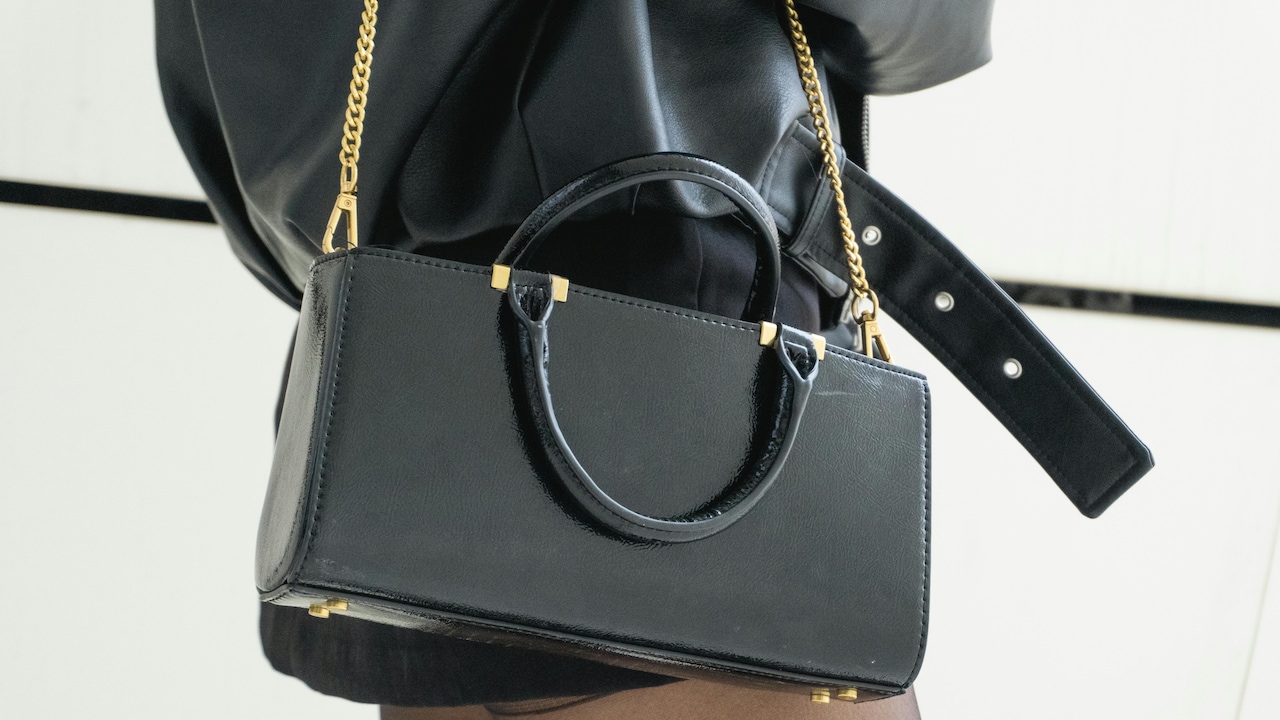
Why Do Handbags Lose Their Shape? Here Are Smart Tips To Maintain Structure And Extend Their Life.
A handbag sits quietly at the centre of daily life. It travels from morning commutes to dinner plans, from grocery runs to festive gatherings. Inside it sits everything from wallets and lip balms to crumpled receipts and emergency snacks. Over time, this constant companionship takes a toll.
Many handbags begin their life crisp, structured, and proud. The leather feels firm, the corners stand tall, and the silhouette looks polished. Months later, the same bag may appear slouchy or uneven. Corners soften, the base sags, and the once-sharp shape starts to blur.
This change often surprises people. After all, a quality handbag can cost anywhere from ₹2,000 to ₹20,000 or more. One expects such an investment to maintain its form. Yet shape loss happens more often than many realise, even with premium materials.
The good news lies in awareness. Handbags do not lose structure overnight. Several small habits gradually affect their shape. Overstuffing, careless storage, moisture exposure, and daily wear quietly reshape the bag's frame.
With a few thoughtful practices, however, handbags can retain their elegance far longer. A well-maintained bag can easily last several years while still looking fresh and structured. Understanding why handbags lose shape and how to prevent it makes all the difference.
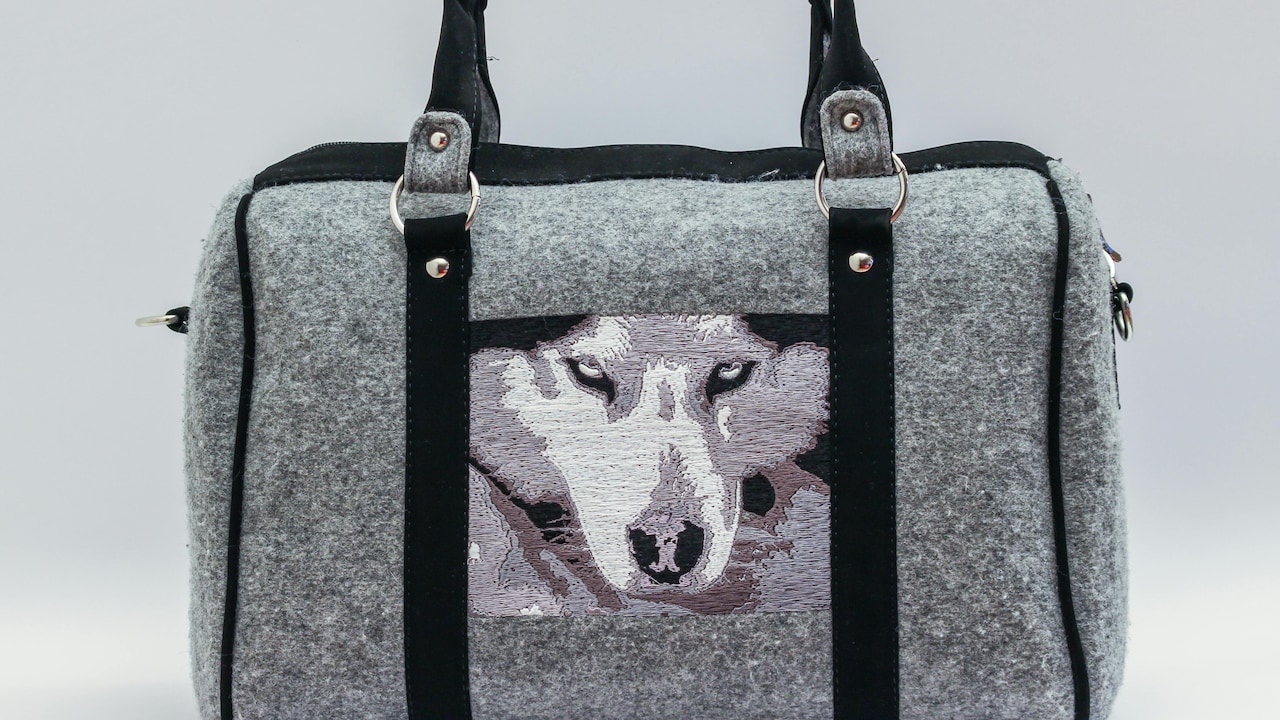
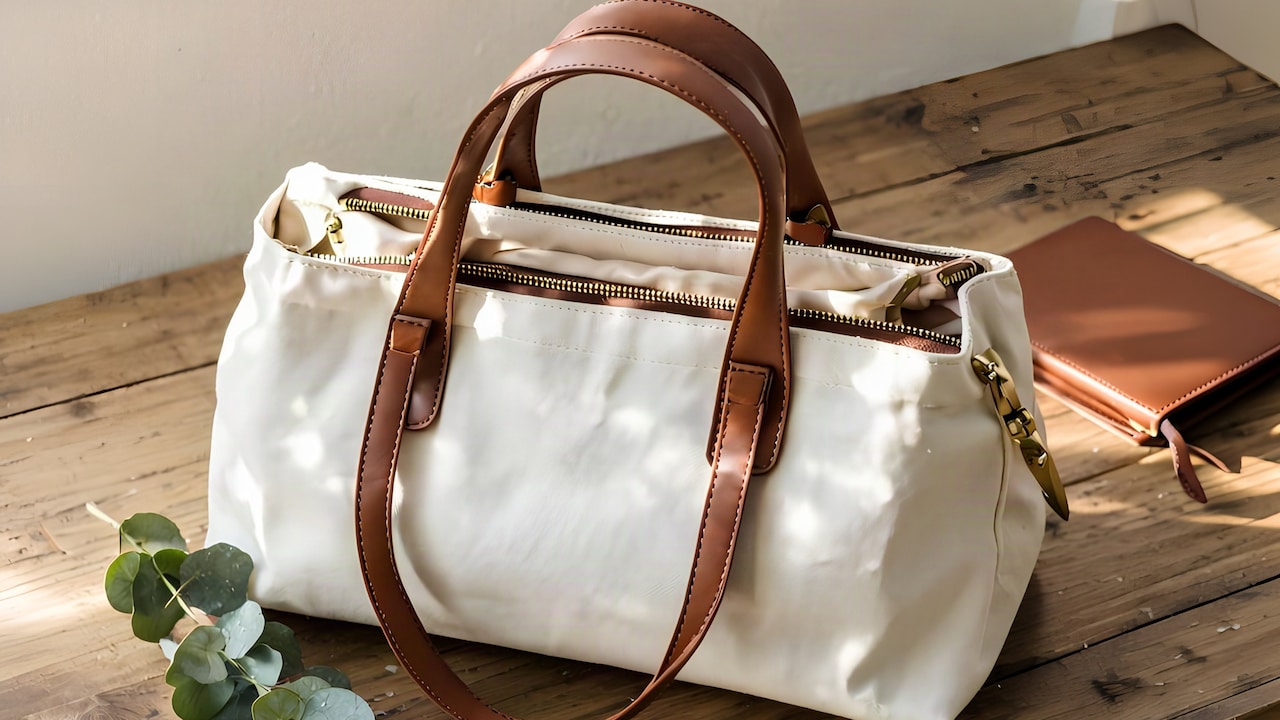
Why Handbags Lose Shape Over Time And Simple Tips To Keep Them Structured; Photo Credit: Pexels
Understanding Why Handbags Lose Their Shape And How To Prevent It
Overstuffing The Bag Beyond Its Intended Capacity
Handbags often turn into portable storage units. A quick look inside many bags reveals wallets, sunglasses, power banks, small perfume bottles, notebooks, keys, coins, snack packets, and sometimes even a water bottle.
While the convenience feels tempting, overstuffing remains one of the biggest enemies of handbag structure.
Every handbag is designed with a specific capacity in mind. When the weight exceeds that limit, the bag's internal seams start to stretch. The base panel begins to bend downward, especially in soft leather or faux leather designs. Over time, the bottom loses firmness and develops a permanent sag.
The sides suffer as well. A structured tote may start looking like a slouchy carry-all simply because the material has stretched beyond recovery.
Many people also push bulky items into small compartments. This habit distorts the lining and weakens the stitching. Eventually, the bag struggles to return to its original shape.
The solution stays surprisingly simple. Carry only essentials. A smaller pouch for coins or cosmetics prevents loose items from piling up. Occasionally, emptying the bag also helps remove forgotten clutter.
A handbag should support daily life, not carry half the household.
Weak Internal Structure And Poor Reinforcement
Not every handbag receives the same internal engineering. Some bags feature reinforced panels, structured bases, and supportive linings. Others rely purely on soft material without much internal support.
When the structure remains weak from the start, shape loss arrives much sooner.
A structured handbag typically includes stabilising layers between the outer material and lining. These hidden layers act like a skeleton. They hold the bag upright and protect the silhouette.
Without such reinforcement, even a beautiful leather bag can collapse within months.
Many budget handbags priced around ₹800 to ₹1,500 focus more on appearance than construction. They may look elegant in the store, but lack strong baseboards or sturdy stitching.
Even premium bags can struggle if internal panels become damaged over time.
Checking the base of the bag offers a simple clue. A sturdy base keeps the bag upright when placed on a table. If the bag collapses immediately, structural support may already be weak.
Choosing bags with reinforced bottoms, thick lining, and firm handles helps maintain shape for far longer.
Also Read: Top 7 Shoulder Handbags For Women That Will Not Hurt Your Back
Daily Wear And Natural Material Fatigue
Handbags endure daily friction, pressure, and movement. Each time a bag swings while walking or rests against a chair, the material experiences stress.
Leather, faux leather, canvas, and fabric all respond differently to this repeated strain.
Natural leather softens beautifully with age, but too much stress causes stretching. Corners round off, edges curl slightly, and panels lose tension.
Canvas bags face a different challenge. Constant weight pulls on the fabric fibres, gradually loosening the weave. The bag begins to droop.
Even synthetic materials weaken with repeated bending. Handles twist, seams loosen, and the base develops subtle creases.
This process resembles the way favourite shoes eventually mould to the shape of one's feet. Comfort increases, but structure fades.
Rotating between two or three handbags reduces the strain on a single one. Allowing a bag to “rest” between uses helps the material recover slightly.
Just like footwear, handbags benefit from occasional breaks.
Improper Storage At Home
Storage habits quietly shape a handbag's lifespan. Many bags end up tossed into cupboards, crammed between clothes, or folded inside suitcases.
This careless storage gradually destroys the original structure.
When a bag stays flattened under heavy items, the sides compress. Creases form along the panels and remain long after the bag returns to use.
Handles suffer too. When bags hang on narrow hooks for months, the handle base stretches and weakens.
Humidity adds another complication. Moist environments soften materials and weaken internal boards.
Proper storage protects the bag's form. Stuffing the interior with soft cloth or tissue paper helps maintain the original silhouette. Placing the bag upright inside a dust cover keeps pressure away from the sides.
A shelf dedicated to handbags works surprisingly well. Bags can stand comfortably without crowding.
Treating storage as part of maintenance prevents many structural problems before they begin.
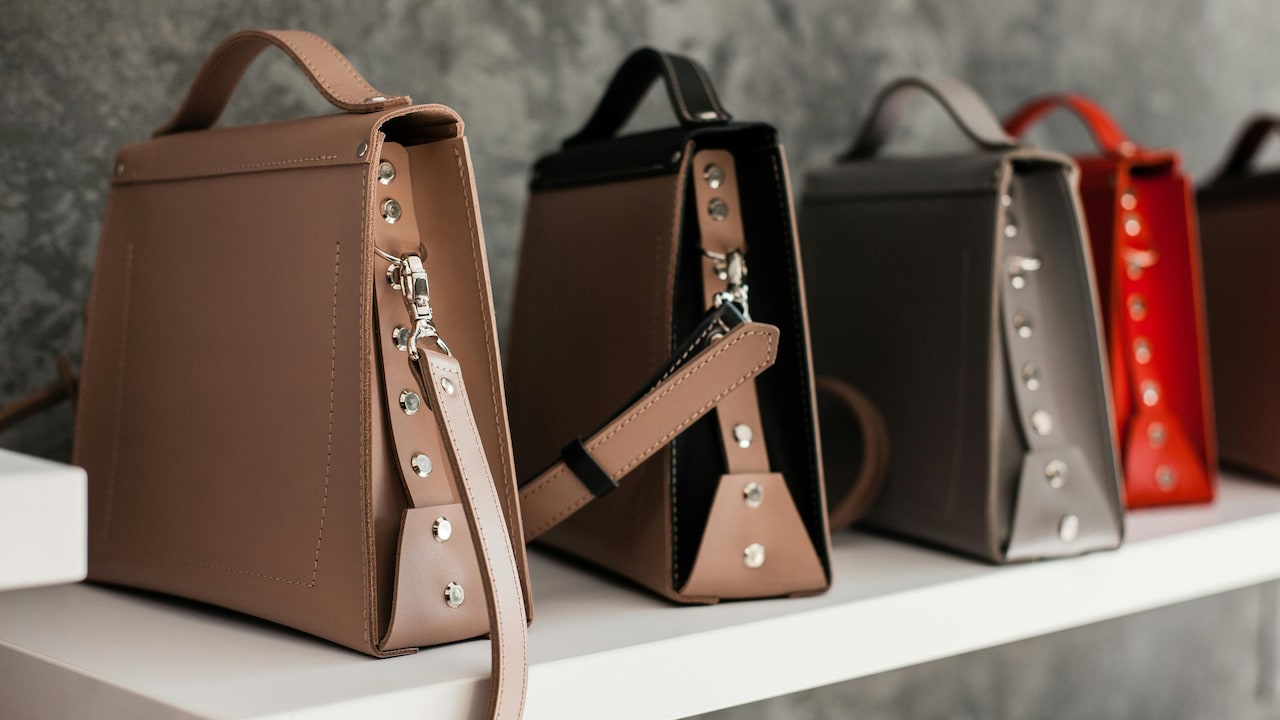
Why Handbags Lose Shape Over Time And Simple Tips To Keep Them Structured; Photo Credit: Pexels
Moisture And Weather Exposure
Weather plays a quiet yet powerful role in handbag deterioration.
Moisture remains particularly harmful. Rain, humidity, or accidental spills can seep into leather and lining layers. Once moisture enters the structure, the material begins to soften and weaken.
Leather may wrinkle or stretch unevenly after drying. Fabric bags can develop sagging panels where water once collected.
Humidity also affects the internal reinforcement boards. Some boards absorb moisture and warp slightly. The bag may never sit upright again.
Urban environments often include sudden showers and humid afternoons. Without protection, handbags face these conditions regularly.
Carrying a small foldable tote inside the handbag can help during heavy rain. When rain starts, delicate bags can quickly slip inside the protective layer.
Drying a wet bag requires patience. Direct sunlight or hair dryers can damage materials. Instead, gentle air drying in a shaded area works best.
Keeping moisture away remains one of the simplest ways to protect the structure.
Poor Quality Handles And Weight Distribution
Handles often carry the full burden of a handbag's weight. When handles weaken, the entire bag structure begins to distort.
Thin straps may stretch under pressure. Over time, the bag's upper edge warps because the handles pull unevenly.
Some bags include decorative handles that look stylish but lack reinforcement. These handles slowly tug the bag's frame out of alignment.
Weight distribution also matters. Placing heavy objects on one side causes uneven stretching. The bag tilts slightly and gradually adopts a lopsided shape.
Many shoppers focus on the outer design and overlook handle construction. Yet handles determine how well the bag holds its shape during movement.
Sturdy stitching, thicker straps, and reinforced handle bases provide better support.
Even a well-built handbag struggles if overloaded repeatedly. A bag that begins to tilt or twist may simply carry more weight than intended.
Balanced packing protects both handles and structure.
Lack Of Internal Organisation
A chaotic handbag interior often leads to structural damage.
Loose objects roll around inside the bag throughout the day. A heavy power bank may press against one corner while keys scratch the lining elsewhere.
This constant shifting pushes against the bag walls. The internal panels gradually lose their symmetry.
Items with sharp edges create particular trouble. Sunglasses cases, chargers, and cosmetic containers press outward, creating visible bulges.
Organisers offer a simple solution. A small insert with compartments keeps items in place and distributes weight evenly.
Such organisers also help maintain the bag's shape by filling empty space.
Many handbag enthusiasts swear by felt organisers, which cost around ₹400 to ₹800 depending on size. They act like a removable skeleton that supports the bag walls.
The organisation inside the bag protects the outside structure far more than expected.

Why Handbags Lose Shape Over Time And Simple Tips To Keep Them Structured; Photo Credit: Pexels
Neglecting Regular Cleaning And Conditioning
Dirt and oil slowly weaken handbag materials.
Daily handling transfers natural skin oils, dust, and pollution onto the surface. Over time, these particles settle into the material.
Leather bags suffer particularly when neglected. Without conditioning, leather dries out and becomes stiff. Cracks may appear near stress points, affecting the bag's ability to hold shape.
Fabric bags collect dust within the fibres, making them heavier and less flexible.
Cleaning does not require elaborate effort. A gentle wipe with a soft cloth removes surface grime. Leather conditioners applied occasionally help maintain suppleness without excessive stretching.
Professional cleaning once a year can also help revive the structure, especially for expensive handbags above ₹10,000.
Just as shoes need polishing, handbags benefit from small moments of care.
Clean materials stay stronger and maintain their original form longer.
Ignoring The Base Of The Bag
The base acts as the foundation of a handbag's structure. Yet it often receives the least attention.
Placing handbags on rough floors, café counters, or car seats exposes the base to pressure and dirt. Over time, the baseboard may weaken or bend.
Once the base collapses, the entire bag loses shape.
Some handbags include metal feet designed to lift the base slightly above surfaces. These small additions prevent friction and protect the bottom panel.
Bags without protective feet face a greater risk. The base absorbs every impact when the bag is placed down.
A simple habit helps enormously. Placing the bag gently instead of dropping it preserves the baseboard.
For soft bags, a removable base shaper can restore firmness. These inserts cost roughly ₹200 to ₹500 and make a noticeable difference.
A strong base supports the entire bag structure.
Not Giving The Bag Time To Recover Shape
Handbags need occasional recovery time. Continuous use without rest keeps the material under constant pressure.
A bag used every day rarely has time to regain its shape. Items remain packed inside, stretching the sides and base.
Allowing the bag to sit empty for a day or two helps the panels relax slightly. Stuffing the interior with tissue paper during this break restores the original silhouette.
Rotating between different handbags works well for this reason. Many wardrobes already include a few favourites, perhaps a work tote, a casual sling, and a festive clutch.
Switching between them reduces wear on each piece.
This small rotation keeps bags looking fresh far longer.
Sometimes, the simplest maintenance step involves doing nothing at all, just letting the bag rest.
Products Related To This Article
1. Marks & Spencer Leather Oversized Swagger Shoulder Bag
2. Mast & Harbour Textured Structured Tote Bag with Tasselled
3. Fastrack Women Textured Structured Sling Bag with Croc Faux Leather Construct
4. ZOUK Women Mandala Printed Structured Tote Bag
5. Caprese Animal Textured Baguette Shoulder Bag
6. Max Printed PU Shoulder Bag
7. Fastrack Women Pink Snaplock Shoulder Bag
Handbags accompany countless moments of daily life. They travel through crowded markets, office corridors, evening gatherings, and weekend outings. Over time, this constant use naturally affects their structure.
Yet shape loss rarely happens by accident. Small habits quietly contribute to sagging bases, stretched handles, and collapsing sides.
Overstuffing, improper storage, moisture exposure, and neglect gradually weaken the bag's internal support. Even beautifully designed handbags struggle under such conditions.
Fortunately, maintaining structure does not require complicated routines. Carrying fewer items, storing bags properly, cleaning them occasionally, and allowing them to rest can dramatically extend their life.
A well-maintained handbag retains not only its shape but also its charm. Years later, it can still accompany new outfits and fresh memories. After all, a good handbag deserves to stand tall, literally and stylistically.
(Disclaimer: This article may include references to or features of products and services made available through affiliate marketing campaigns. NDTV Convergence Limited (“NDTV”) strives to maintain editorial independence while participating in such campaigns. NDTV does not assume responsibility for the performance or claims of any featured products or services.)