Your Feet Hurt Far Too Much In Heels? Your Arch Might Be The Real Drama Queen
Discover how your foot arch can affect heel comfort. Learn the different types of foot arches, footwear suitable for each, hacks for better support, and ways to make heels hurt less.
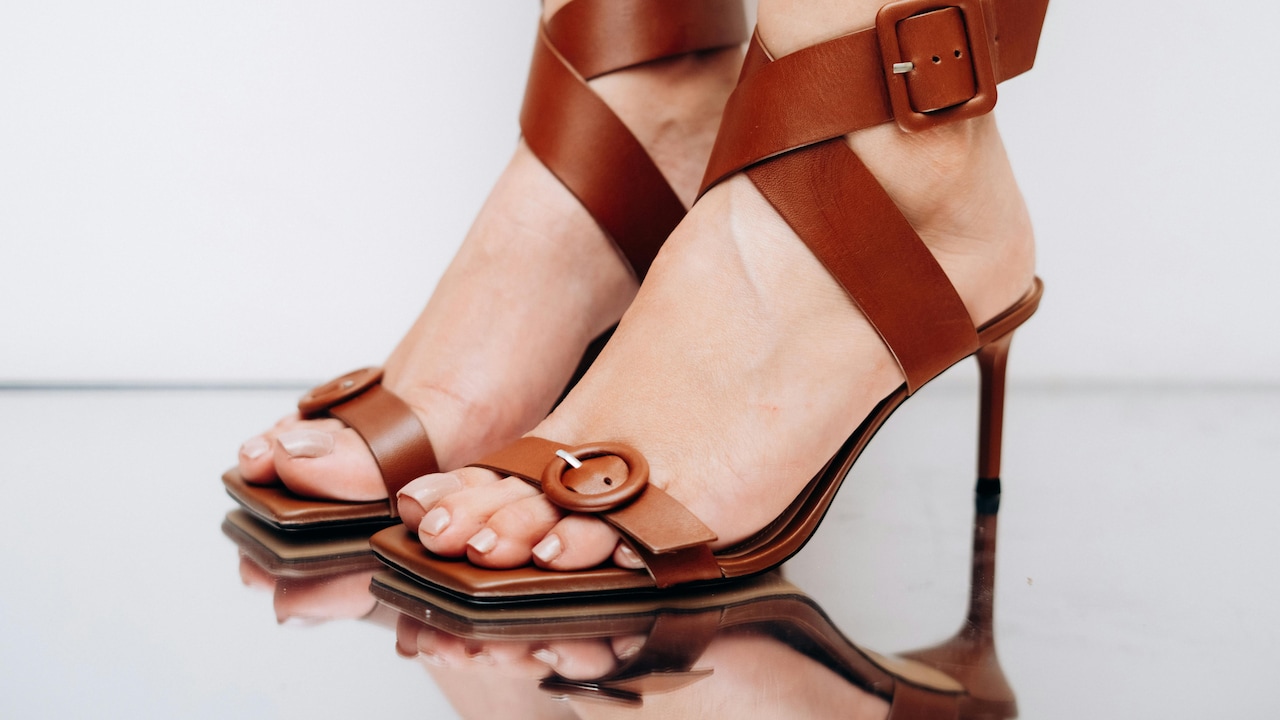
Understanding your arch helps you choose shoes that work with your body, not against it
If you've ever found yourself slipping out of your heels halfway through an evening because your feet feel like they're on fire, you are not the only one doing so. Most of us instinctively blame the shoes for their bad shape and lack of comfort. I truly believe that some heels do deserve the criticism. But there's another factor at play that many people don't even consider: your foot arch.
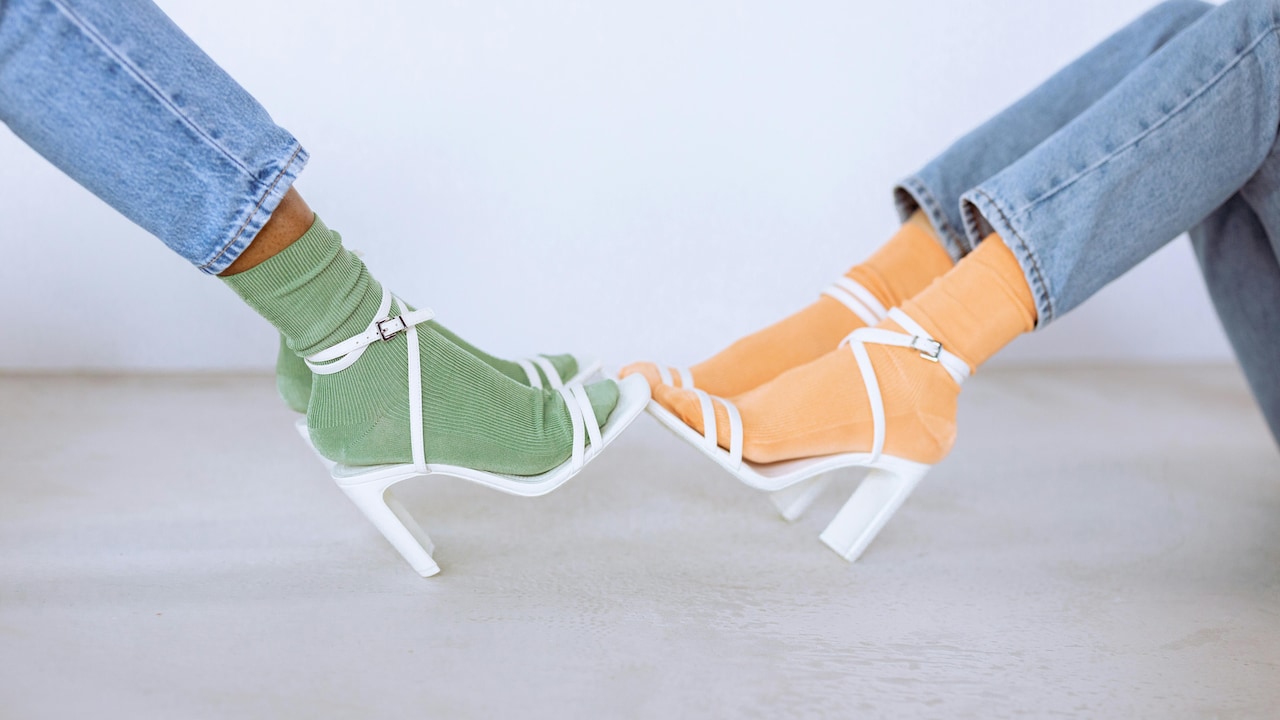
Your arch shape plays a bigger role in heel comfort than heel height.
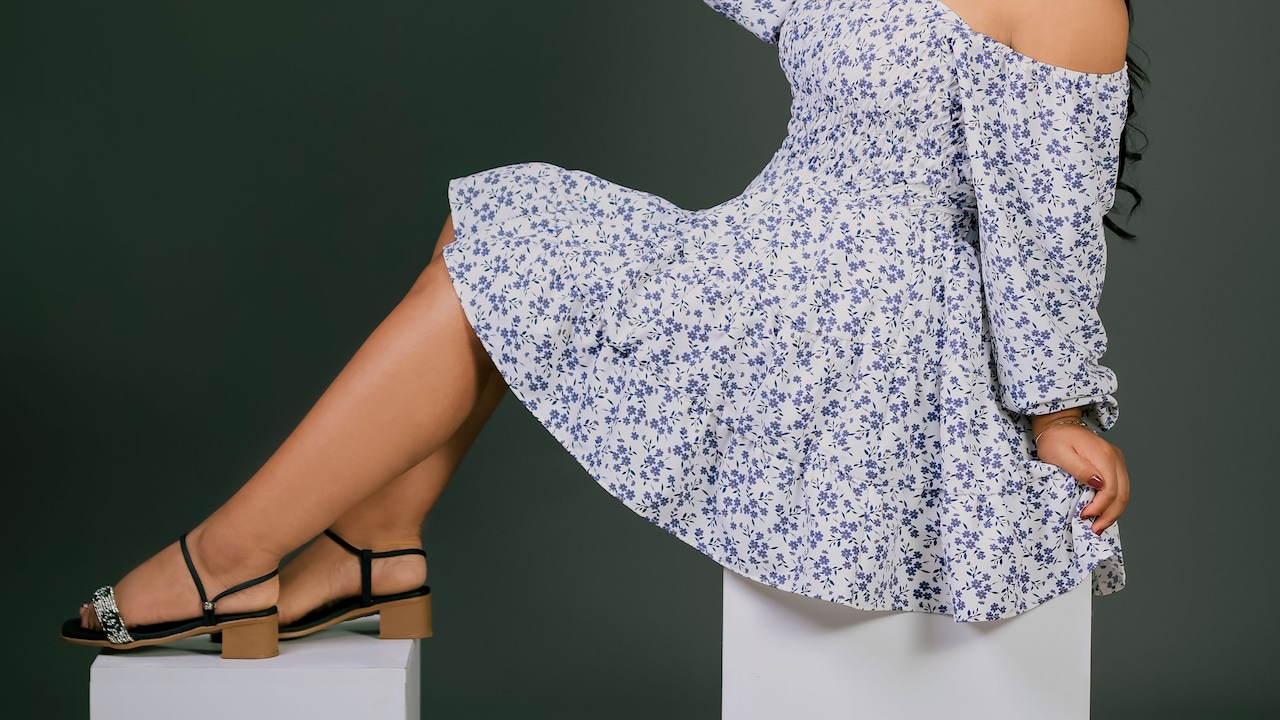
Photo Credit: Pexels
Strangely enough, most discomfort in heels isn't about the height or the design alone. It's often about how well the shoe works with the natural shape of your foot, particularly the curve that sits between your heel and the ball of your foot. Understanding your arch is almost like finding that missing explanation for why certain shoes torture your feet while others feel surprisingly fine.
Also Read: 5 Versatile Skirts That Pair Effortlessly With Sneakers, Heels And Flats
What Exactly Is Your Foot Arch?
Think of your arch as the 'bridge' on the underside of your foot. Some bridges are low, some medium, some high, and feet are the same. This arch helps your foot absorb pressure, keeps your balance steady, and allows you to walk comfortably.
It decides how your weight is distributed. That's why people with different arches have completely different experiences with the same pair of heels. What feels like a dream to one person can feel like punishment to another.
The Three Types of Foot Arches
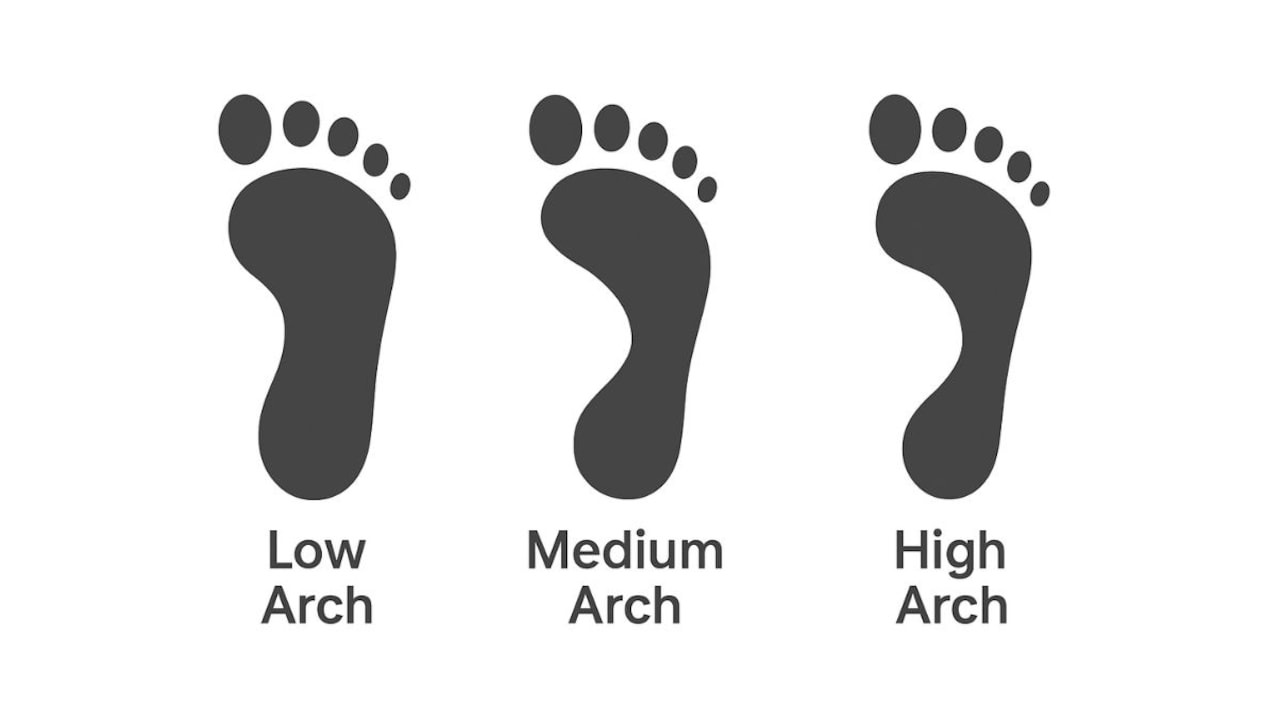
A visual comparison of wet‑test footprints showing low, medium and high arches
Photo Credit: Co-Pilot
If you don't know your arch type, the quickest way to get a rough idea at home is the wet test. It's not a medical diagnosis, but it's a simple starting point that helps you understand how much of your midfoot naturally contacts the ground. Wet the sole of one foot (not dripping, just damp), then step onto a piece of paper, cardboard, or a dry, dark tile floor. Step off and look at the footprint. The key area to focus on is the middle of your foot (between the heel and the ball).
- If the middle shows up a lot, your arch is likely lower.
- If the middle barely shows, your arch is likely higher.
- If it's somewhere in between, you're likely in the medium range.
Now match what you see to the three types below.
1. Low Arch (Flat Feet)
What the wet test looks like: You see almost the entire foot in the print, including most of the middle section, with only a small inward curve (or none at all).
What it means: Your foot sits closer to the ground and may roll inward more when you walk. In heels, this can feel less stable, especially in narrow styles, because your foot is more likely to “collapse” inward under pressure.
2. Medium Arch
What the wet test looks like: You see the heel and forefoot clearly, with a noticeable inward curve through the middle, but there's still a solid band connecting them.
What it means: This is the most balanced weight-distribution setup. People with medium arches can usually wear a wider range of footwear comfortably, but poor cushioning, a very stiff sole, or a badly shaped toe box can still cause pain.
3. High Arch
What the wet test looks like: The middle of the footprint is very narrow, or nearly missing. You mostly see the heel and the ball of the foot with a thin line connecting them.
What it means: Your foot doesn't spread pressure evenly across the ground, so more force lands on the heel and the ball of the foot. In heels, that pressure often increases at the front, creating the 'all my weight is on my toes' feeling, especially in steep or thin‑soled designs.
How Your Arch Affects Your Experience In Heels
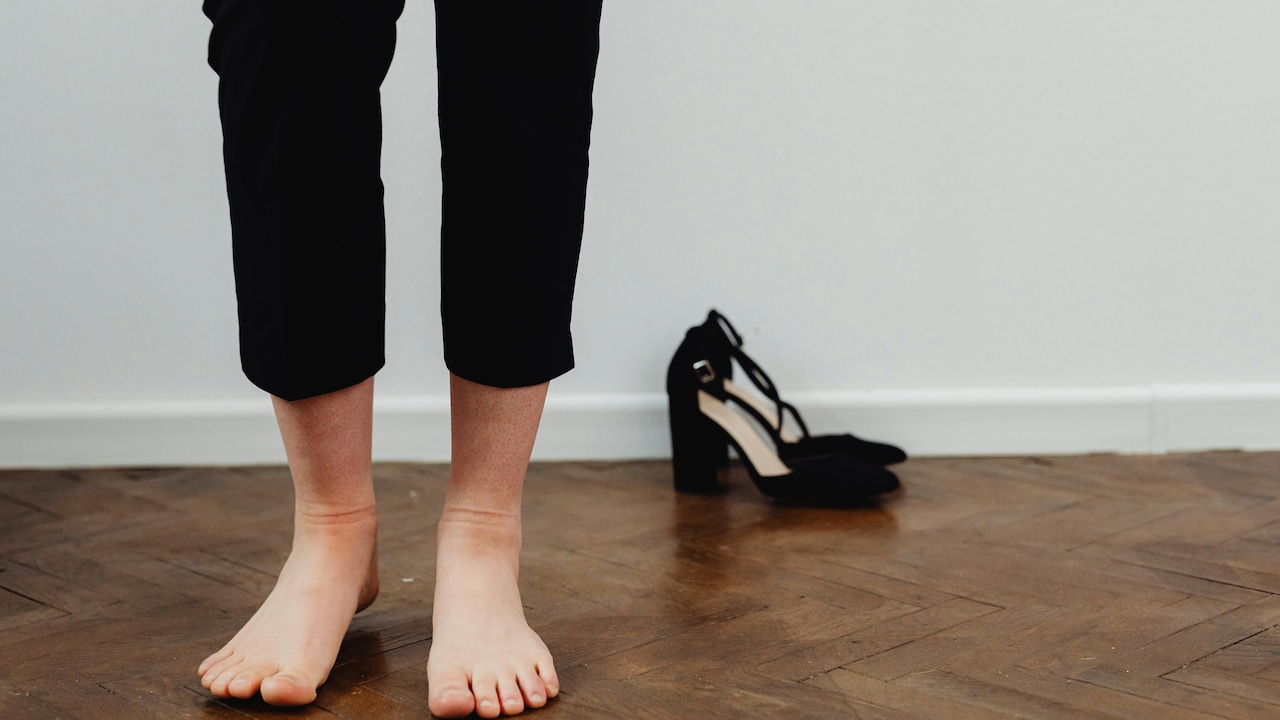
The right support can make even tall heels feel surprisingly wearable.
Photo Credit: Pexels
If you have low arches, your heels often feel unstable because your foot tends to roll inward. This makes narrow heels particularly uncomfortable. Medium arches adapt better, but that doesn't mean you can wear any heel without complaint; poor cushioning or shape can still make your toes or the ball of your foot ache. High arches, on the other hand, don't distribute pressure evenly on hard surfaces, so heels can feel like standing on tiptoe on a stone floor.
Even though heel height matters, the real story is how your arch handles the angle and pressure inside the shoe.
The Right Kind Of Footwear For Every Arch Type
| Arch Type | What They Need | Why It Helps |
|---|---|---|
| Low Arch | Supportive insole, slightly thicker heel, stable base | Provides structure, improves alignment, and prevents feet from collapsing inward |
| Medium Arch | Well‑balanced, moderately cushioned footwear | Maintains natural foot shape; avoids extremes (too flat or too rigid) |
| High Arch | Well‑padded soles, cushioned platforms | Absorbs shock, reduces pressure on heel and forefoot, makes heels feel less steep |
This is why some people can dance all night in heels, while others can barely walk across the room. It isn't weakness; it's biomechanics.
How Different Heels Feel for Different Arch Types
The table below breaks it down at a glance:
| Type of Heel | Low Arch | Medium Arch | High Arch |
|---|---|---|---|
| Stilettos | Unstable, painful | Manageable | Painful ball-pressure |
| Block Heels | Best for support | Very comfortable | Good with padding |
| Wedges | Great for stability | Comfortable | Comfortable if cushioned |
| High Platforms | Too steep | Okay | Great for reducing pressure |
| Heeled Sandles | Need support straps | Usually fine | Require cushioned soles |
Ways To Make Any Shoe More Comfortable (Including Those Tight Heels)
Even if a shoe isn't perfect for your arch type, there are plenty of clever ways to make it work. Many people feel instant relief by simply adding arch support inserts, which come in varying firmness. Softer ones help high arches, while firmer ones prevent low arches from collapsing inward.
Gel cushions are lifesavers for anyone who feels pressure on the ball of the foot. Heel grips prevent slipping, especially helpful if your heel tends to lift out of the shoe. Moleskin tape stops blisters before they begin, and toecaps or toe spacers can help relax cramped toes in pointy heels.
There are DIY tricks, too. Freezing shoes with water bags inside can gently stretch tight pairs, while the thick‑socks‑plus‑hairdryer method helps mould the material comfortably around your foot. And if the shoe has a very thin insole, replacing it with a padded or memory‑foam version can completely change how it feels.
Even simple habits matter, like wearing your new heels around the house for short periods before taking them out properly, or moisturising your feet so the skin doesn't rub and blister as quickly.
A Handy Way To Guess Your Arch‑Related Pain
If the inside of your foot aches after wearing heels, your arch may be too low for that style. If you feel pain mainly in the heel or ball of your foot, your arch may be too high for the shoe's cushioning. If the discomfort changes from shoe to shoe without a clear pattern, you likely have medium arches but need better‑designed footwear.
Your arch plays a far bigger role in your comfort than the heel height or the brand name on the box. Once you understand your natural arch and pick shoes that work with it rather than against it, wearing heels no longer feels like a battle. You walk better, last longer, and enjoy your shoes instead of resenting them.
The next time your feet hurt in heels, don't be so quick to blame the shoe itself. Your arch might have been whispering the truth all along; now you finally know how to listen.
Top 5 Footwear For Low Arch Feet
1. Birkenstock Women's Leather Comfort Sandals
2. Lavie Women Square Toe Mary Jane Flats
3. DressBerry Ankle Loop Block Pumps
4. Inc 5 Women Striped Party Wedge Sandals
5. yoho Women Wanderz 003 Chunky Platform EVA Sandals
Top 5 Footwear For Medium Arch Feet
1. ERIDANI Women Embellished Open Toe Wedge Heel Sandals
2. CAI Midnight Satin Thong Heels
3. DressBerry Women Woven Design Open Toe Flats
4. House of Pataudi Open Toe Embellished Platform Heels
5. Carlton London Sports Women Navy Blue And White Rubber Sliders
Top 5 Footwear For High Arch Feet
1. Theater Women Twiggy Sun Child Floral Mary Jane Block Heels
2. Baespice Women Padded Criss-Cross Slip-On Slider Flipflops
3. ERIDANI Frida Kolhapuri Heels
4. TRIKSY Party Block Sandals
5. Froh Feet Women Pointed Ring Toe Block Sandals
Frequently Asked Questions (FAQs)
1. Why do my feet hurt so quickly when I wear heels?
Heel pain often comes from how your foot arch handles pressure. If your arch is too low or too high for the shoe's shape, weight gets unevenly distributed, causing discomfort.
2. How do I know what type of arch I have?
You can check your arch by observing your wet footprint on a flat surface. A full footprint usually indicates a low arch, a moderate curve shows a medium arch, and a narrow footprint suggests a high arch.
3. Are high heels more uncomfortable for certain arch types?
Yes, high arches feel extra pressure on the ball and heel, while low arches struggle with stability in narrow heels. Medium arches tend to adapt better, but still need proper support.
4. Can inserts or supports really help with heel pain?
Absolutely. Arch supports, gel cushions, heel grips, and padded insoles can reduce pressure, improve balance, and make heels far more comfortable for everyday wear.
5. Are certain heel styles better for foot health?
Block heels, wedges, and cushioned platforms tend to distribute weight more evenly. The best style depends on your arch type, but supportive soles generally work for most feet.
(Disclaimer: This article may include references to or features of products and services made available through affiliate marketing campaigns. NDTV Convergence Limited (“NDTV”) strives to maintain editorial independence while participating in such campaigns. NDTV does not assume responsibility for the performance or claims of any featured products or services.)