Why Does Fast-Fashion Fabric Feel Sticky In Monsoon Humidity
Why fast-fashion fabric feels sticky in monsoon humidity: How synthetic fibres trap heat and moisture, and which fabrics actually breathe in the rain.
Why Does Fast-Fashion Fabric Feel Sticky In Monsoon Humidity
The clinging, damp, uncomfortable feeling that fast-fashion clothes produce in monsoons is not a coincidence; it is the predictable outcome of what those fabrics are actually made from. Polyester, nylon, and viscose blends dominate fast fashion because they are cheap to produce and easy to print on, and all three have properties that make them unpleasant to wear when humidity is high and your body is trying to cool itself through sweat.
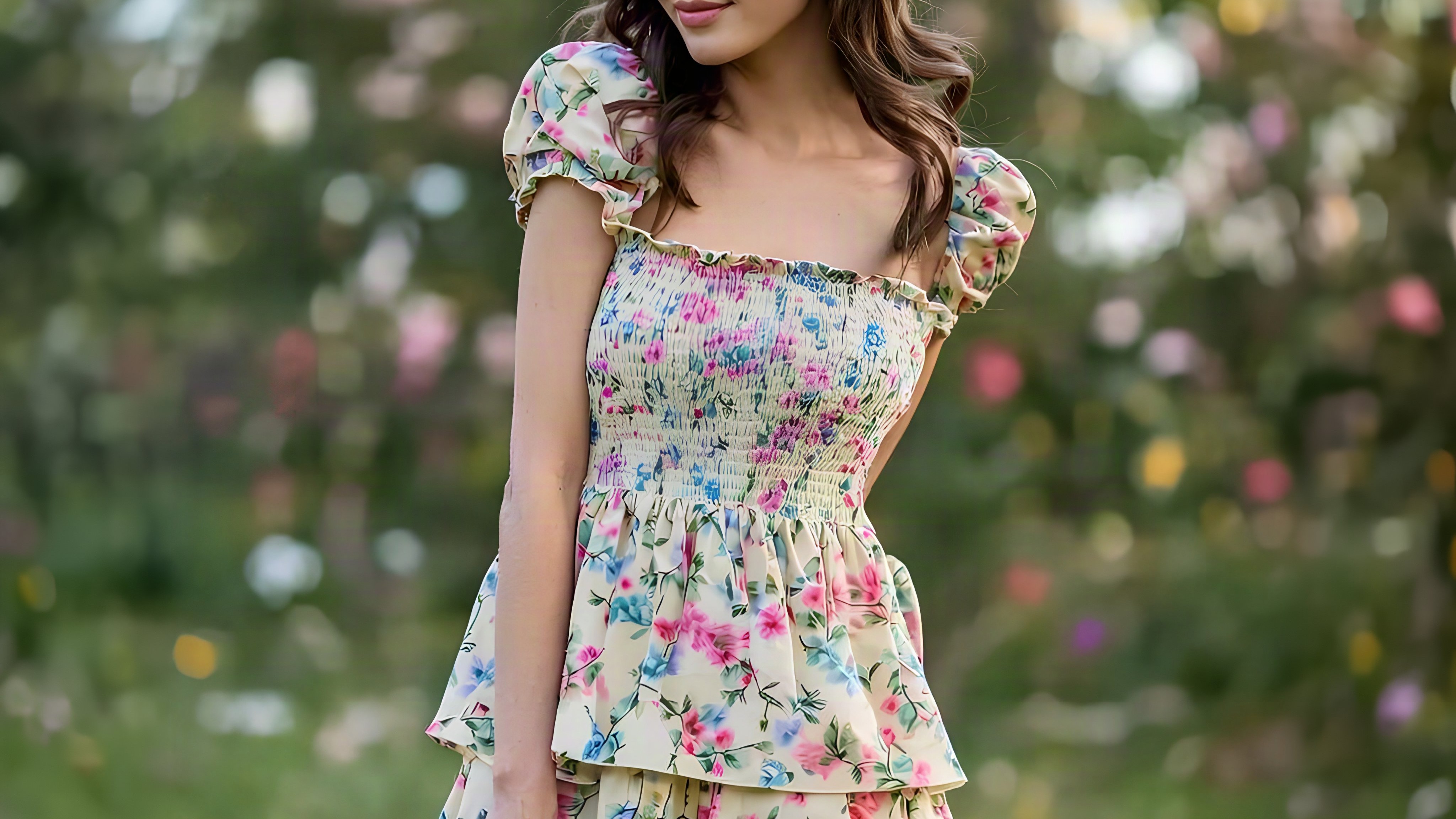
How Does Monsoon Humidity Make Synthetic Fabric Feel Sticky?
Photo Credit: iStock
Understanding why the fabric feels the way it does is the starting point for buying clothes that actually work in Indian monsoon conditions, rather than just clothes that look right in the product photograph but turn into a problem the moment you step outside. This guide breaks down the science of how synthetic fibres interact with humidity, what makes certain fabrics genuinely breathable, and which fabric types are worth looking for the next time you shop for clothes you will wear from June to September.
How Does Monsoon Humidity Make Synthetic Fabric Feel Sticky?
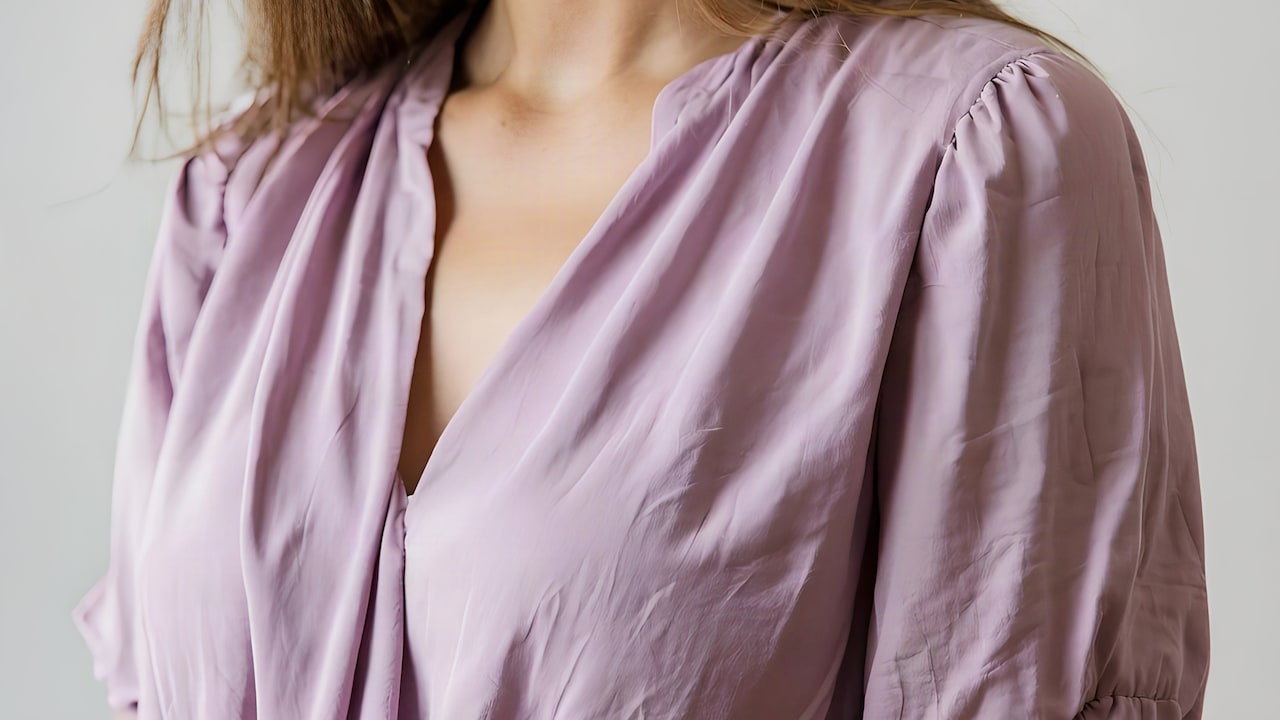
Synthetic fibres, such as polyester and nylon, are made from petroleum-derived polymers that do not absorb moisture. When you sweat in humid weather, natural fibres like cotton absorb that moisture and release it slowly through evaporation. Synthetic fibres cannot do this; the moisture has nowhere to go except to sit between the fabric and your skin, creating a warm, damp, clammy layer that makes you feel worse the longer you wear the garment.
Why Does Fast Fashion Use These Fabrics If They Feel This Bad?
The reason fast fashion uses synthetic fabrics despite their comfort limitations in humid climates is straightforward.
Step 1: Understand The Economics
Polyester costs significantly less to produce than cotton or linen at industrial scale, and it is far more stable as a material across production runs. It does not shrink, it holds colour more reliably through repeated washing, it photographs well under studio lighting, and it can be printed on with the kind of fine detail that sells on a product listing. For a business model built on high volume and low cost, polyester and its blends are the obvious choice regardless of how they feel in a Mumbai July.
Step 2: Know What Gets Hidden In Fabric Descriptions
Fast fashion product listings often describe synthetic fabric in ways that obscure what it actually is. Viscose gets called a breathable, natural-feeling fabric because it is plant-derived, but it still does not breathe the way cotton does and it becomes significantly weaker when wet. Polyester blends are simply listed as woven or printed fabrics, without mentioning their fibre content. Checking the fabric composition percentage in the product description rather than just the fabric name is the only way to know what you are actually buying.
Which Fabrics Actually Work in Monsoon Humidity?
Not all fabrics behave the same way in humid conditions, and the difference between wearing the right and wrong one on a monsoon day is significant enough to change how the whole day feels.
Step 1: Look At Their Benefits
Pure cotton is the most reliable fabric for monsoon wear in the Indian context. It absorbs moisture from the skin and allows it to evaporate, which keeps the surface between the fabric and skin drier than any synthetic alternative. Linen does the same job but with a slightly airier weave that suits loose-fitting silhouettes especially well. Khadi and handloom cotton weaves have slightly looser structures that increase airflow further. For the monsoon specifically, the more closely a fabric resembles these natural fibres, the more comfortable it is likely to be.
Step 2: Consider Their Limitations
Natural fabrics also have downsides in monsoon conditions that are worth knowing before assuming cotton always wins. Pure cotton in a very tight weave can take a long time to dry if caught in heavy rain, and it retains water in a way that feels heavy and cold rather than merely damp. Light cotton weaves handle these conditions better than dense ones. Linen wrinkles almost immediately when wet. The practical answer for monsoon dressing is looser natural weaves in breathable silhouettes rather than any tight cotton garment.
Fast Fashion Fabric vs Natural Fibre: What Actually Changes?
Synthetic fabric fails harder in the Indian monsoon than in almost any other climate. That is not an opinion, it is just what happens when two moisture problems hit a non-absorbent fabric at the same time.
1. The Double Moisture Problem
External humidity pushes moisture toward the skin. Sweat pushes it from the other direction. A fabric that absorbs none of it traps both in the same place, and polyester absorbs none of it. In a dry climate, this difference barely matters. In July in Mumbai, it is the reason an outfit stops being wearable by mid-morning.
2. What Cotton Actually Does Differently
Cotton pulls moisture away from the skin and lets it evaporate through the weave. That single function is why someone wearing cotton in the same conditions feels noticeably better by the afternoon than someone in polyester, wearing identical outfits otherwise.
3. The Real Cost of Cheap Synthetics
A polyester shirt you cannot wear comfortably for six months of the year is not a cheap shirt. A cotton alternative that works through the full monsoon season offers better value, even if its price is slightly higher.
Also Read: Monsoon Friendly Western Outfits Every Woman Needs Right Now
What Fabric Should You Wear During the Monsoon?
Three variables. Natural fibre, loose silhouette, light colour. Get those right and most of the monsoon dressing problem is already solved.
1. What Actually Works
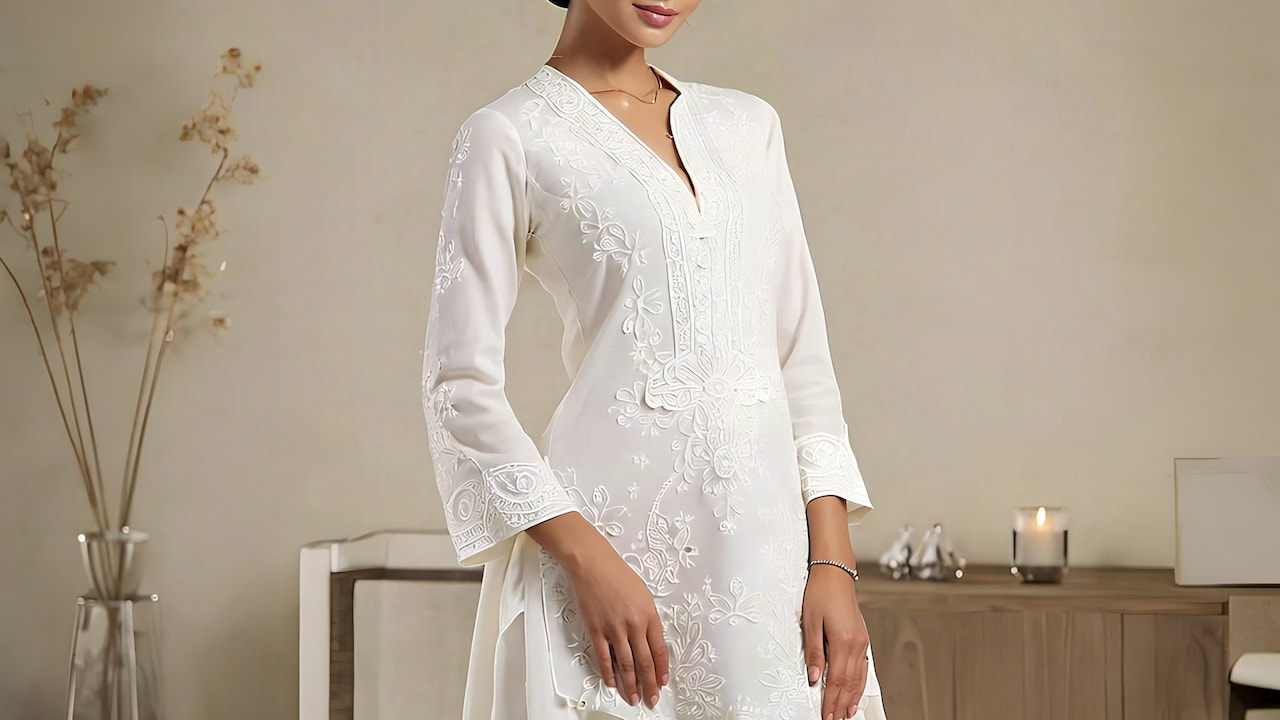
Pure cotton or linen in a relaxed cut handles Indian monsoon conditions better than anything synthetic. Chikankari sets, flowy cotton dresses, loose shirts, and cotton nightwear are all widely available on Indian fashion platforms and are all genuinely comfortable through the season.
2. Where Fast Fashion Still Makes Sense
Not all fast fashion is synthetic. Plenty of items use natural fibres or blends that contain enough cotton to behave like cotton does. The difference is that you should read the fabric composition on the listing rather than buy based on the photograph which can be misleading. One extra second of checking changes how the whole season feels.
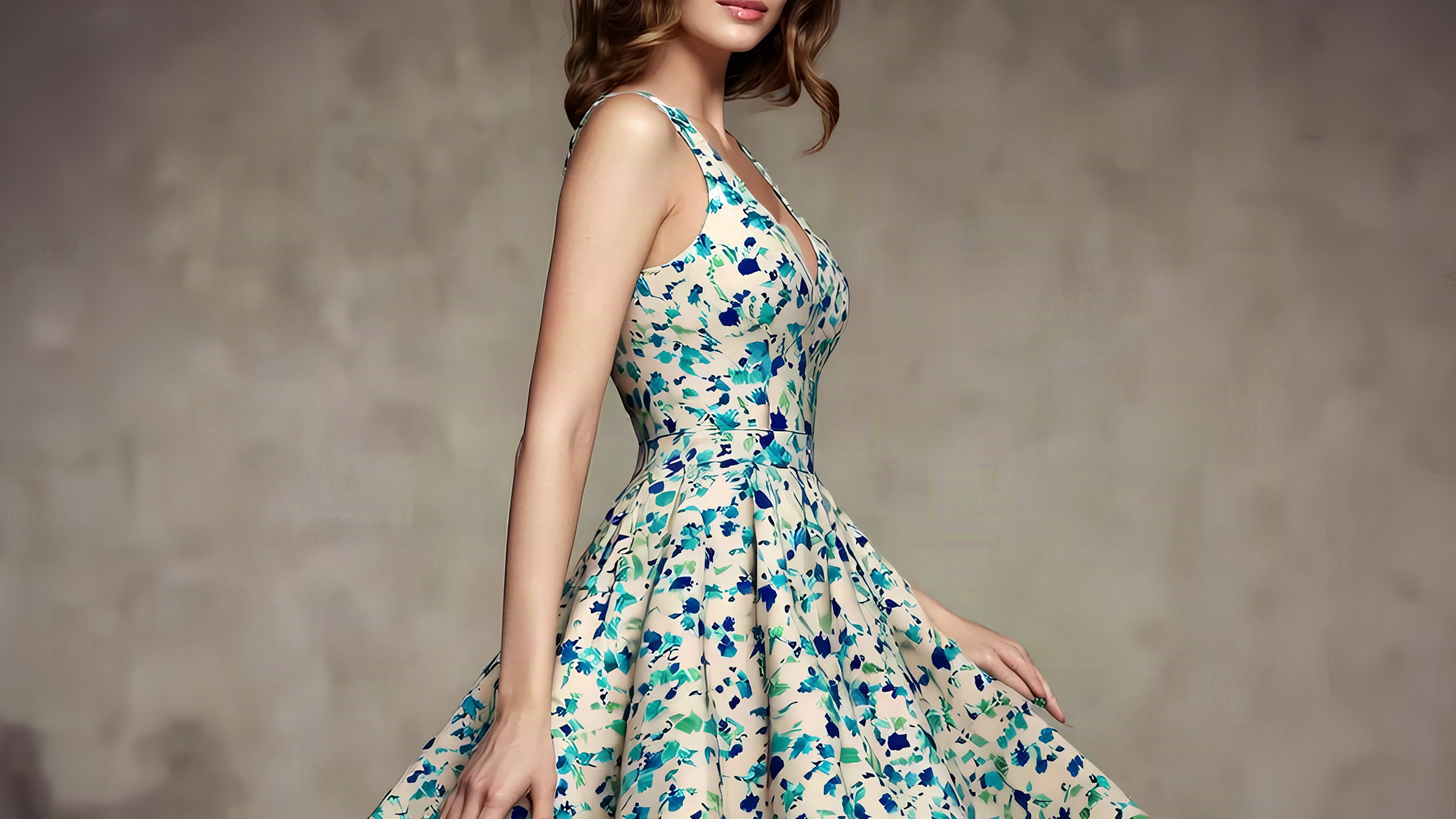
Why Does Fast Fashion Use These Fabrics If They Feel This Bad?
Photo Credit: iStock
Some Monsoon-Ready Clothing Products You May Like
1. Fashionable Chikan Handikraft Women Chikankari Kurta With Palazzos
2. Soch Woman Embroidery Sleeveless Clothing Set
3. Antheaa Woman Floral Smocked Tiered Dress
4. Pavitra Clothing Printed Short-Sleeved Nightdress
5. DL Woman Oversized Crepe Casual Shirt
6. Allen Solly Woman Floral Printed Casual Shirt
7. Allen Solly Woman Pure Cotton Hooded Sweatshirt
8. Hay Women's Fit And Flare Dress
Fast-fashion clothing often feels sticky and uncomfortable during the monsoon because many garments are made from synthetic fabrics like polyester, nylon, and acrylic, which tend to trap heat and moisture instead of allowing the skin to breathe. When humidity levels rise, sweat evaporates more slowly, causing these fabrics to cling to the body and create a damp, sticky sensation. In contrast, breathable materials such as cotton, linen, and moisture-wicking blends help improve airflow and absorb excess moisture. If you want to stay comfortable during humid weather, choosing lightweight, breathable fabrics can make a significant difference in keeping you cool, dry, and fresh throughout the rainy season.
Frequently Asked Questions (FAQs)
1. Why does polyester feel sticky in monsoon humidity?
Polyester does not absorb moisture, so sweat and humidity have nowhere to go except to sit between the fabric and your skin.
2. Is viscose better than polyester for monsoons?
Slightly, but not by much. Viscose is plant-derived and feels softer than polyester, but it still does not breathe the way cotton does and it becomes significantly weaker when wet.
3. Can I wear natural fabrics in heavy rain?
Yes, but the silhouette and weave matter. Loosely woven cotton and linen dry faster than tightly woven versions of the same fabric. A soaked cotton garment in a loose cut is more comfortable than a soaked synthetic one.
4. What fabric percentage should I look for when buying monsoon clothing?
Anything above sixty percent cotton tends to behave like a cotton garment for comfort purposes. Below that threshold, the synthetic component starts to dominate the feel and moisture-management properties of the fabric.
5. Why do Chikankari sets work well in the monsoon?
Chikankari embroidery is traditionally worked on pure cotton fabric, and the hand-embroidered texture creates a slightly raised surface between the fabric and skin that increases natural airflow. .
(Disclaimer: This article may include references to or features of products and services made available through affiliate marketing campaigns. NDTV Convergence Limited (“NDTV”) strives to maintain editorial independence while participating in such campaigns. NDTV does not assume responsibility for the performance or claims of any featured products or services.)