Why Halter Tops Keep Shifting Even When They Seem To Fit Properly: Top 10 Fixes
Tired of adjusting your halter top every few minutes? Discover 10 practical fixes for shifting necklines, loose straps and uncomfortable fits without compromising your style.

Why Halter Tops Keep Shifting Even When They Seem To Fit Properly: Top 10 Fixes
Halter tops have a certain charm that makes them difficult to resist. They show off the shoulders, create an elegant neckline and pair beautifully with everything from wide-leg trousers to flowy skirts. Whether it's a casual brunch, a weekend outing or an evening celebration, a well-fitted halter top can make an outfit look effortlessly stylish. But there's one problem that can quickly spoil the experience. The top simply refuses to stay where it belongs. You might notice the neckline slipping whenever you bend forward, the fabric twisting as you walk or the straps pulling uncomfortably against your neck. Surprisingly, these problems can occur even when you've chosen the correct size. The waist fits perfectly, the bust feels comfortable and nothing looks particularly loose in the mirror. Yet, a few minutes of movement tell a different story. The problem often has less to do with sizing and more to do with fabric behaviour, strap placement, body proportions and garment construction. Fortunately, you don't always need to abandon your favourite top or invest in an entirely new wardrobe. A few thoughtful adjustments can make a noticeable difference. Here are ten practical ways to stop halter tops from shifting and enjoy wearing them without constantly checking your neckline.

Why Halter Tops Keep Shifting Even When They Seem To Fit Properly: Top 10 Fixes
Photo Credit: Pexels
Top 10 Practical Fixes To Stop Halter Tops From Shifting
1. Adjust The Neck Straps To Balance Support And Comfort
One of the most common reasons halter tops shift is incorrect strap tension. Unlike conventional tops that distribute support across both shoulders, halter designs rely heavily on their neckline and neck straps. When these straps sit too loosely, the front panel can slide down or move sideways. Tightening them excessively creates another problem: uncomfortable pressure around the neck.
Start by adjusting the straps while standing naturally rather than pulling them tight in front of a mirror. The neckline should sit securely without digging into your skin. Try turning your head, raising your arms and bending slightly forward. If the fabric moves significantly, the straps may need another adjustment.
For tie-back designs, a secure double knot can help prevent gradual loosening. However, avoid pulling the knot so tightly that it causes discomfort. Tops with adjustable sliders offer more flexibility, especially when your preferred fit changes throughout the day.
Remember that neck straps shouldn't carry the entire weight of the garment. If the top still slips despite careful adjustments, the problem may lie elsewhere. A comfortable fit should feel secure without making your neck work overtime.
2. Choose The Right Bust Fit Instead Of Relying On Standard Sizes
A halter top can fit beautifully around the waist while leaving unexpected gaps near the bust. This happens because standard clothing sizes don't always account for differences in bust shape, upper-body proportions and chest width. Two people wearing the same size may experience completely different fits.
For example, a halter top with a structured bust panel might sit securely on one person but wrinkle or gape on another. If the upper section contains excess fabric, movement can cause the neckline to shift. On the other hand, an overly tight bust area may pull the fabric upwards or sideways.
Pay attention to how the garment fits across your chest rather than judging the size solely by its label. The fabric should follow your natural shape without stretching excessively or creating empty pockets.
If the waist fits but the bust doesn't, consider designs with adjustable back closures, wrap detailing or flexible bust panels. A tailor can also make small alterations to improve the fit.
The goal isn't to squeeze into a smaller size. It's to find a design that supports your proportions comfortably.
3. Add Fashion Tape To Keep The Neckline In Place
Sometimes, a halter top fits correctly but still moves slightly during everyday activities. Smooth fabrics, open necklines and lightweight construction can make the garment particularly sensitive to movement. In such situations, fashion tape offers a simple temporary solution.
Double-sided clothing tape helps secure the fabric against the skin, reducing minor slipping or gaping around the neckline. It's particularly useful for special occasions when you want to avoid adjusting your outfit repeatedly.
Before applying tape, make sure your skin is clean and dry. Moisturisers, body oils and sweat can weaken the adhesive. Place small strips along areas where the fabric tends to lift, following the manufacturer's instructions. Press the fabric gently into position rather than stretching it unnaturally.
Choose skin-safe tape specifically designed for clothing. Test it on a small area first, especially if your skin reacts easily to adhesives. Remove it gently to avoid irritation.
Fashion tape works best as an occasional styling aid, not as a permanent solution for poor construction or incorrect sizing. If your top depends entirely on adhesive to remain wearable, a different cut or alteration may serve you better.
Also Read: 5 Stylish Halter Neck Tops For Women Every Fashion Enthusiast Needs
4. Look For Wider Neck Straps That Distribute Pressure Better
Thin halter straps may look delicate and fashionable, but they aren't always the most practical choice. Narrow straps concentrate pressure over a smaller area, especially when the front panel contains heavy fabric, embellishments or additional lining.
As the garment moves, this uneven tension can pull the neckline out of position. You may find yourself repeatedly lifting the top while also dealing with uncomfortable pressure around the back of your neck.
Wider straps generally distribute pressure more comfortably and offer greater stability. This makes them particularly useful for long outings, celebrations or occasions involving plenty of movement.
When shopping, examine the strap construction rather than focusing entirely on its appearance. Look for smooth edges, secure stitching and enough width to prevent the material from cutting into your skin.
Soft, structured straps often feel more comfortable than narrow cords. Some designs also feature wider bands that connect neatly to the back, helping maintain the garment's shape.
If you already own a halter top with troublesome straps, a tailor may be able to replace them with wider alternatives. However, wider straps alone won't compensate for a badly fitted bust or loose back panel.
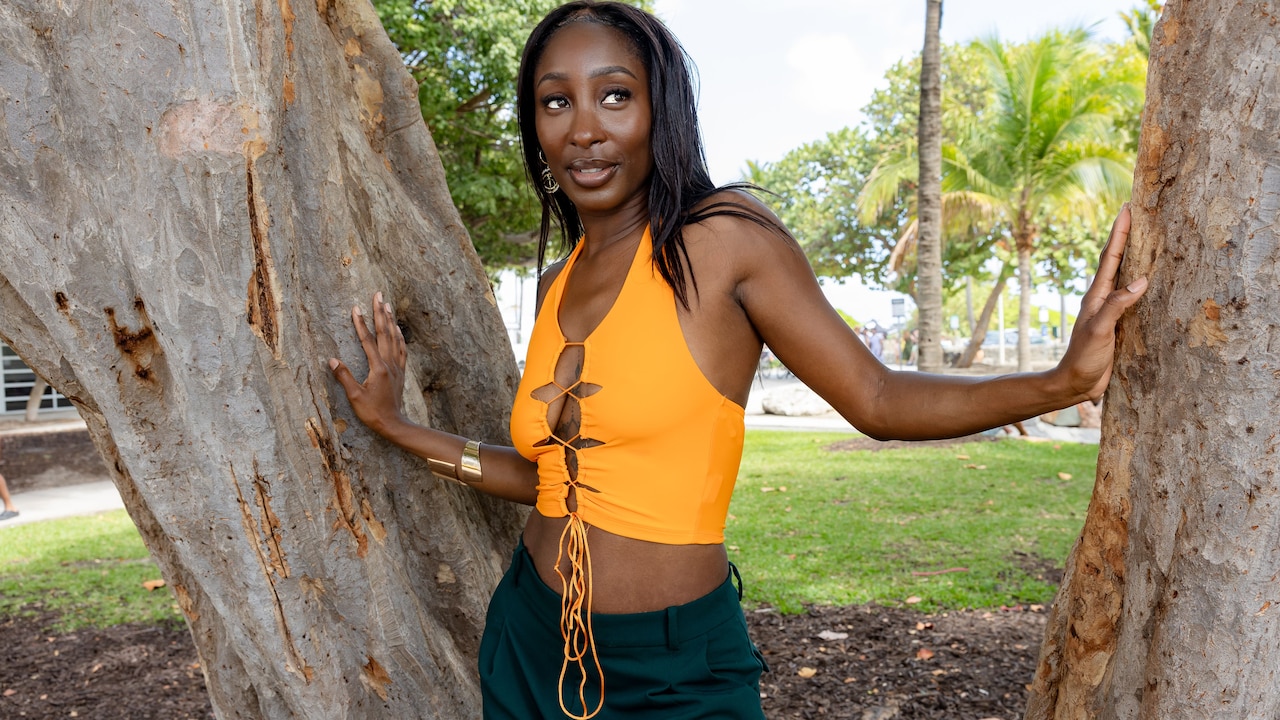
5. Check Whether The Fabric Is Too Slippery Or Stretchy
Not all halter tops behave the same way, even when their measurements match. Fabric plays a major role in determining whether a garment stays in place or shifts throughout the day.
Smooth satin-like materials, for instance, can glide easily against the skin. Lightweight fabrics may move with every small adjustment, while highly elastic materials can stretch out of shape when their recovery is poor.
Imagine wearing a silky halter top during a dinner outing. It looks perfectly positioned when you leave home, but after sitting, standing and reaching across the table, the neckline begins to move. The fabric's slippery surface may contribute to the problem.
Consider materials with a little texture or a stable weave. Cotton blends, ribbed knits and structured fabrics can sometimes offer better grip and shape retention, depending on their construction.
Stretch isn't necessarily a disadvantage. A well-made stretch fabric should comfortably follow your movements and return to its original shape.
Before purchasing, gently stretch a small section and observe how quickly it recovers. If the material remains distorted or feels excessively loose, it may struggle to maintain a secure fit over time.
Why Halter Tops Keep Shifting Even When They Seem To Fit Properly: Top 10 Fixes
Photo Credit: Pexels
6. Make Sure The Back Closure Provides Enough Stability
While the neckline gets most of the attention, the back of a halter top plays an equally important role in keeping everything secure. A loose back band or poorly positioned closure can cause the front panel to shift, even when the neck straps fit correctly.
Halter tops with open backs often rely on ties, hooks, elastic bands or adjustable closures. If these elements don't provide enough stability, the entire garment may move whenever you walk, bend or sit.
Start by checking whether the back band sits firmly against your body without digging into your skin. It should remain relatively level instead of riding upwards.
For tie-back styles, adjust the fastening to eliminate unnecessary slack. Make sure the knot feels secure and doesn't loosen easily. If the closure uses hooks or sliders, examine whether they hold their position during movement.
A worn-out elastic band can also contribute to slipping. Replacing it may restore the original fit without requiring major alterations.
For tops with very open backs, choosing a design with a more supportive closure can make everyday wear considerably easier. Sometimes, the solution lies behind you rather than around your neckline.
7. Choose The Right Innerwear To Prevent Unwanted Movement
Innerwear can influence how comfortably a halter top sits against the body. An unsuitable bra may create extra layers, visible edges or uneven pressure that changes the way the outer garment falls.
For example, conventional bra straps may interfere with a halter neckline. Similarly, a poorly fitted strapless bra that slides down can make the entire outfit feel unstable, even when the top itself remains relatively secure.
Choose innerwear according to the garment's neckline, back design and level of coverage. A well-fitted strapless bra may work for some styles, while a convertible bra with a halter arrangement could suit others. Tops with built-in support may not require additional layers.
Pay attention to the fit rather than assuming that tighter innerwear automatically provides better support. Excessive compression can create discomfort and alter the garment's shape.
For certain outfits, adhesive cups or other specialised options may be useful, provided they suit your skin and support needs.
Try the complete outfit before leaving home. Walk around, sit down and raise your arms to check whether the layers move independently.
The right combination should feel comfortable and allow the halter top to maintain its intended shape without constant adjustment.
8. Get Small Alterations Instead Of Replacing The Entire Top
Sometimes, a halter top needs only a minor adjustment to become significantly more comfortable. Ready-made clothing follows standard measurement charts, but actual body proportions rarely fit those charts perfectly.
You might find a top that fits your waist beautifully but has excess fabric near the armholes. Perhaps the back band sits too loosely, or the neck straps feel slightly longer than necessary. These small issues can cause repeated shifting.
A skilled tailor can often correct such problems without changing the overall appearance of the garment. Shortening straps, taking in side seams or adjusting the back closure may help improve stability.
For tops with darts or shaped bust panels, careful alterations can improve how the fabric follows your body. However, some designs have limited scope for adjustment, particularly when they feature intricate embroidery, delicate materials or complicated construction.
Before visiting a tailor, wear the top and identify exactly where it moves. Demonstrating the problem can help them recommend a suitable alteration.
It's also worth discussing comfort before approving changes. A garment that stays firmly in place but restricts breathing or movement isn't a successful fit. Good tailoring should improve both appearance and wearability.
9. Pay Attention To How The Top Fits When You Move
A halter top may look flawless while you're standing still, but everyday life involves considerably more movement than posing in front of a mirror. Reaching for your handbag, leaning over a desk or stepping into an auto-rickshaw can reveal fit problems that weren't obvious earlier.
Before wearing a new halter top for an extended outing, give it a simple movement test at home. Raise both arms, twist gently from side to side, sit down and bend forward. Notice whether the neckline slips, the back band rises or the fabric twists around your torso.
These movements help identify whether the design suits your routine.
For example, a delicate, loosely draped halter may work beautifully for a relaxed dinner but feel less practical during a busy shopping trip. A fitted ribbed design with secure closures might offer greater comfort for active days.
The aim isn't to avoid moving naturally just to protect an outfit. Clothing should accommodate ordinary activities without demanding constant attention.
If you repeatedly need to pull the top into position, treat that as useful feedback. A better-fitting design will allow you to focus on your day rather than managing your neckline.
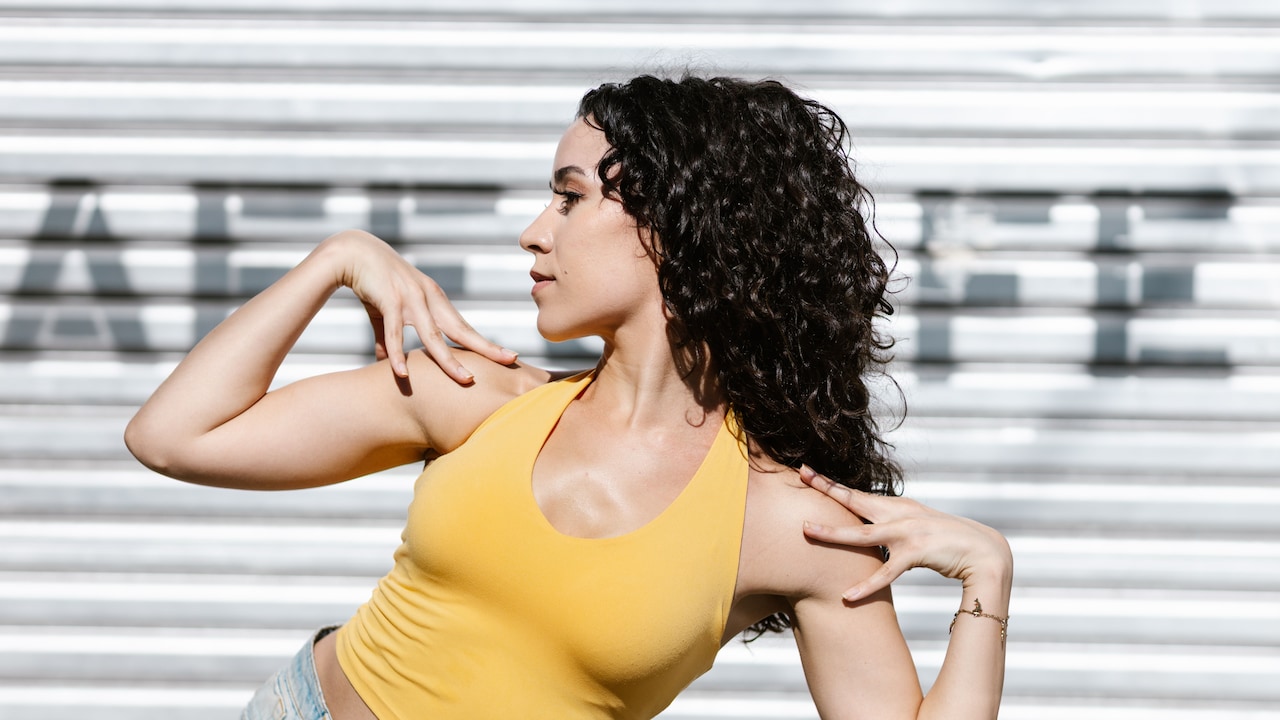
10. Select Halter Designs That Suit Your Body Proportions
Not every halter neckline works equally well for every body shape. Strap angles, neckline depth, torso length and bust construction all influence how securely a top sits.
A high-neck halter may offer greater coverage, while a plunging design often requires more precise fitting around the bust. Similarly, cropped halter tops can behave differently from longer styles, particularly when the lower hem lacks structure.
If your top frequently twists sideways, examine whether its straps pull at an awkward angle. The problem may stem from the garment's proportions rather than the size itself.
Try different necklines to understand which designs feel naturally secure. Broad halter bands, adjustable neck ties and structured bodices can offer useful alternatives to delicate, loosely fitted styles.
Also consider the length of the top. A hem that rides upwards may pull the rest of the garment out of position, especially when paired with low-rise bottoms.
High-waisted trousers or skirts may help reduce friction and awkward movement around the waist, although they cannot correct an unsuitable neckline.
Ultimately, the best halter top isn't necessarily the trendiest design. It's the one that complements your proportions while allowing you to move comfortably and confidently.
Why Halter Tops Keep Shifting Even When They Seem To Fit Properly: Top 10 Fixes
Photo Credit: Pexels
Products Related To This Article
1. all about you Floral Print Halter Neck Cotton Wrap Top
2. KALAMIR Print Halter Neck Ethnic Cotton Peplum Top
3. Femibazaar Checked Halter Neck Cotton Peplum Top
4. ZACCAI Cream Printed Halter Neck Top
5. AKKRITI BY PANTALOONS Floral Embroidered Smocked Detail Halter Neck Crop Top
6. Sangria Print Halter Neck Ethnic Cotton Top
7. HRX by Hrithik Roshan Halter Neck Crop Top
Halter tops shouldn't require constant adjustments to look stylish. When a neckline keeps slipping, twisting or riding upwards, the problem often involves more than simply choosing the correct size. Strap tension, fabric texture, bust construction and back closures all influence how securely the garment sits.
Fortunately, many of these issues have straightforward solutions. Adjusting straps, selecting suitable innerwear, using fashion tape occasionally or making small tailoring changes can improve comfort considerably. Choosing a design that suits your proportions also helps prevent the same frustration with future purchases.
A good outfit should let you enjoy the occasion, not spend half of it wondering whether your neckline has moved again.
(Disclaimer: This article may include references to or features of products and services made available through affiliate marketing campaigns. NDTV Convergence Limited (“NDTV”) strives to maintain editorial independence while participating in such campaigns. NDTV does not assume responsibility for the performance or claims of any featured products or services.)