Why Infant Rompers Fit Around The Body But Feel Tight Around The Legs
An infant romper may fit perfectly around the chest and tummy yet leave uncomfortable marks on the thighs. Discover 10 reasons behind tight leg openings and how to choose rompers that allow babies to move comfortably.
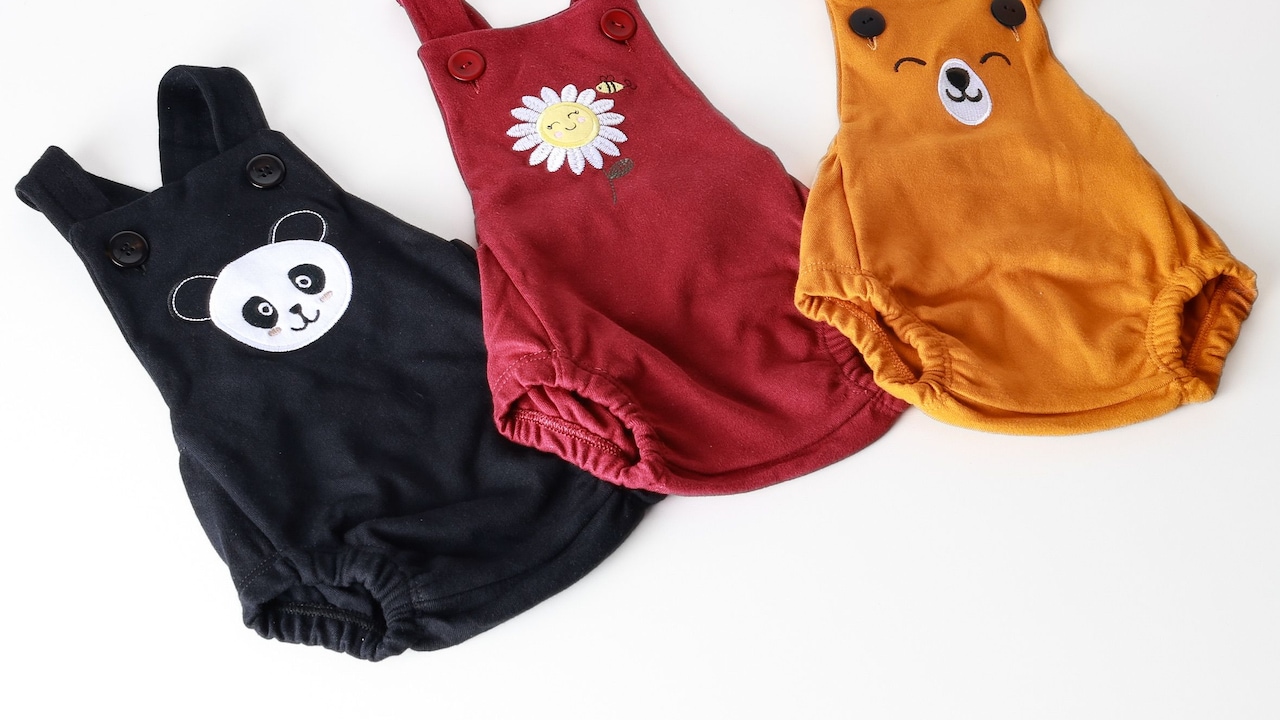
10 Reasons Baby Rompers Fit The Body But Feel Tight Around The Legs
Finding the right clothes for a baby sounds simple until a perfectly good romper starts behaving strangely. The shoulders sit comfortably, the tummy has enough room, and the buttons close without a struggle. Yet, the moment the outfit comes off, there are noticeable marks around the thighs. How can something fit so well in one area and feel restrictive in another? It's a familiar shopping puzzle for parents. Babies grow quickly, but their bodies don't always follow the neat proportions that clothing manufacturers use. Some have delightfully chubby thighs, others have longer torsos, and many develop their own unique proportions during those early months. A romper that looks adorable on the hanger may not accommodate those differences. The problem isn't always the size. Fabric elasticity, stitching, nappy bulk, leg-opening design and even washing habits can influence how comfortably a romper fits. Sometimes, a small design detail makes all the difference between an outfit that allows unrestricted movement and one that constantly needs adjusting.
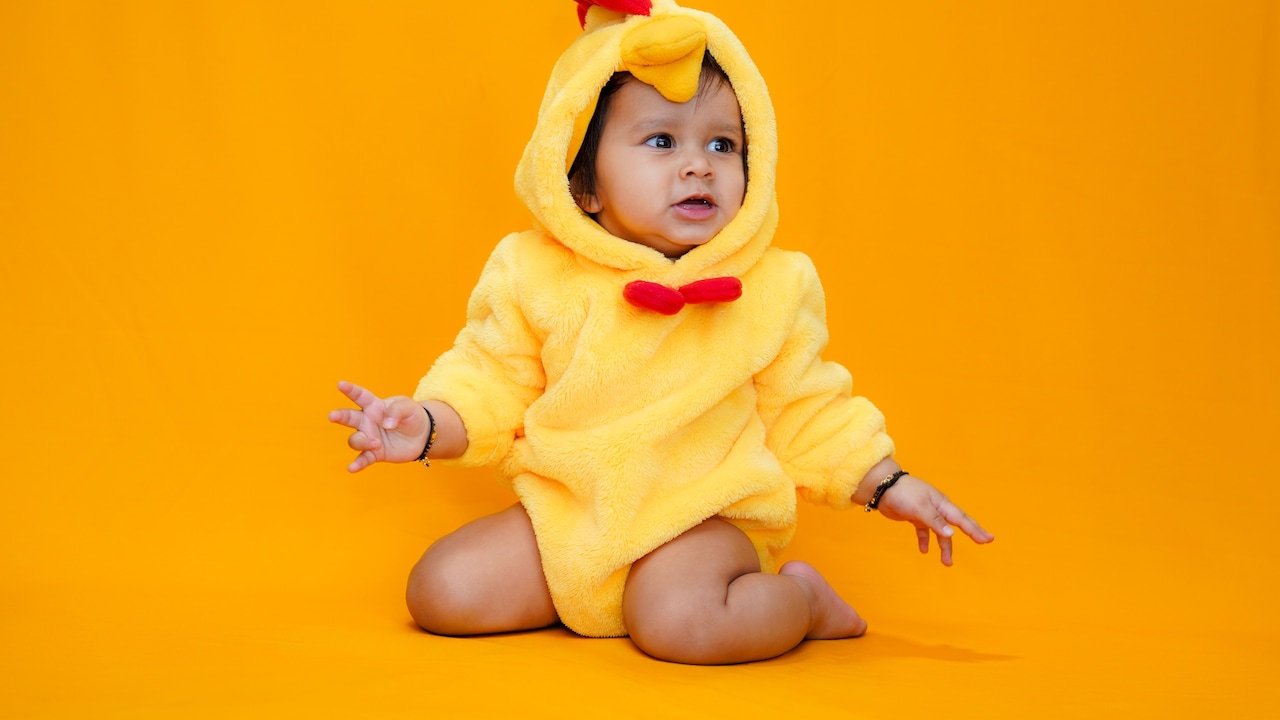
10 Reasons Baby Rompers Fit The Body But Feel Tight Around The Legs
Photo Credit: Pexels
Understanding these little clothing quirks can save parents unnecessary purchases and help keep babies comfortable throughout the day. Here are ten reasons infant rompers fit around the body but feel tight around the legs, along with practical ways to recognise and resolve the problem.
10 Reasons Infant Rompers Feel Tight Around The Legs
1. Babies Have Different Body Proportions Than Standard Clothing Sizes
Baby clothing sizes often suggest that infants of similar ages have similar body proportions. However, anyone who has spent time around babies knows how unpredictable those proportions can be. One three-month-old might have slender legs and a round tummy, while another has fuller thighs and a relatively narrow waist.
Manufacturers typically develop romper patterns around standard measurements. These measurements help maintain consistency, but they cannot accommodate every baby's shape. Consequently, a romper might offer generous space around the chest and stomach while leaving little room around the upper thighs.
This difference becomes especially noticeable when babies start gaining weight rapidly during their first few months. Their thighs may become fuller even when their overall body length remains within the same clothing size.
Parents can address this by looking beyond age labels. Check the actual leg-opening measurements whenever brands provide them, and compare designs before purchasing.
Rompers with wider, flexible openings often accommodate different body shapes more comfortably. Buying a larger size may help, but excessive fabric around the shoulders or neckline can create other fitting problems.
The goal isn't simply finding a bigger romper. It's finding one that suits the baby's individual proportions.
2. Tight Elastic Around The Leg Openings Creates Uneven Pressure
Elastic helps rompers maintain their shape and prevents fabric from shifting excessively. Unfortunately, some designs use elastic that grips the thighs more firmly than necessary.
This usually happens because manufacturers prioritise a neat, gathered appearance around the leg openings. While the resulting outfit may look attractive, the elastic can create pressure when the baby moves.
Consider a baby lying comfortably on a play mat. The romper appears to fit perfectly until the baby begins kicking. As the legs bend and stretch, the elastic presses against different parts of the thighs. Parents may notice indentations when changing clothes.
Light, temporary impressions can occur with elastic garments. However, deep grooves, persistent redness or visible discomfort suggest that the fit needs attention.
Parents should examine the elastic before purchasing. A comfortable opening should stretch easily and return to its original shape without feeling excessively firm.
Soft, fabric-covered elastic generally feels gentler against delicate skin. Designs with relaxed leg openings can also help.
Avoid stretching elastic permanently or cutting it without understanding the garment's construction. Such alterations may damage the outfit or introduce loose threads.
Choosing softer openings from the beginning usually provides a more reliable solution.
3. The Romper's Fabric Stretches Across The Body But Not Around The Legs
Not all fabrics stretch equally in every direction. This difference explains why some rompers comfortably accommodate a baby's tummy but feel restrictive around the thighs.
Many cotton garments use knitted fabrics that stretch naturally across their width. However, their flexibility may change depending on the direction in which manufacturers cut and stitch the material.
A romper might therefore stretch easily around the chest while offering less flexibility around the leg openings.
Fabric blends also influence comfort. Cotton with a small amount of elastane can provide additional flexibility, although the quality of the knit and garment construction matter just as much as the fibre composition.
Imagine a baby enthusiastically kicking during a nappy change. A flexible romper moves with those little legs, while a less forgiving design pulls tightly across the thighs.
Parents can check stretch by gently extending the fabric around the leg openings. The material should move without requiring excessive force.
Pay attention to the seams, too. Even stretchy fabric can feel restrictive when manufacturers use rigid stitching around the openings.
Soft jersey knits and thoughtfully constructed stretch fabrics often offer better movement than stiff materials.
The important detail isn't whether the romper feels soft in the hand. It's whether the entire garment stretches where the baby needs flexibility.
Also Read: Sweet Dreams Start Here: 5 Cotton Sleepsuits For Babies Under ₹1000 Only On Amazon
4. Bulky Nappies Change How The Romper Sits Around The Thighs
A romper may fit comfortably before a nappy change but suddenly feel tighter afterwards. Surprisingly, the nappy itself can influence how fabric sits around the legs.
Nappies add volume around the hips, bottom and crotch. When the romper has a relatively short crotch section, this extra bulk can pull the fabric upwards and tighten the leg openings.
The effect becomes more noticeable with overnight nappies, reusable cloth nappies or nappies with thicker absorbent layers.
For example, a baby wearing a lightweight daytime nappy may have plenty of room around the thighs. Switching to a bulkier option can change the garment's position, even though the romper's actual measurements remain unchanged.
Parents should assess the fit while the baby wears their usual nappy, rather than judging an empty garment.
Check whether the crotch snaps close comfortably and whether the fabric pulls upwards when the baby bends their legs.
Rompers with generous crotch depth or adjustable snap positions may provide additional room.
However, don't compensate for a tight romper by choosing an incorrectly sized nappy. Nappies need to fit properly to prevent leaks and skin irritation.
Clothing should accommodate the baby's nappy, not the other way around.
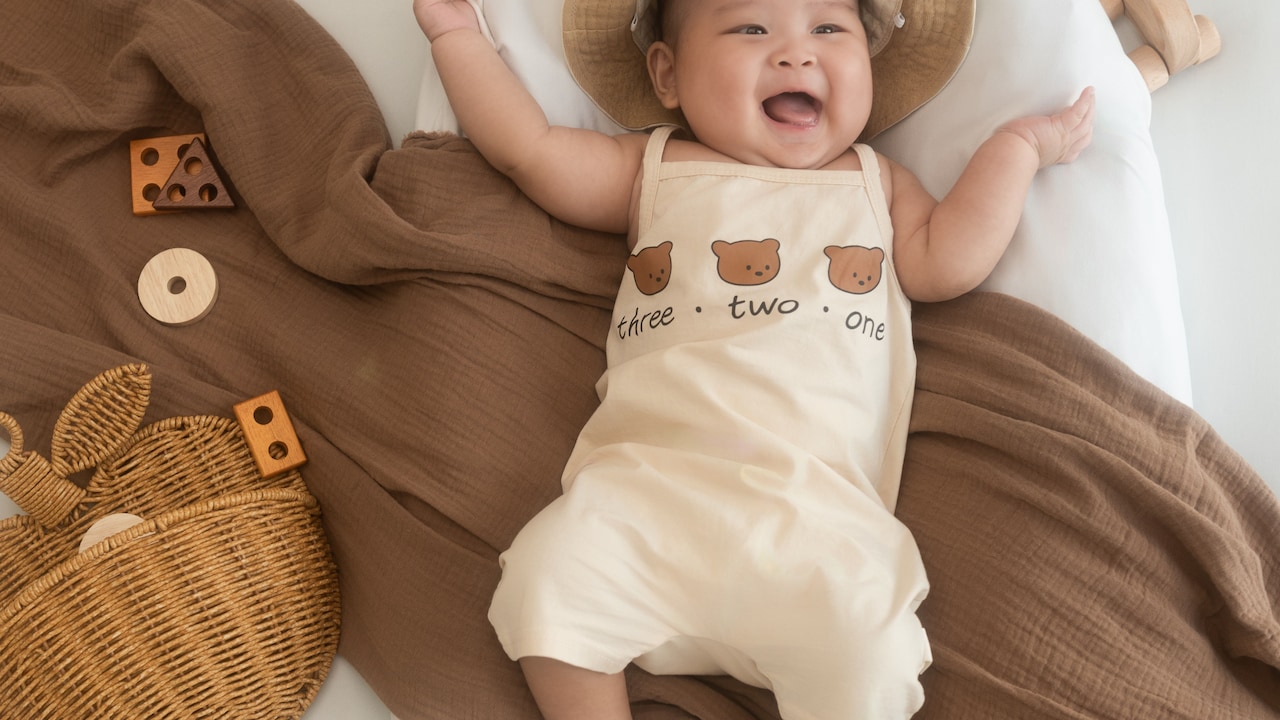
10 Reasons Baby Rompers Fit The Body But Feel Tight Around The Legs
Photo Credit: Pexels
5. Short Crotch Length Pulls The Leg Openings Higher
Sometimes, tightness around the thighs starts somewhere completely different: the crotch.
A romper with insufficient length between the shoulders and crotch can pull upwards when parents fasten the bottom snaps. This tension travels through the garment and changes how the leg openings sit.
Instead of resting naturally around the upper thighs, the openings may ride higher and press against fuller areas of the legs.
The problem becomes particularly noticeable in babies with longer torsos. Their chest and tummy measurements may match the clothing size, but their body length requires additional room.
Parents might initially assume the leg openings are too narrow. In reality, the entire romper is stretching vertically.
Watch what happens when the baby bends their knees towards the tummy. If the shoulder area pulls downwards or the crotch becomes noticeably taut, the romper may lack sufficient length.
A better-fitting garment should allow comfortable movement without creating tension between the shoulders and bottom snaps.
Look for longer-body designs or rompers with extra crotch room.
Avoid relying entirely on the garment's width when selecting sizes. Body length matters just as much.
Sometimes, solving the thigh problem means choosing a longer romper rather than one with wider legs.
6. Decorative Seams And Gathered Designs Reduce Available Legroom
Some infant rompers look wonderfully roomy because they feature puffed silhouettes, gathered fabric or playful decorative details. However, their appearance can be misleading.
A romper may have generous fabric around the body while narrow seams restrict the actual leg openings.
Manufacturers sometimes add gathered stitching, decorative piping or reinforced bands to create a particular shape. These details can reduce flexibility, especially when the stitching doesn't stretch with the surrounding fabric.
Consider a bubble-style romper with a loose, rounded body and neatly gathered leg openings. Although the middle looks spacious, the gathered sections may fit firmly against the baby's thighs.
This isn't necessarily a manufacturing defect. It's simply a design that may suit some body proportions better than others.
Parents should inspect the leg openings rather than judging comfort from the overall silhouette.
Run a finger along the inside seams to check for stiff edges, bulky stitching or rough decorative elements.
Smooth seams and flexible bands generally offer better comfort during everyday activities.
For photographs or special occasions, decorative outfits may be appealing. However, babies who spend long periods kicking, crawling or exploring often benefit from simpler designs.
A roomy-looking romper isn't automatically a comfortable one. The smallest opening can determine how well the entire garment fits.
7. Washing And Drying Can Shrink The Fabric Unevenly
A romper that fitted beautifully last week may suddenly feel tighter after several washes. Before assuming the baby has outgrown it, consider how laundering affects the fabric.
Cotton garments can shrink when washing and drying conditions differ from the manufacturer's recommendations. Heat, agitation and fibre construction all influence how much the material changes.
Importantly, shrinkage doesn't always occur evenly.
The body may retain enough width to accommodate the baby's chest and tummy, while the leg openings become smaller or less flexible.
Elastic bands and stitched hems may also react differently from the main fabric.
For instance, a parent might wash several rompers together using hot water and strong drying heat. Afterwards, one garment may feel noticeably shorter or tighter around the thighs.
Following the care label can help preserve the original fit.
Use an appropriate gentle wash cycle, avoid unnecessarily high temperatures and dry garments according to their fabric requirements.
Before dressing the baby, check whether the leg openings still stretch comfortably.
If a romper has become restrictive, repeated pulling isn't a dependable solution. The material or stitching may no longer provide sufficient room.
Good laundering habits can extend a garment's useful life, but they cannot restore every shrunken romper.
8. Age-Based Clothing Labels Don't Reflect Every Baby's Growth Pattern
Shopping for infant clothing often begins with a familiar question: what age size should the baby wear?
The answer seems straightforward until a four-month-old fits comfortably into one brand's three-to-six-month romper but struggles with another brand's six-to-nine-month design.
Age labels offer general guidance, not guaranteed measurements.
Different manufacturers use different sizing standards, and their patterns may favour particular body proportions. Some designs provide generous torso width but comparatively narrow leg openings.
Growth patterns make the situation even more complicated. Babies may gain weight, grow longer or develop fuller thighs at different rates.
As a result, the age printed on the label may reveal very little about how comfortably the leg openings will fit.
Parents can make better choices by consulting brand-specific size charts that include weight and length recommendations.
When possible, compare a new garment with an existing romper that fits comfortably.
Pay particular attention to the crotch length, thigh openings and overall stretch.
Online product reviews may also help identify whether a particular design tends to run narrow around the legs, although individual experiences vary.
Rather than remaining loyal to one age category, focus on measurements and movement.
Babies don't follow clothing labels, and their wardrobes shouldn't have to pretend otherwise.
9. Natural Movement Makes Tight Leg Openings More Noticeable
A romper may appear perfectly comfortable while a baby lies quietly on their back. The real test begins when those little legs start moving.
Babies frequently kick, stretch, curl their knees and change positions. As they develop, rolling and early crawling introduce even more movement.
Each action changes the shape and position of the thighs.
When a baby bends their hips and knees, the surrounding fabric must accommodate shifting muscles and soft tissue. A narrow leg opening may feel comfortable in one position but restrictive in another.
This explains why parents sometimes notice discomfort only after the baby has worn a romper for an extended period.
A garment that initially looks fine may ride upwards, bunch around the crotch or create deeper pressure marks during active play.
To assess comfort, observe the baby moving naturally while wearing the romper.
Check whether the openings remain comfortably positioned during kicking, supported sitting and rolling.
The baby should move freely without the fabric repeatedly pulling tight.
Avoid choosing restrictive outfits simply because they maintain a tidy appearance.
Babies have far more important things to do than keep their clothing perfectly arranged.
Comfortable rompers should support everyday movement instead of requiring constant adjustments from parents.
10. Choosing A Larger Size Doesn't Always Solve Tight Thigh Openings
When a romper feels tight around the legs, buying the next size up seems like the obvious solution. Sometimes it works beautifully. Other times, parents end up with an outfit that hangs loosely around the shoulders while still feeling awkward near the thighs.
That's because larger sizes don't always provide the extra room exactly where the baby needs it.
Manufacturers generally increase several garment measurements together. A bigger romper may offer additional body length, chest width and crotch space, but the leg-opening design might remain relatively narrow.
This becomes especially frustrating when the original problem comes from firm elastic or restrictive stitching.
Instead of automatically sizing up, parents should identify what causes the tightness.
If the romper pulls vertically, additional body length may help. If the leg bands feel firm, a different design with softer openings could be more effective.
Compare relaxed-fit rompers, envelope-neck styles and snap-front options where appropriate.
Check that any larger garment still fits securely around the neck and shoulders, without loose fabric covering the baby's face.
Comfort should never require compromising basic clothing safety.
The best solution often involves changing the garment's cut rather than simply choosing a bigger number on the label.
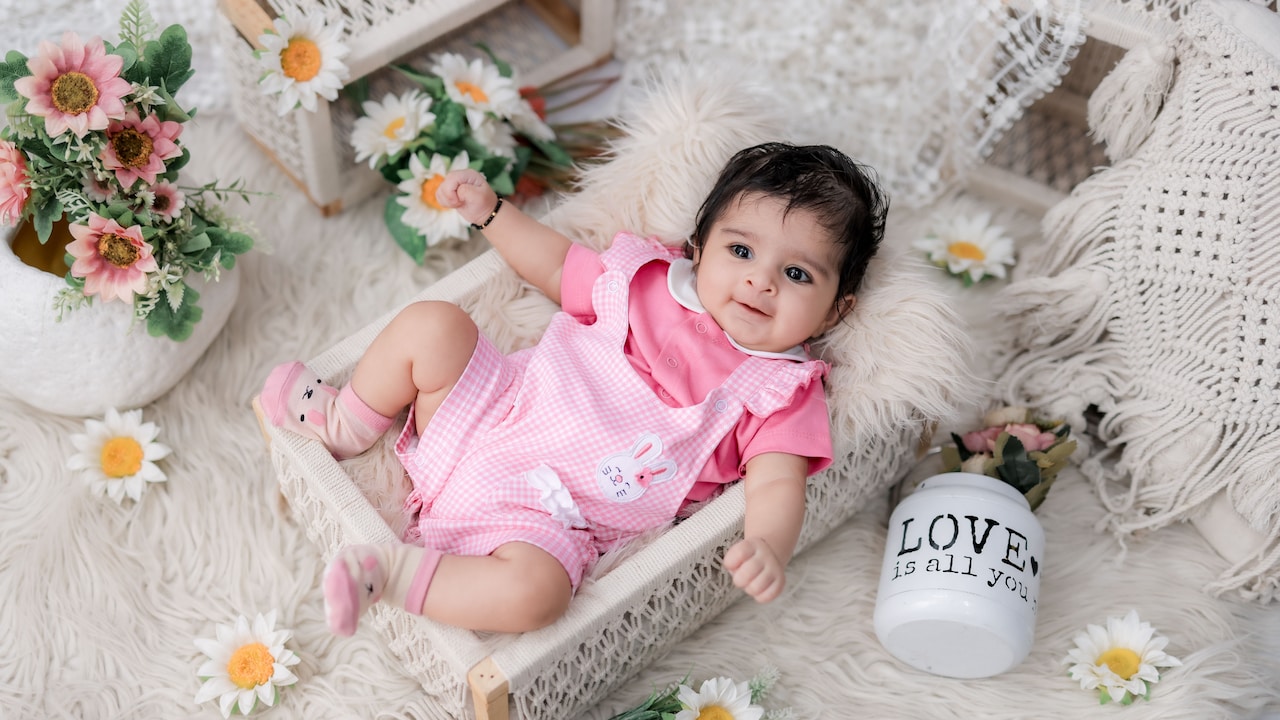
10 Reasons Baby Rompers Fit The Body But Feel Tight Around The Legs
Products Related To This Article
1. Marks & Spencer Textured Orange Pure Cotton Romper with Bib Set
2. BABY GO Boys Cotton Rompers
3. Zeezeezoo Infants MY First Lohri Printed Pure Cotton Rompers
4. H&M Hooded Fleece All-In-One Suit
5. MeeMee Mee Mee 100% Organic Cotton blue wave Print Zip-Up Footed Romper
6. Cuddleloom Infants Boys Printed Cotton Hooded Neck Rompers
7. Nauti Nati Infants Printed Pure Cotton Sleepsuit Romper
A romper that fits comfortably around the body but feels tight around the legs isn't necessarily the wrong size. Narrow elastic, fabric construction, short crotch length, bulky nappies and natural differences in body proportions can all contribute to an uneven fit.
Parents can avoid much of this frustration by paying closer attention to leg openings, stretch and overall garment length instead of relying entirely on age labels. A comfortable romper should accommodate kicking, stretching and everyday movement without leaving deep marks or causing irritation. After all, baby clothes should make those early adventures easier, not turn every outfit change into a fitting-room challenge.
(Disclaimer: This article may include references to or features of products and services made available through affiliate marketing campaigns. NDTV Convergence Limited (“NDTV”) strives to maintain editorial independence while participating in such campaigns. NDTV does not assume responsibility for the performance or claims of any featured products or services.)