Why Faux Leather Jackets Crack And How To Choose Durable Styles That Last Longer
Faux leather jackets often crack, peel, and flake within a few seasons. Discover why this happens and how to choose durable styles that actually last, even in challenging climates.
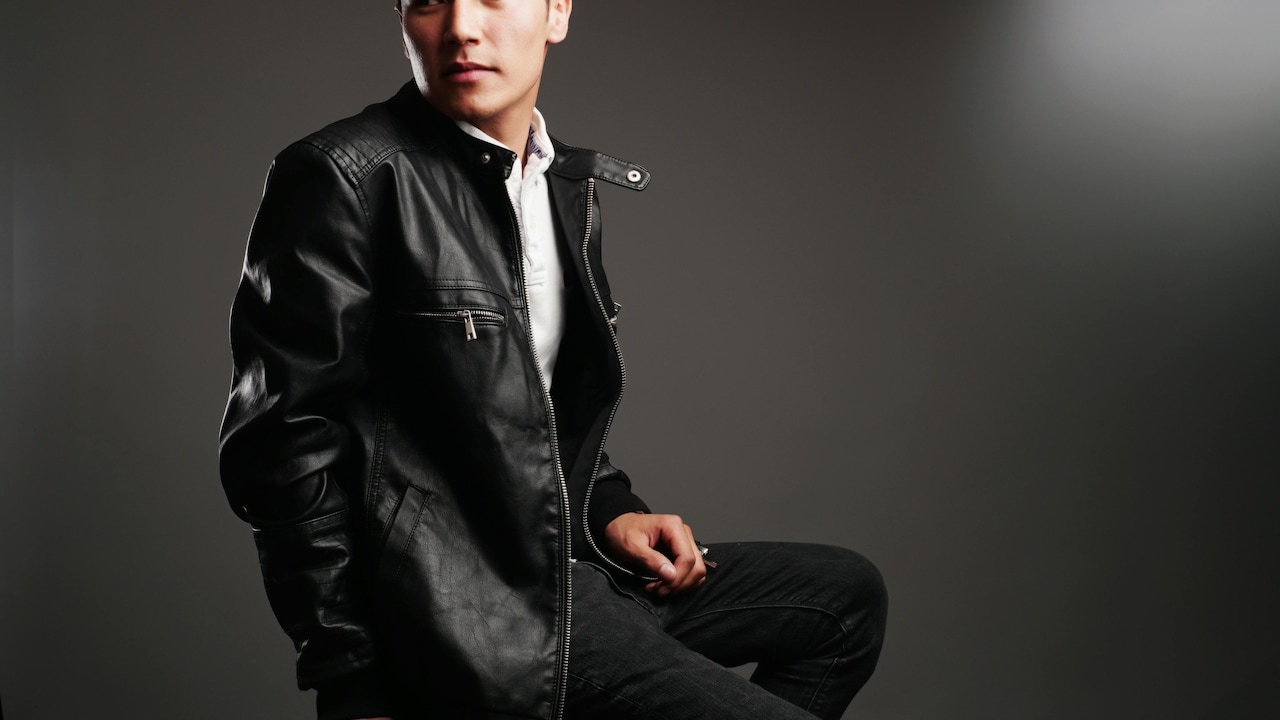
Why Some Faux Leather Jackets Crack And How To Choose Longer-Lasting, Durable Styles.
A good jacket changes posture. It sharpens a simple tee and jeans. It adds edge to a kurta set on a breezy evening. It even rescues an outfit on days when nothing else seems to work. Faux leather, in particular, attracts shoppers who want that classic biker silhouette without spending ₹15,000 or more on genuine leather.
But then comes the heartbreak. Fine cracks along the sleeves. Peeling near the collar. A strange flaking that settles on the shoulders like dandruff. Within a couple of winters, the once-sleek jacket starts to look tired.
Why does this happen so often? And more importantly, how can smarter choices prevent it?
The answers lie in materials, construction, climate, and a bit of practical know-how. Not all faux leather jackets are created equal. Some barely survive one festive season. Others, chosen carefully, can last five years or more.
The difference lies in the details.

Why Faux Leather Jackets Crack And How To Choose Durable Styles; Photo Credit: Pexels
What Causes Faux Leather Jackets To Crack Over Time?
What Faux Leather Really Is
Faux leather sounds straightforward, yet the term covers several materials. Most jackets labelled as faux leather use polyurethane, often called PU, or polyvinyl chloride, known as PVC. Both involve coating a fabric base, usually polyester, with a plastic layer that mimics the grain and sheen of real leather.
That plastic coating creates the smooth finish people love. However, plastic does not age like natural hide. Over time, exposure to air, heat, and friction weakens the coating. Once it loses flexibility, cracks begin to form.
Lower-priced jackets often use thinner coatings to reduce cost. A jacket priced around ₹2,000 may look sharp on the hanger, but a thin PU layer struggles to handle daily wear. The base fabric remains intact, yet the top layer starts to separate.
Understanding this basic structure helps shoppers decode why some jackets fail quickly. The issue rarely lies in stitching. It almost always starts with the surface material itself.
The Climate Factor No One Talks About
Weather plays a bigger role than most wardrobes realise. High humidity during monsoon months and dry heat in summer both stress synthetic materials.
In humid conditions, moisture seeps into the fabric base beneath the plastic coating. That trapped dampness weakens the bond between layers. When the jacket dries out later, the coating tightens, and small cracks appear.
On the other hand, intense heat, especially in cities where temperatures soar above 40°C, accelerates chemical breakdown. Plastic coatings become brittle. A jacket stored near a window or in a hot car ages faster than expected.
Air-conditioned environments create another challenge. Constant shifts between humid outdoor air and dry indoor air cause expansion and contraction. Over time, the coating simply gives up.
Climate cannot be controlled, but storage can. Keeping jackets in breathable garment bags and away from direct sunlight significantly reduces stress. Many cracked jackets owe their condition not to poor design alone, but to harsh seasonal swings.
Also Read: 10 Best Winter Leather Jackets For Men On Offer, From Woodland To True Religion On Myntra
Cheap Coatings Versus Premium Finishes
Price often signals quality, though not perfectly. Mass-market brands sometimes prioritise trend over durability. A sleek biker jacket spotted in a mall store may resemble something from a runway, yet the material quality can differ drastically.
Brands such as Zara and H&M offer stylish faux leather pieces at accessible prices. Some hold up well, especially mid-range collections. Others focus on visual appeal over longevity.
Premium faux leather uses thicker PU layers and flexible formulations that resist cracking. Some even incorporate microfibre technology for added strength. These jackets usually cost more, perhaps ₹6,000 to ₹10,000, but they survive repeated wear.
When comparing options, touch reveals clues. A durable jacket feels supple rather than stiff. It bends without forming pale stress lines. The surface springs back gently instead of creasing sharply.
Shoppers sometimes chase bargains. Yet replacing a ₹2,500 jacket every year quickly exceeds the cost of investing in one reliable piece.
Stitching, Lining And Construction Matter Too
Material quality forms the foundation, but construction completes the story. Even strong faux leather can fail if stitching pulls too tightly at stress points.
Look at the shoulders, elbows, and underarms. These areas endure constant movement. Jackets with reinforced stitching and slightly looser seam allowances handle motion better. Thin seams strain the coating, causing cracks to form along stitch lines.
Lining also influences durability. A smooth satin or polyester lining reduces friction between clothing layers and the outer shell. Rough lining drags against the coating from the inside, subtly weakening it.
Zips and hardware deserve attention as well. Heavy metal zips add weight. If the surrounding material lacks reinforcement, it stretches and cracks around the zip tape.
A jacket may look identical to another from a distance. Up close, the difference shows in seam alignment, stitching density, and how neatly panels join together. Good construction supports the material rather than fighting against it.

Why Faux Leather Jackets Crack And How To Choose Durable Styles; Photo Credit: Pexels
How Storage Habits Cause Silent Damage
Storage rarely excites anyone. Yet it often determines whether a jacket ages gracefully or flakes prematurely.
Folding faux leather creates pressure lines. Over weeks, those folds harden into permanent cracks. Hanging the jacket on a thin wire hanger also causes trouble. The weight pulls at the shoulders, stretching the coating unevenly.
Wide wooden or padded hangers distribute weight more evenly. Breathable garment covers protect from dust while allowing airflow. Plastic covers trap moisture, especially during monsoon months, which accelerates deterioration.
Another common mistake involves cramming wardrobes. When jackets press tightly against other clothes, friction increases each time the door opens. Over months, that constant rubbing wears down the surface.
Good storage does not require luxury. It simply demands space, airflow, and a little attention. A few thoughtful adjustments can extend a jacket's life by years.
Cleaning Mistakes That Lead To Cracking
Faux leather does not appreciate harsh treatment. Many people scrub stains with strong detergents or alcohol-based cleaners. These products strip away protective coatings and dry out the surface.
Excess water causes problems, too. Soaking a jacket or machine washing it allows moisture to seep beneath the plastic layer. Once trapped, that moisture weakens adhesion and leads to peeling.
A soft, damp cloth works best for routine cleaning. Mild soap diluted in water removes most surface dirt. After wiping, the jacket should air dry naturally, away from direct sunlight or heaters.
Conditioning products designed specifically for faux leather can restore flexibility. They replenish surface oils and slow down brittleness. However, genuine leather conditioners often contain ingredients unsuitable for synthetic materials, so reading labels carefully matters.
Cleaning should feel gentle, almost respectful. Aggressive scrubbing may offer instant satisfaction, yet it shortens the garment's lifespan.
The Role Of Frequency And Friction
Daily wear places significant stress on faux leather. Backpacks rub against shoulders. Two-wheeler rides create constant wind pressure and friction. Even leaning against rough walls can scratch the surface.
Jackets worn occasionally for evenings out usually last longer than those used for daily commuting. Constant bending at the elbows forms stress lines that eventually crack.
Layering influences friction, too. Thick knitwear underneath stretches the outer shell more than a thin tee. That added tension weakens seams and coatings over time.
Rotating jackets reduces strain. Owning two mid-range pieces and alternating them often proves wiser than relying on one favourite every day. It spreads wear evenly and allows each jacket to rest.
Faux leather rewards moderation. It thrives as a statement piece rather than a workhorse garment.
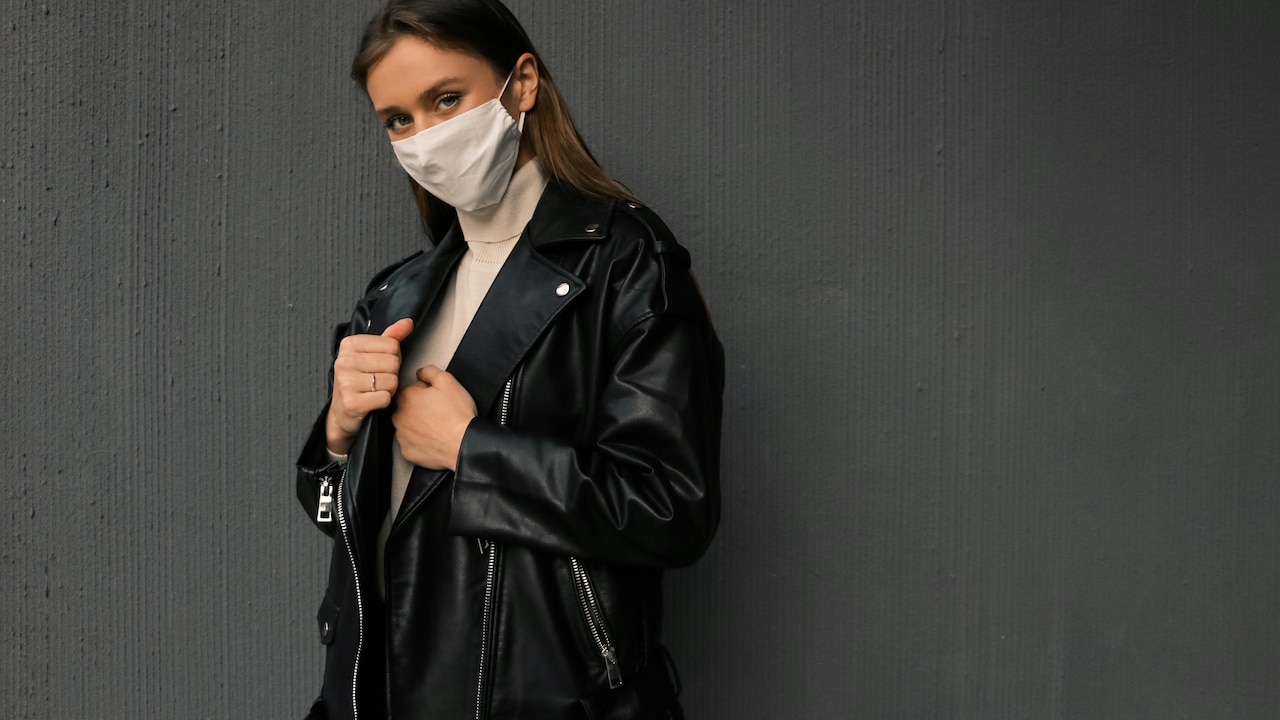
Why Faux Leather Jackets Crack And How To Choose Durable Styles; Photo Credit: Pexels
Spotting Early Warning Signs Before Buying
Shoppers can detect potential problems before reaching the billing counter. Bend the sleeve gently. If white lines appear immediately, the coating may lack flexibility.
Examine edges around pockets and collars. Poor finishing often shows first. If the surface already looks slightly dry or uneven under store lighting, imagine how it will look after a year.
Check the inner label for material composition. Pure PVC jackets tend to feel heavier and less breathable. High-quality PU blends generally perform better and feel softer.
Price should align with expectations. A heavily discounted jacket priced at ₹1,999 may deliver one good winter. Expecting five years from it invites disappointment.
Trust texture and construction more than branding alone. Marketing campaigns can create desire, but the material reveals the truth.
Sustainable Alternatives And Smarter Choices
Environmental awareness grows stronger each year. Traditional PVC production raises sustainability concerns. Many brands now explore plant-based or recycled alternatives.
Some innovative labels produce bio-based faux leather derived from cactus or pineapple fibres. These materials often cost more, yet they offer improved durability and reduced environmental impact.
Local designers increasingly experiment with small-batch production, focusing on craftsmanship rather than fast fashion cycles. While prices may hover around ₹8,000 or more, the longevity offsets frequent replacements.
Popular culture influences trends too. Films such as Dhoom 2 once sparked waves of biker jacket mania. Today, style remains relevant, yet consumers show greater awareness about quality and sustainability.
Choosing thoughtfully benefits both wardrobe and wallet. A durable jacket reduces waste and repeated spending. It also feels better to wear something built to last.
When Genuine Leather Might Make More Sense
Faux leather suits many budgets and preferences. Yet for those who plan to wear a jacket for a decade, genuine leather may prove more economical in the long run.
A well-made real leather jacket priced at ₹18,000 can last fifteen years with proper care. It develops character rather than cracks. Scratches blend into its natural patina instead of peeling.
That said, not everyone prefers animal-based materials. Ethical considerations matter deeply for many shoppers. In such cases, investing in higher-grade faux leather offers a balanced alternative.
The key lies in clarity of purpose. If the jacket serves occasional style moments, quality faux leather works beautifully. If daily rugged wear sits on the agenda, long-term durability deserves priority.
Either way, informed choices prevent regret.
Products Related To This Article
1. HERE&NOW Men Leather Jacket
2. TBOJ Lapel Collar Water Resistant Anti Odour Leather Jacket
3. HIGHLANDER Men Burgundy Solid Leather Jacket
4. TANDUL Lapel Collar Leather Jacket
5. Zastraa Women Lightweight Leather Jacket
A faux leather jacket carries undeniable charm. It transforms simple outfits and adds confidence in seconds. Yet its lifespan depends on far more than appearance.
Material quality, climate exposure, construction, cleaning habits, and storage all influence whether that sleek finish remains smooth or begins to crack. Bargain options tempt shoppers with immediate gratification, but thoughtful investment often pays off.
Flexibility in the coating, strong stitching, breathable storage, and gentle care together create longevity. Rotating wear and avoiding harsh cleaners further protect the surface.
Ultimately, durability does not happen by chance. It results from small, deliberate decisions at the shop and at home. Choose wisely, care consistently, and a faux leather jacket can remain a trusted companion through many winters, rather than a fleeting seasonal fling.
(Disclaimer: This article may include references to or features of products and services made available through affiliate marketing campaigns. NDTV Convergence Limited (“NDTV”) strives to maintain editorial independence while participating in such campaigns. NDTV does not assume responsibility for the performance or claims of any featured products or services.)