How Flat Shoes Cause Foot Pain And Top Tips For Finding Comfortable Shoes
Flat shoes may seem comfortable, but poor support can lead to foot pain. Learn why this happens and discover simple tips to choose shoes that keep your feet comfortable all day.
Why Flat Shoes Cause Foot Pain And How To Choose Comfortable Shoes That Actually Support Your Feet.
Flat shoes have long been seen as the practical alternative to towering heels. They slip on easily, match almost every outfit, and feel effortless during busy mornings. From ballet flats to basic sandals, these styles dominate wardrobes across cities, offices, and markets alike. Yet, an uncomfortable truth often surfaces after a long day: sore arches, stiff ankles, and that familiar dull ache that lingers into the evening.
It may seem surprising that something so simple could cause such discomfort. After all, flat shoes look harmless. However, the human foot is not designed to walk long distances without support. When footwear lacks structure, cushioning, or alignment, the body begins to compensate in ways that lead to pain over time.
Understanding this connection is the first step towards making better choices. Comfort is not a luxury reserved for expensive brands or special occasions. It should be part of everyday life, whether commuting in crowded trains, walking through bustling markets, or standing for long hours at work.
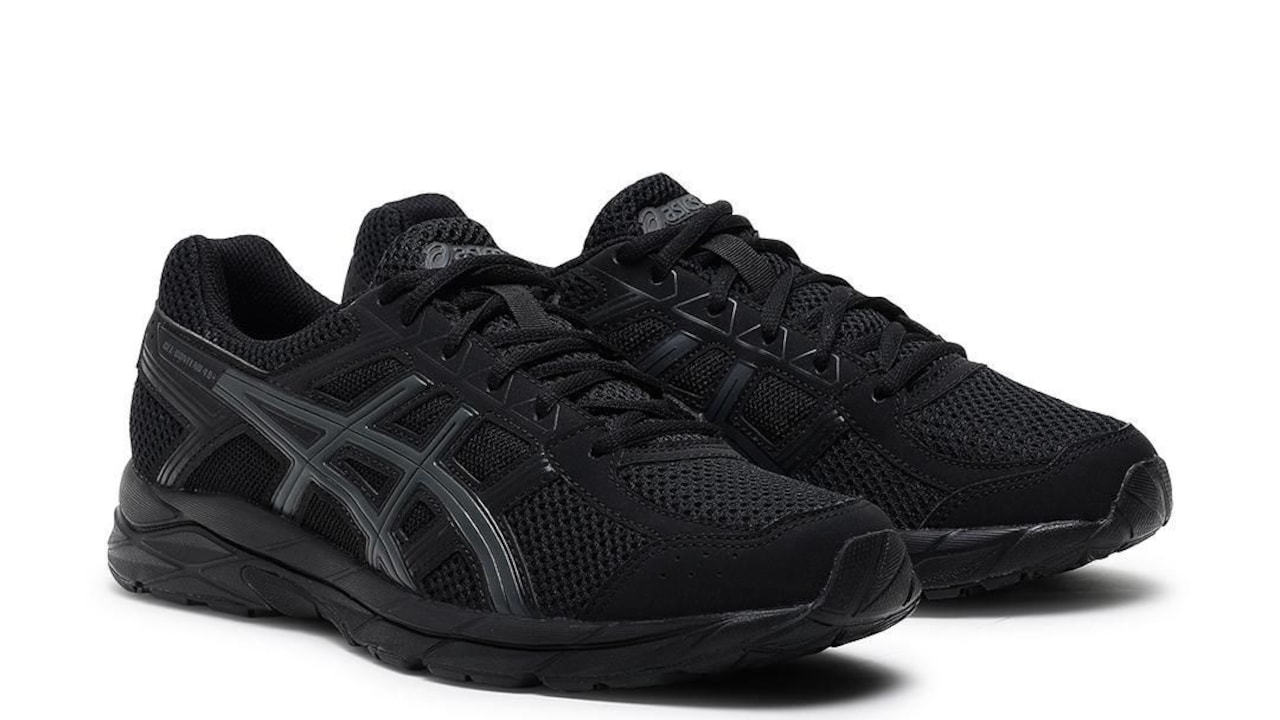
How Flat Shoes Cause Foot Pain And Top Tips For Finding Comfortable Shoes
Photo Credit: Myntra
Why Flat Shoes Hurt Your Feet And How To Choose Better Ones
Lack Of Arch Support
Flat shoes often fail to provide adequate arch support, which is essential for maintaining proper foot alignment. The arch acts as a natural shock absorber. Without support, the foot collapses inward slightly with each step, placing extra strain on muscles and ligaments.
This issue becomes more noticeable during long days filled with walking or standing. A simple trip through a crowded shopping lane or an afternoon spent at a wedding can leave feet feeling unusually fatigued. Over time, the lack of support may contribute to conditions such as plantar fasciitis, which causes sharp heel pain, especially in the morning.
Many assume that discomfort is just part of daily life. However, the right footwear can make a significant difference. Shoes with built-in arch support or cushioned insoles help distribute body weight evenly. This reduces strain and keeps movement smooth. Comfort does not have to come at the cost of style, and supportive flats are increasingly available in attractive designs.
Thin Soles And Poor Shock Absorption
A common feature of flat shoes is their thin sole. While this may feel light and flexible, it often fails to absorb the impact of walking on hard surfaces such as pavements, tiles, and roads. Each step sends a small shock through the feet, which gradually travels up to the knees and lower back.
Over time, this repeated impact can lead to discomfort not just in the feet but also in the entire lower body. A long commute, especially one that involves standing in crowded transport, can become exhausting when the feet lack cushioning.
Shoes with thicker, well-padded soles act as a buffer between the foot and the ground. They reduce stress and make walking feel smoother. Investing in slightly cushioned footwear does not mean sacrificing simplicity. Many modern designs combine comfort with minimal aesthetics, making them suitable for both work and casual outings.
Improper Weight Distribution
Flat shoes can disrupt the natural distribution of body weight. Ideally, weight should be evenly spread across the heel, arch, and ball of the foot. However, poorly designed flats often shift pressure to specific areas, especially the heel or the front.
This imbalance can lead to soreness, calluses, and even joint pain over time. For those who spend hours standing, such as teachers, retail workers, or event staff, the effect becomes even more pronounced. The body begins to compensate, sometimes leading to knee or hip discomfort.
Choosing shoes with a slight elevation, even a small heel of one or two centimetres, can help maintain proper alignment. This subtle lift supports natural posture and reduces unnecessary strain. Comfort often lies in balance rather than extremes.
Tight Toe Boxes And Restricted Movement
Many flat shoes prioritise appearance over function. Narrow toe boxes, especially in ballet flats, can squeeze the toes together. This restricts natural movement and can lead to discomfort, blisters, or conditions like bunions.
Toes need space to spread slightly while walking. This movement helps maintain balance and stability. When confined, the foot cannot function properly, leading to fatigue and pain.
Opting for shoes with a wider toe area allows for better comfort. Even subtle design changes, such as rounded fronts instead of pointed ones, can make a noticeable difference. Comfort should never feel like a compromise, and the right fit can transform the entire walking experience.
Lack Of Heel Support
Flat shoes often lack proper heel support, which can cause instability. The heel plays a crucial role in absorbing impact and maintaining balance. Without adequate support, the foot may slide slightly within the shoe, leading to friction and discomfort.
This issue becomes more noticeable during longer walks. A casual evening stroll or a quick errand can turn into a tiring experience when the heel is not properly secured.
Shoes with structured backs or slight padding around the heel provide better stability. They hold the foot in place and reduce unnecessary movement. This not only prevents blisters but also improves overall comfort throughout the day.
Overuse And Daily Wear
Flat shoes are often worn daily due to their convenience. However, wearing the same type of footwear repeatedly can strain the same set of muscles and ligaments. The foot benefits from variation, just like any other part of the body.
Alternating between different types of shoes allows muscles to work in varied ways. This reduces the risk of overuse injuries. For instance, switching between cushioned sneakers and supportive flats can provide relief and maintain balance.
It is tempting to rely on one comfortable pair for everything, especially during busy weeks. However, giving the feet some variety can prevent long-term discomfort and keep them feeling fresh.
Ignoring Foot Type And Personal Needs
Every foot is different. Some have high arches, while others are flatter. Choosing shoes without considering individual foot type can lead to discomfort, even if the shoes appear well-designed.
A person with flat feet may require more structured support, while someone with high arches might need extra cushioning. Ignoring these differences often results in unnecessary pain.
Understanding personal needs can make a significant difference. Simple steps, such as trying on shoes at the end of the day when feet are slightly swollen, can help ensure a better fit. Comfort begins with awareness.
Poor Quality Materials
The material of a shoe plays a crucial role in comfort. Cheap, rigid materials can cause friction, leading to blisters and irritation. They may also fail to adapt to the natural shape of the foot.
On the other hand, breathable fabrics and soft leather allow the foot to move naturally. They reduce sweating and keep the feet comfortable, even in warm weather.
While budget constraints are real, investing in slightly better quality footwear can save money in the long run. A durable, comfortable pair reduces the need for frequent replacements and prevents discomfort that might require medical attention.
Neglecting Proper Fit
Many people wear shoes that are either slightly too tight or too loose without realising it. A poor fit can cause a range of issues, from blisters to long-term foot problems.
Shoes that are too tight restrict movement, while loose ones lead to friction. Both scenarios result in discomfort. Proper fit ensures that the foot remains secure while allowing natural movement.
Trying on shoes with the type of socks usually worn and walking around before purchasing can help identify potential issues. Comfort should be immediate, not something that develops over time.
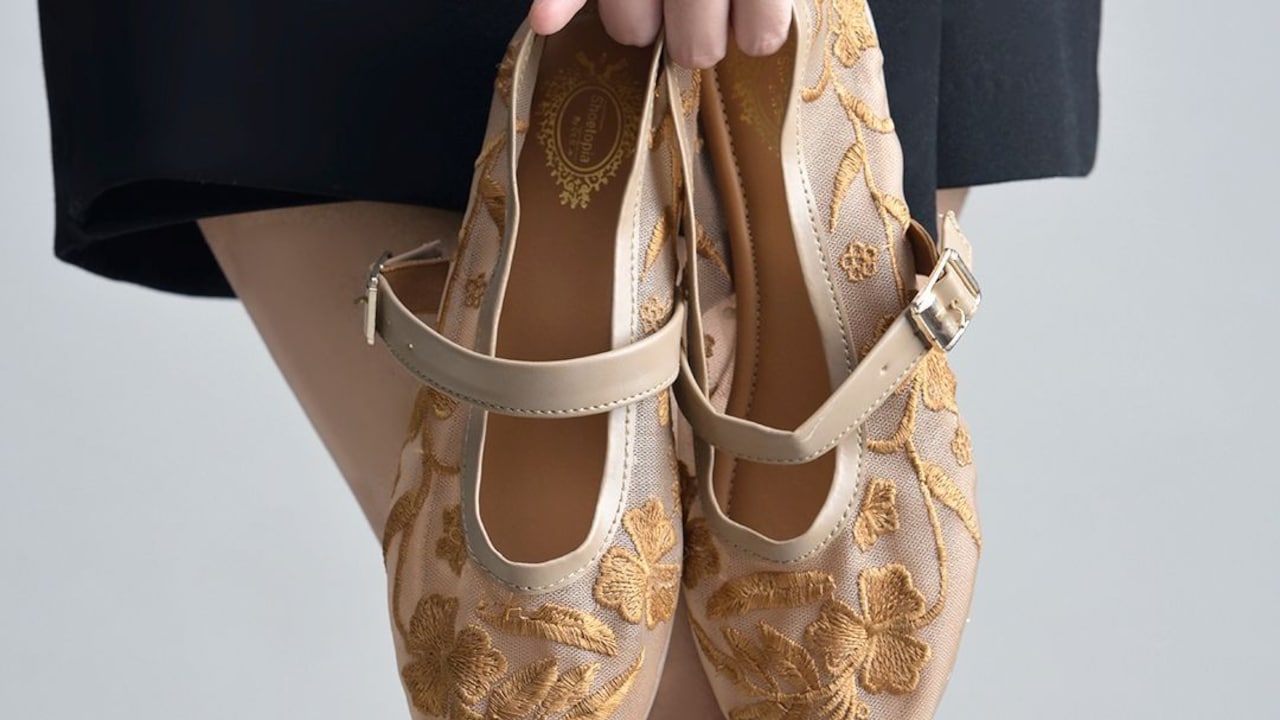
How Flat Shoes Cause Foot Pain And Top Tips For Finding Comfortable Shoes
Photo Credit: Myntra
Prioritising Style Over Comfort
Fashion often influences footwear choices. Sleek designs, trendy shapes, and attractive colours can be tempting. However, prioritising style over comfort can lead to long-term problems.
A stylish pair may look appealing during purchase, but feel uncomfortable after a few hours. Over time, this can lead to chronic pain and reduced mobility.
Fortunately, the gap between style and comfort is narrowing. Many brands now focus on ergonomic designs without compromising aesthetics. Choosing wisely allows both style and comfort to coexist, making everyday wear enjoyable rather than painful.
Products Related To This Article
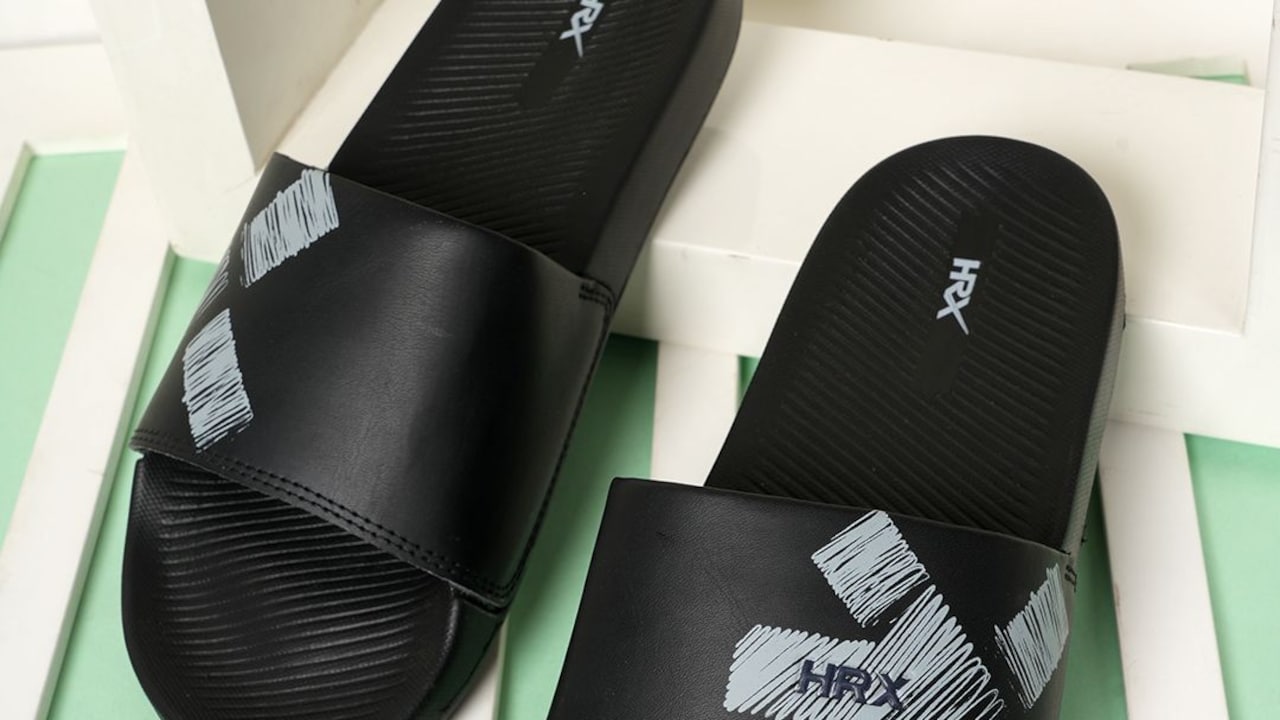
1. HRX by Hrithik Roshan Unisex Printed Sliders
2. ASIAN Women Running Non-Marking Shoes
3. SELFIEE PU Block Sandals
4. sneakers villa Textured Leather Heels With Backstrap
5. NEEMANS Purewhoosh Flow Sandals For Men
6. Skechers Women GO WALK ARCH FIT - ICONIC Shoes
7. El Paso Men Comfort Sandals With Buckle
8. Allen Solly Women Solid Loafers
Flat shoes may seem like the easiest choice for daily wear, but they are not always the most comfortable or supportive option. The absence of arch support, cushioning, and proper structure can lead to discomfort that builds gradually over time. What begins as a slight ache can develop into persistent pain if ignored.
The good news is that small changes can make a big difference. Choosing shoes with proper support, paying attention to fit, and understanding personal needs can transform the way feet feel at the end of the day. Comfort is not about expensive brands or complicated solutions. It lies in thoughtful choices and a bit of awareness.
Feet carry the body through every moment of the day, from early morning commutes to late evening errands. Giving them the support they deserve is not indulgent; it is essential. When comfort becomes a priority, every step feels lighter, and even the busiest days become a little easier to handle.
(Disclaimer: This article may include references to or features of products and services made available through affiliate marketing campaigns. NDTV Convergence Limited (“NDTV”) strives to maintain editorial independence while participating in such campaigns. NDTV does not assume responsibility for the performance or claims of any featured products or services.)