Why Formal Shoes Hurt After A Metro Ride: The Commute-to-Desk Problem Solved
Why formal shoes hurt after a metro ride: Formal shoes may look sharp, but they are often unkind to the feet during daily commutes. Let us explore how a few smart changes can make the journey far more comfortable.
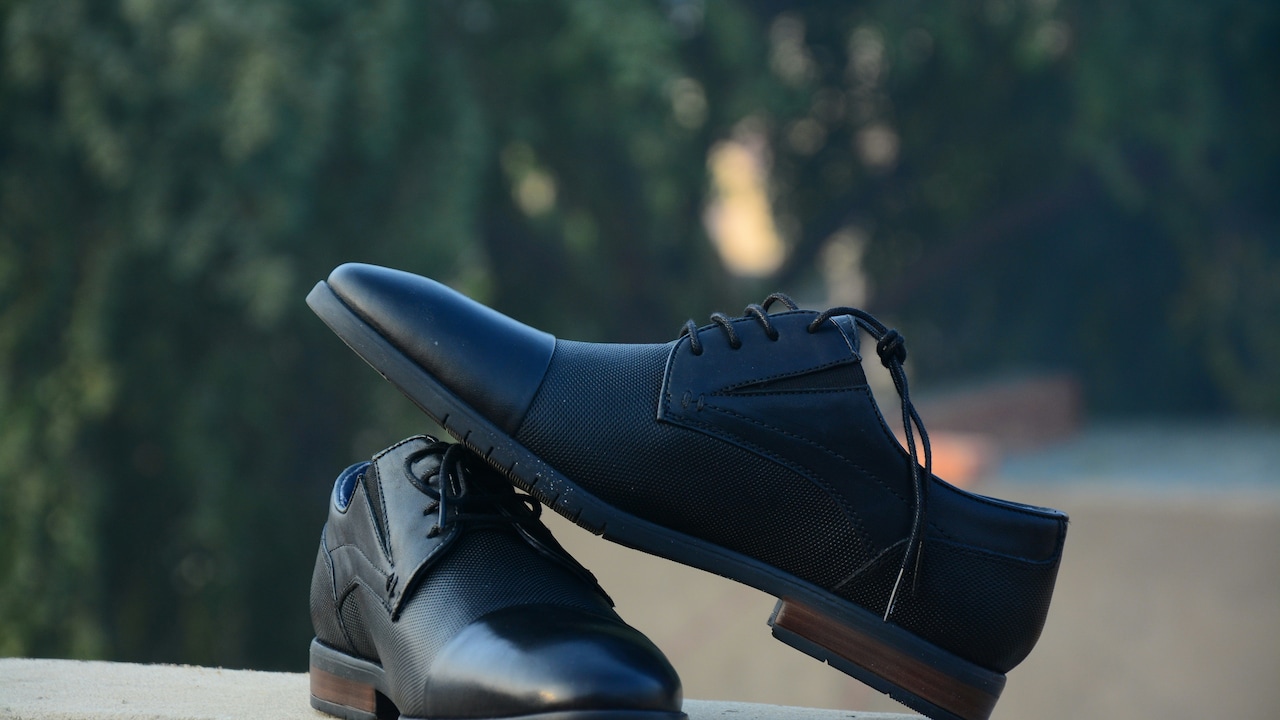
Tired Feet After Your Metro Commute? This Is How To Fix the Formal Shoe Problem.
Every weekday morning, trains hum with ambition. People in crisp shirts, holding travel mugs, and clutching their bags shuffle into crowded compartments. Amid the chatter and metallic screech of brakes, one quiet discomfort lingers, aching feet. Those perfectly polished leather shoes that look so good during board meetings can feel merciless by the time one reaches the office lift.
It's not vanity; it's biomechanics. Long metro rides and hurried walks between stations, stairs, and office corridors demand comfort and flexibility, qualities that most formal shoes simply lack. The result? By the time the day starts, fatigue has already arrived, neatly hidden beneath those glossy brogues.
Let's explore why formal shoes hurt after a metro ride and how to finally bridge the gap between comfort and corporate polish.
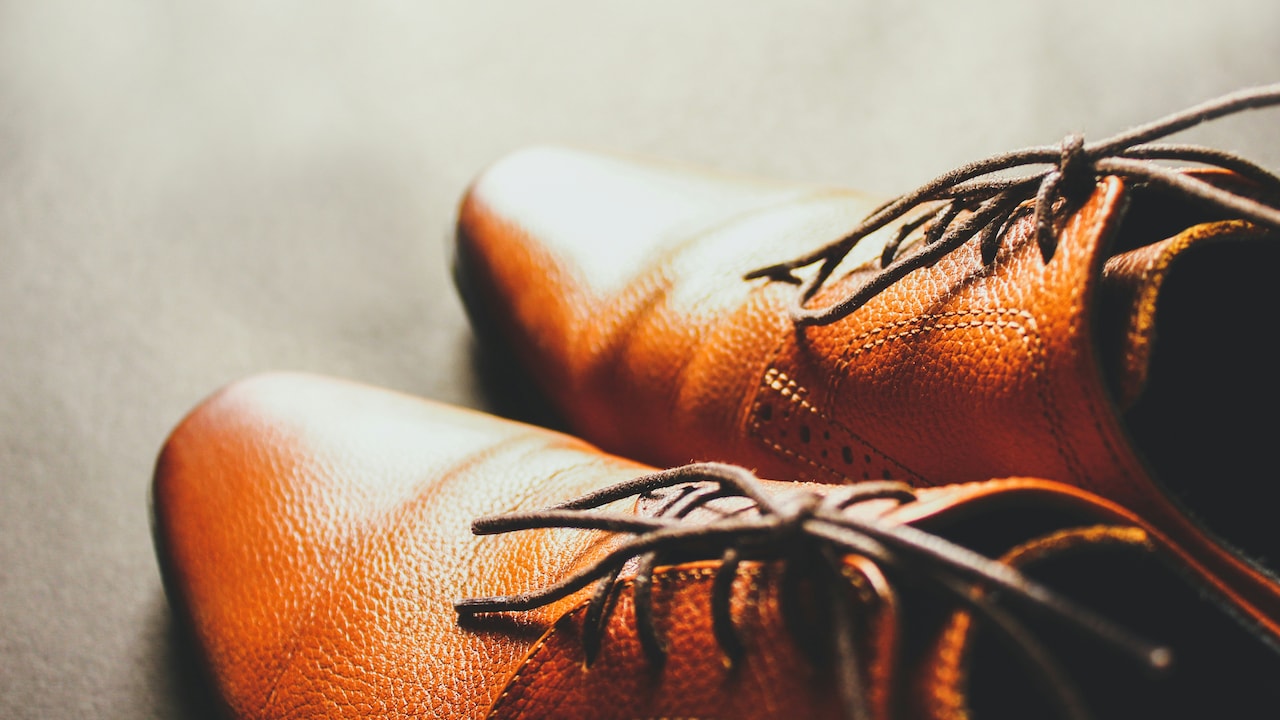
Why Formal Shoes Hurt After A Metro Ride: The Commute-to-Desk Problem Solved
Photo Credit: Unsplash
The Real Reasons Behind the Commute-to-Desk Shoe Struggle
1. The Leather Trap: Style Over Comfort
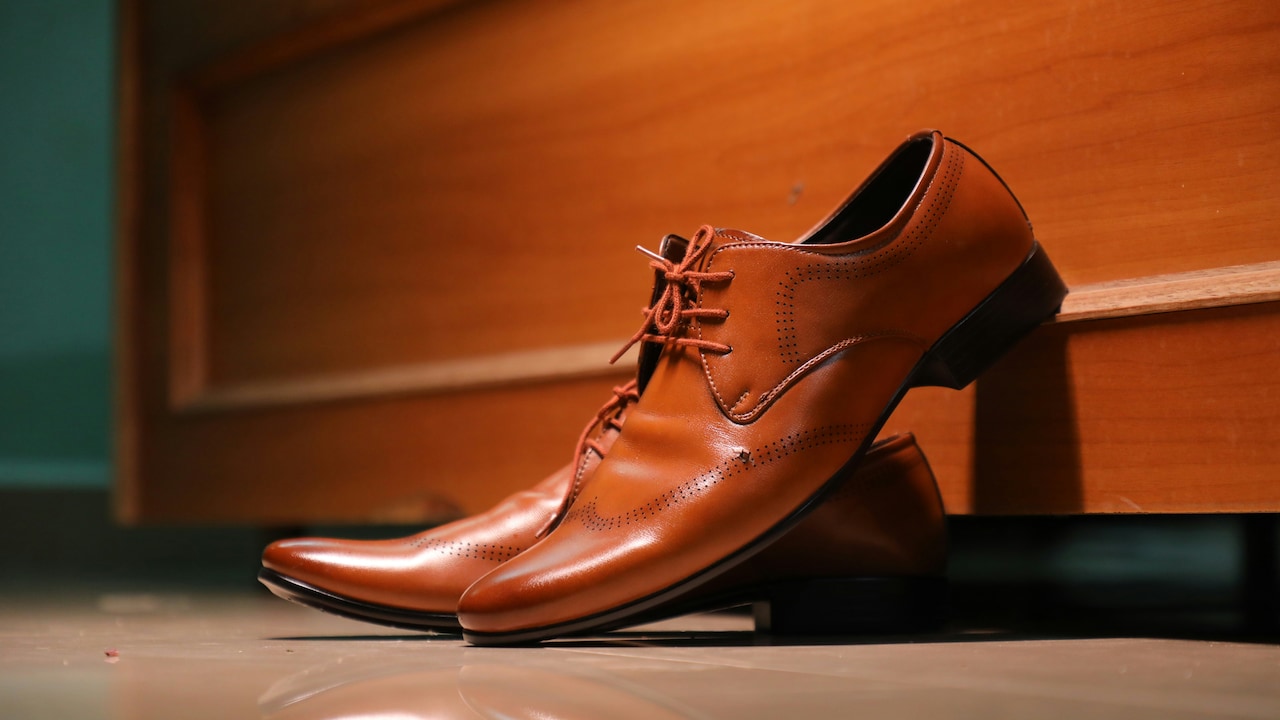
Leather shoes are timeless, sleek, dignified, and synonymous with professionalism. But that sophistication often comes at the cost of comfort. Real leather takes time to mould to one's feet. On a typical weekday, when one boards the metro, the shoes are still stiff from yesterday's polish rather than shaped for today's stride.
The tight fit, while visually sharp, limits natural movement. Walking on hard metro platforms or climbing stairs in such shoes adds pressure on the soles and toes. The problem intensifies in humid weather, when feet swell slightly, leaving little room to breathe. The result? Blisters, pinching, and a slow, simmering ache.
A little care goes a long way. Using shoe stretchers overnight, moisturising the leather, or simply choosing pairs with cushioned insoles can transform that stiff start into a smoother journey. After all, elegance shouldn't have to hurt.
2. The Commute Marathon: When Pavement Meets Pressure
Anyone who's taken the metro during rush hour knows it's less of a commute and more of a sprint. The walk from home to the station, from platform to exit, and finally to the office can easily stretch to a few kilometres. Formal shoes, designed for boardrooms rather than platforms, rarely keep up.
Each step sends impact shocks up the legs, especially if the shoe lacks proper cushioning. Hard soles offer minimal shock absorption, turning every stride on concrete into a test of endurance. Over time, this leads to sore heels, calf strain, and even back discomfort.
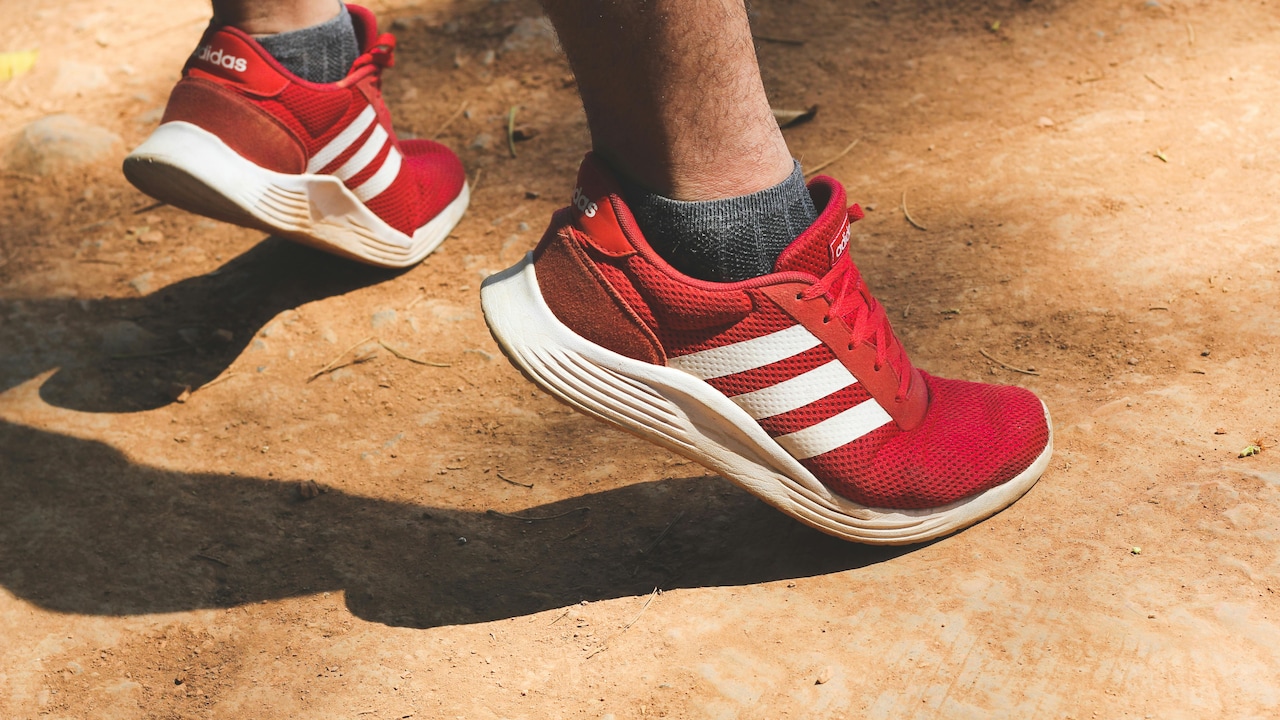
To counter it, many professionals now carry a pair of soft loafers or sneakers for the ride and switch to formal shoes at work. It's not laziness, it's strategy. Your body deserves the same care as your presentation slides.
3. The Silent Culprit: Poor Arch Support
Feet are architectural marvels, arches, joints, tendons, all working together like clockwork. Yet, most formal shoes ignore this intricate design. Flat insoles and rigid soles can flatten the natural arch, leading to fatigue and pain after even short walks.
During a metro ride, when one stands for twenty minutes balancing between sudden halts and jerks, poor arch support takes its toll. The feet bear constant micro-adjustments, leading to strain on the plantar fascia, the band connecting heel and toes. That's why removing shoes after reaching home feels so liberating, it's relief, not just routine.
Investing in memory foam or gel-based insoles, even for expensive leather shoes, can make a world of difference. Think of it as cushioning ambition, keeping your foundation strong while chasing goals.
Also Read: Affordable And Trendy: Top 5 Loafer Shoes For Men Who Hate Laces, From Bata, Ajanta To DMY
4. Heat, Sweat, and the Foot Fatigue Factor
Morning commutes often mean battling not just crowds, but heat and humidity. Inside packed trains, the temperature rises quickly, and feet, trapped in tight shoes and socks, begin to sweat. The friction between skin and leather then becomes the perfect recipe for blisters.
Sweaty feet also swell, increasing pressure within shoes. It's like trying to squeeze into the same space after it's already full. The discomfort that starts on the metro often lingers till the end of the day.
The fix is simple: breathable socks made of bamboo or moisture-wicking fibres. They absorb sweat without trapping heat, keeping the feet fresh. A quick dusting of talcum powder before stepping out also helps. Small rituals, big difference.
5. The Illusion of Perfect Fit
There's an old habit of buying shoes that “will loosen with time.” Unfortunately, that's one myth fashion has failed to retire. Formal shoes rarely stretch enough to change fit drastically. Instead, the foot adapts, often painfully.
A shoe that's half a size too small can compress toes, cause corns, and distort posture during walking. Over weeks of commuting, this misalignment can lead to long-term issues like shin splints or knee strain.
The golden rule? Always buy shoes in the evening, when feet are slightly swollen, ensuring a true fit. Try walking around the store, if it doesn't feel right immediately, it won't later. The right fit isn't a luxury; it's essential armour for urban life.
6. Fashion's Fine Print: Thin Soles, Thick Problems
Formal shoe design often prioritises aesthetics, sleek silhouettes, slim soles, and minimal padding. Unfortunately, the thinner the sole, the harsher the experience on metro platforms and city pavements.
Every uneven tile or escalator step amplifies the impact on feet. Over time, this can cause micro-trauma to the heels and tendons. No wonder that slight limp after alighting from the metro feels oddly familiar.
Choosing shoes with rubber or EVA-blended soles instead of plain leather bottoms can absorb shocks better without compromising the look. Some brands even blend style with science, offering “commuter-friendly” formal shoes, a smart evolution for the modern office-goer.
7. From Metro to Meeting: The Transition Trap
The modern professional's morning involves a surprising transition, from chaotic public transport to serene office space in under five minutes. Yet, the body doesn't switch gears so easily. The tension from standing, balancing, and walking doesn't fade just because the air-conditioning kicks in.
Sitting down immediately after a long commute traps lactic acid in leg muscles, making stiffness worse. Feet, still swollen, remain confined in tight shoes under desks for hours. The outcome? Fatigue that quietly builds up, showing as sluggishness by afternoon.
The trick lies in movement. A quick stretch near the desk, rolling ankles, or simply slipping shoes off for a minute can refresh circulation. It's not just comfort, it's productivity in disguise.
Why Formal Shoes Hurt After A Metro Ride: The Commute-to-Desk Problem Solved
Photo Credit: Pexels
8. The Price of Prestige: Quality vs Practicality
In pursuit of prestige, many professionals lean towards high-end leather brands that look impeccable but aren't built for daily travel. Thin leather, delicate stitching, and unpadded soles may impress clients but betray feet during the commute.
Practicality doesn't mean compromising style. Several local brands now offer office shoes designed for commuting comfort, lightweight, cushioned, and durable. Spending ₹4,000 on a versatile pair that lasts and supports is wiser than shelling out ₹10,000 on shoes that demand daily suffering.
True elegance lies in balance, between style and sensibility, between polish and practicality.
9. Mind the Step: The Metro's Hidden Impact
Metro stations are marvels of efficiency, but also traps for tired feet. Endless staircases, escalators, and long corridors test endurance daily. Standing in queues or during bumpy rides puts pressure on the balls of the feet, especially when dressed in pointed formal shoes.
Those narrow toes might look sharp, but they compress delicate nerves, leading to numbness or tingling. Many professionals don't even realise that their morning fatigue begins right there, on the platform.
Switching to a slightly rounded or square-toe design can relieve that pressure instantly. Add a pair of gel heel grips, and you'll glide through rush hour rather than hobble through it.
10. The Commute-to-Desk Solution: Smart Footwear Habits
Comfort begins with awareness. The “commute-to-desk” problem isn't just about shoes, it's about how we treat our feet. Carrying foldable sneakers for travel, keeping a pair of slippers under the desk, and letting feet breathe during lunch hours can make daily routines easier.
Rotating between two or three pairs of shoes also helps, as it allows leather to rest and regain shape. Little accessories, like arch supports or padded socks, add unseen comfort.
The most valuable change, however, is attitude. Treating comfort as a necessity, not a luxury, can shift how we shop, dress, and even move. A polished shoe shouldn't mean punished feet.
Why Formal Shoes Hurt After A Metro Ride: The Commute-to-Desk Problem Solved
Photo Credit: Unsplash
Products Related To This Article
1. Metro Men Textured Formal Loafers
2. Mochi Men Formal Oxford Shoes
3. Anouk Men Solid Slip-On Formal Loafers
4. INVICTUS Men Tan Brown Solid Formal Oxfords
5. House of Pataudi Men Textured Formal Derbys
6. BYFORD by Pantaloons Men Round Toe Formal Derbys
7. Guava Men Textured Formal Brogues
In the end, every metro commuter knows the quiet battle between ambition and aching feet. The day starts with a confident stride and ends with the slow untying of laces that feel tighter than they should. Yet, the solution isn't to abandon formality, it's to upgrade it.
Comfortable, well-designed formal shoes are not a compromise; they are an evolution of what workwear should be, smart, adaptable, and kind to the body that carries ambition.
So the next time those heels start protesting midway through the commute, remember: progress doesn't have to hurt. With the right pair of shoes and a few mindful habits, the journey from metro to desk can be not just bearable, but blissfully effortless.