How To Stop High-Rise Straight Trousers From Pouching At The Waist
High-rise straight trousers often pouch at the waist due to poor fit, fabric or construction. This guide breaks down practical fixes, from smarter buying to simple tailoring, so trousers sit flat, feel comfortable, and look polished all day.

Why High-Rise Straight Trousers Pouch At The Waist And How To Fix It.
High-rise straight trousers are a wardrobe staple. They elongate the legs, cinch the waist, and bring effortless sophistication whether worn to work, brunch, or a family function. Yet, there's a common frustration many face: that awkward pouching or bubbling around the waistline. This issue often shows up when standing after sitting, during long workdays, or right when confidence should be peaking. However, waist pouching is fixable. Sometimes it takes a smarter buying choice. Other times, it's about styling tweaks or minor tailoring that costs less than a weekend coffee bill. This article reveals how to stop high-rise straight trousers from pouching at the waist and why high-rise straight trousers misbehave.
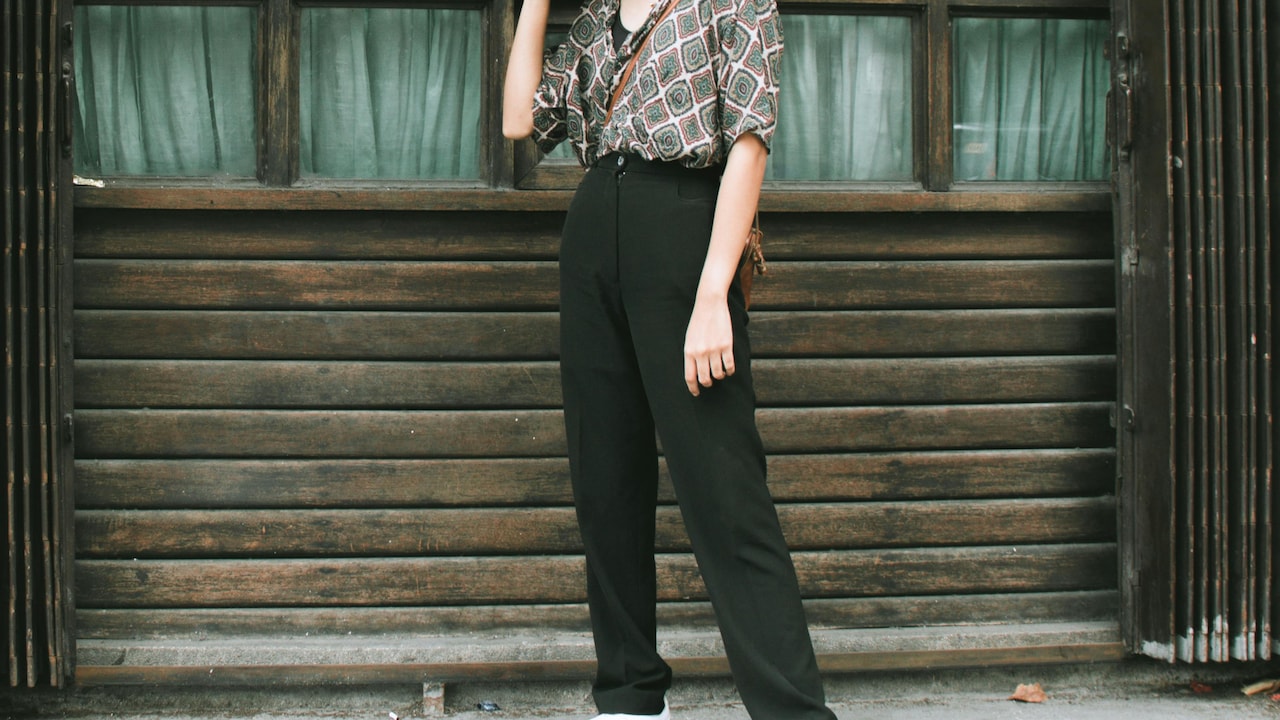
How To Stop High-Rise Straight Trousers From Pouching at the Waist; Photo Credit: Pexels
What Really Causes That Annoying Waist Pouching
1. Understand Why Waist Pouching Happens
Before fixing the problem, it helps to understand it. Waist pouching happens when fabric has nowhere to go. High-rise trousers sit at the narrowest part of the torso, where movement is constant, bending, sitting, walking, reaching for that cup of chai.
If the waistband is slightly too big, the fabric collapses. If it's too stiff, it resists natural curves. Add a straight cut that doesn't taper or contour, and the waistline struggles to sit flat.
Another common culprit is posture. Long hours at desks cause subtle changes in how trousers settle on the body. The waistband shifts forward when sitting, then pouches when standing.
Recognising that pouching is mechanical, not personal, changes the approach. It's not about hiding flaws. It's about working with how clothes behave in daily life.
2. Prioritise Waist Fit Over Hip Fit
Many people buy trousers to fit the hips and thighs, assuming the waist can be adjusted later. This mindset often leads to pouching. A waistband that's too loose creates folds and bubbles the moment movement happens.
When shopping, the waistband should feel snug but not restrictive. It should stay in place without needing a belt. If trousers fit perfectly at the waist but feel tight at the hips, tailoring can fix that more easily than the other way around.
A helpful trick is the two-finger test. Slide two fingers comfortably into the waistband. If there's space for three or four, pouching is almost guaranteed.
Choosing waist-first fit may feel counterintuitive, but it's the foundation of a smooth silhouette.
Also Read: 5 Best Cigarette Pants for Office Wear And Everyday Styling On Myntra
3. Choose Fabrics That Move With You
Fabric choice plays a huge role in how trousers sit. Stiff, thick fabrics may look sharp on the hanger but often resist natural body movement. This resistance causes the fabric to bunch at the waist.
On the other hand, overly soft or flimsy fabrics collapse easily and lose structure within hours of wear. The sweet spot lies in fabrics with moderate weight and a touch of stretch.
Look for blends that include elastane or spandex. Even a small percentage helps trousers adapt as the body moves. Breathable materials also reduce friction, helping the waistband settle back into place after sitting.
In warm climates, lighter wool blends or structured cotton work better than heavy synthetics. Comfort and structure must coexist for a pouch-free fit.
4. Pay Attention to Waistband Design
Not all waistbands are created equal. A straight waistband on high-rise trousers often struggles to sit smoothly on a naturally curved waist. This mismatch leads to gaping and pouching.
Curved waistbands are designed to follow the body's shape. They reduce excess fabric and distribute tension evenly. Though subtle, this design detail makes a noticeable difference in comfort and appearance.
Wide waistbands also help. They spread pressure across a larger area, preventing the fabric from folding in on itself.
Next time trousers are tried on, take a moment to examine the waistband. A small design upgrade can solve a long-standing frustration.
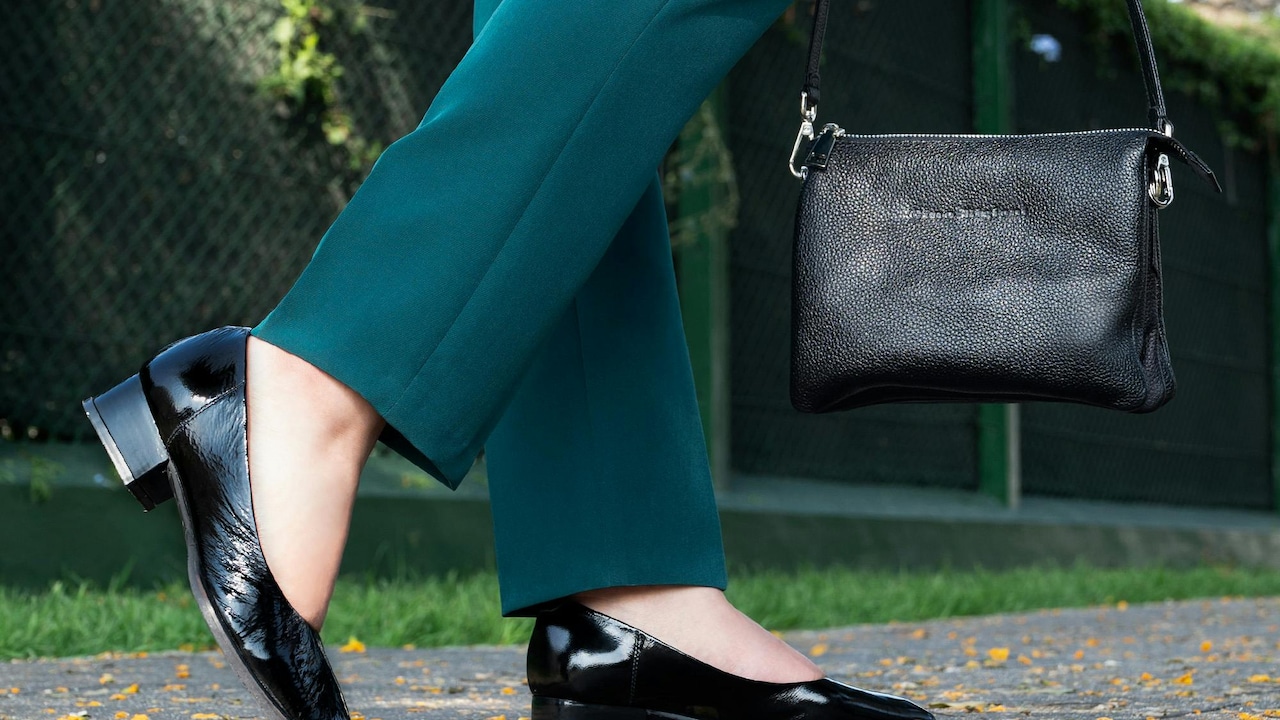
How To Stop High-Rise Straight Trousers From Pouching at the Waist; Photo Credit: Pexels
5. Don't Underestimate the Power of Tailoring
Tailoring is often seen as expensive or complicated, but small adjustments go a long way. Taking in the waistband slightly or reshaping the back seam can eliminate pouching entirely.
A skilled tailor understands how fabric behaves and can add darts or adjust seams to improve fit without altering the overall look. These tweaks usually cost less than ₹500–₹800, depending on complexity.
Tailoring also allows flexibility in sizing. Instead of settling for “almost fits,” trousers can be customised to sit perfectly.
Think of tailoring as maintenance, not repair. Just like shoes need polishing, good trousers need fine-tuning.
6. Style Choices That Reduce Waist Stress
How trousers are styled affects how they sit. Bulky tops tucked in create pressure at the waist, pushing fabric outward. Thick belts can do the same.
Opt for lightweight fabrics when tucking in. Smooth, thin layers reduce bulk and allow the waistband to lie flat. If wearing a belt, choose slimmer designs with minimal hardware.
High-rise trousers pair beautifully with cropped or semi-tucked tops, which reduce tension at the waistline. Layering with longline jackets or kurtas can also disguise minor pouching while adding elegance.
Smart styling doesn't hide problems; it prevents them.
7. Check the Rise Length Carefully
Not all high-rise trousers are truly high-rise. Some sit slightly lower or higher than expected, landing at an awkward point on the torso.
If the rise is too long, excess fabric gathers. If it's too short, the waistband pulls and shifts. Both scenarios create pouching.
When trying on trousers, sit down, stand up, and walk around. Notice where the waistband settles naturally. The ideal rise stays consistent without sliding or folding.
Understanding personal rise preference takes trial and error, but once discovered, shopping becomes much easier and more successful.
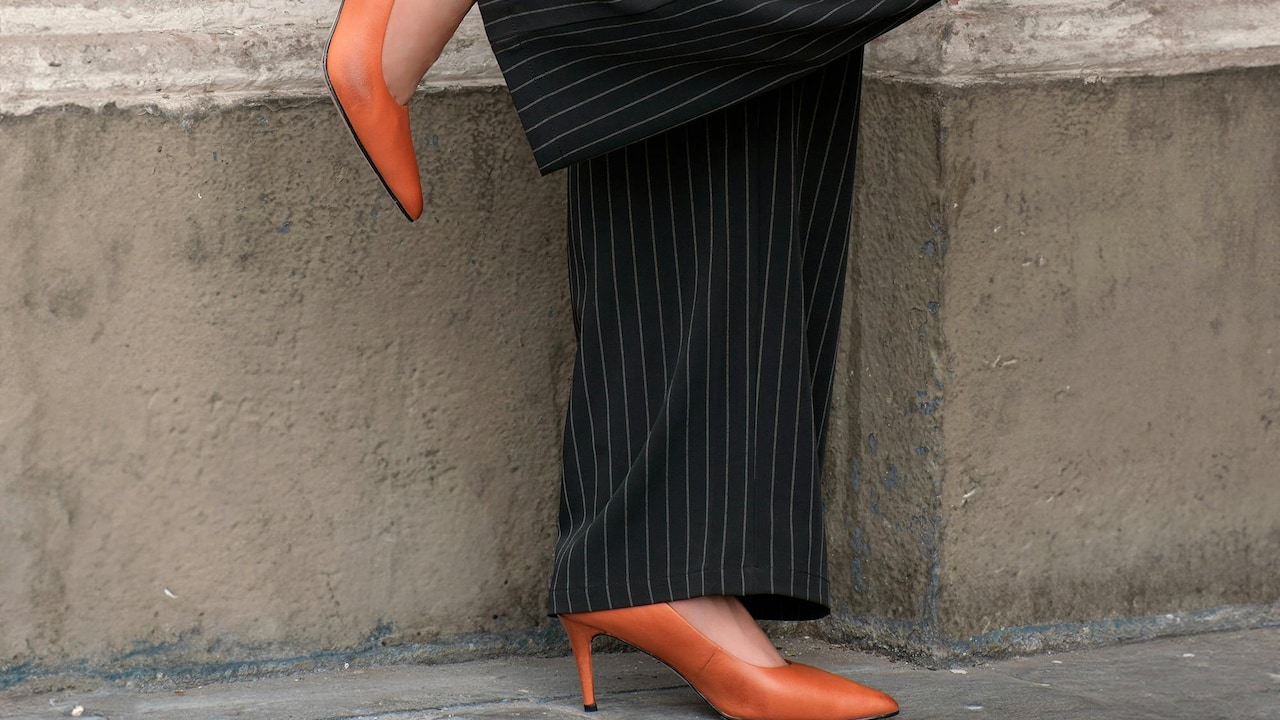
How To Stop High-Rise Straight Trousers From Pouching at the Waist; Photo Credit: Pexels
8. Avoid Overwashing and Poor Storage
Fabric memory matters. Frequent washing, especially in hot water, weakens fibres and reduces elasticity. Waistbands lose their ability to bounce back, leading to permanent pouching.
Wash trousers only when necessary. Use cold water and gentle cycles. Avoid wringing or hanging them by the waistband, which stretches fabric unevenly.
Store trousers folded neatly or hung using clips at the waistband, distributing weight evenly. Proper care extends garment life and preserves fit.
Sometimes the problem isn't how trousers are worn, but how they're treated off the body.
9. Consider Inner Waistband Support
Some trousers include inner waistband grips or hidden elastic panels. These features improve hold without visible bulk.
For trousers that lack this, tailors can add discreet waistband support. Even a thin elastic insert at the back can prevent gaping while maintaining a clean front.
This solution works particularly well for long workdays or events involving lots of sitting and standing. Comfort increases, confidence follows.
Functional design doesn't have to compromise aesthetics.
10. Know When to Let Go
Not every pair of trousers is meant to work. Sometimes the cut, fabric, or construction simply doesn't suit the body or lifestyle.
Holding onto uncomfortable clothing leads to constant adjusting, self-consciousness, and frustration. Letting go makes room for better-fitting pieces that earn their place in the wardrobe.
Quality over quantity always wins. A few well-fitting trousers outperform a cupboard full of problematic ones.
Style should support confidence, not challenge it.
Products Related To This Article
1. Glitchez Women Metallic Detail Fit Straight Fit Trousers
2. Globus Women Black Pleated High-Rise Straight Fit Wide Leg Trousers
3. IKKIS Women Relaxed Straight Leg Straight Fit High-Rise Wrinkle Free Trousers
4. Tokyo Talkies Women Rust Straight Fit High-Rise Trousers
5. Roadster The Lifestyle Co Pure Cotton Straight Fit Cargo Trousers
6. Blissclub Women Relaxed Straight Leg Straight Fit High-Rise Wrinkle Free Trousers
7. STYLE STAMP Women Straight Fit High-Rise Trousers
High-rise straight trousers are timeless for a reason. When they fit well, they offer elegance, ease, and versatility. Waist pouching may feel like a minor issue, but it has a major impact on how outfits look and feel. With the right approach, high-rise straight trousers can finally live up to their promise, smooth, confident, and effortlessly stylish.
(Disclaimer: This article may include references to or features of products and services made available through affiliate marketing campaigns. NDTV Convergence Limited (“NDTV”) strives to maintain editorial independence while participating in such campaigns. NDTV does not assume responsibility for the performance or claims of any featured products or services.)